Xianheng International (Hangzhou) Electrical Manufacturing Co., Ltd.
Electrical Integrity Tester

Electrical Integrity Tester

Request Quotation
Electrical Integrity Tester Category
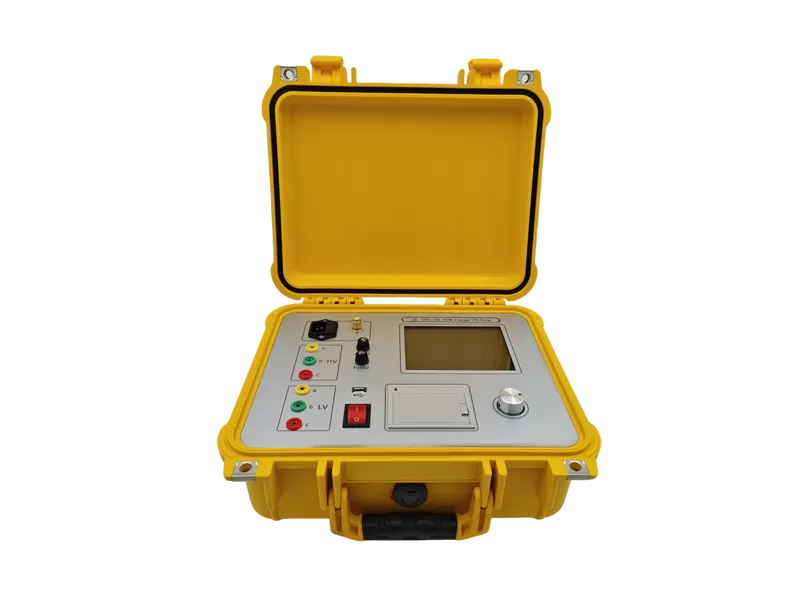
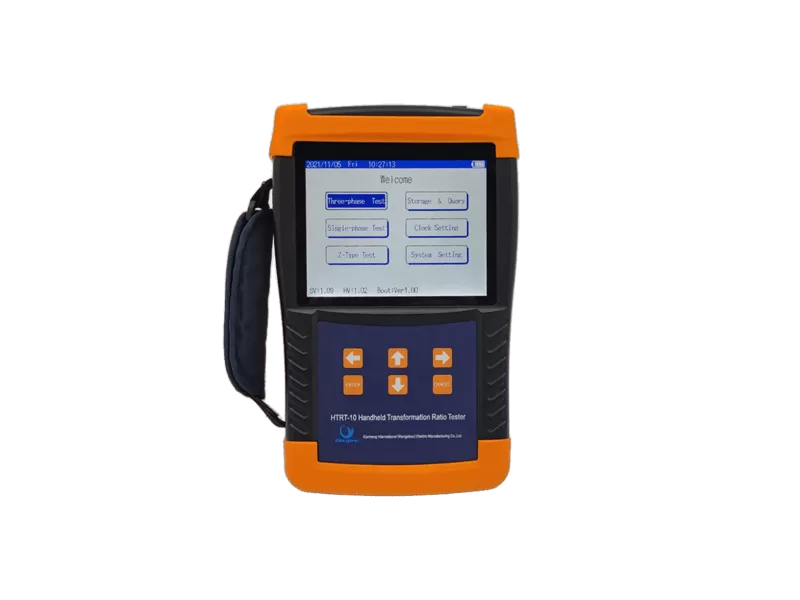
HTRT-10 Handheld 3-phase TTR Test

HTRT-10 Handheld 3-phase TTR Test

The HTRT-10 is an automatic hand-held battery operated transformer turns ratio test set, allows the user to operate the test set while holding it in one hand.


  • Battery operated

  • Lightweight – 1.7 kg

  • Handheld design, easy to carry

  • Simple, one-button operation

  • Rugged metal connectors on leads and unit


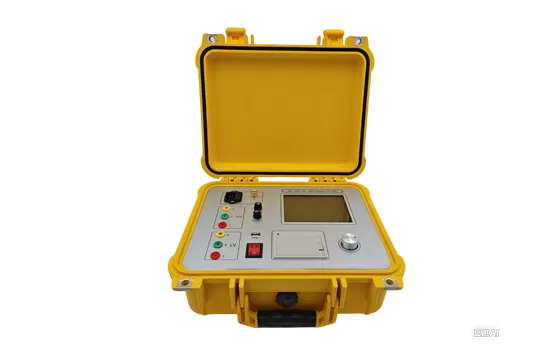
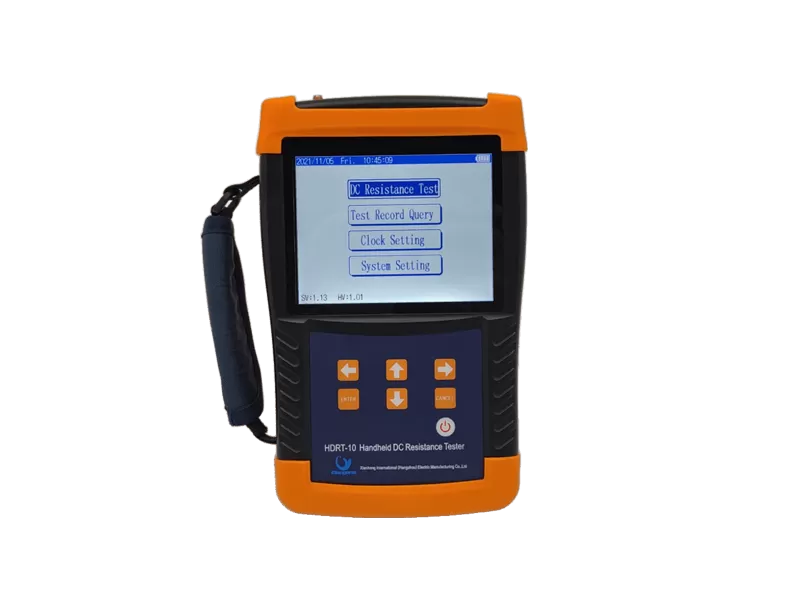
HDRT-10 10A Handheld Transformer Ohmmeter

HDRT-10 10A Handheld Transformer Ohmmeter

The HDRT-10 10A handheld transformer ohmmeter quickly and accurately measures DC winding resistance. Designed for on-site use, lightweight structure, battery power, and simple test process.


  • Battery operated

  • Lightweight – 1.6 kg

  • Handheld design, easy to carry

  • One button test, no need to select current


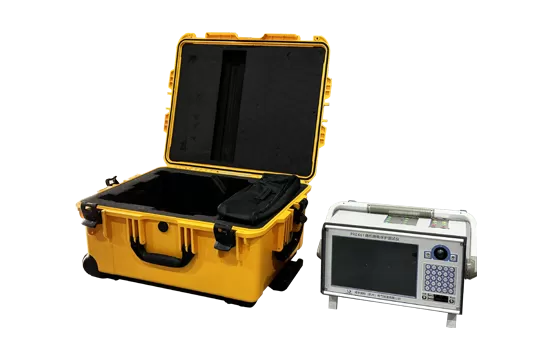
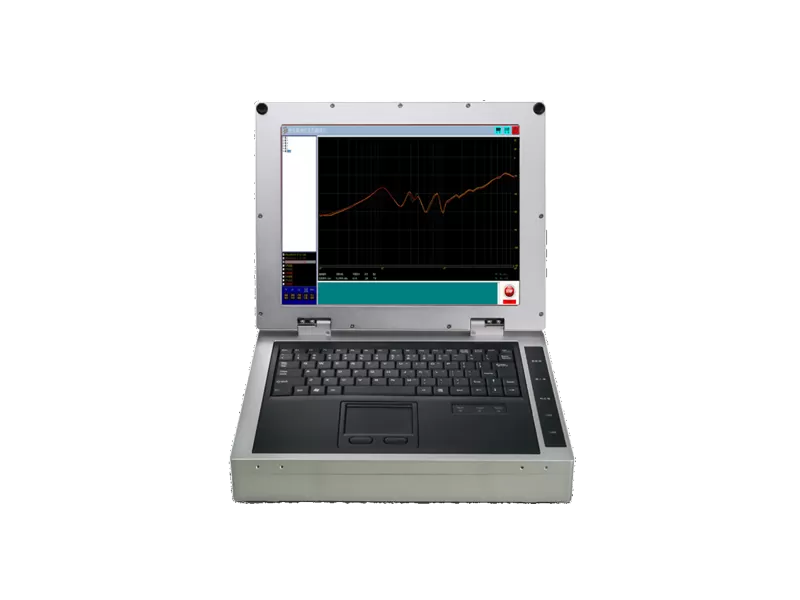
WDT-200 Sweep Frequency Response Analyser (SFRA)

WDT-200 Sweep Frequency Response Analyser (SFRA)

WDT-200 use SFRA method to assess whether or not a transformer has been subject to mechanical damage. It is built into a tough carry case which includes an on-board computer making it even more transportable.


  • Small and light-weight for easy use

  • Meet IEC 60076-18 standard

  • Analysis software allows further diagnostics

  • Built-in all functional PC with keyboard and touch pad


FAQs about Electrical Integrity Tester

What Parameters Are Included in Electrical Integrity Tests?

Electrical integrity testing evaluates the overall condition of electrical equipment by assessing the health of insulation systems, windings, and electrical circuits. Common test parameters include:


Insulation Assessment

Insulation resistance (IR)

AC and DC withstand voltage tests

Dissipation factor (tan δ)

Winding Evaluation

Winding resistance

Transformer turns ratio (TTR)

Fault Detection

Inter-turn insulation condition

Winding balance and phase-to-phase resistance deviation

Winding deformation analysis

Tap changer contact resistance

Additional Diagnostic Parameters

Excitation current

No-load losses

Ground continuity testing


Together, these measurements provide a comprehensive assessment of equipment condition and reliability.


What Equipment Can Be Tested Using Integrity Testers?

Electrical integrity testers are commonly used for equipment that contains windings, insulation systems, or electrical circuits, including:

  • Power and distribution transformers

  • Dry-type and oil-immersed transformers

  • Electric motors and generators

  • Current transformers (CTs) and voltage transformers (VTs)

  • Reactors and inductive coils

  • Renewable energy converters and associated magnetic components

  • Switchgear components containing electromagnetic assemblies


These tests help verify performance, detect defects, and support preventive maintenance programs.


How Can Testing Extend the Service Life of Transformers?

Routine integrity testing helps identify developing problems before they become major failures.


Benefits include:

  • Early detection of insulation deterioration, moisture ingress, and winding defects

  • Identification of loose connections, tap changer problems, and winding deformation

  • Monitoring of insulation aging trends through historical test data

  • Reduction of overheating, short circuits, and catastrophic failures


By detecting issues at an early stage, maintenance can be planned proactively, helping maximize transformer reliability and service life.


How Often Should Transformer Ratio and Winding Resistance Tests Be Performed?

Testing intervals vary depending on equipment criticality, operating environment, and maintenance requirements.

Ratio and winding resistance tests are commonly performed:

  • Before commissioning new transformers

  • During scheduled preventive maintenance programs

  • After major repairs or tap changer replacement

  • Following short-circuit events, lightning incidents, or abnormal operating conditions

  • Before returning long-idle transformers to service


Asset owners should follow applicable industry standards and maintenance practices when determining test frequency.


What Is a Transformer Turns Ratio (TTR) Test?

A transformer turns ratio (TTR) test compares the actual voltage ratio of transformer windings with the rated ratio specified on the nameplate.

The test is used to identify:

  • Shorted turns

  • Open-circuit windings

  • Incorrect tap changer positions

  • Wiring and connection errors

  • Manufacturing or installation defects


TTR testing is a standard procedure during transformer commissioning, maintenance, and troubleshooting.


Do I Need a Dedicated Transformer Ohmmeter for Winding Resistance Testing?

Yes. Transformer winding resistance measurements are typically performed using a dedicated winding resistance tester rather than a standard multimeter.

Specialized instruments offer:

  • Stable constant-current injection

  • Fast charging of inductive windings

  • Automatic demagnetization functions

  • Rapid discharge protection

  • Higher accuracy for low-resistance measurements


These features improve measurement reliability and significantly reduce testing time, especially for large power transformers.


When Should Winding Resistance Measurements Be Carried Out?

Winding resistance testing is recommended:

  • During factory acceptance and commissioning tests

  • As part of routine preventive maintenance

  • After transformer repairs or winding replacement

  • Following tap changer maintenance

  • After short-circuit, overload, or lightning-related incidents

  • When abnormal temperature rise or unusual operating conditions are detected

  • Before equipment is returned to service after long-term storage


Regular testing helps verify winding integrity and detect developing faults before they affect equipment performance.


Request a Quote for Electrical Testing Equipment

Please tell us your testing requirements, application scenarios or project details, and our engineers will recommend the solution and quotation that suits you within 24 hours.

Contact Us
Address:
Xianheng Technology Building, No. 101 Xinghuang Alley, Gongshu District, Hangzhou, 310022, China.
Request a Free Quote
Get a Free Quote
Our representative will contact you soon.
* Your Name
* E-mail
* Phone/Whatsapp
Company
Country
* Message/Requirements
We use cookies to offer you a better browsing experience, analyze site traffic and personalize content. Part of the tracking is necessary to ensure SEO effectiveness,
By using this site, you agree to our use of cookies. Visit our cookie policy to learn more.
Reject Accept