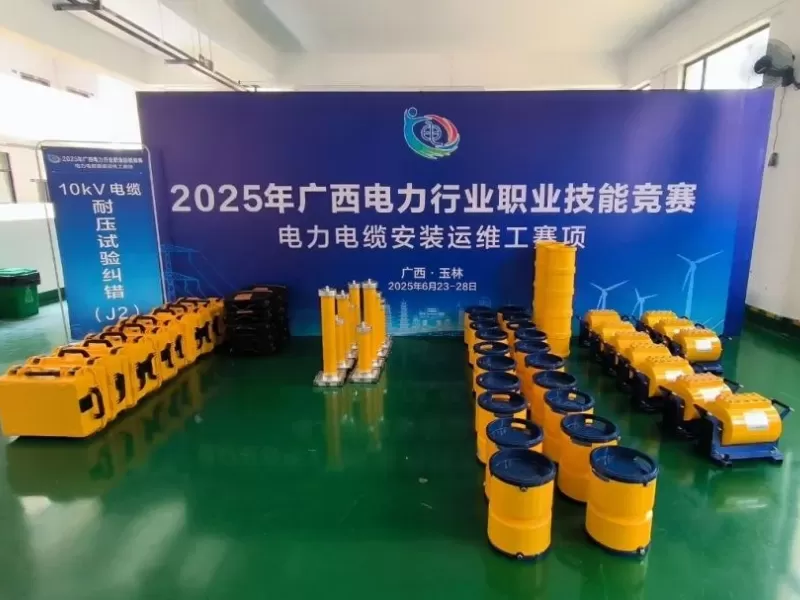
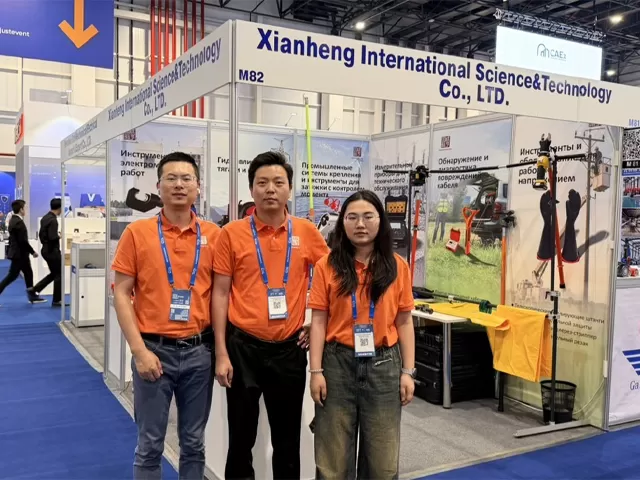
Xianheng International (Hangzhou) Electrical Manufacturing Co., Ltd.
DC High Voltage or Withstand Tool

DC High Voltage or Withstand Tool

Request Quotation
DC High Voltage or Withstand Tool Category
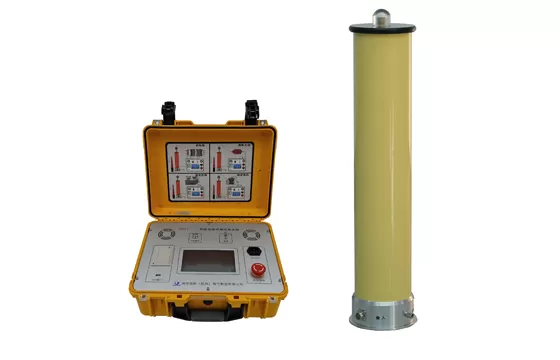
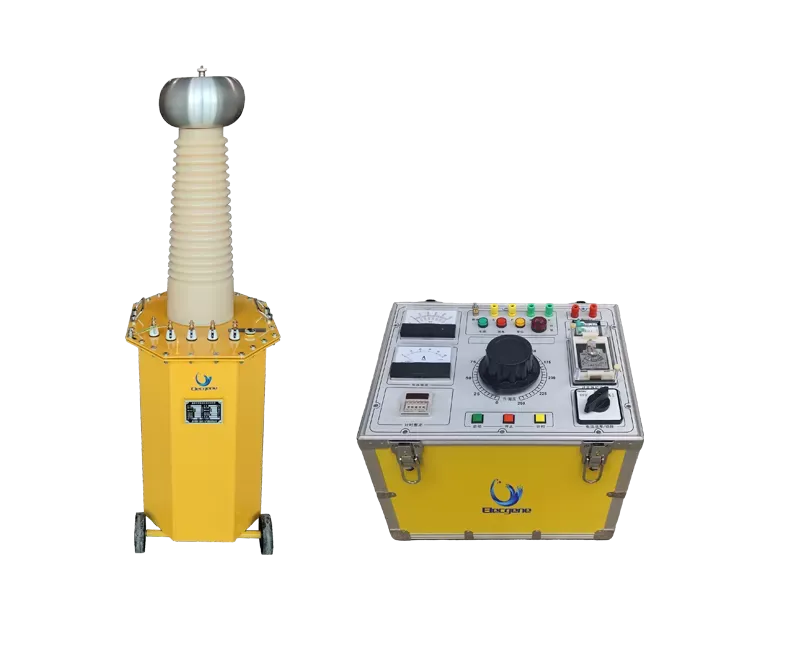
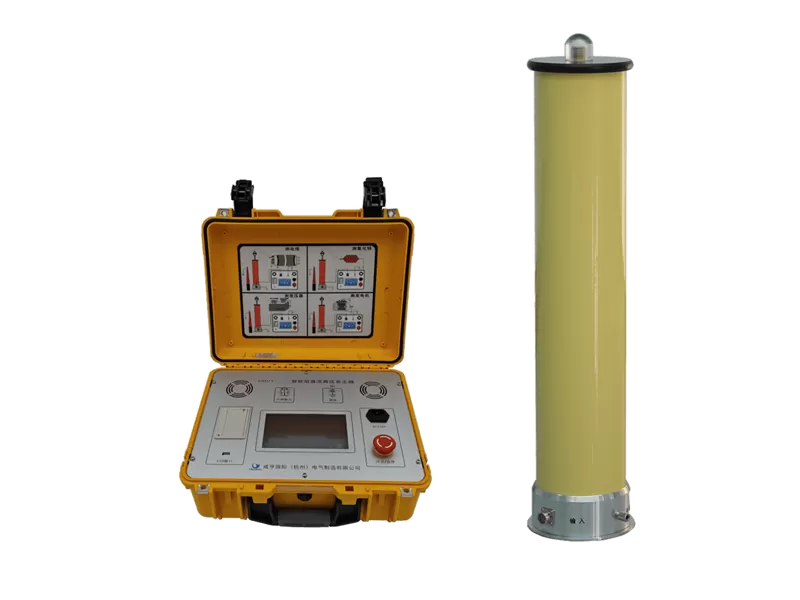
DHVT Series 60kV, 120kV, 200kV Portable DC Hipot Tester

DHVT Series 60kV, 120kV, 200kV Portable DC Hipot Tester

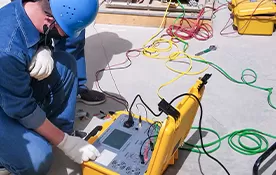
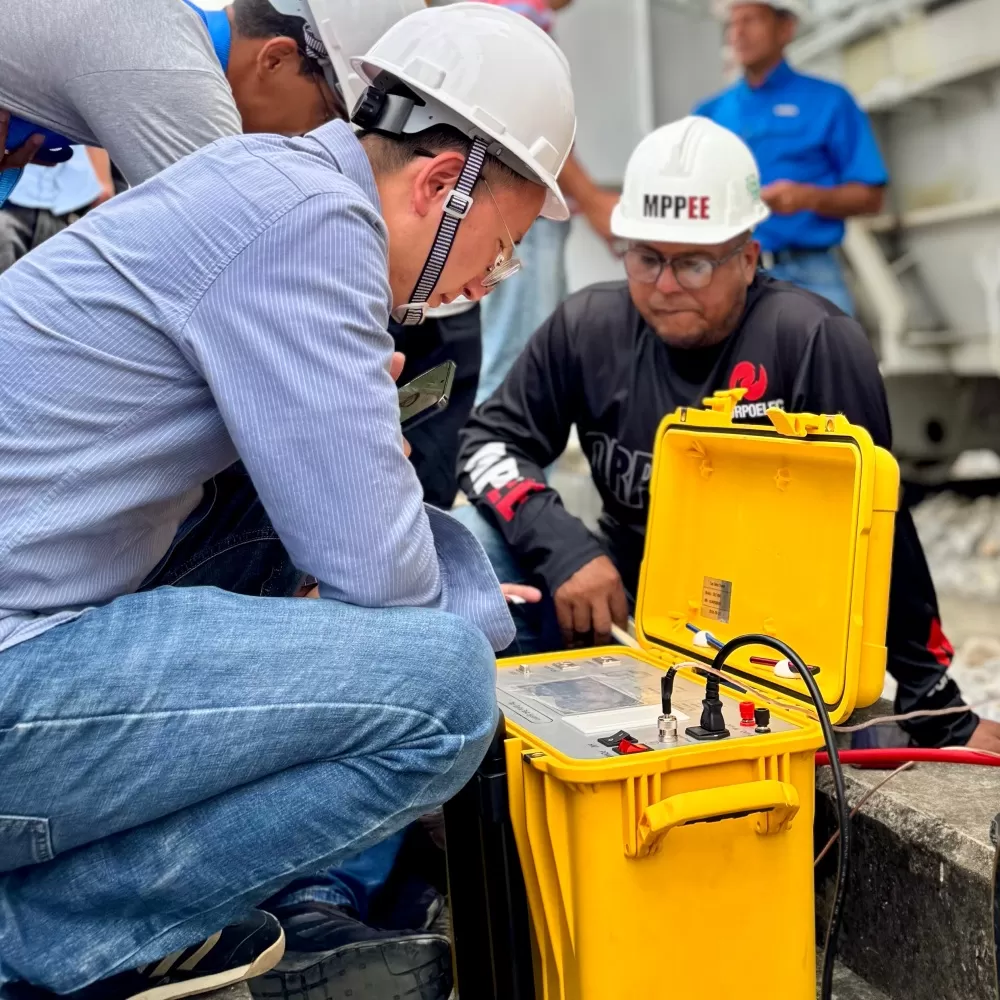
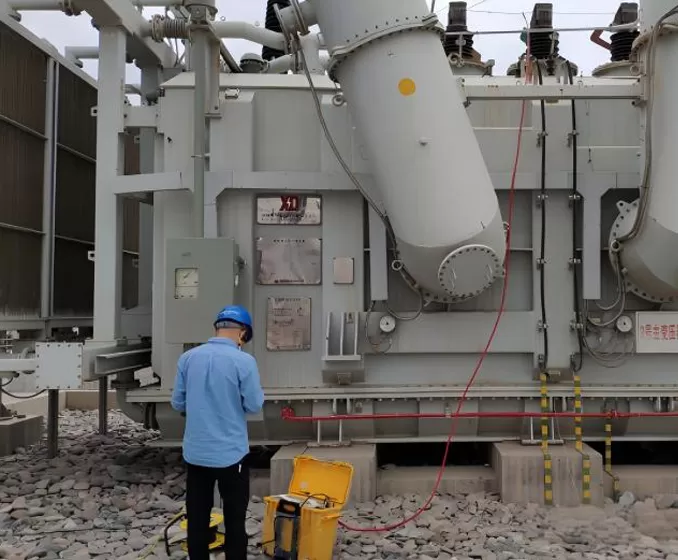
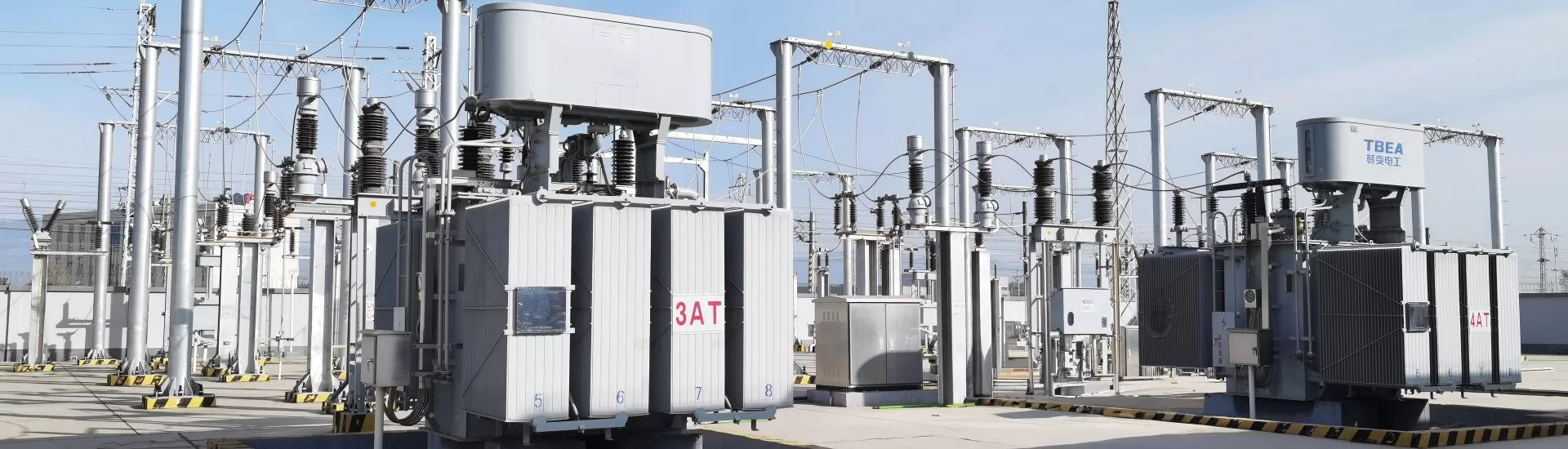
Suitable for electric power companies and enterprise power department to conduct DC withstand voltage test and DC leakage current test on zinc oxide arresters, power cables, generators, transformers, circuit breakers, etc. which is a necessary test instrument for high voltage tests.


  • Rugged design for field use

  • Measures leakage current

  • Rugged and portable construction

  • No internal leakage at full load


FAQs about DC High Voltage or Withstand Tool

What Is a DC Withstand Voltage Test?

A DC withstand voltage test, also known as a DC hipot test, applies a specified DC high voltage to the insulation system of electrical equipment and maintains it for a defined period. The test is used to evaluate the insulation's ability to withstand high voltage stress and to identify hidden defects such as insulation deterioration, moisture ingress, or manufacturing imperfections.

Why Is High Voltage Testing Important for Insulation?

Insulation defects such as aging, cracking, moisture contamination, and internal partial discharge often cannot be detected through low-voltage measurements alone. High voltage testing simulates electrical stress conditions that may occur during operation, helping identify weak insulation points before they lead to equipment failure, short circuits, power outages, or safety hazards.

What Is the Difference Between a Hipot Test and an Insulation Resistance Test?

Although both tests evaluate insulation condition, they serve different purposes:

Insulation Resistance Test

Uses relatively low DC test voltages

Measures insulation resistance values

Non-destructive under normal testing conditions

Used for routine condition assessment

Hipot (Withstand Voltage) Test

Applies significantly higher test voltages

Verifies insulation strength under electrical stress

Can reveal critical insulation weaknesses that may not appear during resistance testing

Commonly used during commissioning, maintenance, and quality control


In short, insulation resistance testing evaluates insulation condition, while hipot testing verifies insulation withstand capability.


What Happens If Equipment Fails a Withstand Test?

Failure during a withstand voltage test generally indicates that the insulation system may contain serious defects, such as insulation degradation, moisture contamination, or potential breakdown points. The equipment should not be placed into service until the cause of failure has been identified and corrected. After repair or replacement of defective insulation components, the equipment should be retested to confirm compliance with safety requirements.

Is DC or AC Withstand Testing Better for Cables?

Both methods have their advantages depending on the application.

DC Withstand Testing

  • Portable and convenient for field testing

  • Lower charging current requirements

  • Suitable for long cable runs and on-site maintenance work

  • Commonly used for medium- and low-voltage cable testing

AC Withstand Testing

  • More closely simulates actual operating conditions of power systems

  • Widely used for acceptance and commissioning tests

  • Often preferred for high-voltage cable systems and compliance testing

The appropriate method should be selected according to cable type, voltage class, and applicable industry standards.


What Safety Precautions Are Required During High Voltage Testing?

High voltage testing must be performed in accordance with established safety procedures:

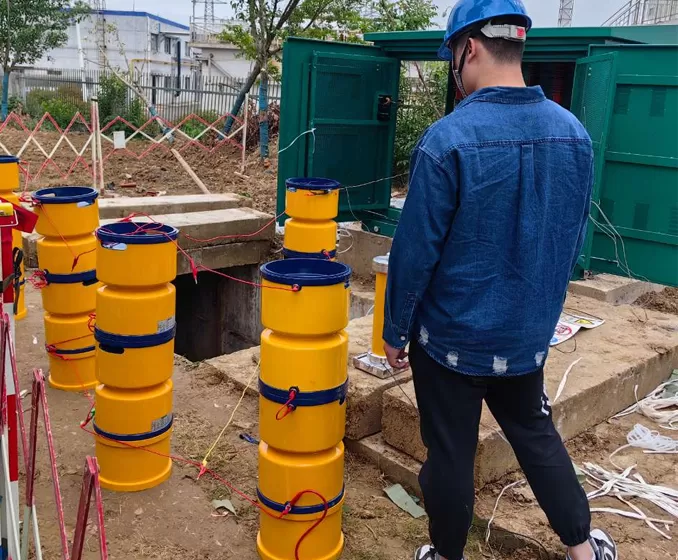
  • Establish a clearly marked high-voltage test area and restrict unauthorized access.

  • Fully discharge the test object before and after testing to eliminate stored electrical energy.

  • Follow a two-person operating procedure whenever possible, with one operator and one safety observer.

  • Wear appropriate personal protective equipment (PPE), including insulated gloves and safety gear.

  • Immediately stop the test if abnormal conditions such as unusual noise, insulation breakdown, smoke, or arcing are observed.

  • Verify that all equipment is properly grounded before testing begins.


Request a Quote for Electrical Testing Equipment

Please tell us your testing requirements, application scenarios or project details, and our engineers will recommend the solution and quotation that suits you within 24 hours.

Contact Us
Address:
Xianheng Technology Building, No. 101 Xinghuang Alley, Gongshu District, Hangzhou, 310022, China.
Request a Free Quote
Get a Free Quote
Our representative will contact you soon.
* Your Name
* E-mail
* Phone/Whatsapp
Company
Country
* Message/Requirements
We use cookies to offer you a better browsing experience, analyze site traffic and personalize content. Part of the tracking is necessary to ensure SEO effectiveness,
By using this site, you agree to our use of cookies. Visit our cookie policy to learn more.
Reject Accept