Xianheng International (Hangzhou) Electrical Manufacturing Co., Ltd.
Relay Protection Tester

Relay Protection Tester

Request Quotation
Relay Protection Tester Category
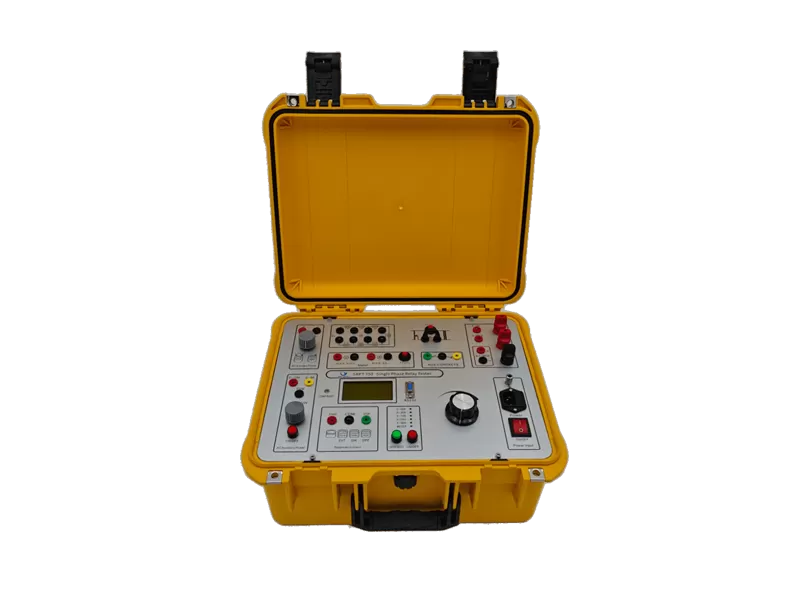
SRPT 750 Single Phase Relay Test System

SRPT 750 Single Phase Relay Test System

Compact design and light weight makes SRPT-750 extremely portable, mostly used for almost all types of single phase relays test.


  • Easy to operate

  • Designed for rugged field use

  • Such as power, voltage and current

  • 0 to 100 Amp output current (overload 150A)

  • Suitable for testing many different types of relays such as power, voltage and current
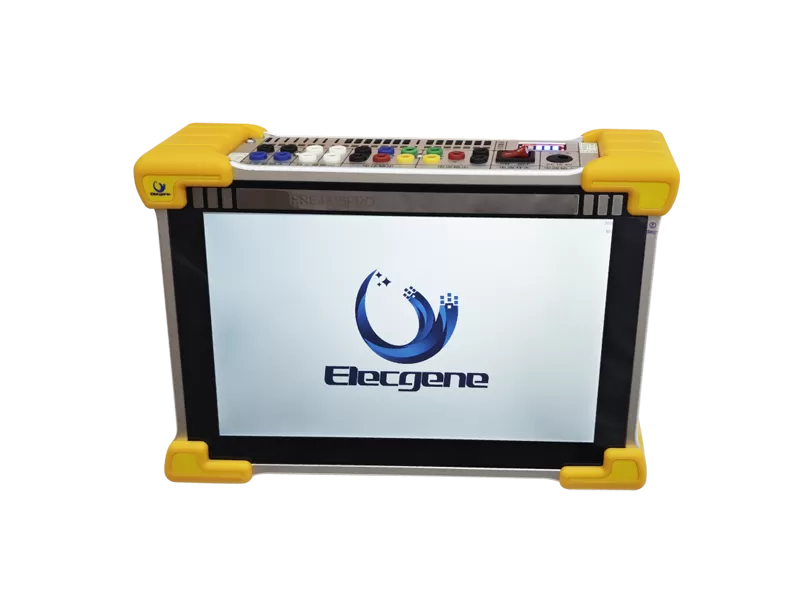

PRE 431S PRO Hand-held Relay Test System

PRE 431S PRO Hand-held Relay Test System

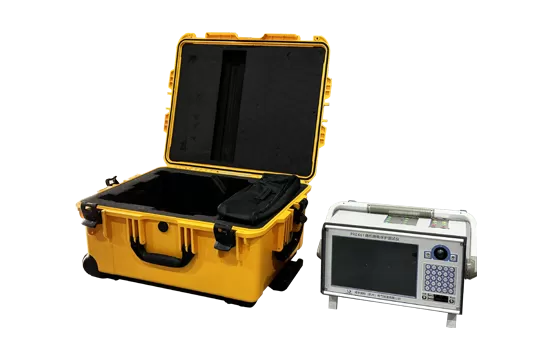
The PRE 431S pro Hand-held Relay Test System is the engineer’s ultimate toolbox that addresses the increasing need for three-phase testing capability in electrical distribution substations, renewable power generation stations and industrial applications.


  • Stand-alone functionality

  • Light weight and portable, just 3.2kg

  • 10.1" industrial Hi-bright touch screen

  • Individually 3 current & 4 voltage sources

  • Built-in lithium battery, convenient for outdoor use


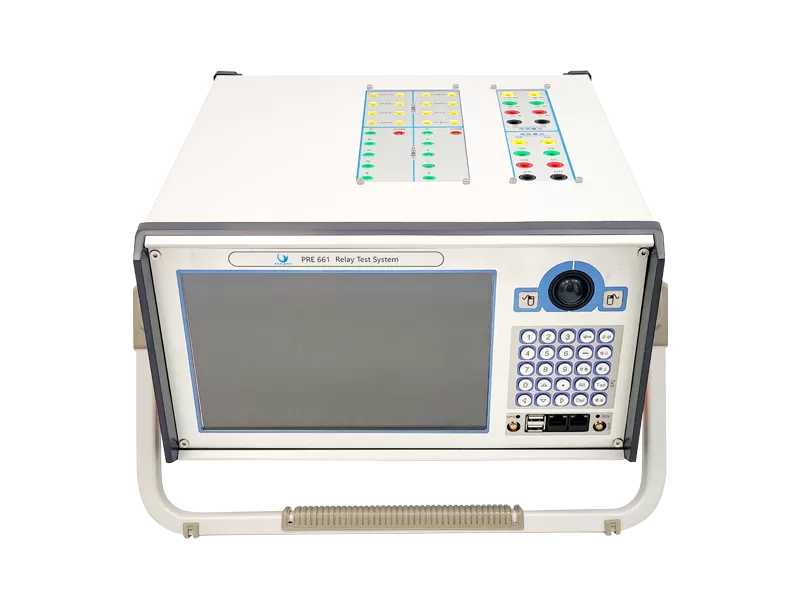
PRE 661 6 Current and 6 Voltage Relay Test System

PRE 661 6 Current and 6 Voltage Relay Test System

The internal modular design of the instrument can independently complete the testing and debugging of devices and components in the professional fields of relay protection, excitation, metering, wave recording, etc.


  • Easy to use

  • Integrated design

  • Light weight and portable

  • Manual and PC remote control

  • Excellent software provides great visuals and simple setup


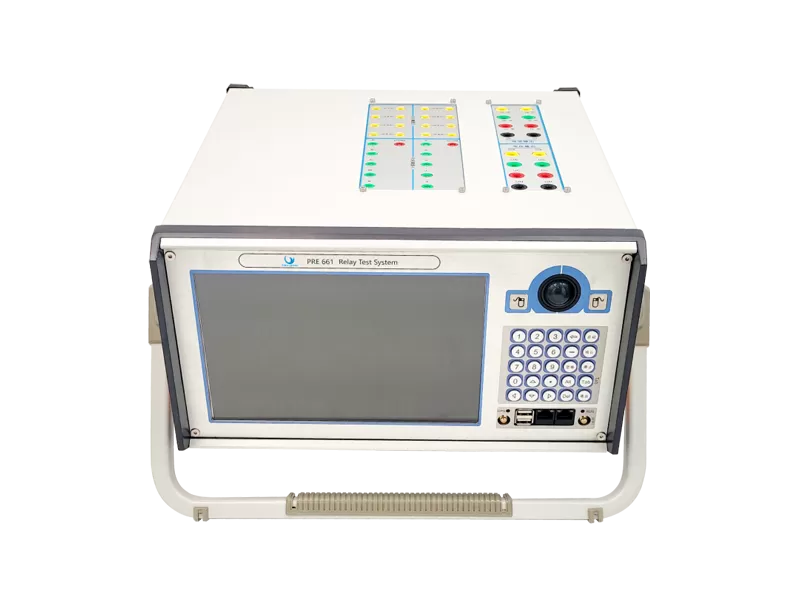
PRE 431 3 Current and 4 Voltage Relay Test System

PRE 431 3 Current and 4 Voltage Relay Test System

PRE-431 3 Current and 4 Voltage Relay Test System has high-performance current and voltage output and can meet the test needs of distribution substations, renewable energy systems and industrial applications. It helps engineers conduct relay tests reliably and save time.


  • Easy to use

  • Integrated design

  • Lightweight and portable

  • Manual and PC remote control


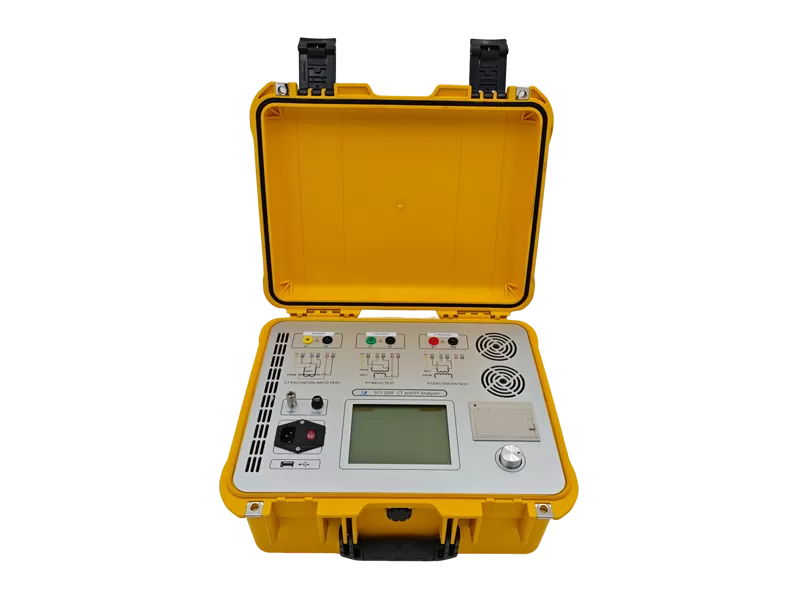
TCT-200F CT and PT Analyzer

TCT-200F CT and PT Analyzer

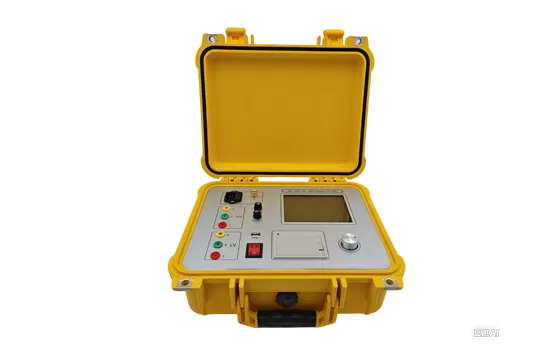
The TCT-200F test set is a lightweight, robust, portable unit capable of testing saturation, ratio, polarity, winding resistance tests on CT and PT.


  • Portable design

  • Fast test(<1min)

  • CT kneepoints up to 60 kV

  • Ability to test both CT and PT

  • Performs secondary burden tests

  • Easy to use one-button automated test plans


FAQs about Relay Protection Tester

What is protection relay testing?

Protection relay testing is the process of using a relay test set to inject simulated power system fault conditions and switching state signals into a protective relay device. The purpose is to verify whether the relay can accurately, reliably, and quickly detect faults and issue trip or alarm commands according to its preset settings and logic.


The testing process generally includes two types: individual relay testing and end-to-end / system trip testing. It is used to verify whether the protection functions operate correctly and whether the configured settings are accurate.

Why is relay testing critical for power system safety?

1.It enables early detection of hidden defects such as relay aging, component failure, wiring errors, incorrect settings, or logic configuration issues, helping prevent protection maloperation or failure to trip during actual faults.

2.It helps avoid unnecessary tripping that could lead to large-scale power outages or unexpected equipment shutdowns, ensuring that primary equipment such as power grids, transformers, transmission lines, and generators are protected from damage caused by short circuits or overloads.

3.It ensures that, during fault conditions, protection systems can isolate the faulted section accurately and quickly, minimizing the affected area and preventing cascading failures across the power grid.

4.It meets mandatory requirements of power industry safety regulations and preventive maintenance standards, ensuring compliant and reliable grid operation.

What is secondary injection testing?

Secondary injection testing, also known as relay secondary injection testing, is a method in which simulated fault voltage and current signals are injected directly into the secondary circuits of current transformers (CTs) and voltage transformers (VTs) using a relay test set, without applying high voltage or high current to primary power equipment.


This method does not require de-energizing primary high-voltage equipment and is therefore widely used in field applications. It is a safe and efficient testing approach that allows comprehensive verification of relay settings, operating time, protection logic, and secondary circuit wiring integrity.

What faults can relay testing simulate?

Relay testing equipment can simulate a wide range of power system fault and abnormal operating conditions, including:


  • Short-circuit faults

Three-phase faults, phase-to-phase faults, single-line-to-ground faults, and double-line-to-ground faults.

  • Abnormal operating conditions

Overcurrent, overvoltage, undervoltage, overfrequency, underfrequency, zero-sequence overcurrent, and negative-sequence overcurrent conditions.

  • Other typical fault scenarios

Distance protection faults, differential protection faults, directional power faults, loss of excitation, reverse power flow, circuit breaker failure, and phase imbalance conditions.


It can also simulate switching operations such as breaker opening, closing, blocking, and alarm signals to verify complete protection logic and coordination.

How often should protection relays be tested?
  • Newly installed or modified relay protection systems must undergo full commissioning tests before being put into service.

  • Routine preventive maintenance testing is typically performed periodically depending on system criticality and applicable standards. Critical equipment such as transmission lines, power transformers, and busbar protection systems are usually tested every few years, while distribution systems may have longer intervals.

  • Special testing is required immediately after system faults, relay maloperations, setting changes, secondary circuit modifications, or hardware/software upgrades.

  • For modern intelligent relays with condition monitoring capabilities, condition-based maintenance may be applied to extend testing intervals; however, the maximum interval should still comply with applicable industry standards.

Request a Quote for Electrical Testing Equipment

Please tell us your testing requirements, application scenarios or project details, and our engineers will recommend the solution and quotation that suits you within 24 hours.

Contact Us
Address:
Xianheng Technology Building, No. 101 Xinghuang Alley, Gongshu District, Hangzhou, 310022, China.
Request a Free Quote
Get a Free Quote
Our representative will contact you soon.
* Your Name
* E-mail
* Phone/Whatsapp
Company
Country
* Message/Requirements
We use cookies to offer you a better browsing experience, analyze site traffic and personalize content. Part of the tracking is necessary to ensure SEO effectiveness,
By using this site, you agree to our use of cookies. Visit our cookie policy to learn more.
Reject Accept