Xianheng International (Hangzhou) Electrical Manufacturing Co., Ltd.
Circuit Breaker Testing Euipment

Circuit Breaker Tester

Circuit Breaker Testing Euipment Category
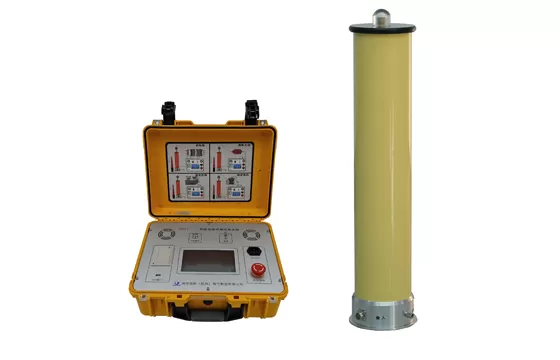
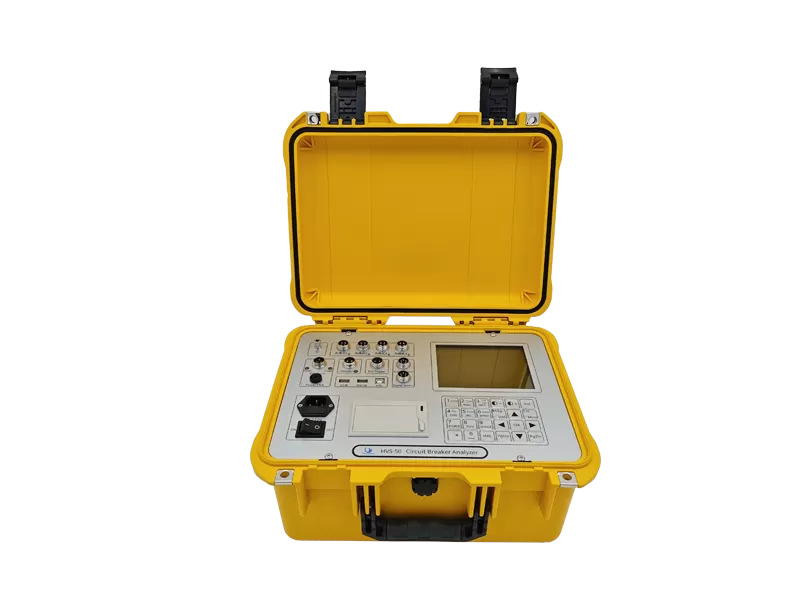
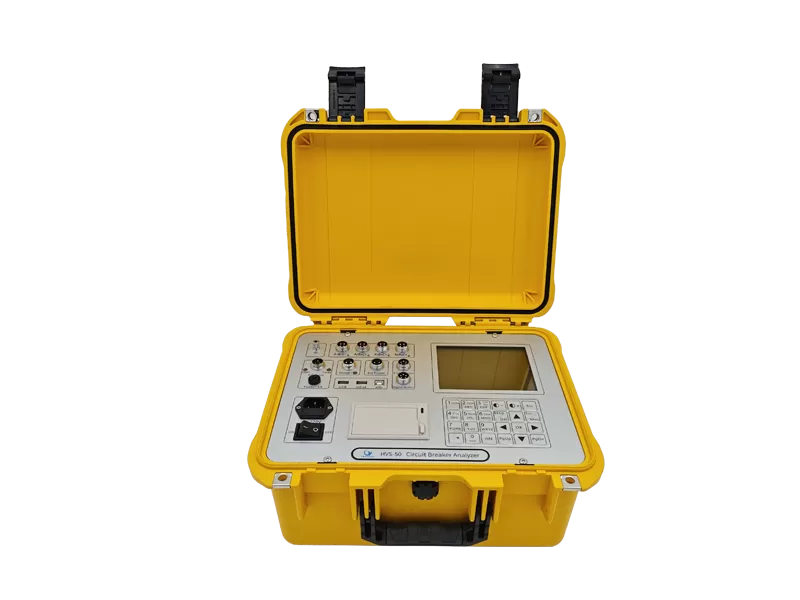
HVS-50 Circuit Breaker Analyzer

HVS-50 Circuit Breaker Analyzer

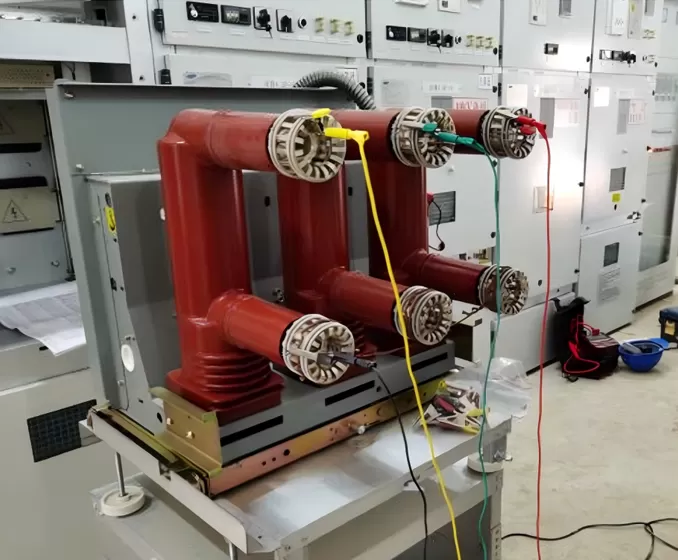
Easy to carry out complete tests on medium and high voltage circuit breakers. Analysis can be performed quickly, easily, automatically with only once connect to circuit breakers.


  • Timing and travel analyzer

  • Coil and motor supply of 2.4 kW

  • So many kinds of CB models inside the software

  • One step connect, nearly all test results can be get

  • Rotary, Linear and Universal transducer are all standard configuration
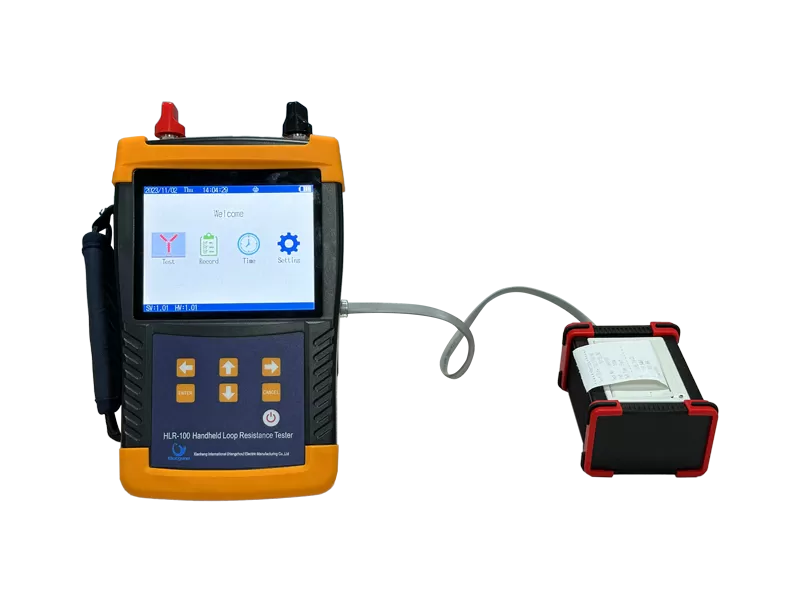
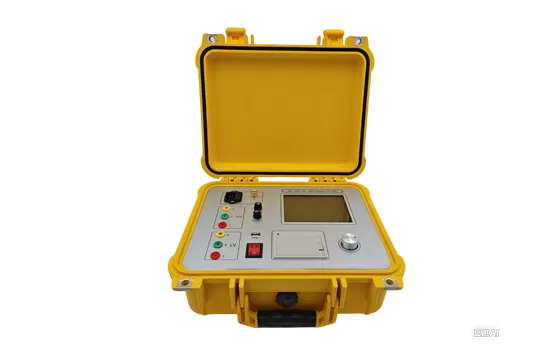
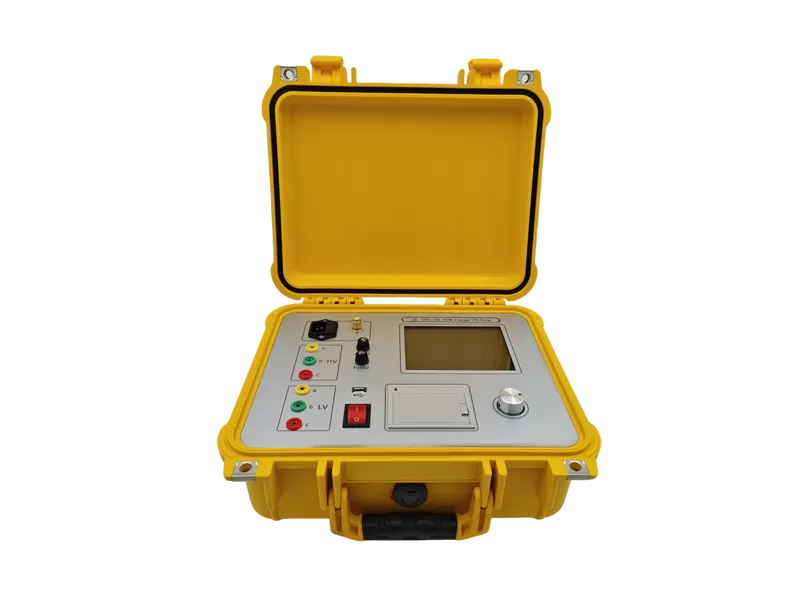
HLR-100 Hand-held 100A Micro-Ohmmeter

HLR-100 Hand-held 100A Micro-Ohmmeter

  • Easy-to-read display

  • High current and accuracy

  • Light weight,easy to carry out

  • Easy to get paper results on field

  • 30A-100A current output for different use

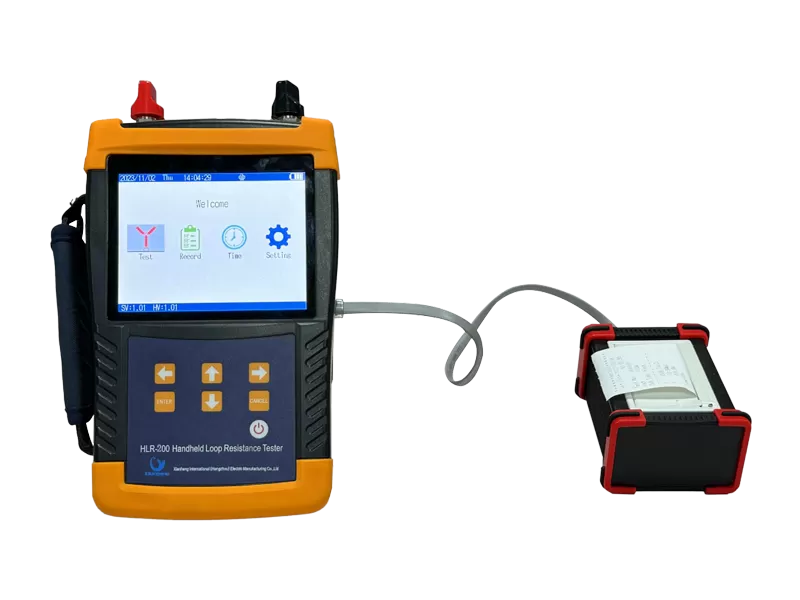
HLR-200 Hand-held 200A Micro-ohmmeter

HLR-200 Hand-held 200A Micro-ohmmeter

Weighing just 1.7kg and battery inside, the HLR-200 is capable of carrying out tests at currents up to 200A for 60s. With a measurement range of 0.1µΩ to 20mΩ, this makes it a convenient and time saving alternative.


  • Easy-to-read display

  • High current and accuracy

  • Light weight, easy to carry out

  • Easy to get paper results on field

  • 30A-220A current output for different use

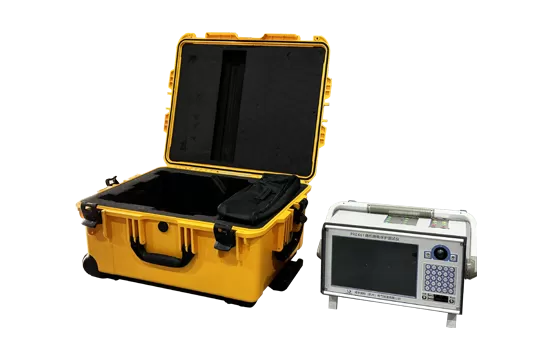
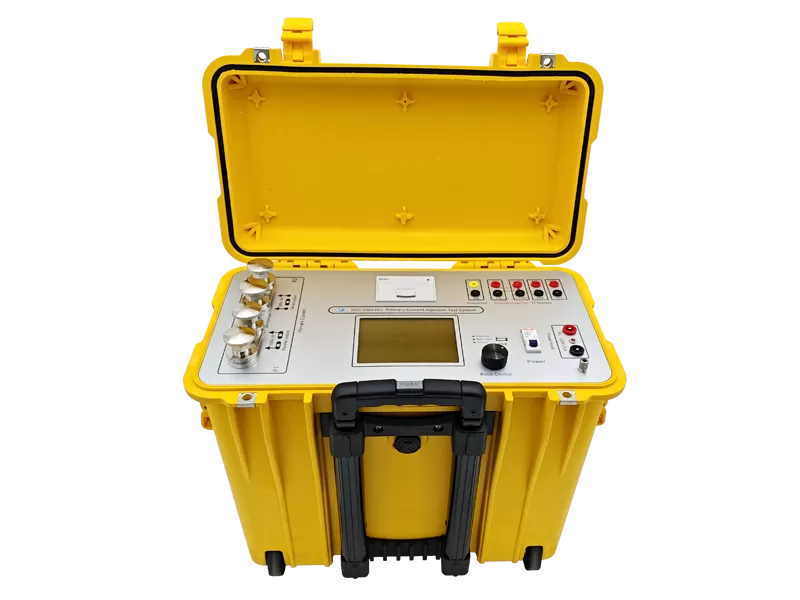
HCG-1000 Pro Primary Current Injection Test System

HCG-1000 Pro Primary Current Injection Test System

This powerful test system is designed for primary injection testing of protective relay equipment and circuit breakers. It is also used to test the turns ratio of current transformers and for other applications that require high variable currents.


  • Fully automatic test

  • Up to 1000A AC Max

  • 6 channels CT TTR test

  • Parallel or serial configuration

  • Portable, lightweight, and trolley case design, easy to carry

HVS-50T Circuit Breaker Analyzer

HVS-50T Circuit Breaker Analyzer

Easy to carry out complete tests on medium and high voltage circuit breakers. Analysis can be performed quickly, easily, automatically with only once connect to circuit breakers.


  • Timing and travel analyzer

  • Coil and motor supply of 2.4 kW

  • Support PIR(Pre-insertion resistor) function

  • So many kinds of CB models inside the software

  • One step connect, nearly all test results can be get


FAQs about Circuit Breaker Testing Euipment

What is circuit breaker testing?

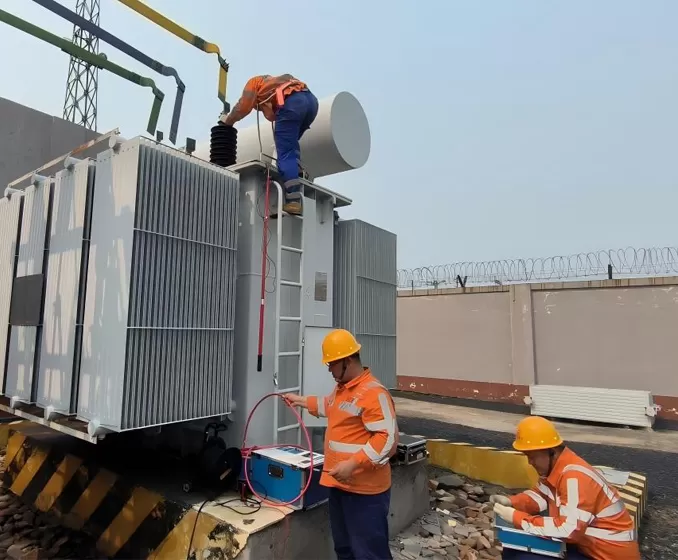
Circuit breaker testing is a series of diagnostic and verification tests performed using dedicated test equipment to evaluate the mechanical and electrical performance of a circuit breaker.


It typically includes mechanical characteristic testing, contact resistance testing, coil (opening/closing) circuit testing, and insulation testing. By collecting and analyzing key operational parameters, the test verifies whether the circuit breaker can operate reliably, maintain proper three-phase timing, ensure conductive path integrity, and meet insulation requirements.


The purpose is to confirm that the circuit breaker can quickly and reliably interrupt short-circuit currents under fault conditions and ensure safe operation of the power system.

Why test circuit breakers?
  • It helps identify potential issues such as operating mechanism sticking, spring fatigue, shaft wear, coil aging, contact erosion, and loose wiring, preventing failure to open or close during operation.

  • It reduces the risk of poor contact causing overheating, contact burning, fire hazards, equipment damage, or large-scale power outages.

  • It ensures that the circuit breaker can trip quickly and synchronously across all phases during short-circuit faults, effectively isolating faulty sections and minimizing system impact.

  • It verifies compliance with factory specifications and power system maintenance standards, providing data support for condition-based maintenance and equipment replacement decisions.

  • It helps prevent cascading failures in the power grid caused by circuit breaker malfunction, ensuring the safety of personnel, primary equipment, and system stability.


What parameters are tested in circuit breakers?
  • Mechanical characteristic parameters: opening time, closing time, three-phase timing deviation, contact bounce time, opening/closing speed, travel, and overtravel.

  • Electrical circuit parameters: main circuit DC resistance, coil operating voltage, and coil resistance.

  • Insulation performance parameters: insulation resistance, power-frequency withstand voltage, and partial discharge.

  • Other test items:

For SF₆ circuit breakers: gas humidity, gas pressure, and leakage rate

For vacuum circuit breakers: vacuum integrity (vacuum degree) testing


How do you know if a circuit breaker is faulty?
  • From test results:

Excessively high contact resistance indicates contact erosion or poor contact condition.

Excessive three-phase timing deviation may cause switching surge or failure to interrupt faults.

Abnormal opening/closing coil voltage suggests coil aging or mechanical sticking.

Excessive contact bounce time accelerates contact wear and degradation.

  • From field observation and operation behavior:

Abnormal operating noise, mechanical sticking, failure to open/close properly, overheating during operation, frequent SF₆ gas replenishment, or gas leakage alarms.

  • From monitoring and protection signals:

Mismatch in breaker position signals, failure in spring charging, coil burnout alarms, or low gas pressure lockout indications.

  • During fault conditions:

Failure to operate or unintended operation during short-circuit events, leading to upstream protection tripping.


How often should circuit breakers be tested?
  • Newly installed, overhauled, or component-replaced circuit breakers must undergo full commissioning tests before being put into service.

  • Routine preventive maintenance testing is generally performed periodically depending on system voltage level and operating conditions. High-voltage transmission circuit breakers are typically tested every few years, while distribution and low-voltage breakers may have longer intervals.

  • Circuit breakers that experience frequent operations or fault interruptions must be tested immediately.

  • SF₆ circuit breakers should undergo annual testing of gas humidity and sealing performance.

  • In condition-based maintenance systems, test intervals may be extended based on online monitoring data, but must not exceed the maximum limits defined by applicable standards.


Are there any standards regarding circuit breaker testing?
  • Domestic standards: Including preventive test procedures for electrical equipment, high-voltage AC circuit breaker standards, and mechanical characteristic test guidelines for high-voltage switchgear. These define test items, limits, and methodologies.

  • International standards: IEC standards, as well as ANSI and IEEE standards, widely used for overseas projects in equipment acceptance and maintenance testing.

  • Manufacturer specifications: Circuit breaker manufacturers’ technical requirements, which serve as the primary reference for factory acceptance and field commissioning tests. All measured results must comply with allowable tolerances defined by these standards.


When should a circuit breaker be tested?
  • Before commissioning after new installation, expansion, overhaul, or replacement of key components such as operating mechanisms, arc chambers, contacts, or coils.

  • During routine preventive maintenance cycles as part of scheduled outage inspections.

  • After short-circuit interruptions or frequent switching operations.

  • When abnormal conditions occur during operation, such as alarms, abnormal noise, overheating, gas leakage, or spring charging failure.

  • During secondary system modifications or protection system functional testing, where breaker operation must be verified.

  • Before decommissioning, equipment transfer, leasing handover, or ownership change inspections.


Request a Quote for Electrical Testing Equipment

Please tell us your testing requirements, application scenarios or project details, and our engineers will recommend the solution and quotation that suits you within 24 hours.

Contact Us
Address:
Xianheng Technology Building, No. 101 Xinghuang Alley, Gongshu District, Hangzhou, 310022, China.
Request a Free Quote
Get a Free Quote
Our representative will contact you soon.
* Your Name
* E-mail
* Phone/Whatsapp
Company
Country
* Message/Requirements
We use cookies to offer you a better browsing experience, analyze site traffic and personalize content. Part of the tracking is necessary to ensure SEO effectiveness,
By using this site, you agree to our use of cookies. Visit our cookie policy to learn more.
Reject Accept