Xianheng International (Hangzhou) Electrical Manufacturing Co., Ltd.
Transformer Integrity Testing Tool

Transformer Integrity Testing Tool

Request Quotation
Transformer Integrity Testing Tool Category
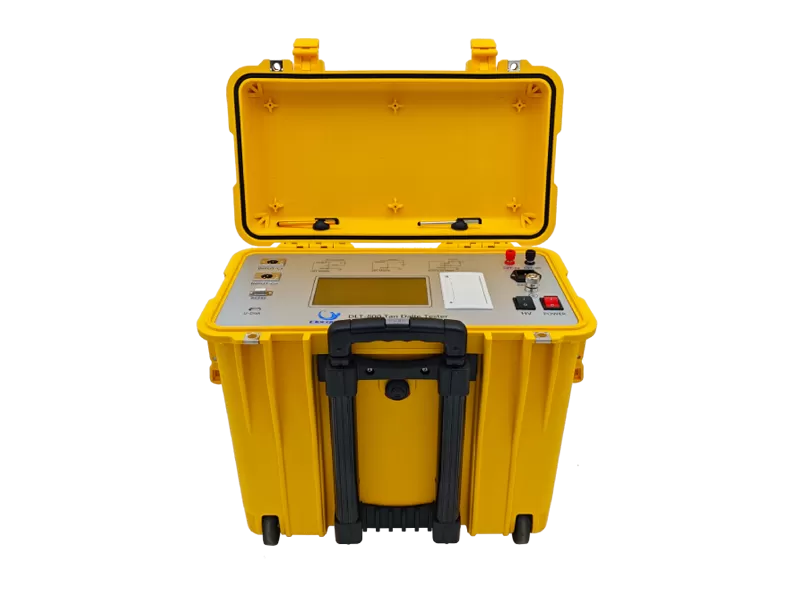
DLT-800 Tan Delta Test System (12kV)

DLT-800 Tan Delta Test System (12kV)

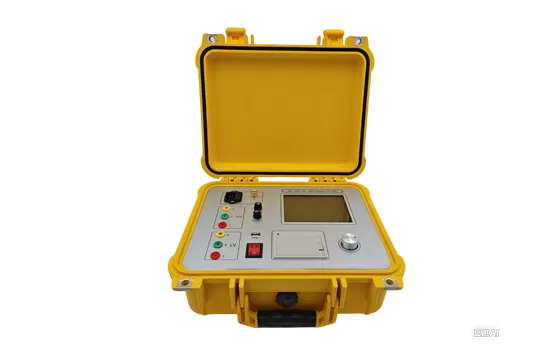
The DLT-800 is an automatic 10kV (12kV can be customized)insulation power factor/dissipation factor (tan∂) test set designed for immediate condition assessment of electrical insulation.


  • Power factor/tan delta

  • Compact and rugged all-in-one test set

  • Wider frequency range for more sensitivity (40 -70 Hz)

  • Testing at variable frequencies for better condition diagnosis

  • Portable, lightweight, and trolley case design, easy to carry


FAQs about Transformer Integrity Testing Tool

What tests are used to assess transformer condition?

The main transformer condition assessment tests can be classified into electrical tests, oil tests, and insulation tests. Common test items include:


1.Winding DC resistance test: Used to detect poor contact, open circuits, or loose connections in windings and tap changers.

2.Transformer turns ratio (TTR) and vector group test: Used to identify issues such as inter-turn short circuits, incorrect tap positions, and wiring connection errors.

3.Insulation resistance, absorption ratio, and polarization index tests: Used to evaluate moisture ingress, aging, or deterioration of insulation between high/low voltage windings and ground.

4.Dissipation factor (tan δ) test: Used to detect insulation oil-paper aging, partial moisture contamination, and insulation degradation.

5.No-load loss and no-load current test: Used to detect core multi-point grounding and inter-turn short circuit faults.

6.Load loss test: Used to identify issues such as poor winding contact, overheating of leads, and winding deformation.

7.Dissolved Gas Analysis (DGA): Used to identify potential internal faults such as overheating, discharge, arcing, and partial discharge through gas components in transformer oil.

8.Partial discharge test: Used to detect early-stage insulation defects such as internal breakdown and void discharge.

9.Winding deformation test (frequency response method / impedance method): Used to determine whether windings have shifted, deformed, or collapsed after short-circuit impact.

10.Applied voltage withstand and induced voltage withstand tests: Used to verify the dielectric strength of main and longitudinal insulation and identify weak insulation points.


What is transformer integrity testing?

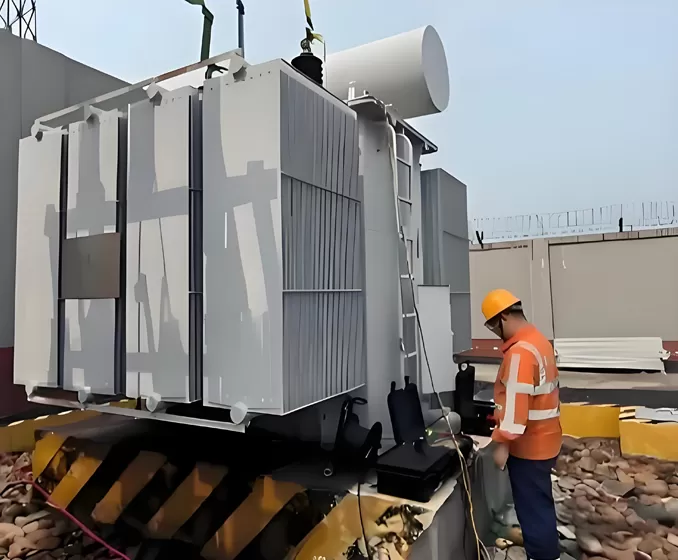
Transformer integrity testing is a systematic and comprehensive testing process used to evaluate the electrical performance, insulation condition, mechanical structure, and physicochemical properties of transformer oil.


It is typically performed during factory acceptance, commissioning and acceptance, periodic preventive maintenance, post-repair inspection, or after abnormal operating conditions such as short circuits or lightning strikes.


This testing process uses a combination of electrical tests, oil analysis, and non-destructive testing methods to comprehensively verify the condition of key transformer components such as windings, core, insulation system, tap changer, and leads. It ensures that the transformer has no damage, moisture ingress, aging, deformation, or hidden internal faults, and determines whether the transformer is safe and reliable for long-term operation. It also helps identify early potential defects and prevents unexpected outages, fires, or catastrophic failures.

What faults can be detected in transformers?

(1) Winding-related faults

1.Inter-turn, layer, or phase-to-phase short circuits in windings

2.Open circuits, loose connections, or poor contact at joints or leads

3.Insulation breakdown between high/low voltage windings and ground due to aging or moisture ingress

4.Winding displacement, twisting, deformation, or collapse caused by short-circuit stress

5.Unbalanced winding resistance and poor contact or burning of tap changer positions

(2) Core-related faults

1.Multiple grounding points in the core or damaged grounding strips

2.Damage to insulation between silicon steel laminations or local overheating of the core

3.Abnormal magnetic circuit conditions or excessive no-load loss

(3) Insulation system faults

1.Aging, moisture ingress, or deterioration of insulation paper, boards, and oil-paper insulation

2.Internal voids leading to partial discharge and potential insulation breakdown risks

3.Bushing cracking, moisture ingress, or discharge defects

(4) Thermal and discharge-related latent faults (can be predicted via DGA)

1.Local overheating in core, windings, or connections

2.Arcing discharge, spark discharge, and partial discharge

3.Oil degradation and thermal decomposition of insulating materials

(5) Other auxiliary component faults

1.Tap changer burning, incorrect positioning, or excessive contact resistance

2.Oil tank leakage or water ingress causing internal insulation moisture

3.Wiring connection errors, incorrect vector group, or abnormal turns ratio due to installation issues


Request a Quote for Electrical Testing Equipment

Please tell us your testing requirements, application scenarios or project details, and our engineers will recommend the solution and quotation that suits you within 24 hours.

Contact Us
Address:
Xianheng Technology Building, No. 101 Xinghuang Alley, Gongshu District, Hangzhou, 310022, China.
Request a Free Quote
Get a Free Quote
Our representative will contact you soon.
* Your Name
* E-mail
* Phone/Whatsapp
Company
Country
* Message/Requirements
We use cookies to offer you a better browsing experience, analyze site traffic and personalize content. Part of the tracking is necessary to ensure SEO effectiveness,
By using this site, you agree to our use of cookies. Visit our cookie policy to learn more.
Reject Accept