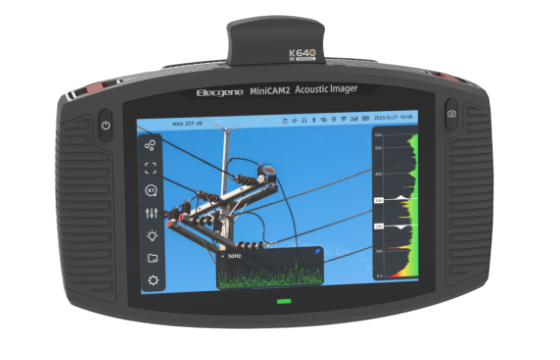
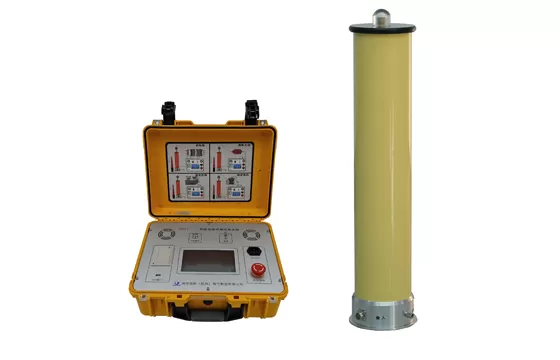
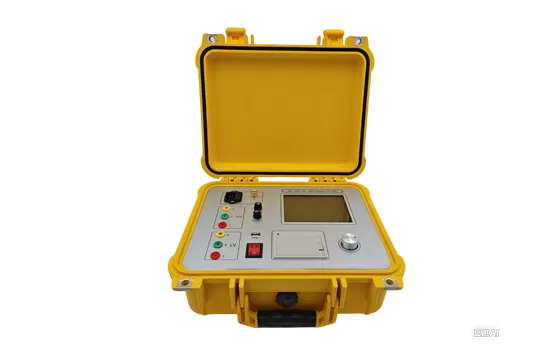
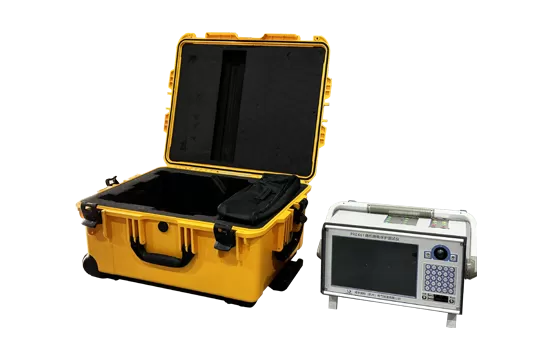
Transformers are among the most critical assets in modern power systems. Even a minor defect in insulation, winding connections, or tap changers can lead to costly outages, equipment damage, and safety risks.
According to industry studies, transformer failures account for a significant percentage of substation outages, and insulation-related defects remain one of the leading causes of transformer breakdowns. This is why comprehensive transformer testing is essential throughout manufacturing, commissioning, maintenance, and lifecycle management.For utilities, EPC contractors, transformer manufacturers, and testing service providers, selecting the right transformer testing equipment ensures compliance with international standards while improving reliability and reducing operational risk.
In this guide, we'll explore the most important power transformer testing equipment, testing procedures, applicable standards, and how companies like Elecgene help power industry professionals achieve accurate and efficient transformer diagnostics.
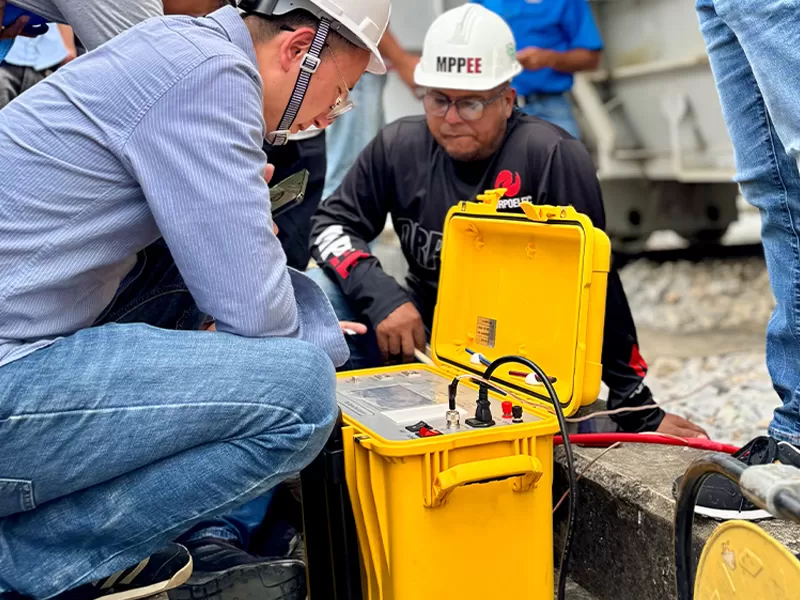
What Is Transformer Testing Equipment?
Transformer testing equipment refers to specialized instruments used to evaluate the electrical, mechanical, and insulation condition of power and distribution transformers throughout their lifecycle. These instruments verify whether a transformer complies with design specifications and international standards before entering service and help identify hidden defects during operation.
Typical transformer testing applications include:
Factory Acceptance Testing (FAT)
Site Acceptance Testing (SAT)
Preventive Maintenance
Condition Assessment
Asset Management Programs
Failure Investigation
The most commonly performed transformer tests include:
| Test Type | Purpose |
| Transformer Turns Ratio (TTR) | Verify winding ratio |
| Winding Resistance | Detect loose connections |
| Insulation Resistance | Assess insulation condition |
| Sweep Frequency Response Analysis (SFRA) | Detect mechanical displacement |
| Partial Discharge Testing | Identify insulation defects |
| Excitation Current Testing | Evaluate magnetic core condition |
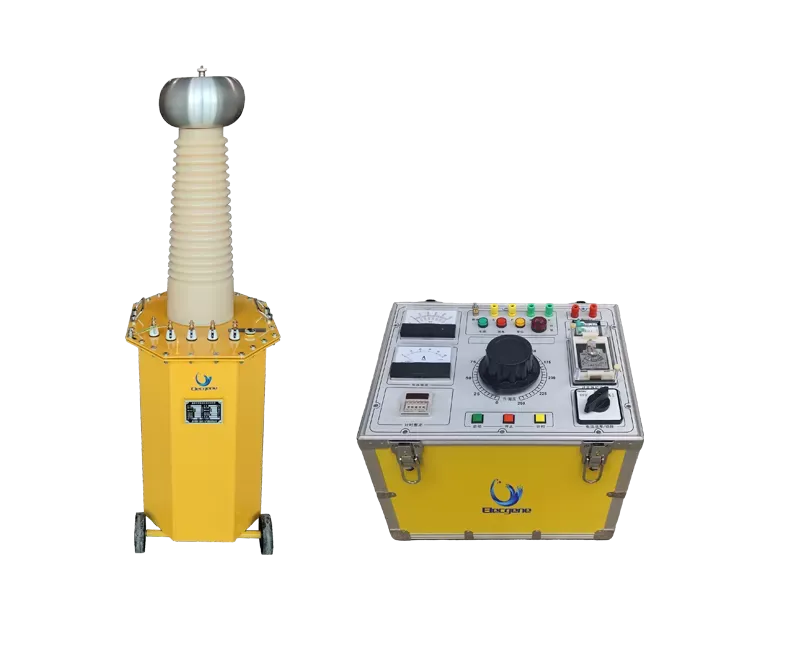
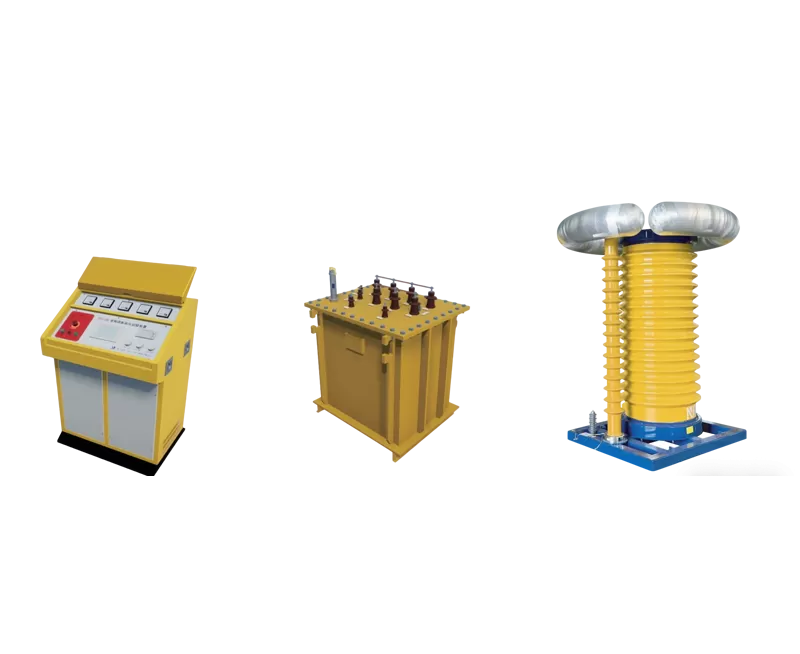
| Dielectric Testing | Verify insulation withstand capability |
International standards such as IEC 60076 and IEEE C57 define many of these testing requirements. According to IEC 60076, routine tests are required on every transformer before shipment.
Essential Transformer Testing Equipment and Their Functions
Essential transformer testing equipment includes instruments designed to verify transformer ratio, winding integrity, insulation performance, dielectric strength, and mechanical condition.
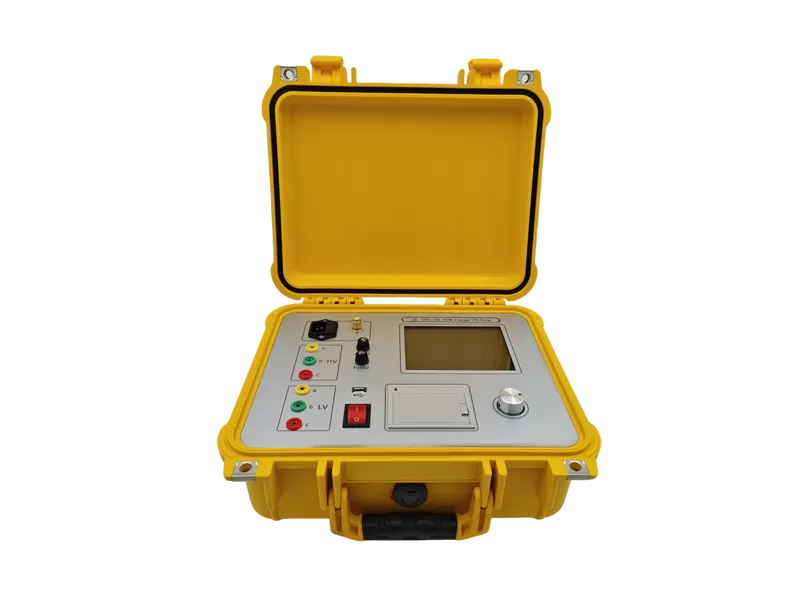
Transformer Turns Ratio (TTR) Tester
A TTR tester verifies the ratio between primary and secondary windings.
A deviation greater than the manufacturer's tolerance may indicate:
Industry practice commonly expects ratio accuracy within approximately ±0.5%
To learn more about the Transformer Turns Ratio Test, please refer to the following resources:
What is ratio test in transformer?
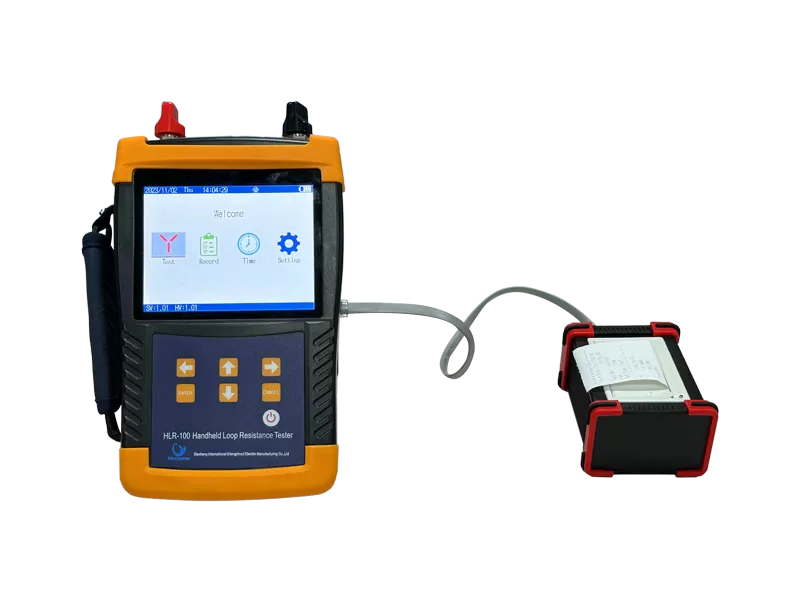
Winding Resistance Tester
Winding resistance testing measures DC resistance across transformer windings.
The test helps identify:
Loose connections
Defective tap changers
Damaged conductors
Poor solder joints
Utilities frequently perform winding resistance tests during commissioning and scheduled maintenance.
If you want to know more details about the winding resistance test of transformer, please read Transformer Winding Resistance Test Explained
Insulation Resistance Tester
Insulation resistance tester evaluates the health of transformer insulation systems.
The test measures resistance between:
Poor insulation resistance may indicate:
Moisture ingress
Insulation aging
Contamination
Insulation condition remains one of the most important indicators of transformer reliability.
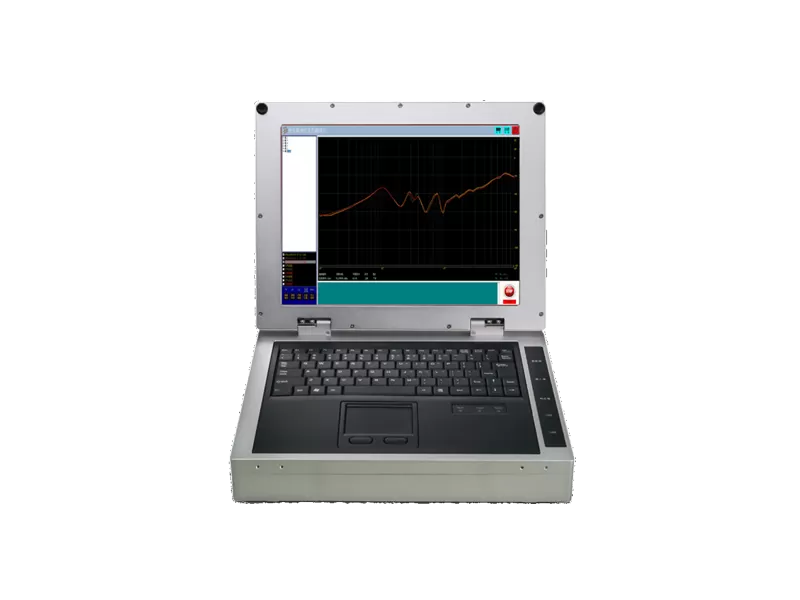
SFRA Analyzer
Sweep Frequency Response Analyzer (SFRA) is used to detect:
Many utilities now require SFRA testing before energization of large power transformers.
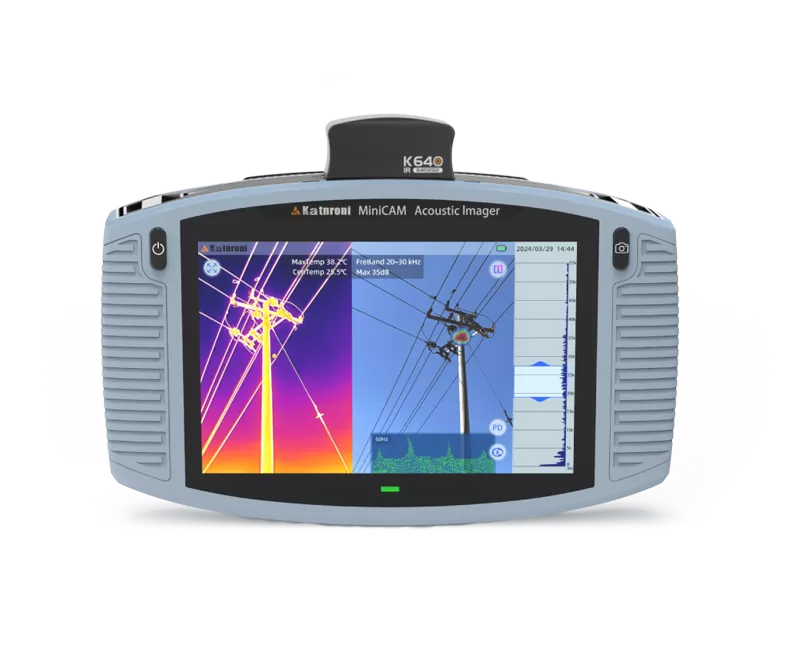
Partial Discharge (PD) Detection Equipment
Partial discharge testing identifies localized insulation defects before catastrophic failure occurs.
PD monitoring is increasingly used for:
Transformer Testing Standards Utilities and Manufacturers Must Follow
Transformer testing standards establish uniform procedures and acceptance criteria to ensure safety, reliability, and interoperability across global power systems.
The two most important standards are:
| Standard | Region | Application |
| IEC 60076 | Global | Power Transformers |
| IEEE C57 Series | North America | Power & Distribution Transformers |
Important Routine Tests
According to IEC 60076, common routine tests include:
| Routine Test | Required |
| Ratio Test | Yes |
| Winding Resistance | Yes |
| No-Load Loss Test | Yes |
| Load Loss Test | Yes |
| Applied Voltage Test | Yes |
| Induced Voltage Test | Yes |
How to Choose the Right Transformer Testing Equipment
The best transformer testing equipment depends on transformer size, testing objectives, applicable standards, and asset management strategy.
For Transformer Manufacturers
Manufacturers typically require:
These instruments support factory acceptance testing and compliance verification.
For Utilities
Utilities often prioritize:
Recommended instruments include:
For Service Companies
Testing service providers generally benefit from multifunction test platforms that reduce transportation costs and increase field efficiency.
When evaluating suppliers, consider:
Companies such as Elecgene provide transformer testing solutions designed for utilities, manufacturers, and electrical testing professionals worldwide.
Conclusion
Transformer testing equipment plays a critical role in ensuring transformer reliability, operational safety, and regulatory compliance. From turns ratio testing and winding resistance measurements to advanced diagnostics such as SFRA and partial discharge monitoring, each testing technology provides valuable insight into transformer condition.
For utilities, manufacturers, and testing service providers, investing in high-quality transformer testing instruments not only reduces failure risks but also improves asset management and maintenance efficiency. As power systems become increasingly complex, comprehensive transformer testing will remain a cornerstone of grid reliability.
FAQ
1. What is the most important transformer test?
There is no single most important test. Utilities commonly consider insulation resistance, winding resistance, and transformer turns ratio testing as fundamental diagnostic procedures.
2. How often should transformers be tested?
Routine inspections may occur annually, while major diagnostic testing is often performed every 3–5 years depending on transformer criticality.
3. What is a TTR test used for?
A Transformer Turns Ratio (TTR) test verifies that the voltage ratio between transformer windings matches design specifications.
4. Why is winding resistance testing important?
Winding resistance testing helps identify loose connections, damaged conductors, and tap changer problems before failures occur.
5. What standards govern transformer testing?
The most widely used standards are IEC 60076 and IEEE C57.
6. What equipment is required for transformer commissioning?
Typical commissioning tests include insulation resistance testing, winding resistance testing, TTR testing, SFRA testing, and dielectric verification depending on transformer voltage class.

 English
  日本語
日本語  한국어
한국어  français
  Deutsch
  русский
  português
  العربية