PART 1: Main Information of the On-Site Test
Test Date: 2025.8.27
On-site Tester: Gao Wenhao
Weather Conditions: Sunny
Test Location: A certain transformer factory
Basic On-site Information:
Test Sample Type: Transformer
Voltage Level: 10KV
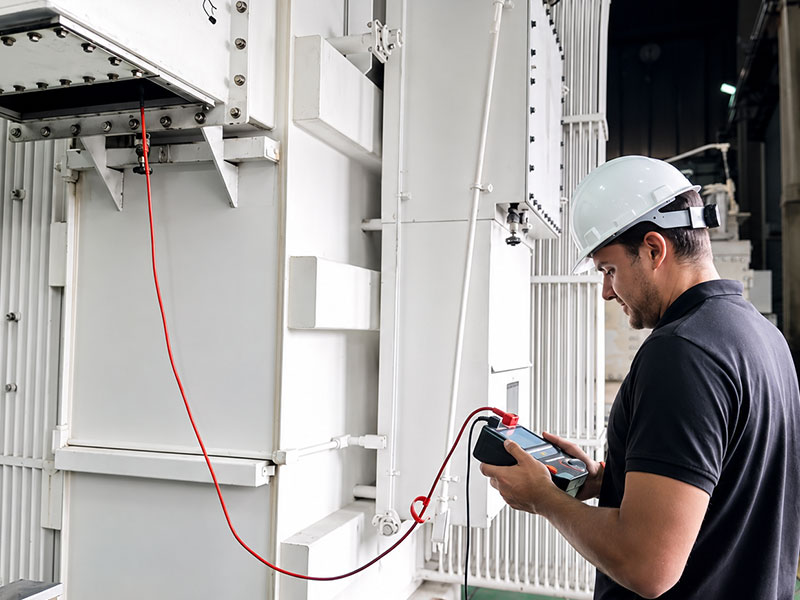
Test Items: Transformer turns ratio and vector group, DC resistance test
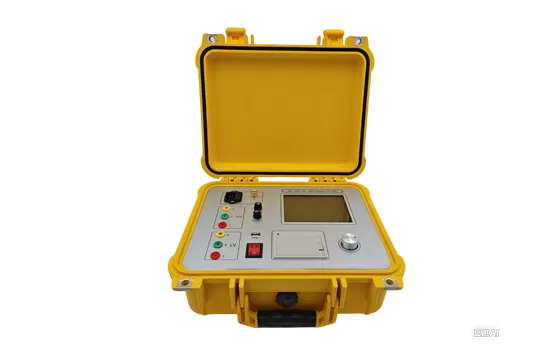
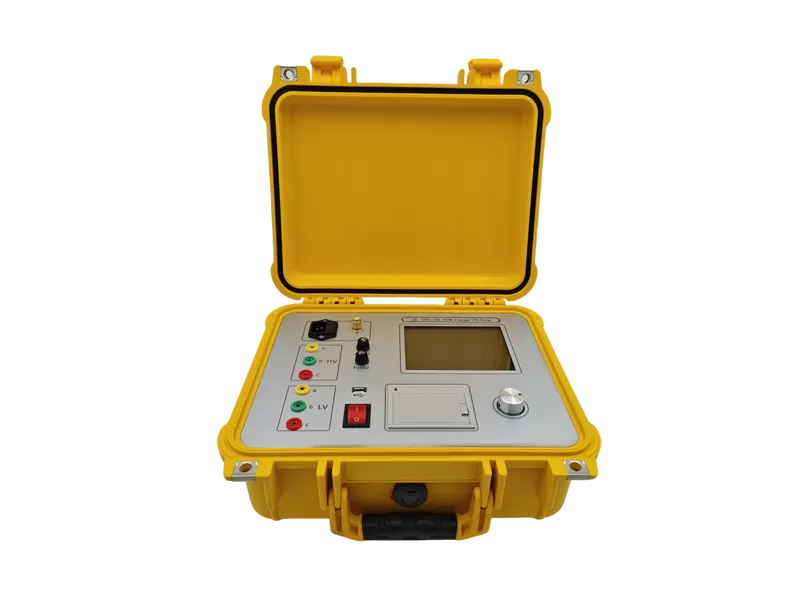
Instruments Used: HTRT-10 Handheld 3-phase TTR Test, HDC-10
Test Data: Yes
PART 2: Test Purpose
1. Turns Ratio and Vector Group Test: By measuring the transformer's voltage ratio, turns ratio, and vector group, it can reflect whether the number of turns of the transformer coil is correct, whether there is an inter-turn short circuit, and whether the transformer connections are correct, thereby judging the condition of the transformer winding.
2. Winding DC Resistance Test: The DC resistance test can detect whether there are broken strands or welding quality issues in the winding or lead wires, whether there is a short circuit between winding layers and turns, and can also verify whether the tap changer contacts are in good condition, etc.
PART 3: Test Process
Turns Ratio and Vector Group Test
1. Remove the busbars on the high and low voltage sides of the transformer, ensure the transformer casing and iron core are reliably grounded, ground the instrument reliably, and record the transformer nameplate parameters.
2. Fix the test clips to the corresponding high-voltage and low-voltage sides of the transformer (when attaching, rub back and forth to ensure good contact). Connect the other end of the test wires to the corresponding connection ports on the instrument: high-voltage side to high-voltage side, low-voltage side to low-voltage side.
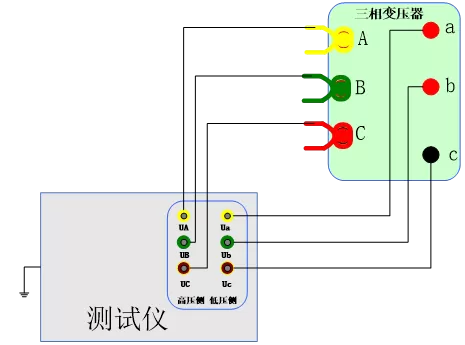
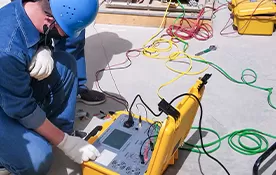
Figure 1: Test wiring diagram
3. Turn on the instrument switch, proceed with settings, and select the three-phase test. After selecting the test method, enter the parameter setting interface and configure the parameters according to the transformer nameplate (input the rated high and low voltage side voltages, rated tap, tap step, and vector group).
Winding DC Resistance Test
1. Remove the busbars on the high and low voltage sides of the transformer, ensure the transformer casing and iron core are reliably grounded, ground the instrument reliably, and record the transformer nameplate parameters.
2. Clamp the clips of the DC resistance tester to the corresponding transformer windings, and plug the current and voltage wire connectors at the other end of the test cables into the corresponding interfaces on the instrument.
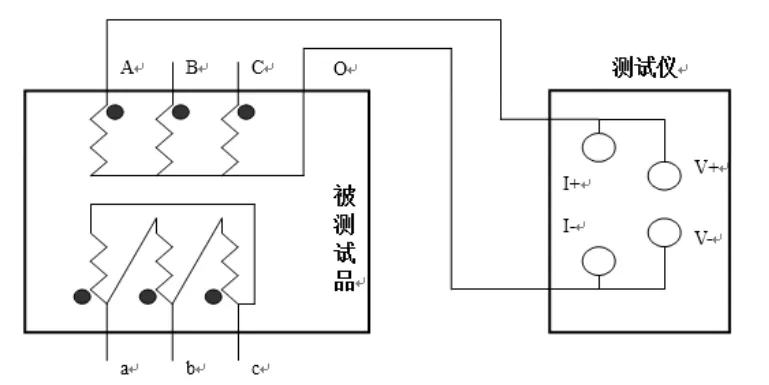
(Figure 2: Test wiring diagram)
3. Turn on the device to set the test parameters, including the test phase, test current, converted temperature, etc. Once the parameters are set, the test can begin.
PART 4: Test Standards
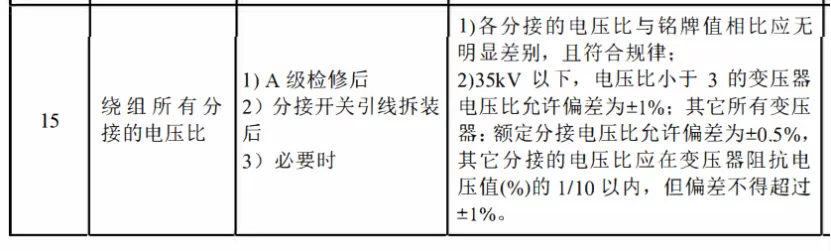
1. The turns ratio test standard is based on the provisions of the "Preventive Test Code for Electric Power Equipment DL/T 596-2021":
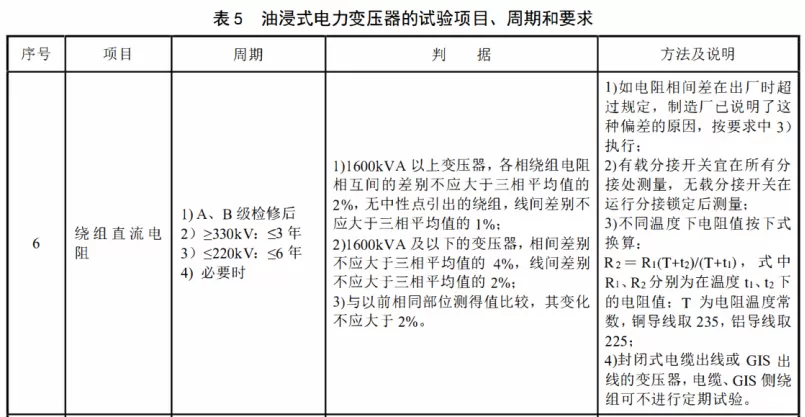
2. The winding DC resistance test standard is based on the provisions of the "Preventive Test Code for Electric Power Equipment DL/T 596-2021":
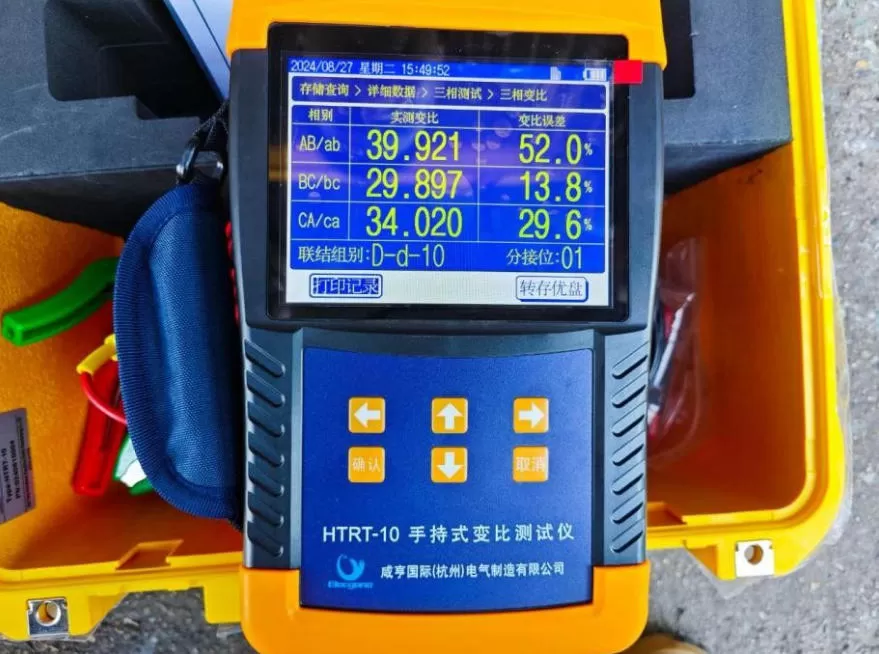
(Figure 3: Turns ratio and vector group test results)
In this test, the turns ratio exceeded the specified allowable deviation of ±0.5%, and the number of coil turns was incorrect, leading to the judgment that an inter-turn short circuit exists.
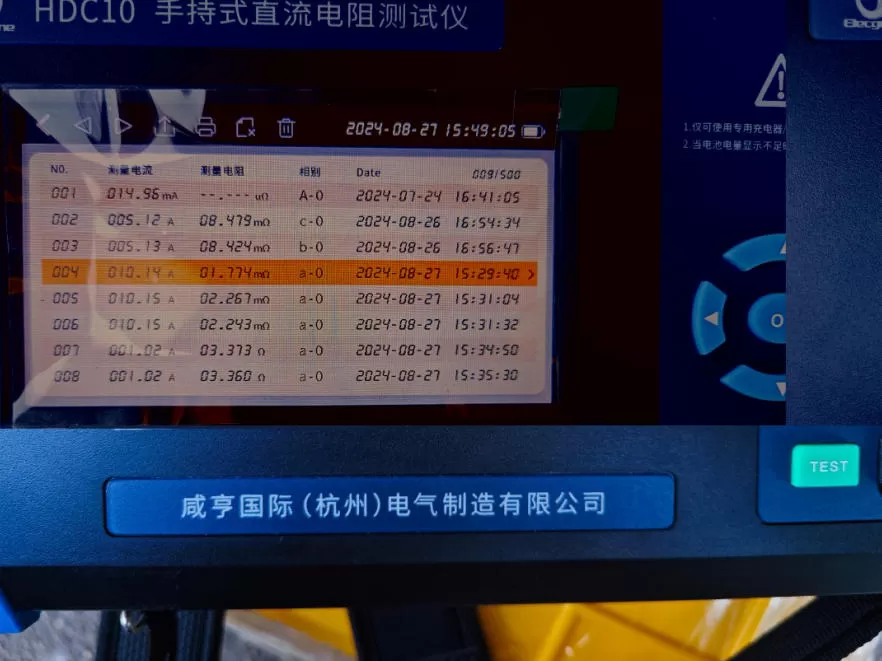
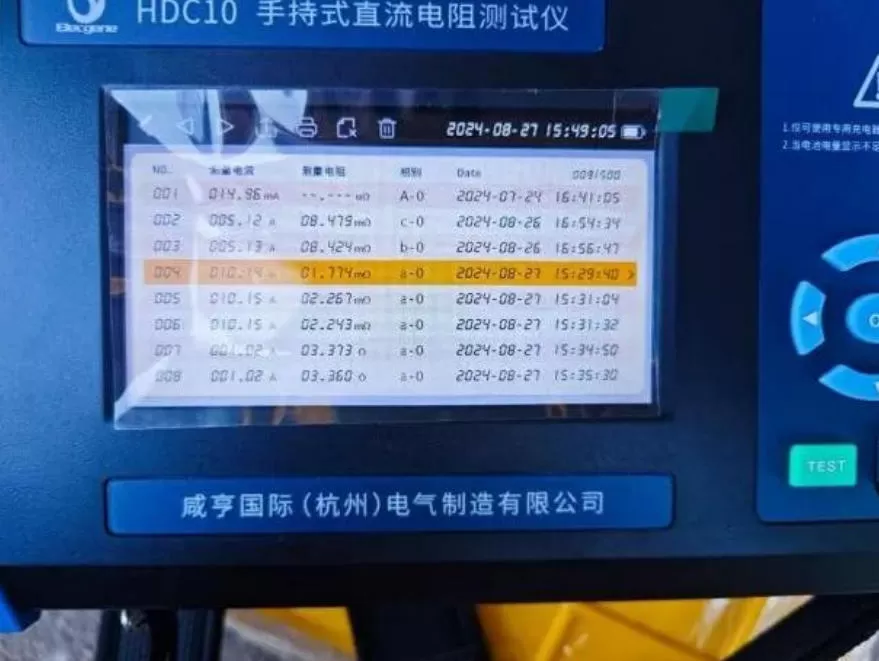
(Figure 4: DC resistance test results)
The DC resistance values of the three-phase windings on the low-voltage side are: 1.774mΩ, 2.267mΩ, and 2.243mΩ respectively, with an unbalance rate of 27.79%.
The DC resistance values of the three-phase windings on the high-voltage side are: 3.373Ω, 3.360Ω, and 3.311Ω respectively, with an unbalance rate of 1.87%.
The transformer connection method is Dyn, so the unbalance rate on the high-voltage side meets the requirements, while the unbalance rate on the low-voltage side exceeds the requirements, leading to the judgment that there is a problem with the low-voltage side winding.
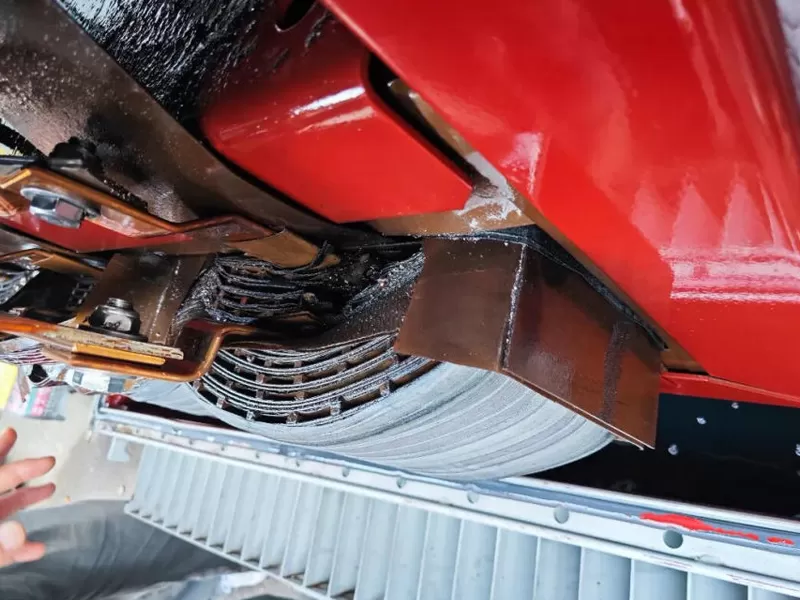
Subsequently, the transformer underwent core-lifting treatment. Upon inspection, it was discovered that the low-voltage side winding of the transformer was short-circuited.
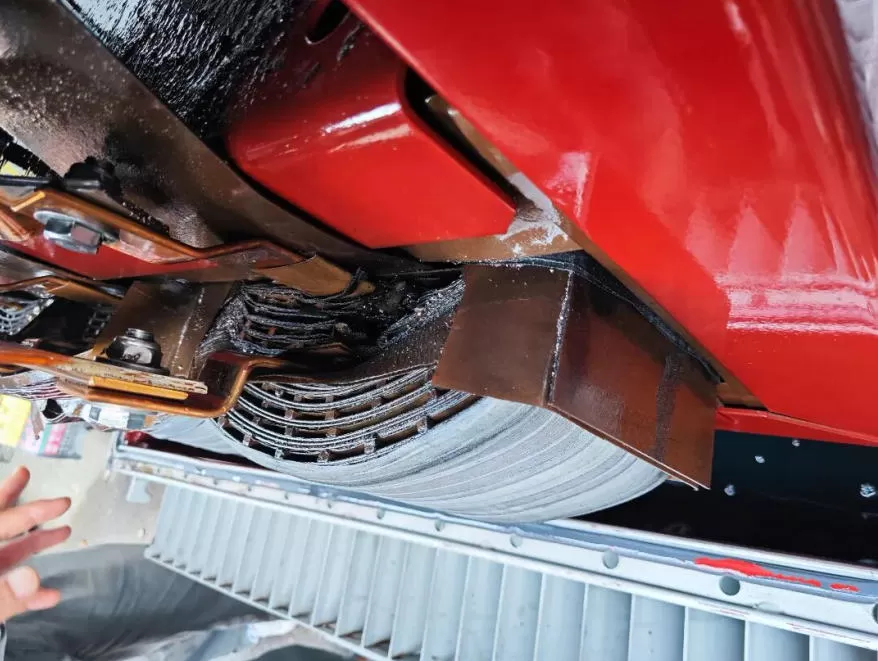
(Figure 5)
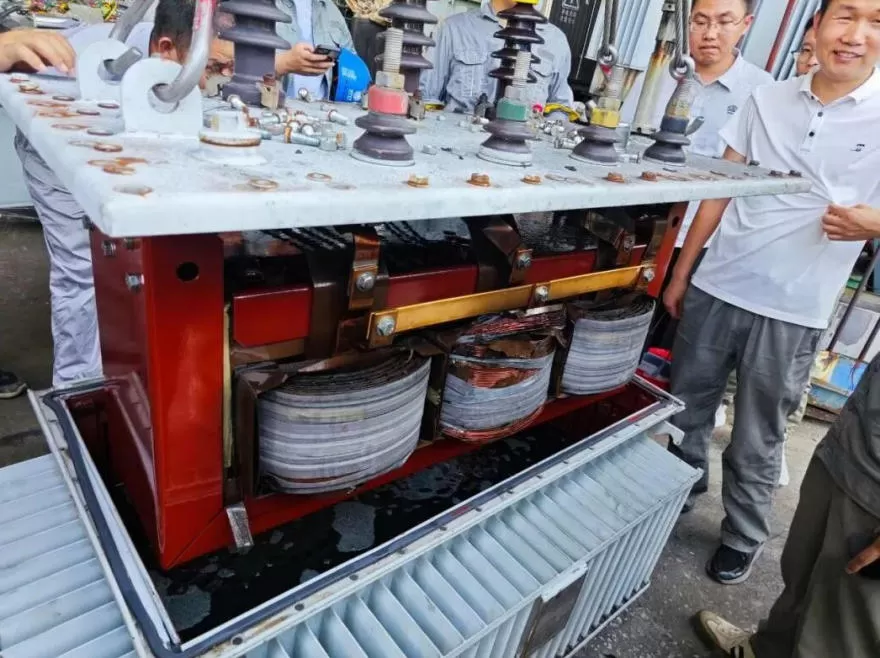
(Figure 6)

 English
  日本語
日本語  한국어
한국어  français
  Deutsch
  русский
  português
  العربية