PART 1: Main Information of the On-Site Test
Test Date: 2025/09/22
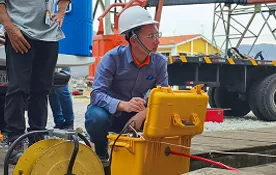
On-site Tester: Huo Qi
Weather Conditions: Sunny
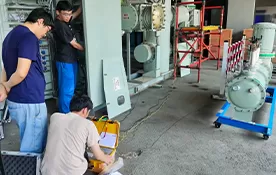
Test Location: A certain substation
On-site Situation: 20kV transformer
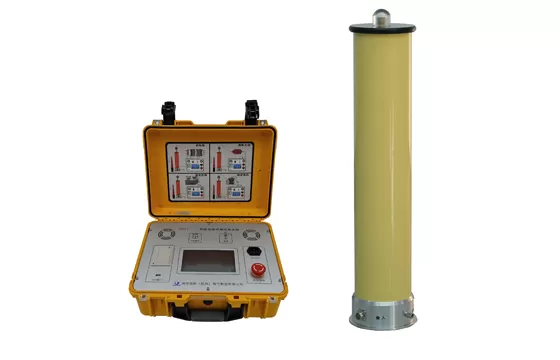
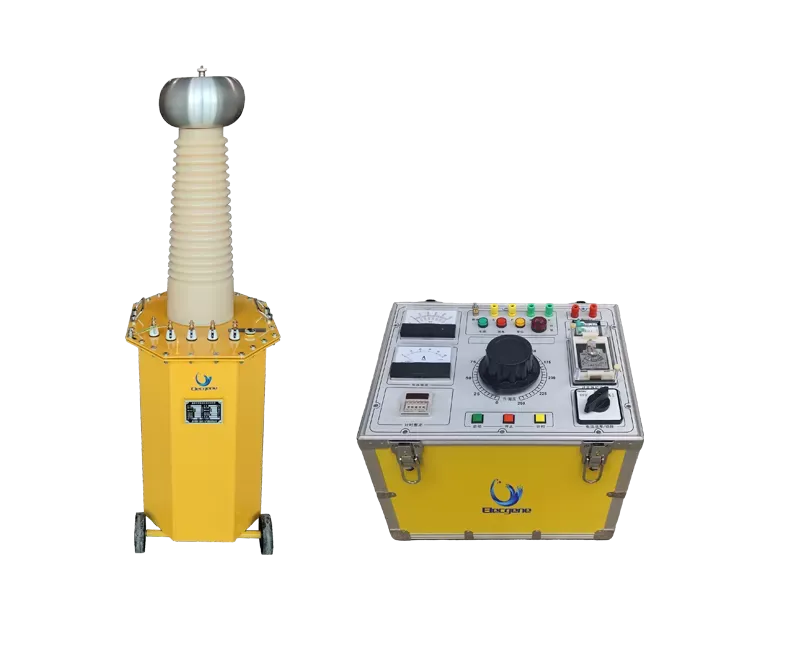
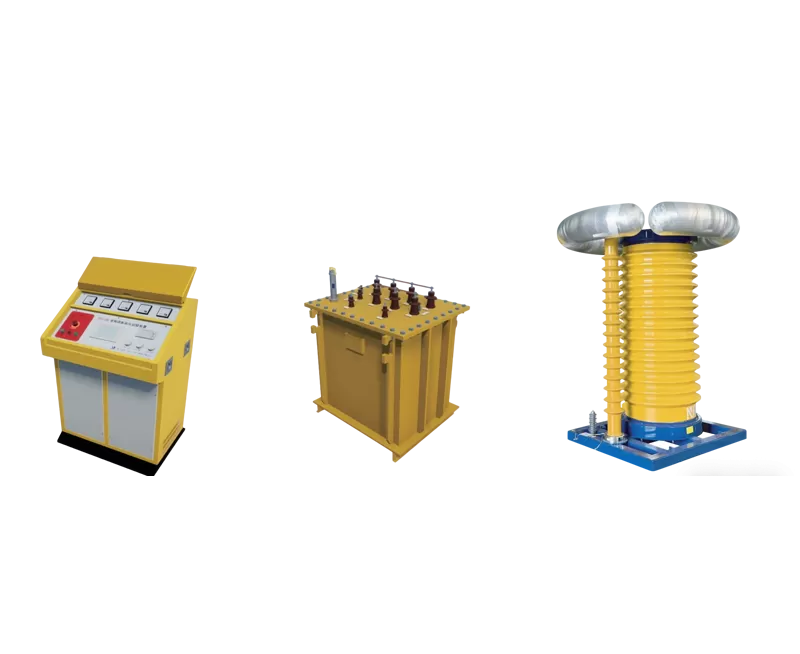
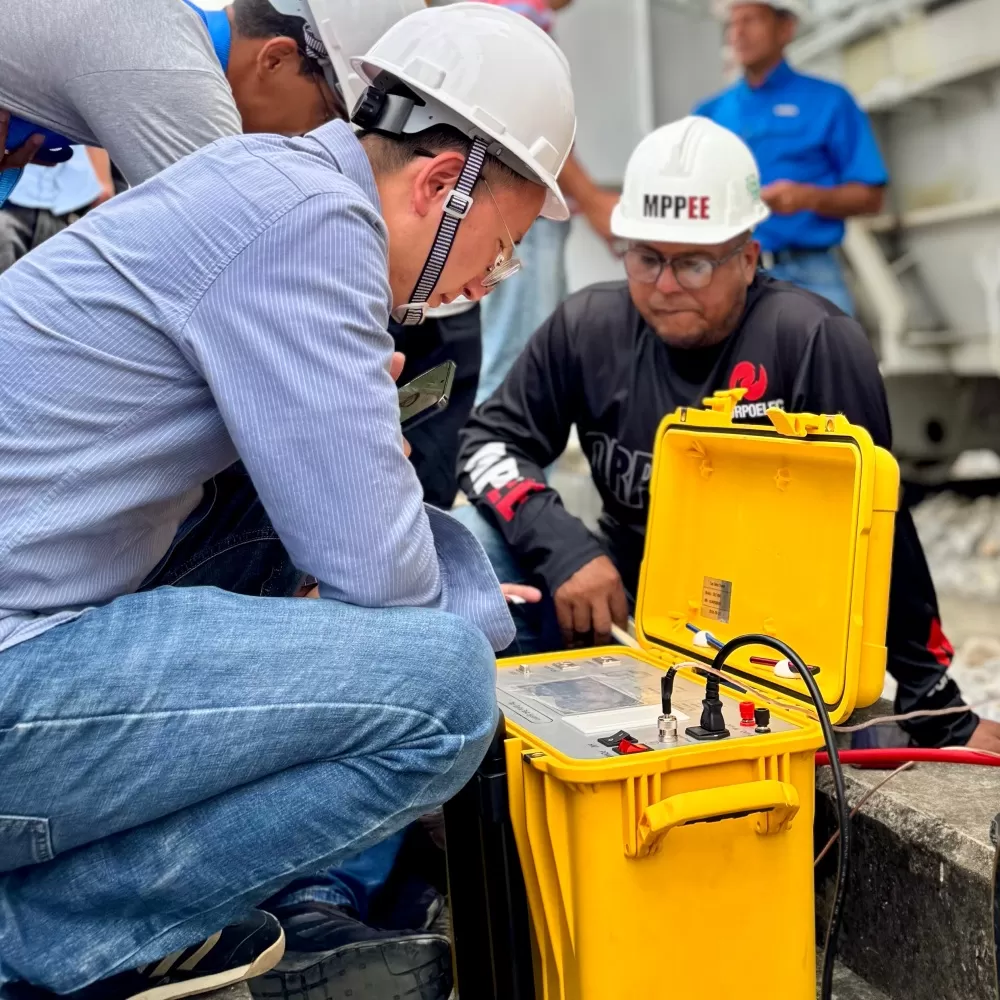
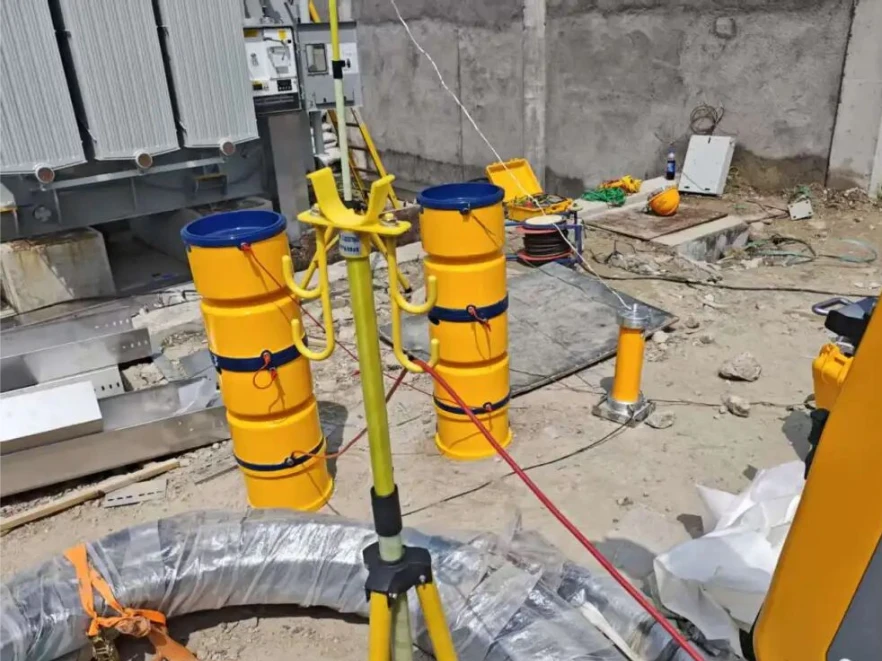
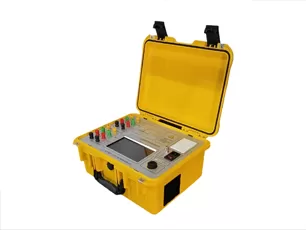
Instrument Used: Xianheng International ESR-800 Series Resonance Device Test Vehicle
Test Result: Qualified
Picture of On-site Test Instrument
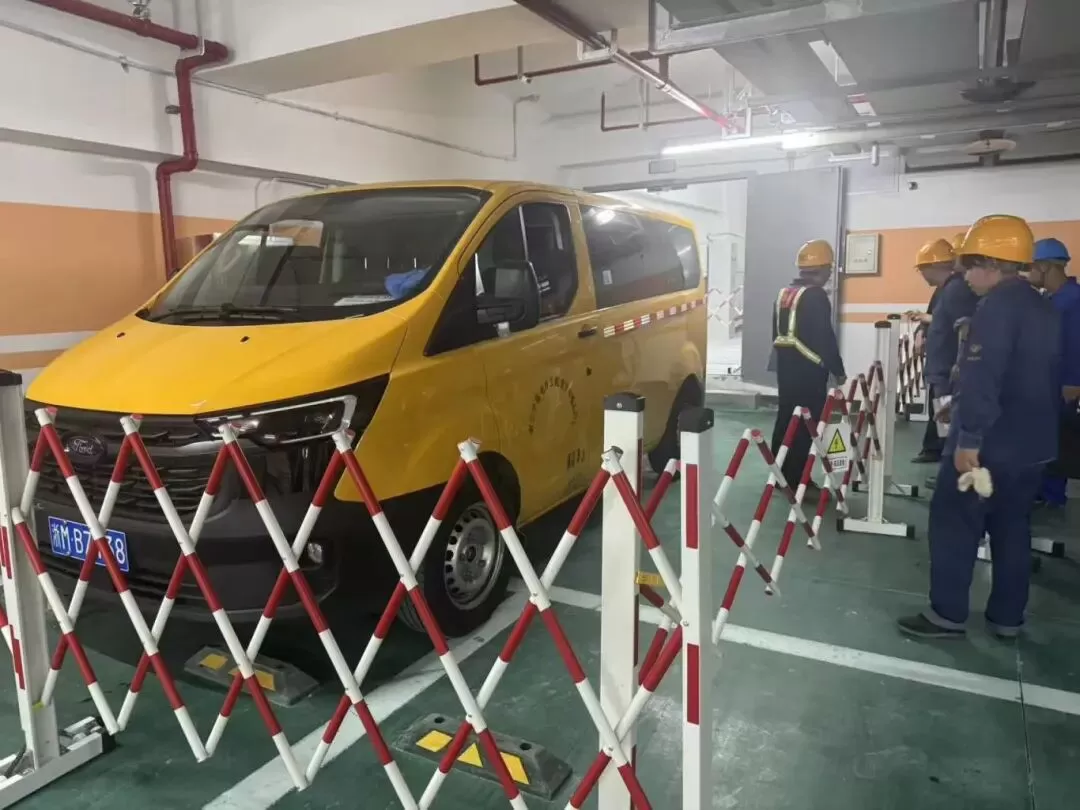
Figure 1: ESR-800 Series Resonance Device Test Vehicle
PART 2: Test Item
The transformer AC withstand voltage test is a testing method that directly checks the internal electrical insulation strength of the transformer by applying a power frequency test value higher than the rated voltage. It is mainly used to detect concentrated defects such as moisture, cracking, and looseness in the main insulation of the winding, and to prevent insulation accidents. Before the test, prerequisite tests such as insulation resistance and leakage current must be completed and ensured to be qualified. Graded insulation windings must be tested according to the lower insulation level, and the high voltage is generated by a test transformer or a series resonance circuit. The test lasts for 1 minute while monitoring for any abnormal phenomena.
PART 3: Test Preparation
Place the reactor and voltage divider in appropriate positions and properly connect the power cables, connection cables, and ground wires respectively. The protective ground wire, working ground wire, and the ground wire of the discharge rod should all be individually connected to the ground line of the test sample (i.e., single-point grounding).
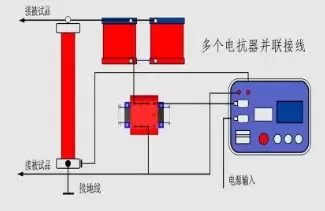
(Figure 2: Schematic Diagram of Reactors in Parallel)
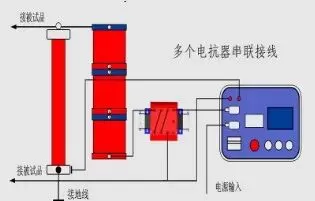
(Figure 3: Schematic Diagram of Reactors in Series)
PART 4: Test Procedure
Connect the wires correctly, and only supply power after checking and confirming there are no errors. The input line consists of 3 wires: all 3 wires are connected for three-phase AC 380V.
Set system parameters: voltage divider ratio, excitation transformer ratio, reactor inductance, date, and time.
Set test parameters: four setting items including test voltage, withstand voltage duration, frequency range, and excitation intensity.
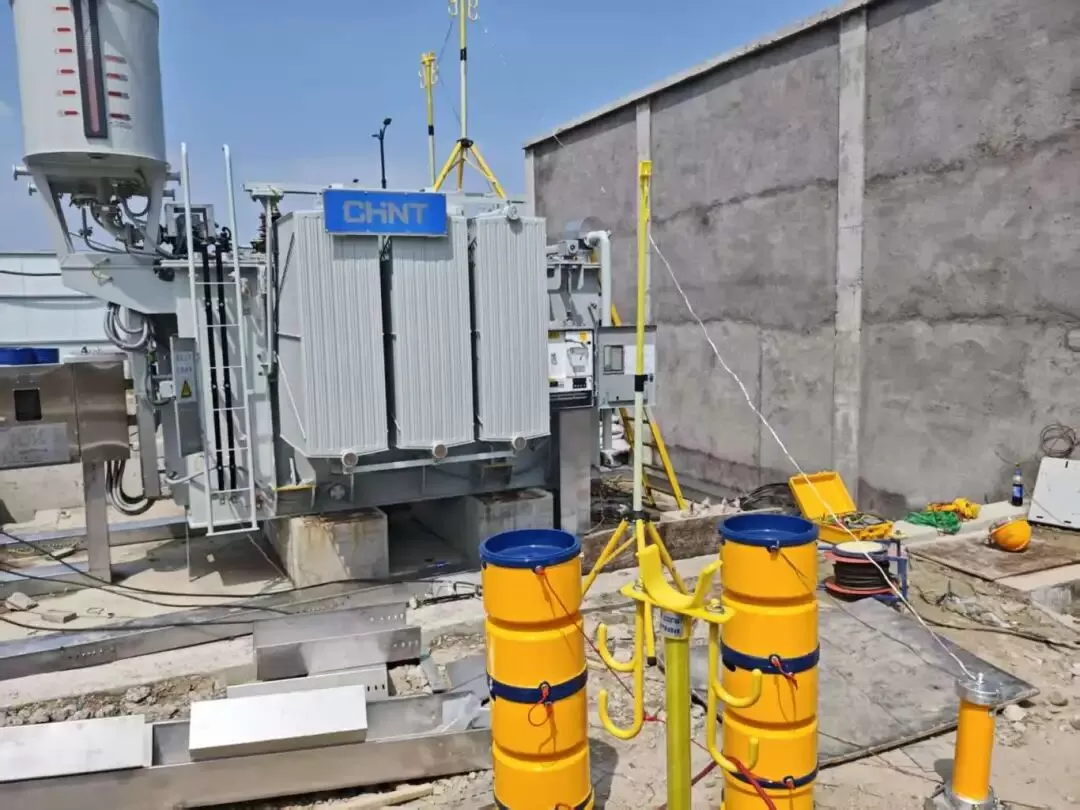
(Figure 4)
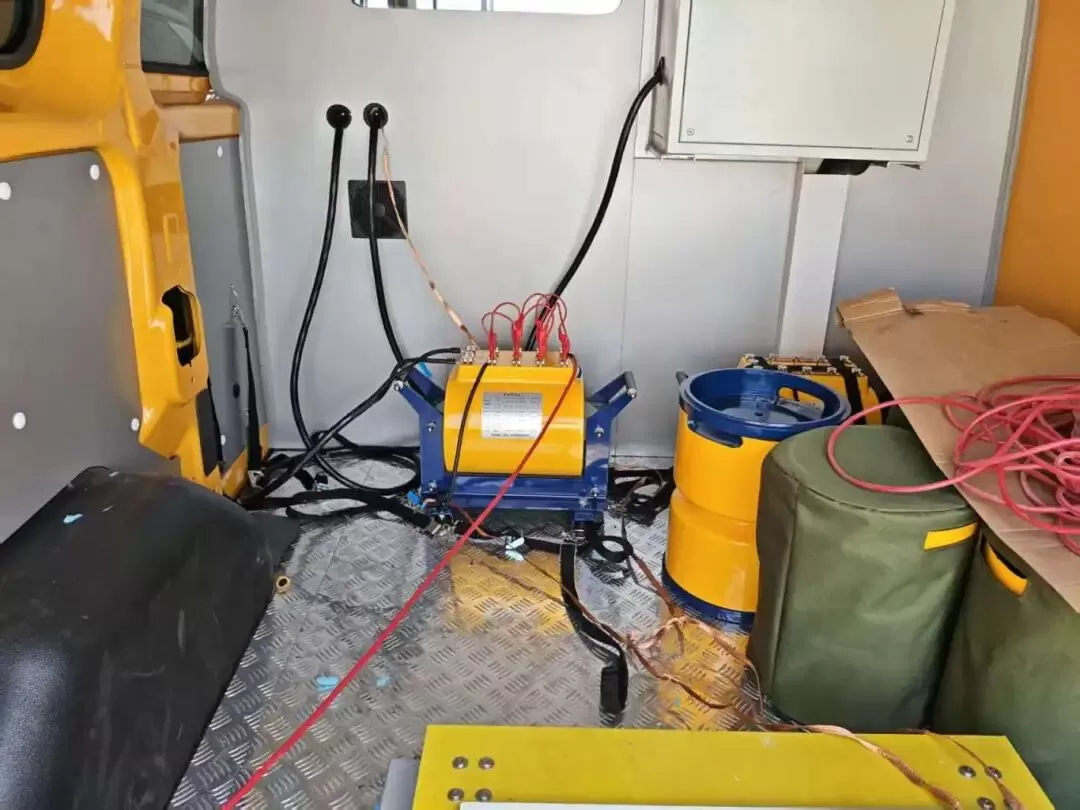
(Figure 5)
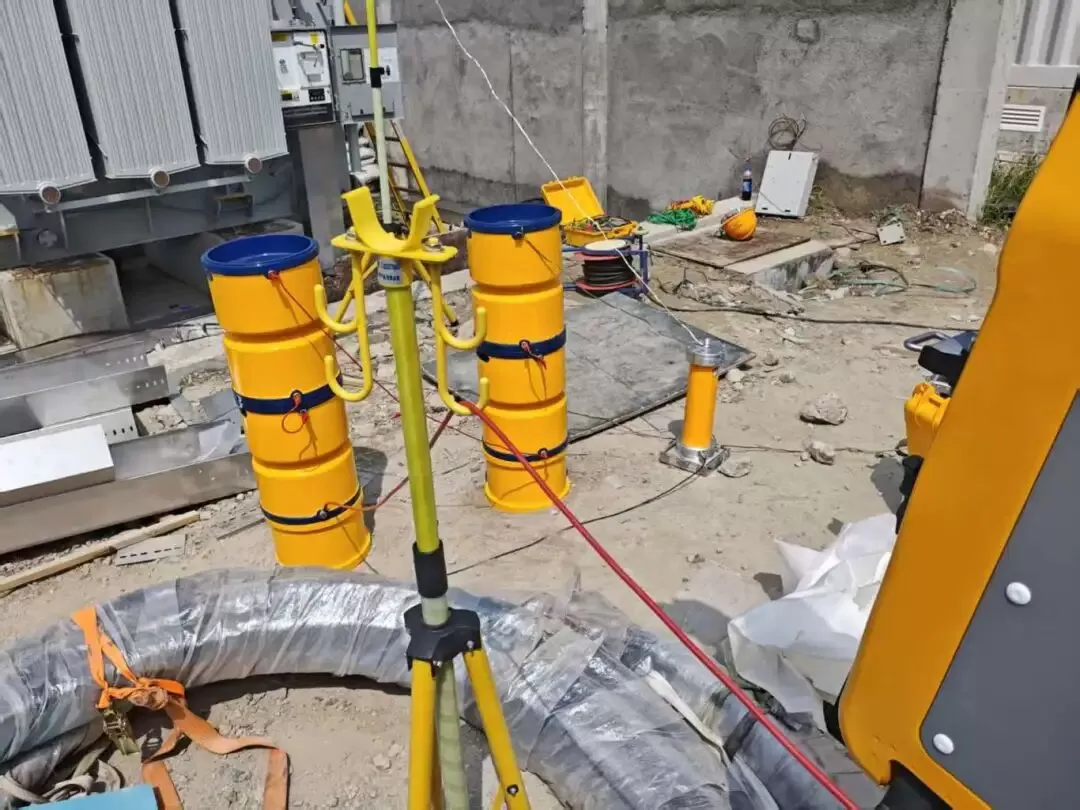
(Figure 6)
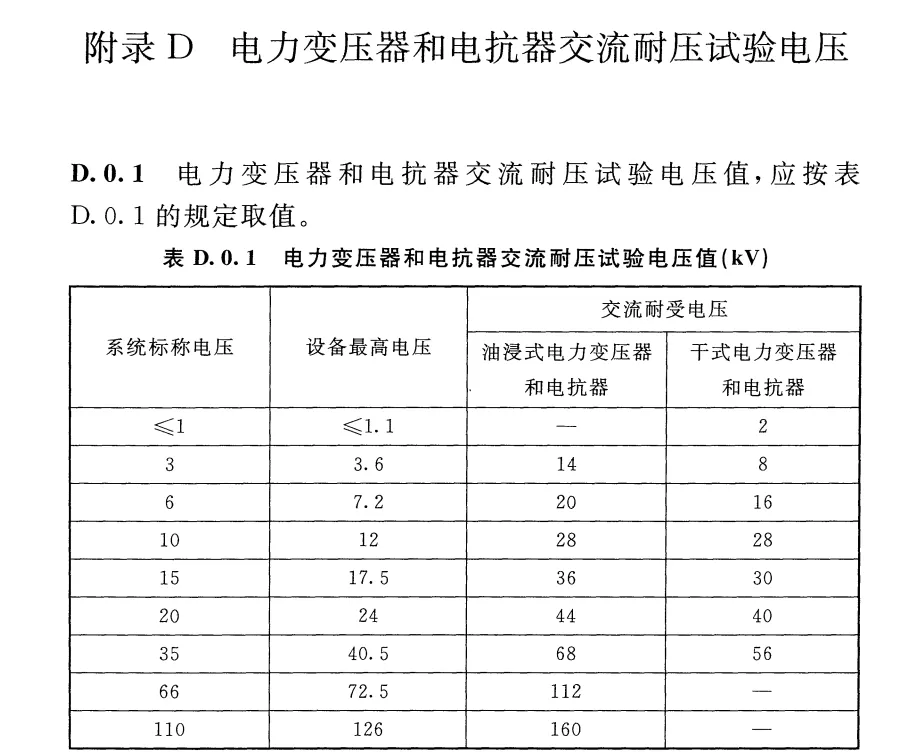
(Figure 7: National Standard Regulations)
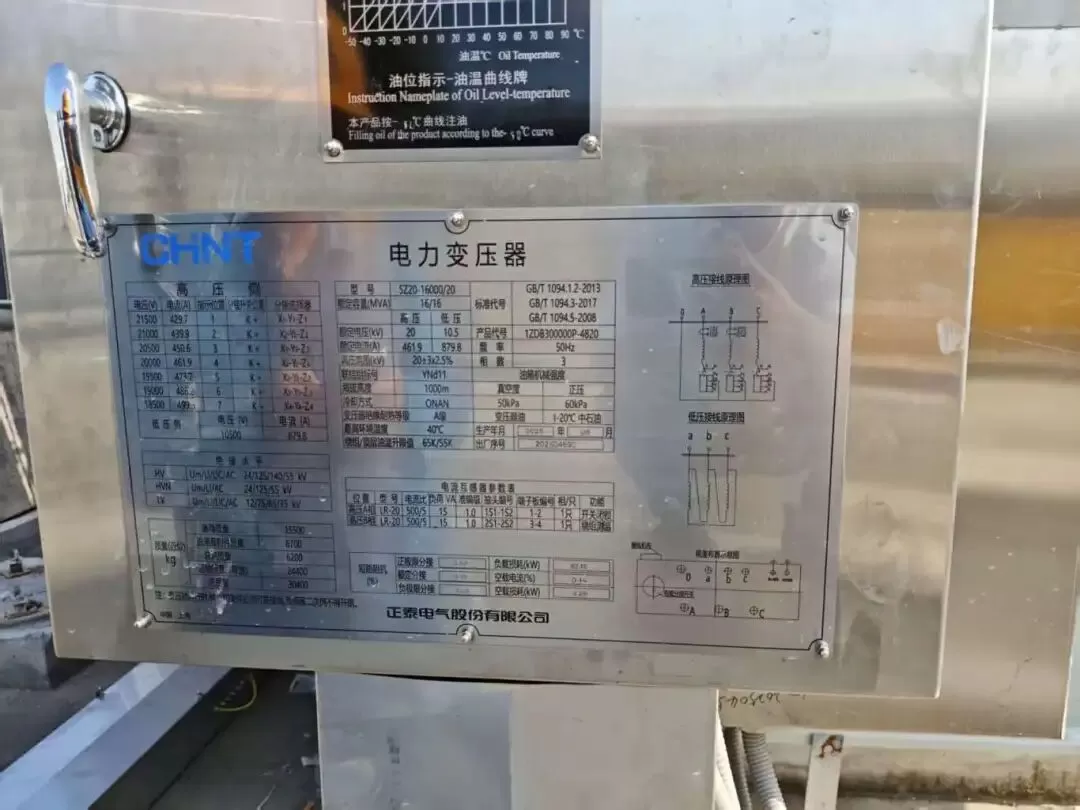
(Figure 8: Transformer Nameplate)
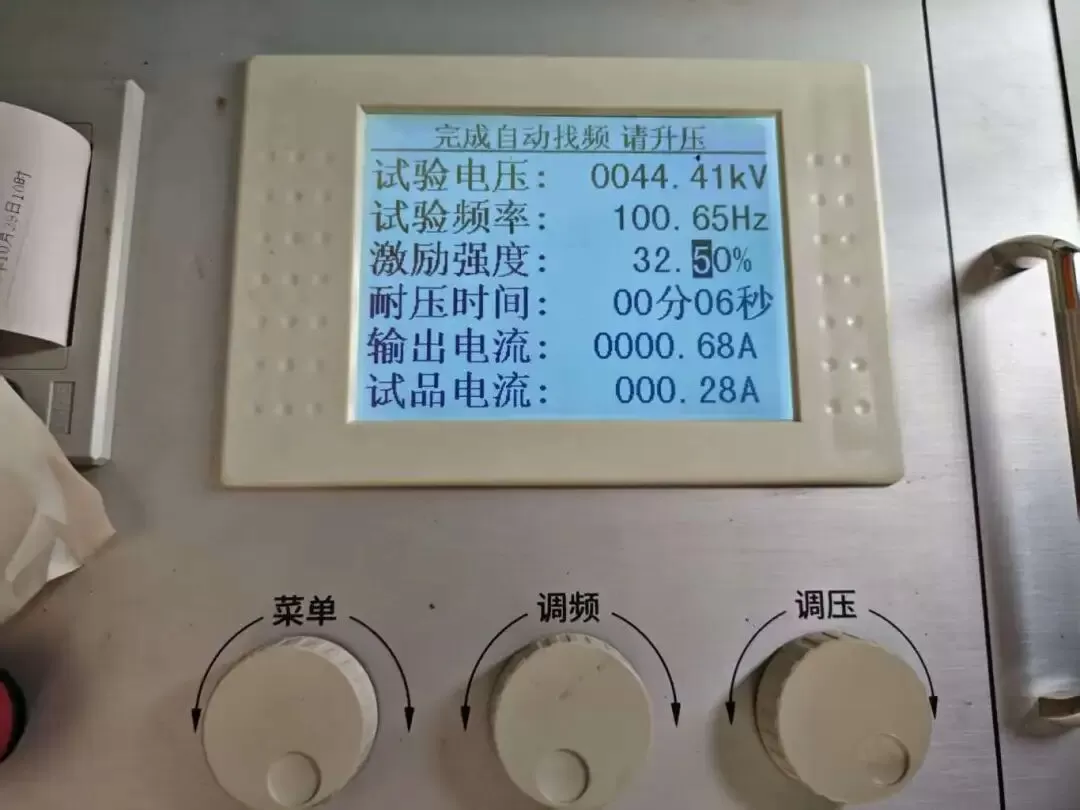
(Figure 9: High-Voltage Side Withstand Voltage)
The rated voltage on the high-voltage side is 20kV, and the voltage is boosted to 44kV.
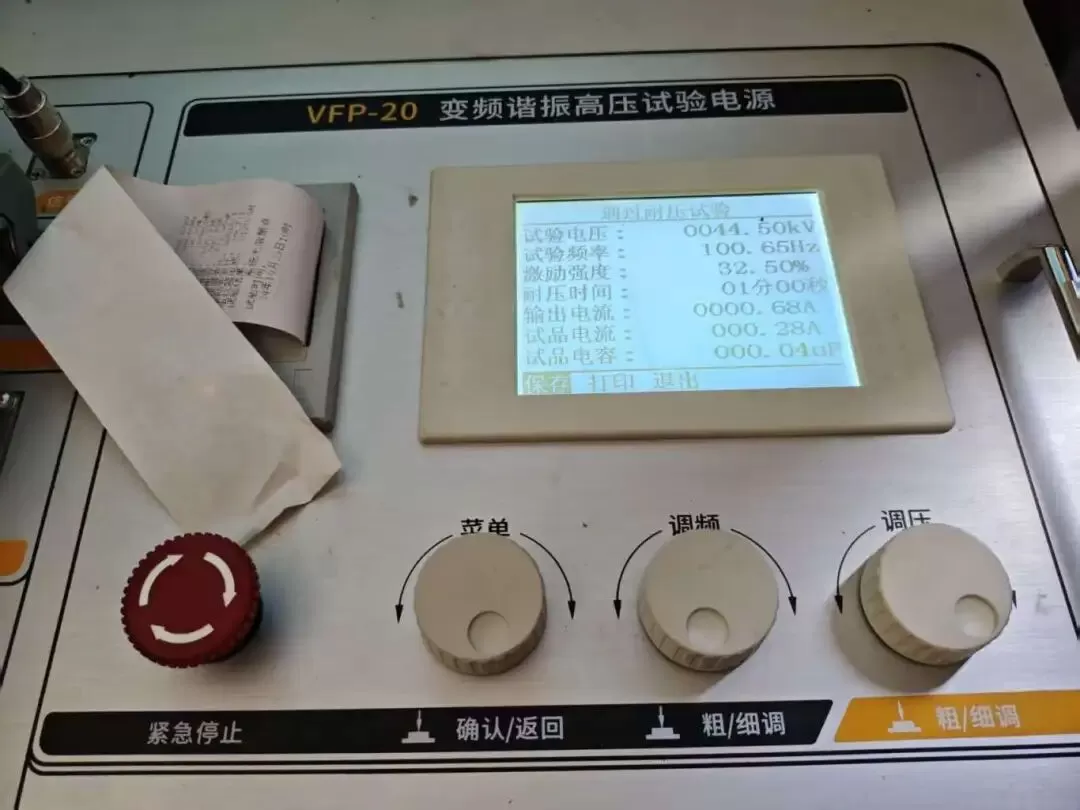
(Figure 10: Withstand Voltage Passed)
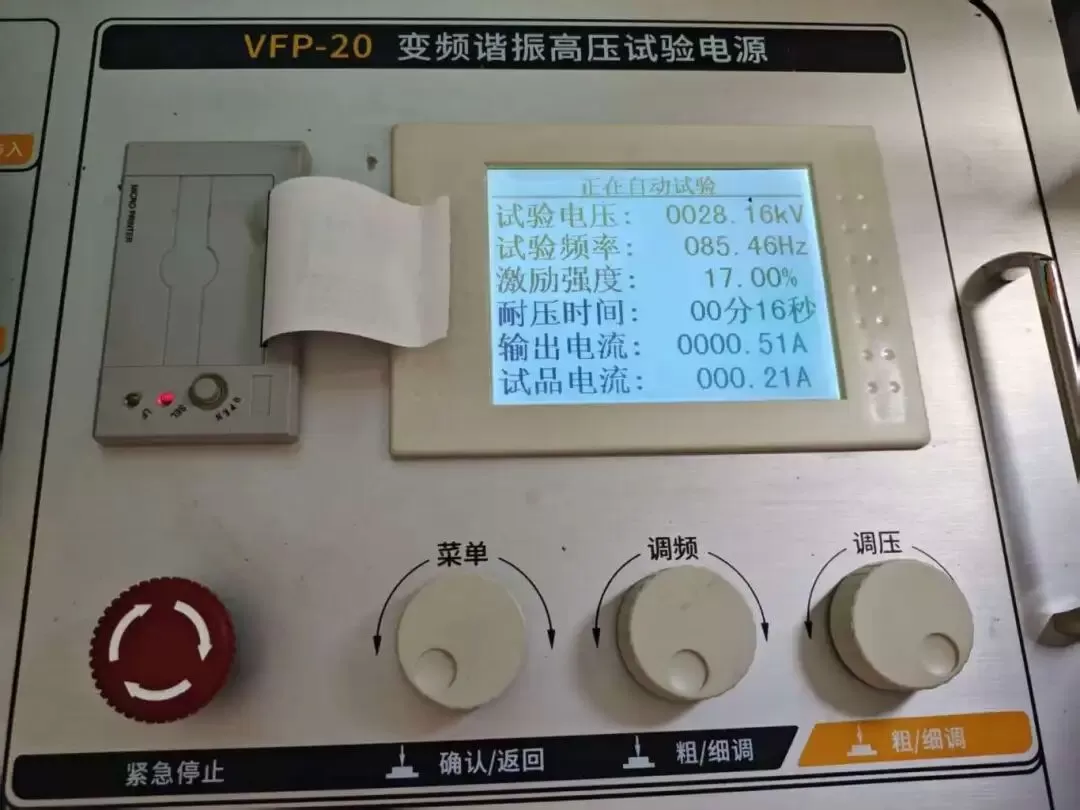
(Figure 11: Low-Voltage Side Withstand Voltage)
The rated voltage on the low-voltage side is 10kV, and the test voltage is 28kV.
PART 5: Test Summary
The transformer AC withstand voltage test may sometimes cause some weaknesses in the insulation to further develop. Therefore, prior to the test, the test sample must first undergo tests for insulation resistance, absorption ratio, leakage current, and dielectric loss. The transformer AC withstand voltage test can only be performed if these test results are qualified. Otherwise, they should be addressed in a timely manner, and the AC withstand voltage test should be conducted only after all indicators are qualified, so as to avoid unnecessary insulation damage.
During the withstand voltage process of the transformer, no discharge or voltage drop occurred, and the withstand voltage was successfully completed, which is deemed as the withstand voltage test being qualified.

 English
  日本語
日本語  한국어
한국어  français
  Deutsch
  русский
  português
  العربية