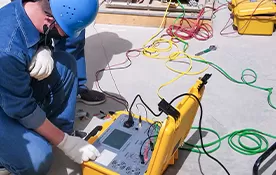
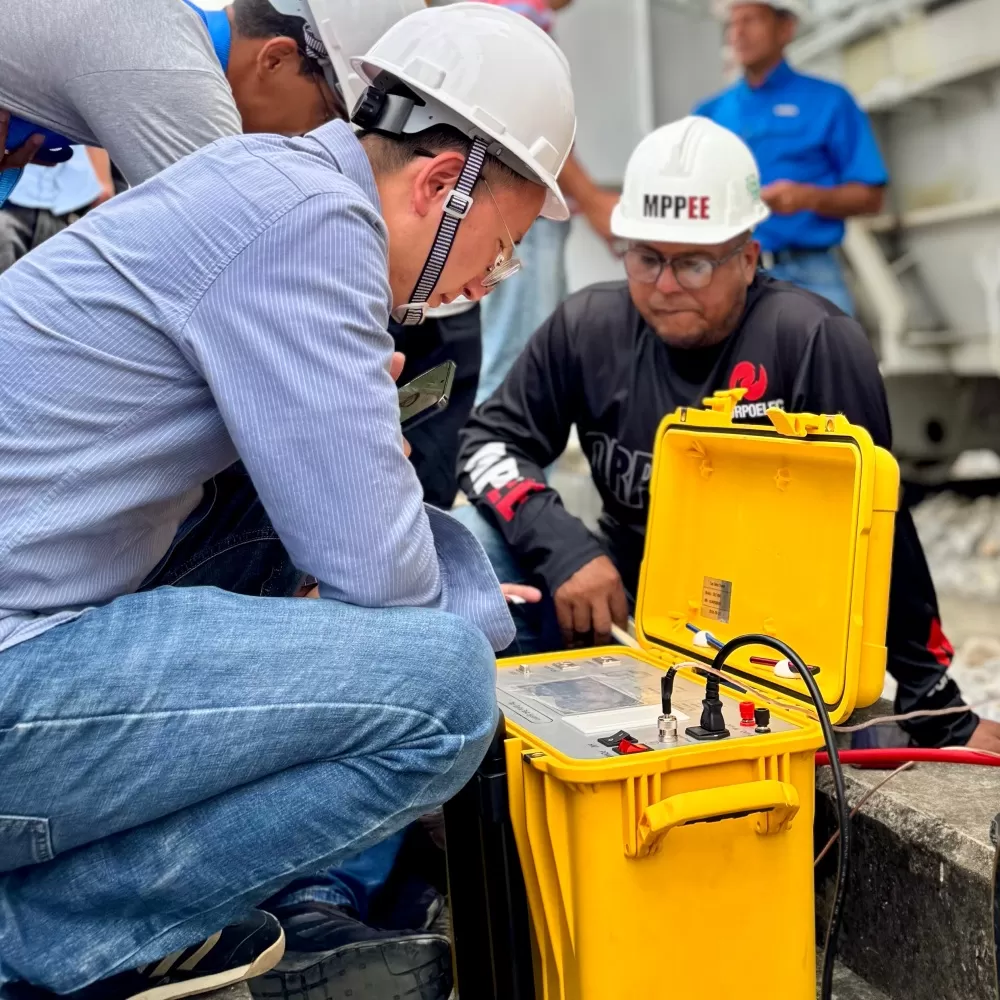
Testing a transformer without energizing it is a crucial part of preventive maintenance and factory quality control. It allows engineers to evaluate the condition of windings, insulation, and core structure before the transformer is connected to a live system. This approach significantly reduces operational risks and helps detect early-stage faults that could lead to serious failures.
Elecgene focuses on delivering reliable diagnostic solutions for electrical systems, helping technicians perform accurate assessments under both energized and de-energized conditions. Understanding how to perform transformer testing without power is essential for ensuring long-term system reliability and safety.
Methods for Testing a Transformer Without Power
Non-powered transformer evaluation is commonly referred to as offline testing. It involves using specialized diagnostic techniques to assess internal conditions without applying operational voltage.
Common methods include resistance measurement, insulation evaluation, and ratio verification. These methods are widely used in transformer testing processes to identify potential faults such as winding degradation, shorted turns, or insulation breakdown.
In professional environments, engineers rely on electrical transformer testing techniques to ensure that equipment meets operational standards before installation or energization.
Elecgene provides solutions designed to support accurate power transformer testing, helping users obtain reliable diagnostic results in controlled environments.
Tools Required for Non-Powered Transformer Testing
Proper tools are essential for accurate testing results. Even without applying operational power, specialized instruments are needed to evaluate electrical properties effectively.
Essential Tools List
| Tool / Equipment | Purpose |
|---|
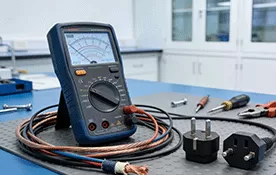
| Multimeter | Measures resistance and continuity |
| Insulation resistance tester | Checks insulation condition |
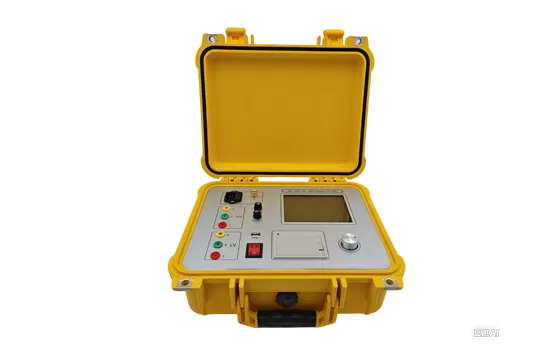
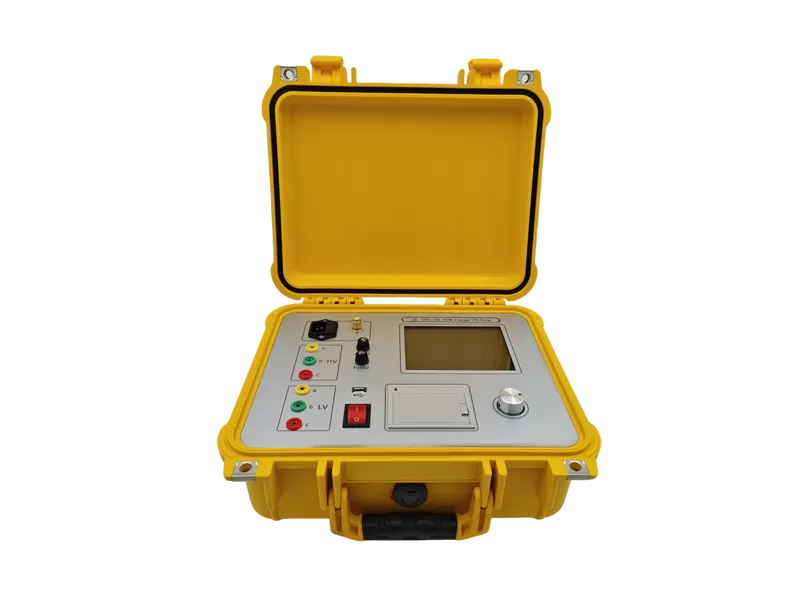
| Turns ratio tester | Verifies winding ratio accuracy |
| electrical testing instruments | Provides general diagnostic capability |
| Earth resistance meter | Ensures proper grounding condition |
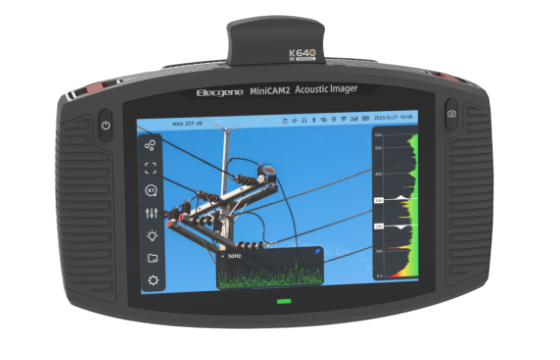
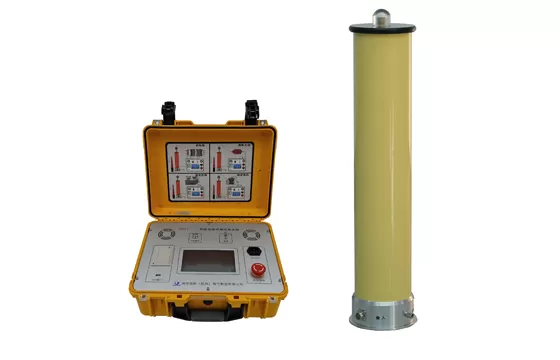
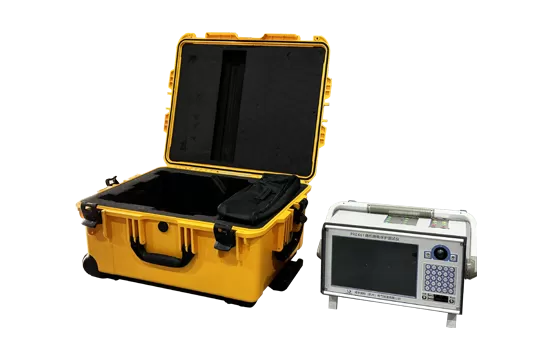
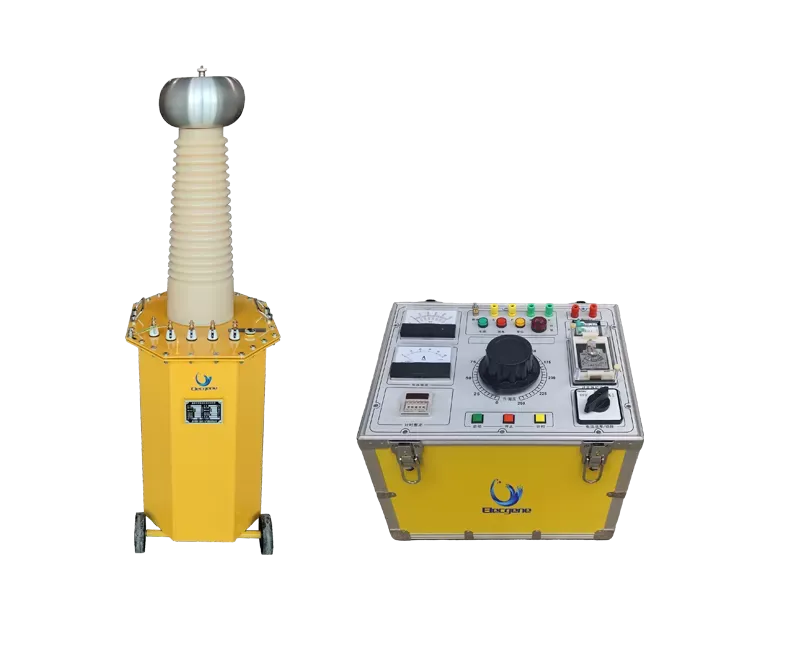
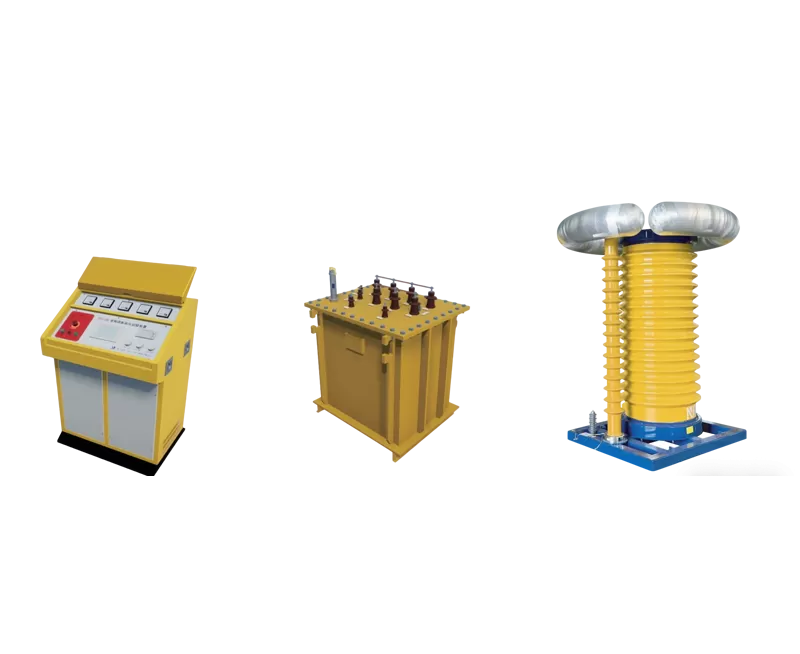
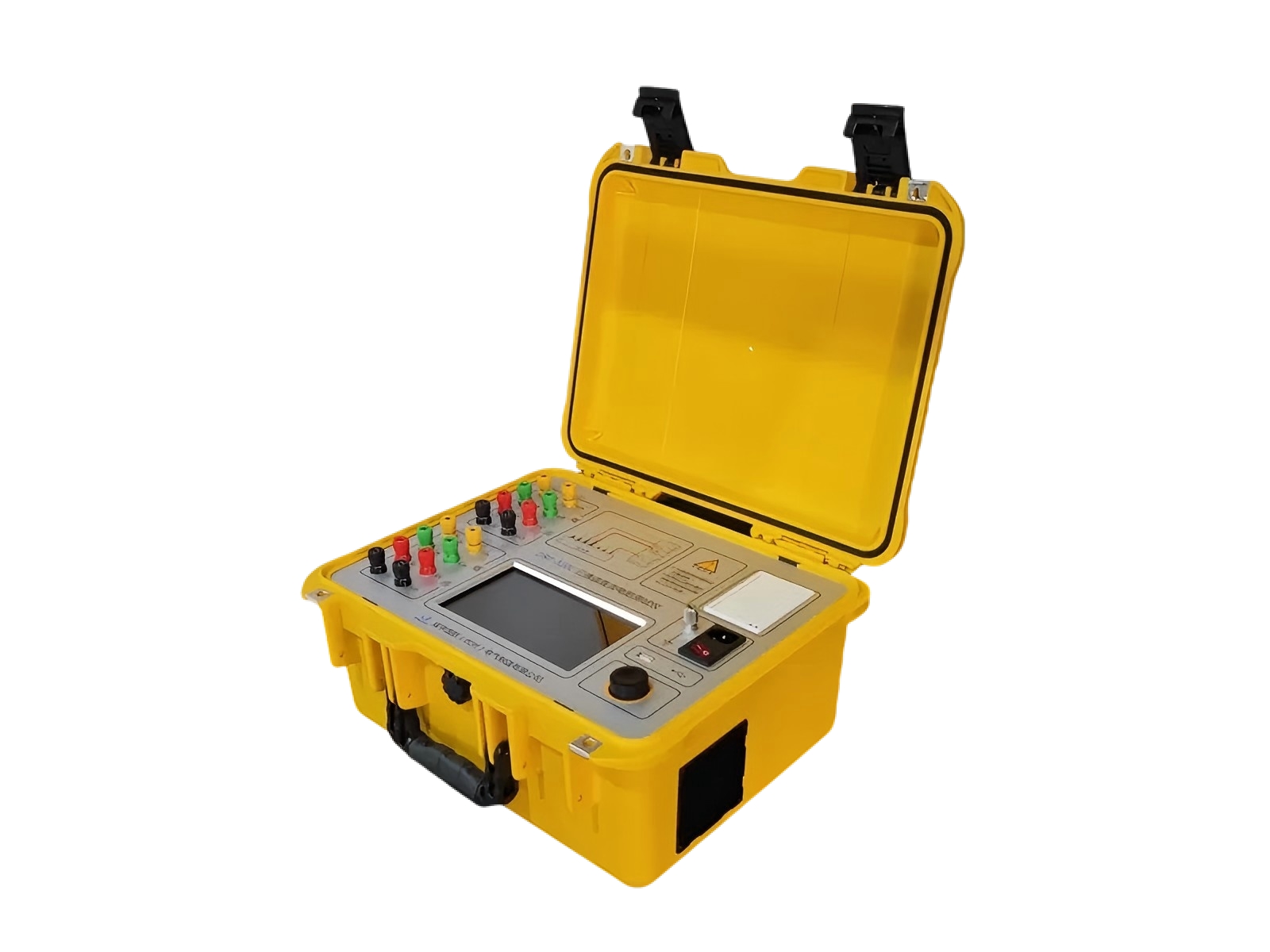
Advanced power transformer testing equipment often integrates multiple measurement functions into a single system, improving efficiency and accuracy during maintenance operations.
Elecgene designs testing solutions that support both field diagnostics and laboratory-level evaluation for transformer systems.
Understanding the Limitations of Testing Without Power
Although non-powered testing is extremely useful, it does have limitations. Since the transformer is not energized, certain dynamic behaviors cannot be observed.
Key Limitations Include:
No load performance evaluation
No thermal behavior analysis
Limited detection of dynamic faults
Dependence on static measurement data
These constraints mean that offline testing should always be complemented with other diagnostic methods during full power transformer testing procedures.
Industry references such as IEEE standards emphasize that combining multiple testing approaches provides a more complete understanding of transformer health.
Step-by-Step Procedure for Testing a Transformer Without Power
A structured approach ensures consistency and accuracy during testing.
Step 1: Safety Preparation
Ensure the transformer is fully de-energized and grounded. Lockout/tagout procedures must be applied.
Step 2: Visual Inspection
Check for physical damage, oil leakage, or loose connections.
Step 3: Winding Resistance Measurement
Use measurement tools to verify continuity and detect possible open or short circuits.
Step 4: Insulation Testing
Apply insulation resistance testing to assess dielectric strength.
Step 5: Turns Ratio Verification
Measure winding ratio to confirm correct transformer design and configuration.
A complete transformer testing process ensures that the unit is ready for safe energization.
Common Issues and Troubleshooting During Non-Powered Testing
Even when testing without power, certain issues can affect accuracy or interpretation.
Common Problems
| Issue | Possible Cause | Solution |
|---|
| Unstable readings | Poor grounding or connections | Recheck grounding system |
| High resistance variation | Temperature influence | Normalize measurement conditions |
| Inconsistent ratio values | Faulty test leads | Replace or recalibrate leads |
| No continuity reading | Open winding | Inspect internal coil damage |
Using reliable electrical testing instruments helps minimize errors and ensures more stable diagnostic result.
Elecgene emphasizes proper calibration and testing procedures to improve reliability in field applications.
Final Considerations for Transformer Testing Without Power
Non-powered transformer testing is an essential step in preventive maintenance strategies. It helps identify structural and electrical issues before they escalate into operational failures.
While it cannot fully replace energized testing methods, it plays a critical role in early fault detection and system validation. Engineers often combine multiple testing techniques to achieve a complete assessment of transformer condition.
By integrating advanced power transformer testing equipment and structured procedures, Elecgene supports safer and more efficient transformer evaluation practices across various industries.
FAQs About Transformer Testing Without Power
What is the main purpose of testing a transformer without power?
It is used to evaluate insulation, winding condition, and electrical continuity before energization, helping prevent operational failures and ensuring safe installation.
Can transformer faults always be detected without power?
No. Some issues, especially thermal or load-related problems, require energized testing for full detection.
How often should non-powered transformer testing be performed?
It is typically conducted during installation, routine maintenance, and after repair or relocation of equipment.
What environmental conditions affect test accuracy?
Temperature, humidity, and dust can influence insulation resistance readings and measurement stability.
Is special training required for transformer testing?
Yes, technicians should understand safety procedures and measurement techniques to ensure accurate and safe operation.

 English
  日本語
日本語  한국어
한국어  français
  Deutsch
  русский
  português
  العربية