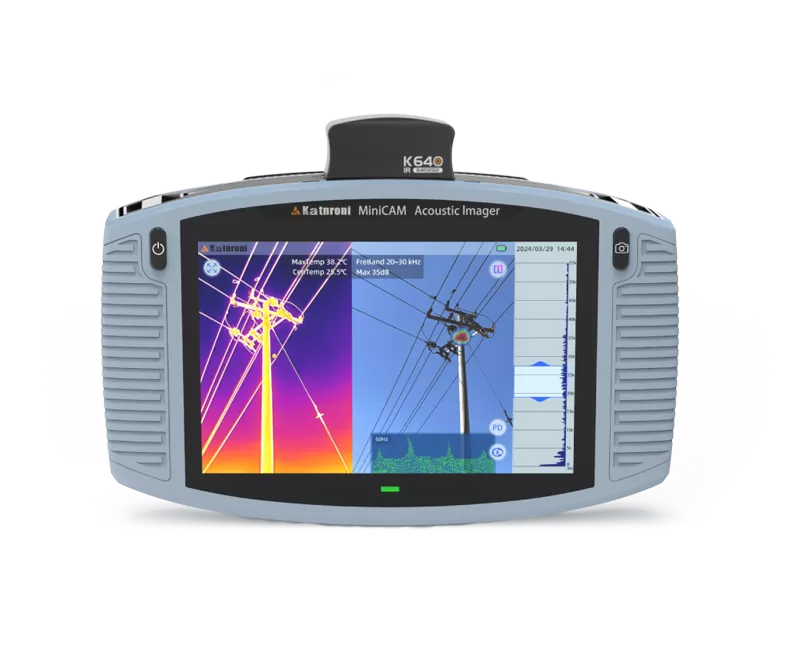
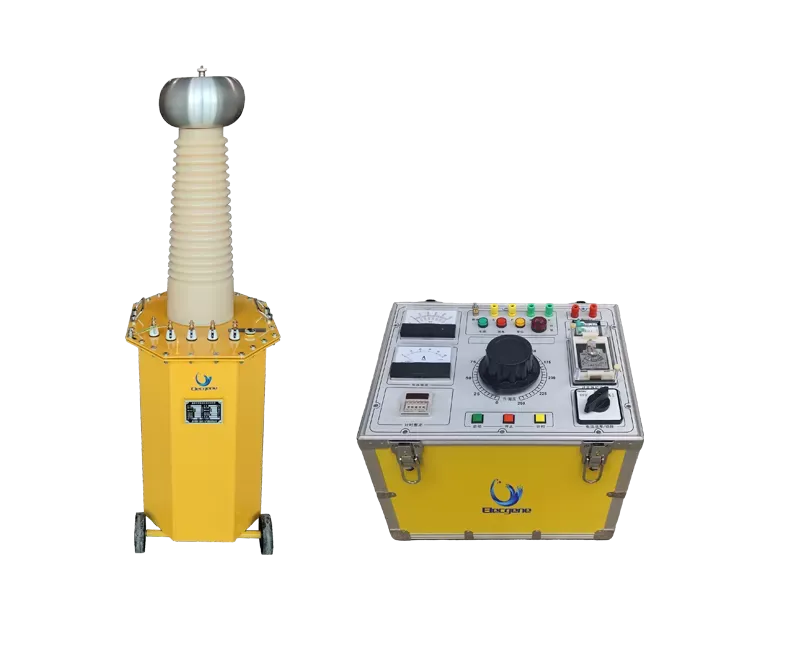
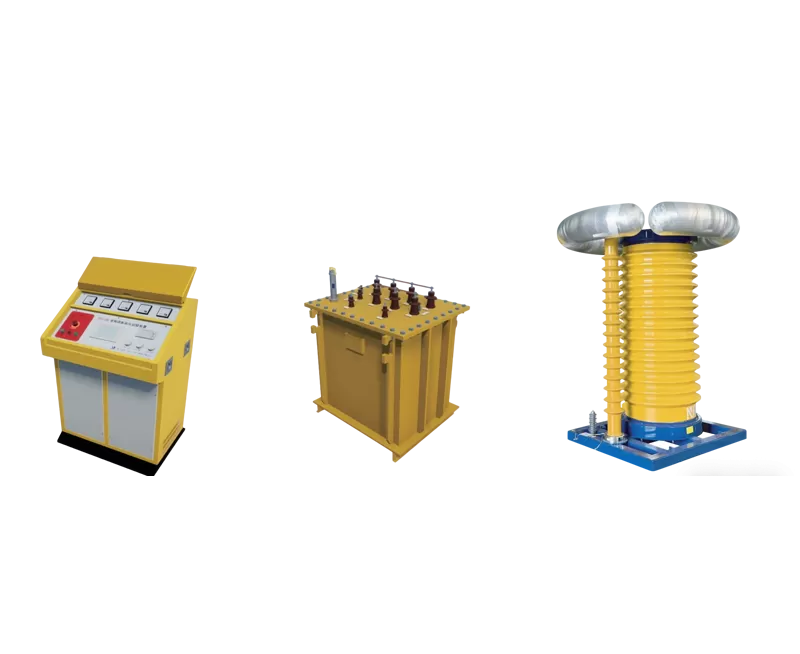
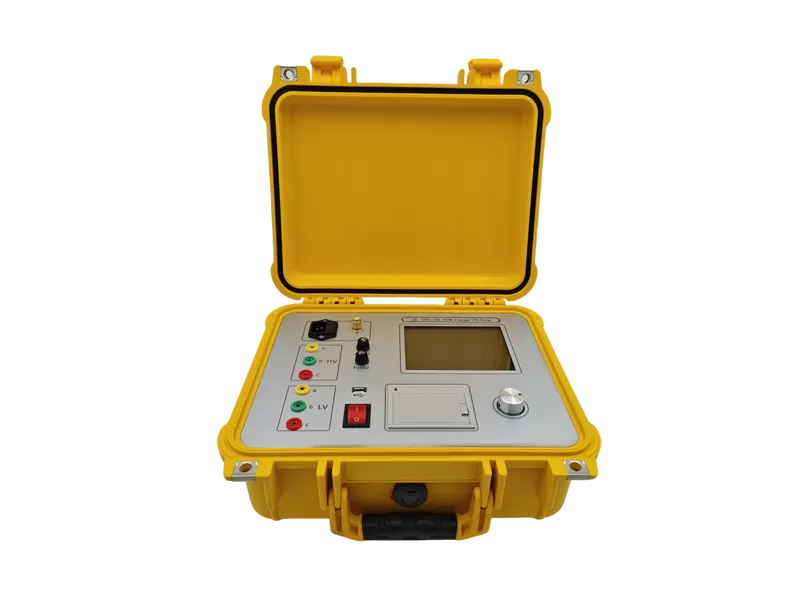
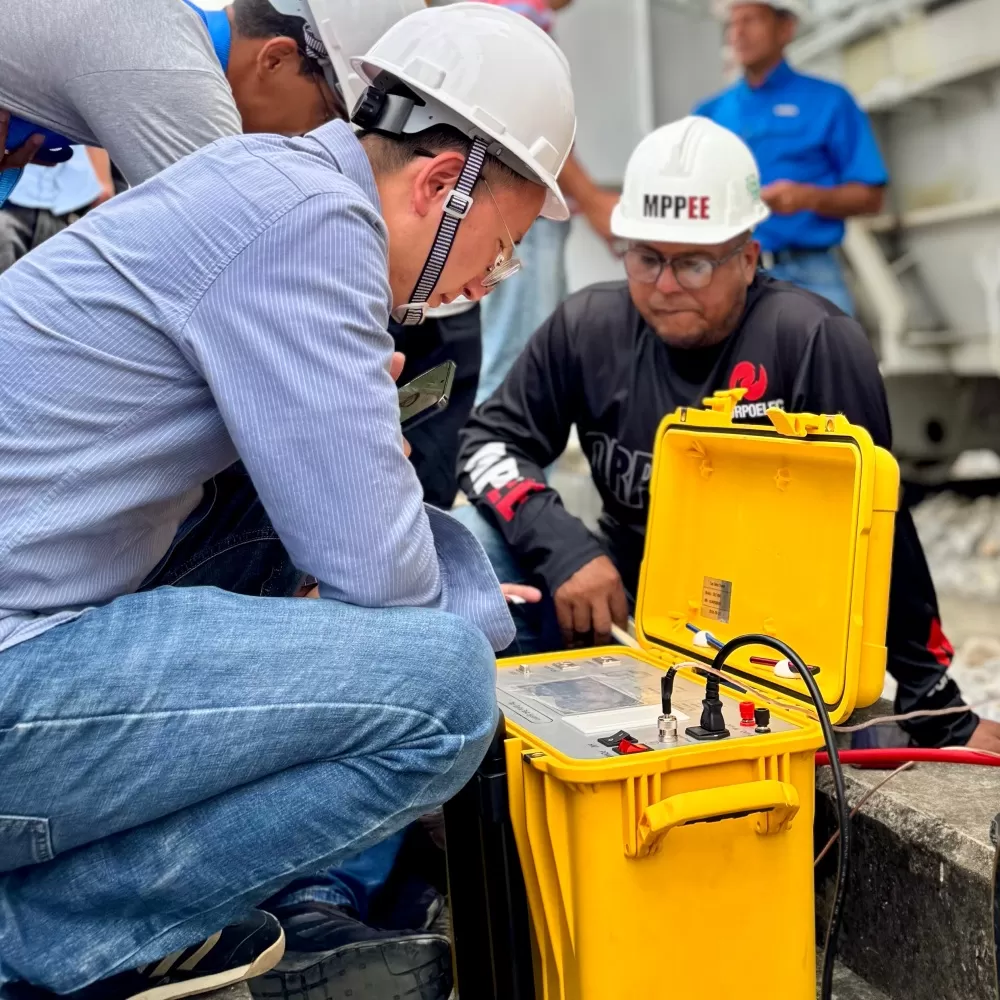
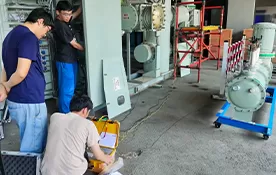
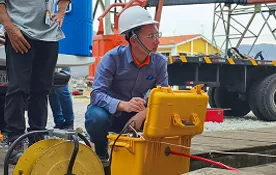
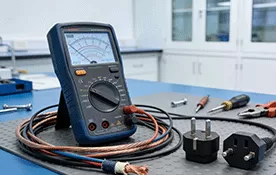
When it comes to ensuring electrical safety and long-term reliability, testing plays a critical role across industries. From manufacturing plants to power distribution systems, engineers rely on specialized methods to verify that electrical insulation can withstand real-world operating conditions. One of the most essential techniques used for this purpose is hipot testing.
As a company deeply involved in electrical testing technologies, Elecgene focuses on delivering advanced solutions that support accurate insulation evaluation and high-voltage testing. Understanding how hipot testing works and why it matters is key for engineers, technicians, and procurement professionals looking to maintain system integrity and compliance.
Defining Hipot Testing: An Overview
Hipot testing, short for “high potential testing,” is a method used to verify the insulation strength of electrical components. The test involves applying a voltage significantly higher than the normal operating level to determine whether the insulation can withstand stress without breaking down.
In practice, a hipot test evaluates whether there is leakage current flowing through insulation materials. If the insulation fails, it indicates potential defects such as cracks, contamination, or insufficient material thickness.
Unlike standard continuity or resistance tests, hipot testing directly challenges insulation performance under extreme conditions. This makes it particularly valuable in identifying weaknesses before equipment is put into service.
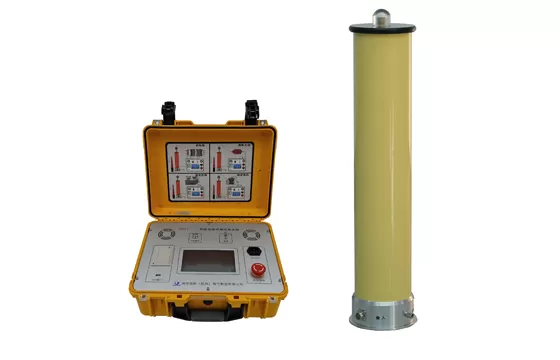
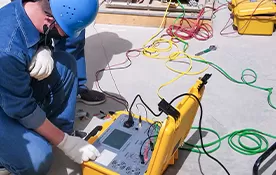
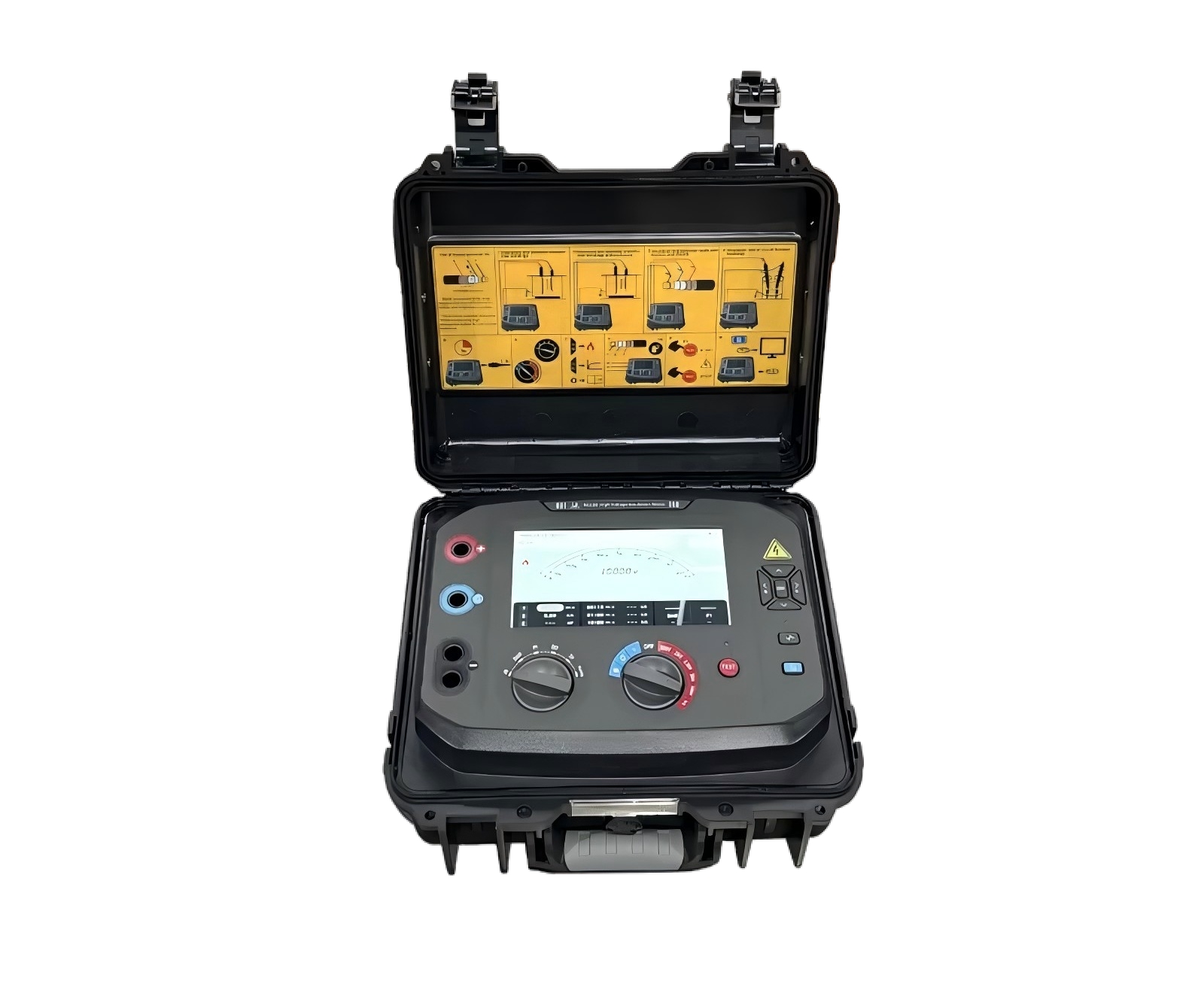
From portable devices to large-scale hipot testing machine systems, this testing method is widely used across various voltage levels, including AC and DC applications.
The Purpose and Importance of Hipot Testing
The primary goal of hipot testing is to ensure electrical safety. Faulty insulation can lead to serious hazards, including electric shock, short circuits, and equipment failure. By identifying insulation weaknesses early, hipot testing helps prevent costly downtime and safety incidents.
Key Objectives of Hipot Testing:
Verify insulation integrity
Detect manufacturing defects
Ensure compliance with safety standards
Prevent electrical leakage and breakdown
Improve product reliability
In many industries, hipot testing is not optional—it is required by international standards such as IEC and IEEE. Regulatory compliance ensures that electrical equipment can safely operate under specified voltage conditions.
For organizations managing high-voltage systems, using reliable electrical testing instruments is essential for achieving accurate and repeatable results.
Common Applications of Hipot Testing in Industry
Hipot testing is used across a wide range of industries where electrical insulation is critical. Its versatility makes it suitable for both manufacturing quality control and field maintenance.
Typical Application Areas
| Industry Sector | Application Example | Testing Purpose |
|---|
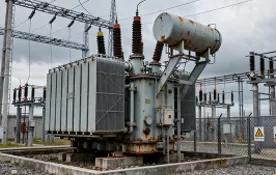
| Power Utilities | Transformers, cables | Verify insulation under high voltage |
| Manufacturing | Appliances, motors | Ensure product safety compliance |
| Renewable Energy | Solar inverters, battery systems | Prevent insulation failure |
| Transportation | Rail systems, electric vehicles | Maintain operational safety |
| Oil & Gas | High-voltage equipment | Avoid hazardous failures |
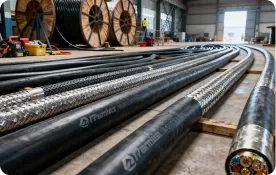
In cable systems, hipot cable testing is commonly used to validate insulation performance after installation or repair. This ensures that cables can handle operational stress without risk of breakdown.
Organizations like Elecgene provide comprehensive solutions that support these applications, helping users perform accurate and efficient testing across different environments.
Safety Considerations During Hipot Testing
While hipot testing is highly effective, it also involves applying high voltage, which introduces safety risks if not handled properly. Proper procedures and equipment are essential to protect both personnel and assets.
Key Safety Practices
Always ensure proper grounding before testing
Use insulated gloves and protective equipment
Maintain safe distance during high-voltage application
Discharge the device under test after completion
Follow standardized operating procedures
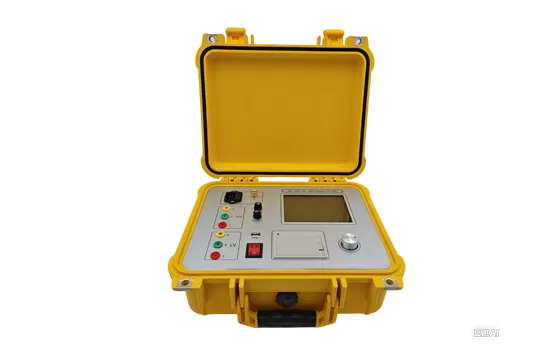
Additionally, modern hipot tester systems often include built-in safety features such as automatic shutdown, leakage current monitoring, and alarm systems. These features significantly reduce the risk of accidental exposure.
It is also important to ensure that operators are properly trained. Misuse of high-voltage equipment can lead to inaccurate results or serious hazards.
How Hipot Testing Compares to Other Electrical Tests
Hipot testing is just one of several methods used to evaluate electrical systems. Each testing method serves a different purpose, and understanding these differences helps in selecting the right approach.
Comparison of Common Electrical Tests
| Test Type | Purpose | Voltage Level | Key Advantage |
|---|
| Insulation Resistance | Measure resistance of insulation | Low to medium | Quick and non-destructive |
| Continuity Test | Verify electrical connections | Very low | Simple and fast |
| Hipot Test | Stress insulation to detect weaknesses | High | Identifies hidden defects |
| Partial Discharge | Detect localized insulation breakdown | Medium to high | Early fault detection |
According to industry references such as the IEEE standards, hipot testing is particularly effective in identifying insulation defects that may not be visible through lower-voltage tests.
While insulation resistance testing measures general condition, hipot testing provides a more rigorous validation by applying stress conditions closer to real-world scenarios.
For high-voltage systems, combining multiple testing methods often delivers the most reliable assessment.
As a trusted provider of advanced testing solutions, Elecgene continues to support industries with reliable tools for insulation and high-voltage testing. By integrating precision engineering with practical usability, their equipment enables professionals to perform accurate diagnostics and ensure system safety.
FAQs About Hipot Testing
What is the difference between AC and DC hipot testing?
AC hipot testing simulates real operating conditions, while DC testing is more suitable for high-capacitance equipment like cables. Each method has specific use cases depending on the application.
How long does a hipot test typically take?
Most hipot tests last from a few seconds to several minutes, depending on standards and equipment type. Duration is carefully controlled to avoid damaging the insulation.
Can hipot testing damage equipment?
If performed incorrectly or with excessive voltage, it may damage weak insulation. Proper settings and standards compliance minimize this risk.
Is hipot testing required for all electrical products?
Not all products require it, but many industries mandate hipot testing for safety certification, especially for high-voltage or consumer electrical devices.
What factors affect hipot test results?
Temperature, humidity, insulation material quality, and surface contamination can all influence results. Proper test conditions are essential for accuracy.

 English
  日本語
日本語  한국어
한국어  français
  Deutsch
  русский
  português
  العربية