PART 1: Main Information of the On-Site Test
Test Date: 2025.11.13
On-site Tester: Gao Wenhao
Weather Conditions: Sunny
Test Location: A certain substation
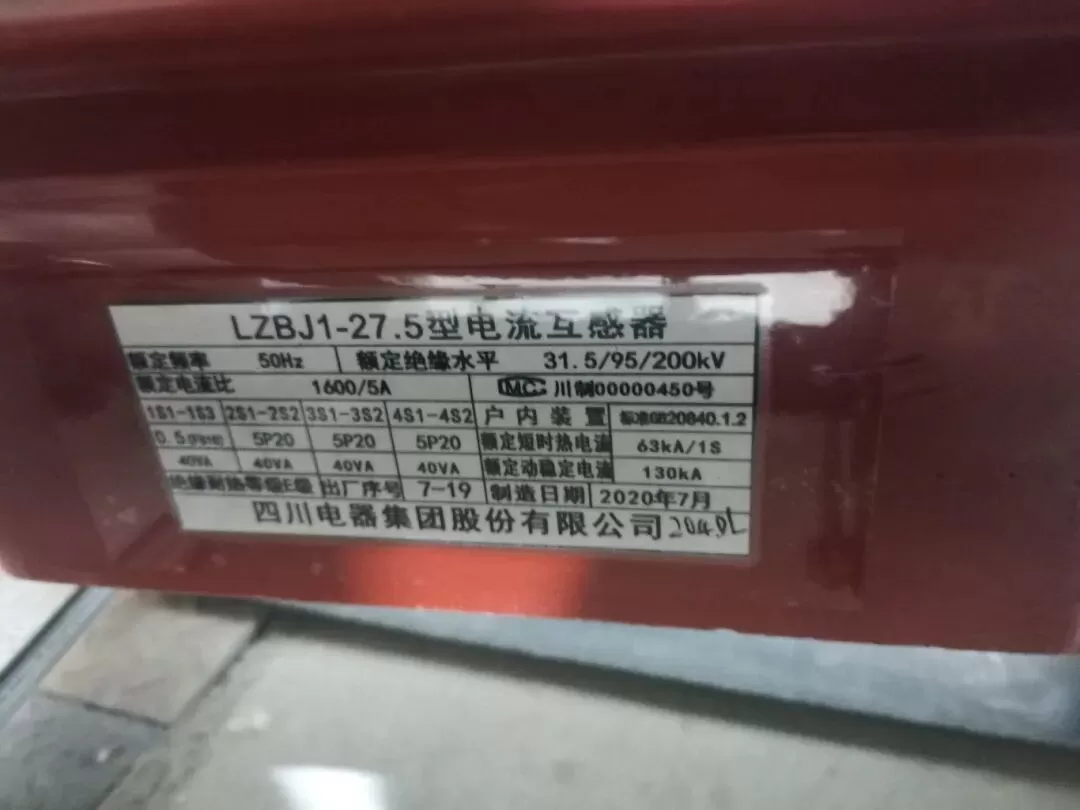
Basic On-site Information: * Test Sample Type: Current Transformer
Voltage Level: 27.5KV
Test Item: Comprehensive characteristic test of transformer
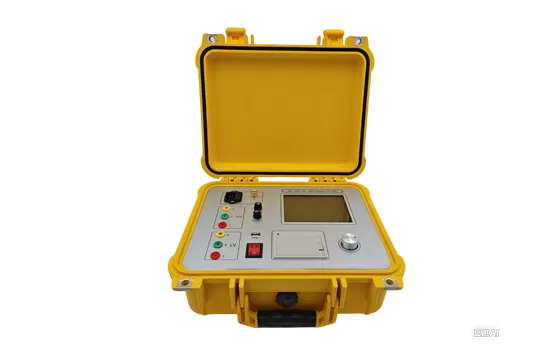
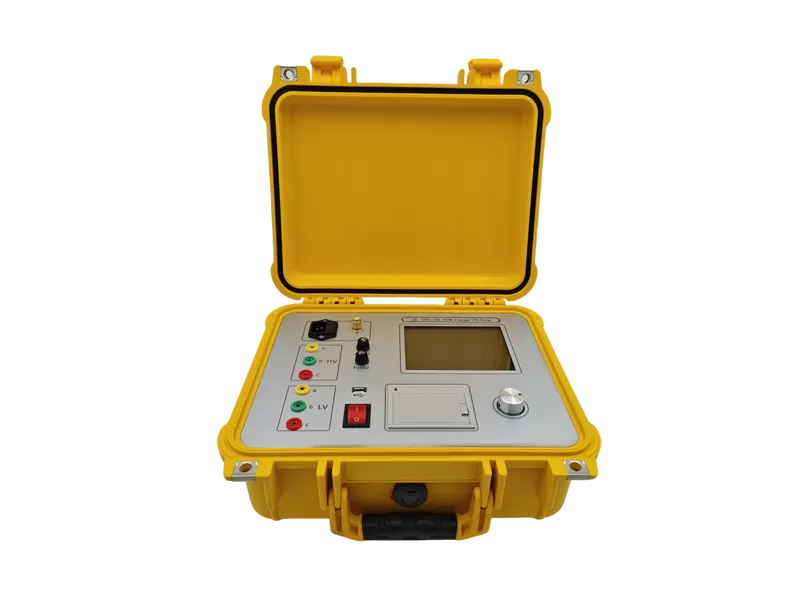
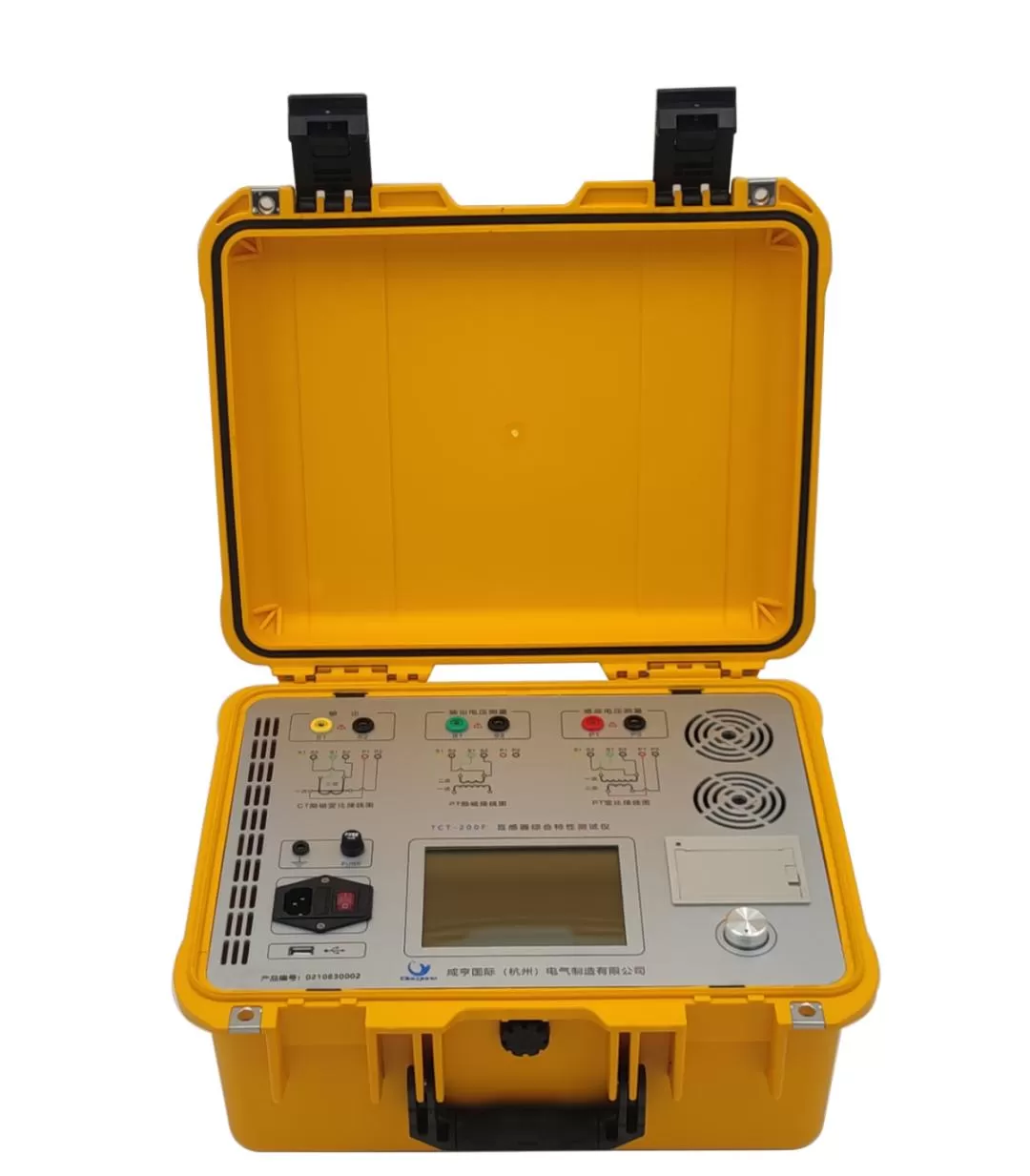
Instrument Used: TCT-200F CT and PT Analyzer
Test Data: Yes
PART 2: Test Process
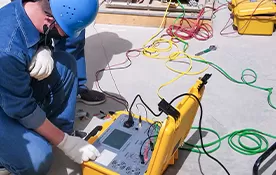
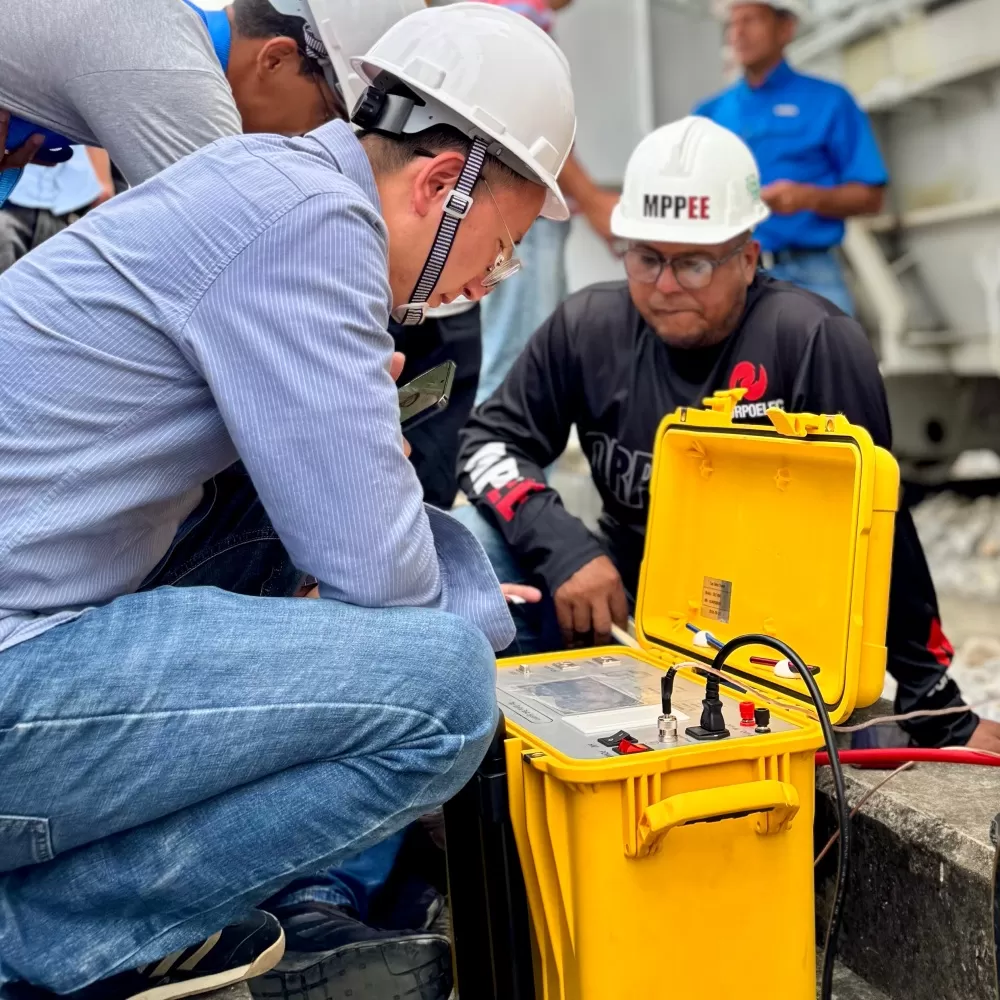
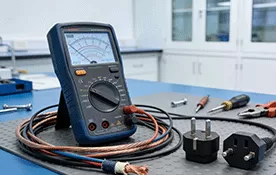
Step 1: Test Preparation
Figure 2
Step 2: Test Process
First, ground the instrument reliably.
Then, short-circuit the S1 K1 terminals and S2 K2 terminals of the instrument respectively and connect them to the secondary winding of the transformer to be tested.
The secondary winding tested in this operation is 1S1-1S3.
The remaining untested secondary windings are left open.
Connect the P1 and P2 terminals of the instrument to the P1 and P2 copper busbars on the primary side of the transformer.
The transformer casing should be grounded.
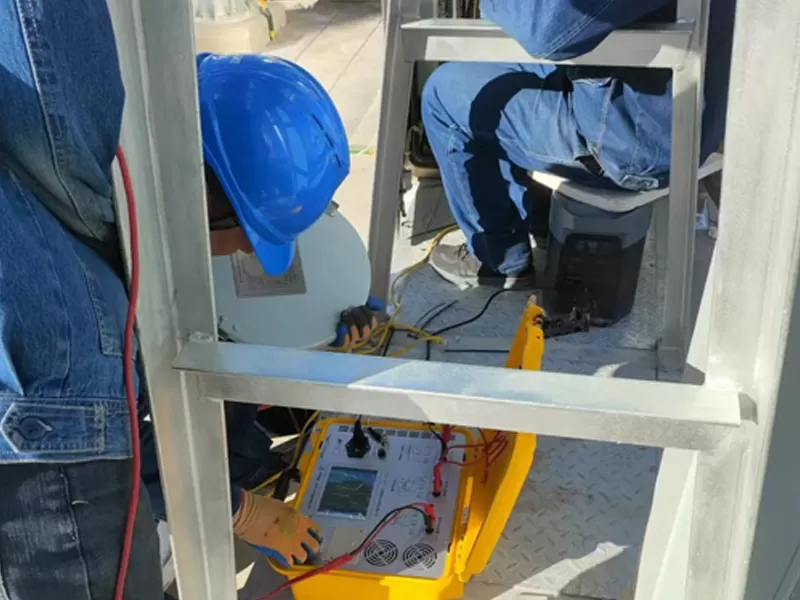
The wiring is shown in the figure below.
Through one-time wiring, items such as ratio, polarity, excitation characteristics, and winding DC resistance can be completed all at once.
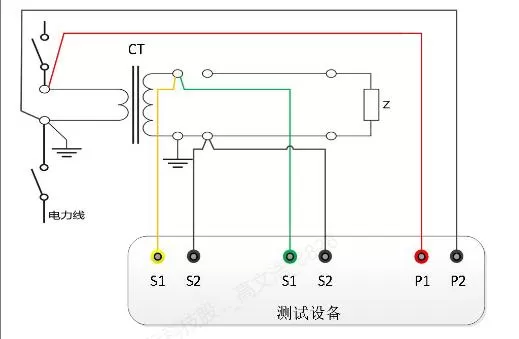
Figure 3: Wiring Diagram
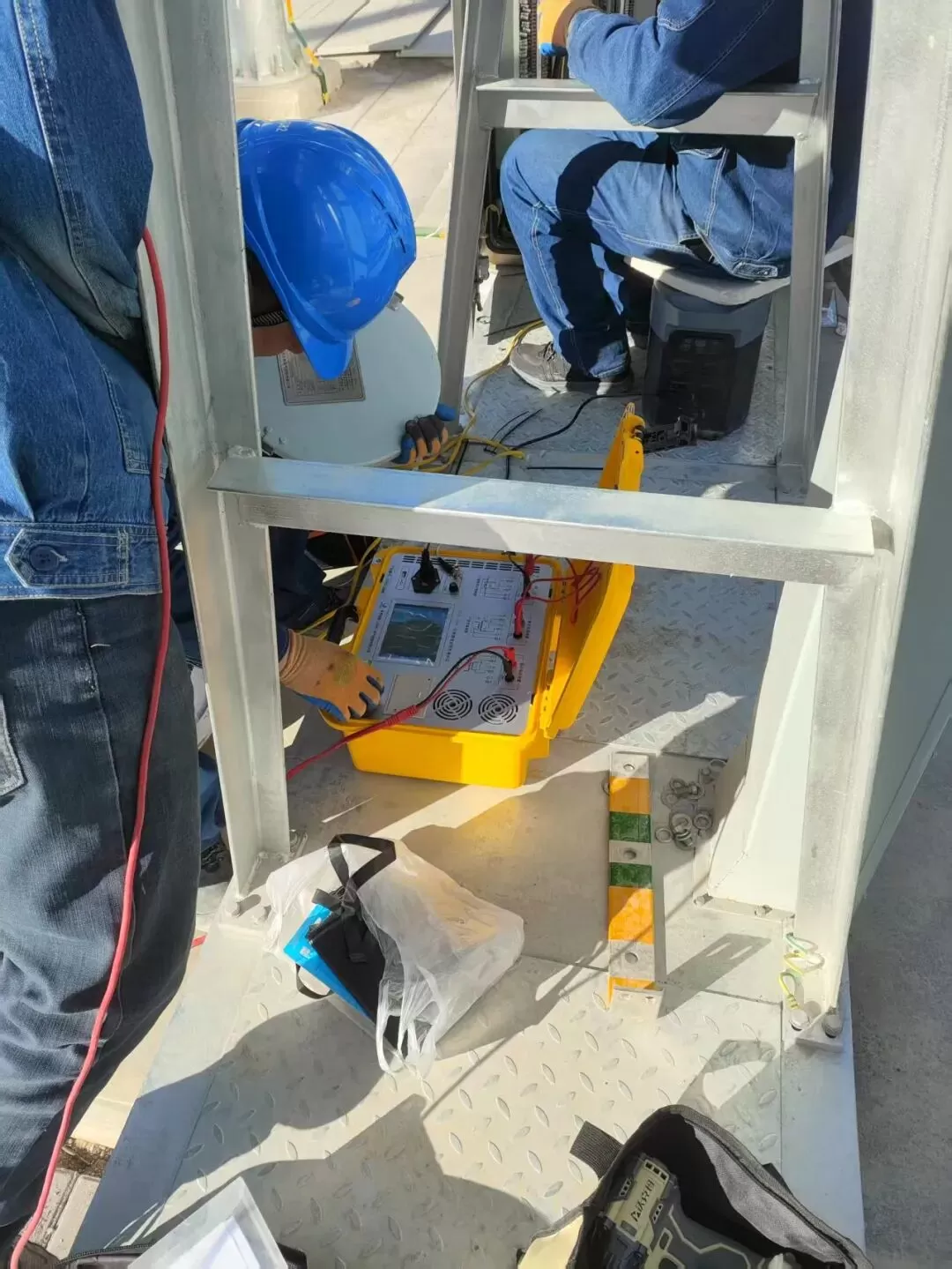
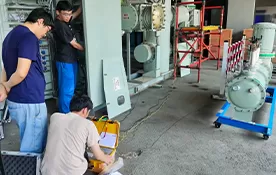
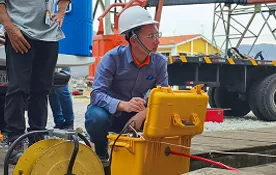
Figure 4: On-site Test Wiring
Turn on the main unit and configure the settings.
The parameters that can be set include the rated secondary current, class, and maximum test current.
The instrument can then test out the ratio, polarity, DC resistance, and excitation characteristics.
Step 3: Result Judgment
The theoretical ratio of the 1S1-1S3 winding is 320:1.
The measured ratio value is 300:0.9364.
The turns ratio is 319.91.
The polarity is subtractive.
These results meet the requirements.
The volt-ampere characteristic test meets the requirements when compared with its factory values.
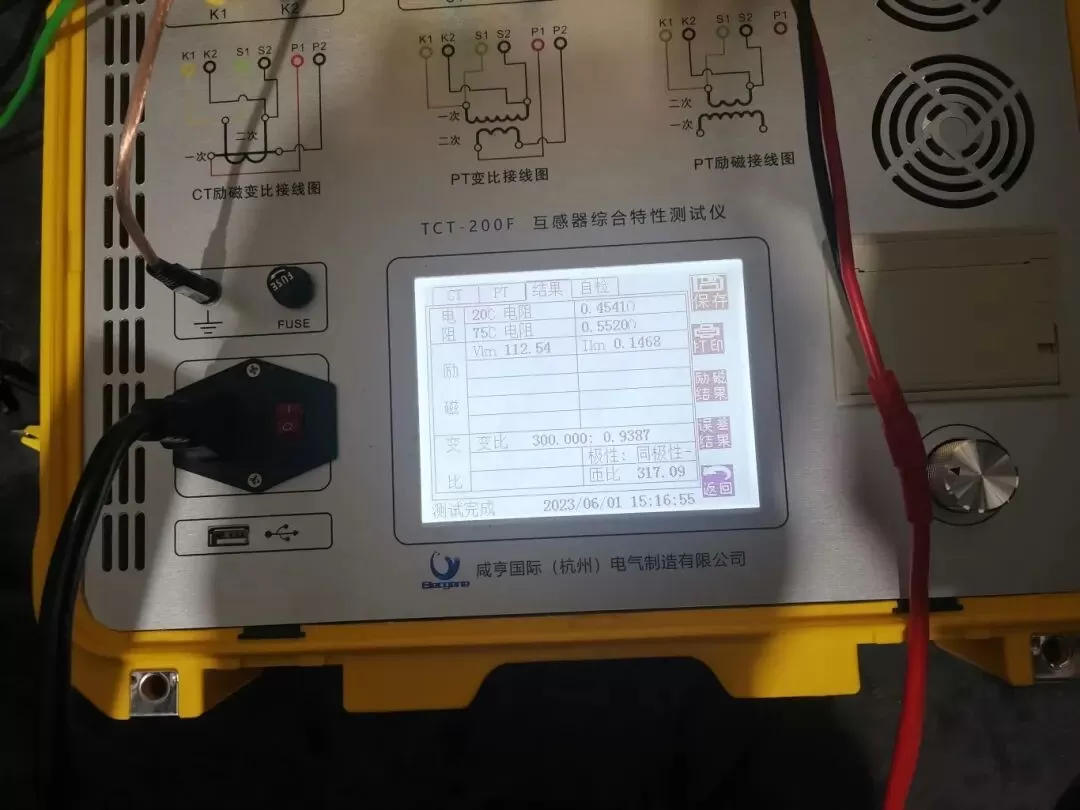
Figure 5: Test Results
PART 3: Test Summary (On-site Issues, Precautions, etc.)
The volt-ampere characteristic test of a current transformer is only performed on the secondary winding that has requirements for relay protection.
Before the test, the secondary winding leads of the current transformer and the CT grounding wire should all be removed.
Reliable safety measures must be taken to prevent grounding.
This ensures that each phase of the CT is reliably independent of the application equipment during the test.
Otherwise, it may cause damage to the equipment.

 English
  日本語
日本語  한국어
한국어  français
  Deutsch
  русский
  português
  العربية