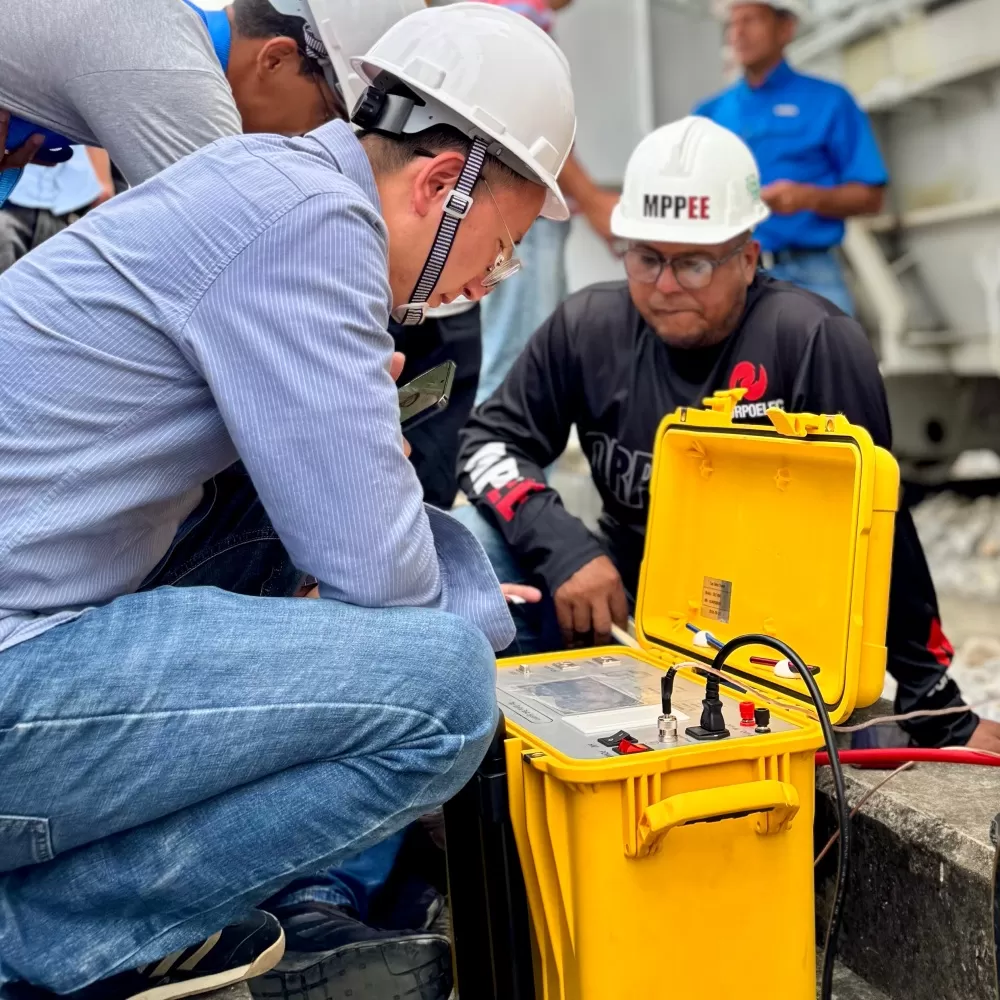
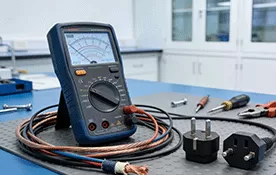
In modern electrical power systems, accurate measurement and protection depend heavily on the performance of instrument transformers. Among them, current transformers (CT) and potential transformers (PT) play a critical role in ensuring reliable metering and system protection. To verify their accuracy and operational health, engineers use advanced diagnostic tools known as CT PT tester systems.
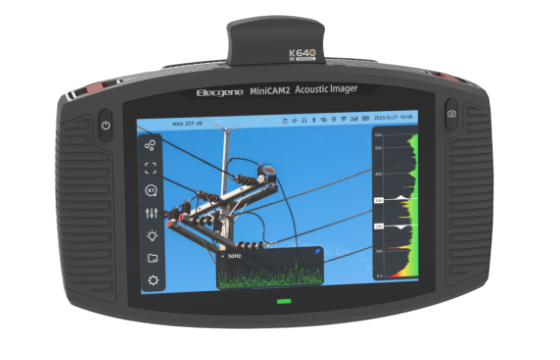
At Elecgene, intelligent electrical testing instruments solutions are designed to support precise field diagnostics and substation maintenance. Through integrated platforms combining CT PT tester technology with insulation and transformer diagnostic tools, engineers can achieve higher efficiency and reliability in power system evaluation.
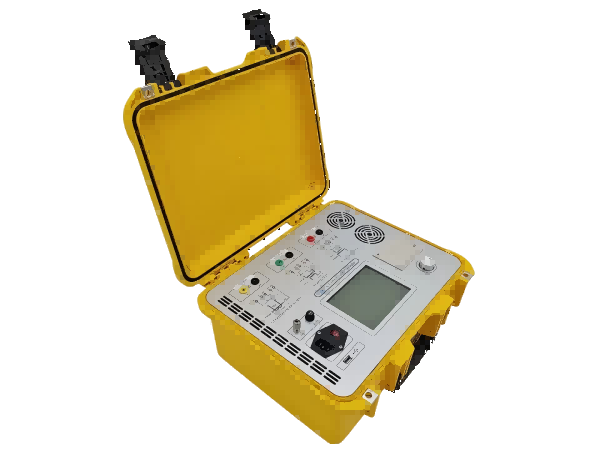
What Is a CT PT Tester and How It Works
A CT PT tester is a specialized diagnostic instrument used to evaluate the performance, accuracy, and safety of current transformers and potential transformers in electrical networks.
Current Transformer (CT) Basics
A current transformer reduces high primary current into a standardized secondary current suitable for metering and protection systems. It ensures that measuring devices and relays operate safely without direct exposure to high current levels.
Potential Transformer (PT) Basics
A potential transformer steps down high voltage levels into a lower, measurable voltage. This allows instruments and protection devices to safely monitor system voltage conditions without risk.Together, CT and PT systems form the foundation of power system measurement and protection accuracy.
Key Functions of CT PT Testers
Modern CT PT tester systems are designed to perform multiple diagnostic functions in a single platform.
Electrical Parameter Testing
Diagnostic Testing Capabilities
Excitation curve analysis
Saturation point detection
Winding resistance measurement
Accuracy class verification
These functions ensure that CT and PT devices operate within acceptable performance standards in real-world conditions.
CT PT Testing Methods in Substations
Testing methods have evolved from manual procedures to fully automated systems, improving both accuracy and efficiency.
Manual Testing Method
Traditional testing involves manual injection of current or voltage and separate measurement of output values. While effective, it is time-consuming and requires skilled operation.
Automated Testing Systems
Modern CT PT tester systems use digital processing technology to:
These systems are widely used in substation commissioning and maintenance operations where efficiency is critical.
Advanced CT PT Testing Parameters Explained
Understanding key parameters is essential for accurate interpretation of test results.
Excitation Curve Analysis
The excitation curve shows how a CT responds to increasing voltage input. It helps identify core saturation behavior and ensures the transformer performs correctly under fault conditions.
Ratio and Phase Error Testing
CT and PT devices must maintain high accuracy in transformation ratios. Even small deviations can affect protection relay operation and billing accuracy.Industry standards define strict accuracy limits to ensure stable and reliable system performance. For example, modern CT systems are classified into accuracy levels such as 0.1, 0.2, and 0.5 depending on application requirements.
Table: CT vs PT Testing Comparison
| Feature | CT Testing | PT Testing |
|---|
| Primary Function | Current measurement | Voltage measurement |
| Output Signal | Standardized current | Standardized voltage |
| Key Test Focus | Ratio, saturation, excitation | Voltage accuracy, phase error |
| Protection Role | Fault current detection | Voltage monitoring |
| Typical Application | Protection relays | Metering systems |
Portable CT PT Tester Systems in Field Applications
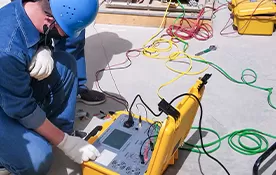
Portable CT PT tester devices are widely used in field environments where mobility and speed are essential.Common application scenarios include:
Substation commissioning
Routine maintenance inspections
Fault diagnosis after system failure
Transformer verification before energization
A key advantage of portable systems is their ability to perform multiple diagnostic functions in a single compact device, reducing the need for multiple instruments.
Elecgene CT PT Tester Solutions
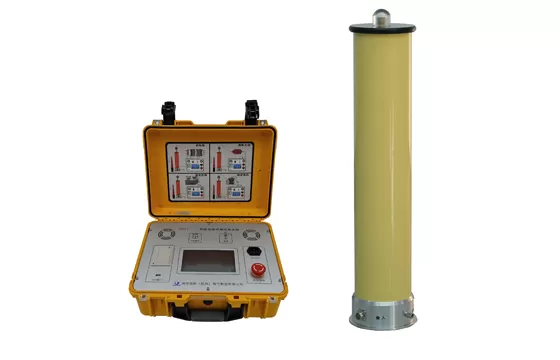
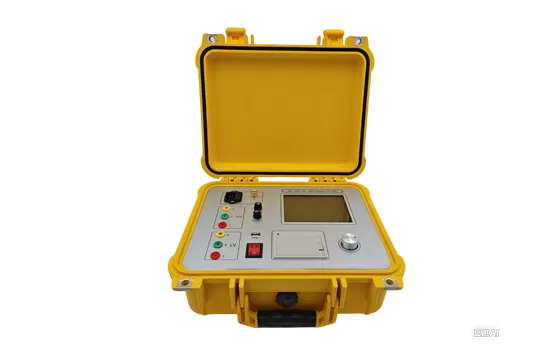
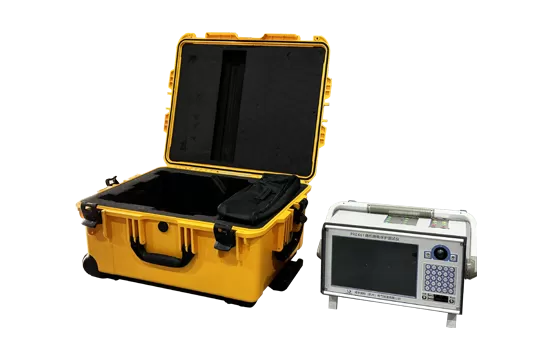
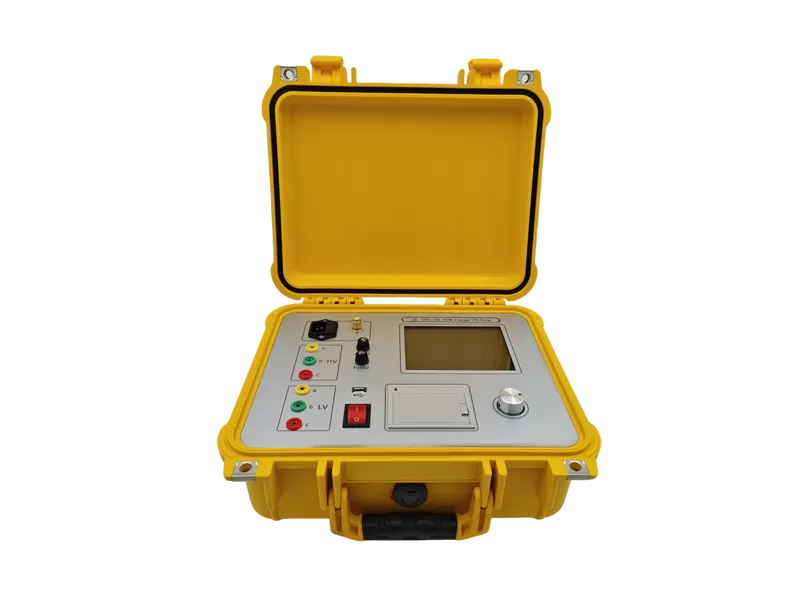
Elecgene provides advanced diagnostic technologies designed for modern power system requirements. Its testing ecosystem includes transformer diagnostics, insulation testing, and multifunction CT/PT analyzers such as the TCT-200F system.
Key advantages include:
High-precision measurement accuracy
Automated testing workflow
Portable field-ready design
Multi-function diagnostic capability
These solutions help engineers improve operational efficiency and ensure reliable performance in complex power networks.
Conclusion
CT PT tester systems are essential tools in modern power system maintenance and diagnostics. They ensure that current and potential transformers operate within accurate performance ranges, supporting safe and efficient energy distribution. When integrated with broader diagnostic systems, they contribute significantly to improving grid stability and reducing equipment failure risks.Elecgene continues to develop advanced testing technologies that support accurate, efficient, and intelligent power system diagnostics for global energy infrastructure.
FAQs About CT PT Tester Systems
What is the main purpose of a CT PT tester?
It is used to verify the accuracy, performance, and safety of current and potential transformers in electrical power systems.
Why are CT and PT tests important?
They ensure that measurement and protection systems receive accurate electrical signals, which is critical for system stability and safety.
Can CT PT testers detect transformer faults?
Yes, they can identify issues such as ratio errors, saturation problems, and winding irregularities.
Are CT PT testers used in all substations?
Most modern substations use them during commissioning and maintenance due to their importance in system validation.
What makes modern CT PT testers more efficient?
Automation, digital processing, and multi-function testing capabilities significantly reduce testing time and improve accuracy.

 English
  日本語
日本語  한국어
한국어  français
  Deutsch
  русский
  português
  العربية