In modern power systems, transformer reliability directly affects grid stability, operational safety, and long-term equipment performance. One of the most critical diagnostic procedures used to assess transformer health is the insulation resistance test for transformer. This test helps engineers detect insulation degradation, moisture intrusion, and aging effects before they lead to costly failures.
At Elecgene, advanced electrical diagnostic technologies are developed to support accurate field testing and intelligent condition monitoring. Through integrated solutions such as insulation resistance test for transformer systems and CT PT tester platforms, engineers can perform more complete and reliable power equipment diagnostics in substations and industrial environments.
What Is an Insulation Resistance Test for Transformer
The insulation resistance test for transformer is a diagnostic method used to evaluate the condition of electrical insulation in transformer windings. It measures how effectively the insulation material prevents unwanted current leakage under applied DC voltage.
Basic Principle of Insulation Resistance Measurement
During testing, a DC voltage is applied across transformer windings, and the resulting leakage current is measured. The resistance value is then calculated using Ohm’s law. Higher resistance values indicate better insulation quality, while lower values suggest possible deterioration or contamination.
Why It Matters in Power Systems
Transformers operate under high voltage conditions, and insulation failure is one of the leading causes of system breakdowns. Regular insulation testing helps identify:
Moisture ingress inside windings
Aging of insulation materials
Surface contamination and tracking
Partial insulation breakdown
Early detection significantly reduces the risk of unexpected outages.
Key Standards for Transformer Insulation Testing
Insulation testing is governed by international standards that define acceptable test methods and safety requirements.
IEC and IEEE Testing Guidelines
Industry standards such as IEC and IEEE specify:
Minimum acceptable insulation resistance values
Test voltage selection based on equipment rating
Temperature correction factors for accurate results
Safety procedures for high-voltage testing
Field Testing Practices
In real-world applications, insulation resistance testing is performed during:
Commissioning of new transformers
Routine maintenance inspections
Post-repair validation
Fault investigation procedures
Step-by-Step Transformer Insulation Resistance Test Procedure
Proper execution of the insulation test ensures accurate and repeatable results.
Pre-Test Preparation
Before testing begins:
Transformer must be fully isolated
All windings must be properly grounded
Surface moisture or contamination should be checked
Temperature conditions should be recorded
Test Execution Process
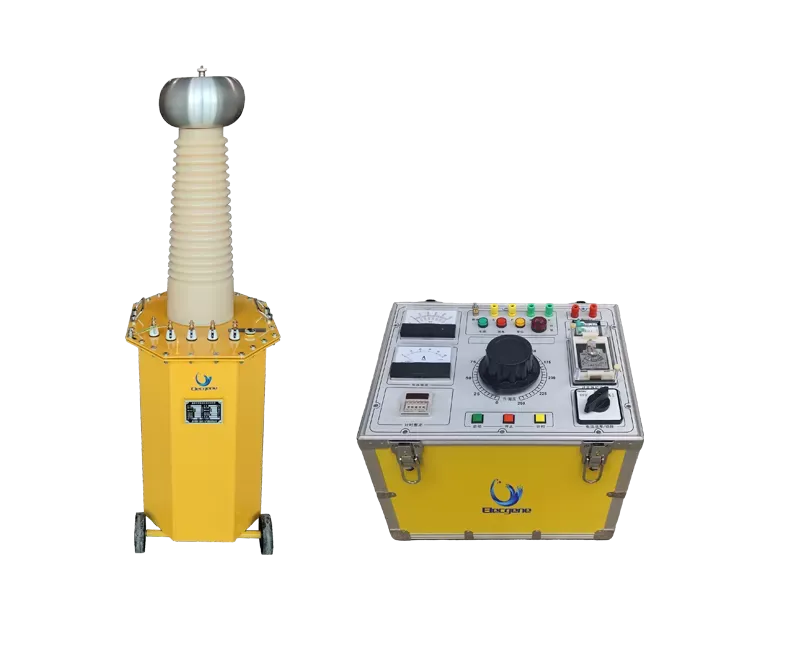
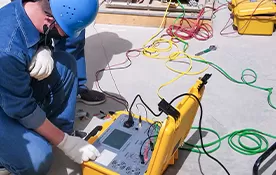
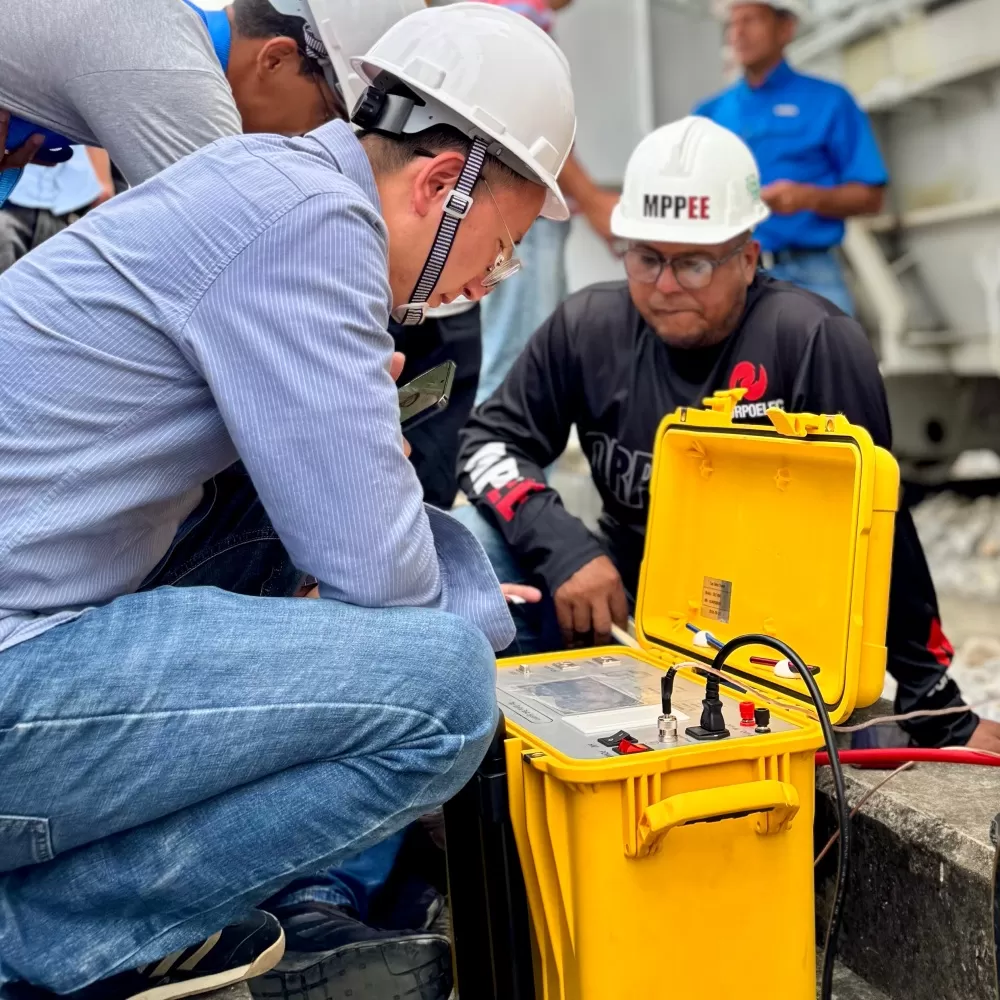
A DC voltage is applied using an insulation resistance testing device. The measurement is taken over a defined period, typically 1 to 10 minutes, to observe resistance stability.
Post-Test Evaluation
Engineers analyze:
Insulation resistance trend
Polarization Index (PI)
Dielectric Absorption Ratio (DAR)
Leakage current stability
These indicators help determine insulation condition and remaining lifespan.
Common Transformer Insulation Issues Detected by Testing
Insulation resistance testing can reveal several hidden problems, including:
Moisture accumulation inside windings
Oil contamination in insulation systems
Thermal aging of insulating materials
Surface tracking caused by pollution
Partial breakdown of insulation layers
Identifying these issues early allows maintenance teams to prevent major failures.
Insulation Resistance Test Equipment Overview
Modern diagnostic systems are designed to improve accuracy, speed, and automation in field testing.
Types of Insulation Testing Equipment
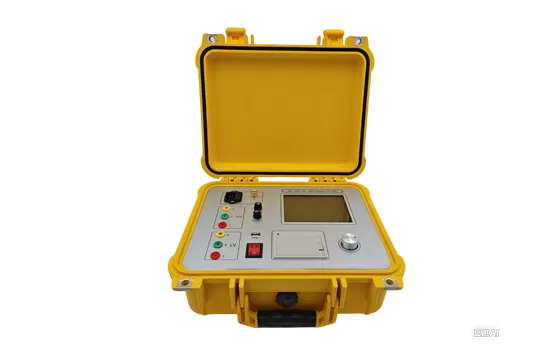
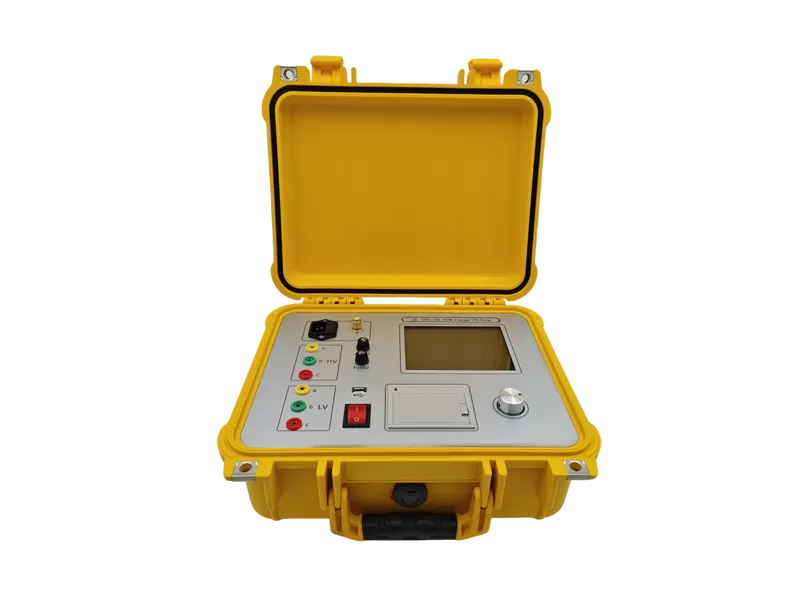
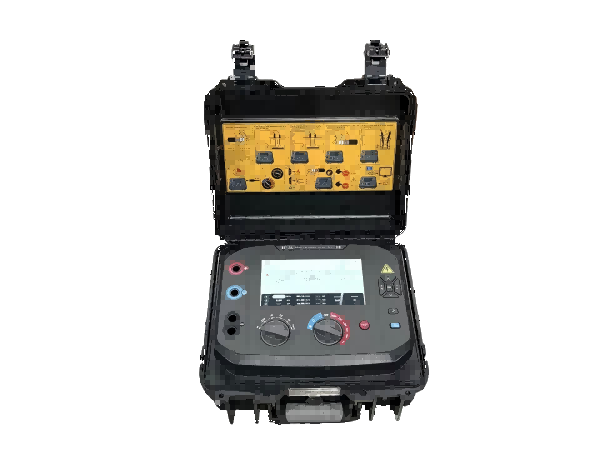
Portable insulation resistance testers
High-voltage digital diagnostic instruments
Automated multi-function testing systems
Advanced Diagnostic Functions
Modern systems may include:
Polarization Index measurement
Dielectric Absorption Ratio testing
Continuous resistance trend monitoring
Temperature compensation algorithms
Elecgene provides advanced diagnostic platforms as part of its electrical testing instruments portfolio, including solutions integrated with systems like CT PT tester equipment for substation diagnostics.
Table: Insulation Resistance Test Voltage Selection Guide
| Transformer Voltage Level | Recommended Test Voltage | Application Scenario |
|---|
| Low Voltage (<1kV) | 500V – 1000V | Distribution systems |
| Medium Voltage (1–33kV) | 2.5kV – 5kV | Industrial transformers |
| High Voltage (>33kV) | 5kV – 10kV+ | Power grid transformers |
Integration with CT PT Tester Systems in Power Diagnostics
Modern power system diagnostics increasingly rely on multi-parameter testing approaches. The insulation resistance test for transformer systems is often combined with CT/PT analysis to provide a more complete understanding of equipment health.
A CT PT tester evaluates current and voltage transformer accuracy, saturation characteristics, and ratio performance. When combined with insulation testing, engineers can assess both electrical accuracy and insulation condition in a unified diagnostic workflow.
This integrated approach improves maintenance efficiency and enhances grid reliability by identifying multiple failure risks in a single testing cycle.
Elecgene Transformer Testing Solutions
Elecgene specializes in advanced electrical diagnostic technologies designed for modern power systems. Its product ecosystem includes insulation testing equipment, transformer diagnostic tools, and multifunction CT/PT analyzers such as the TCT-200F system.
Key capabilities include:
High-precision insulation resistance testing
Automated CT/PT analysis for substations
Portable field diagnostic solutions
Multi-parameter transformer health evaluation
These technologies support engineers in performing accurate and efficient power system diagnostics in both field and laboratory environments.
Conclusion
The insulation resistance test for transformer systems remains one of the most important diagnostic tools in power engineering. It provides critical insight into insulation health, helping prevent failures and extend transformer service life. When combined with CT PT tester systems, it enables a more comprehensive approach to electrical asset management.
Elecgene continues to support global power industries with advanced diagnostic technologies designed for reliability, precision, and operational efficiency.
FAQs About Transformer Insulation Resistance Testing
What does an insulation resistance test measure?
It measures the resistance of transformer insulation to DC current leakage, indicating the quality and condition of insulating materials inside the equipment.
How often should insulation resistance testing be performed?
It is typically performed during commissioning, annual maintenance, or whenever abnormal transformer behavior is detected in operation.
What factors can affect test results?
Temperature, humidity, surface contamination, and transformer condition can all significantly influence insulation resistance readings.
Can insulation resistance testing detect all transformer faults?
No, it primarily detects insulation-related issues. Other diagnostic tests are required for mechanical or core-related faults.
Is insulation resistance testing safe for transformers?
Yes, when performed correctly using appropriate voltage levels and procedures, it is a safe and widely accepted diagnostic method.

 English
  日本語
日本語  한국어
한국어  français
  Deutsch
  русский
  português
  العربية