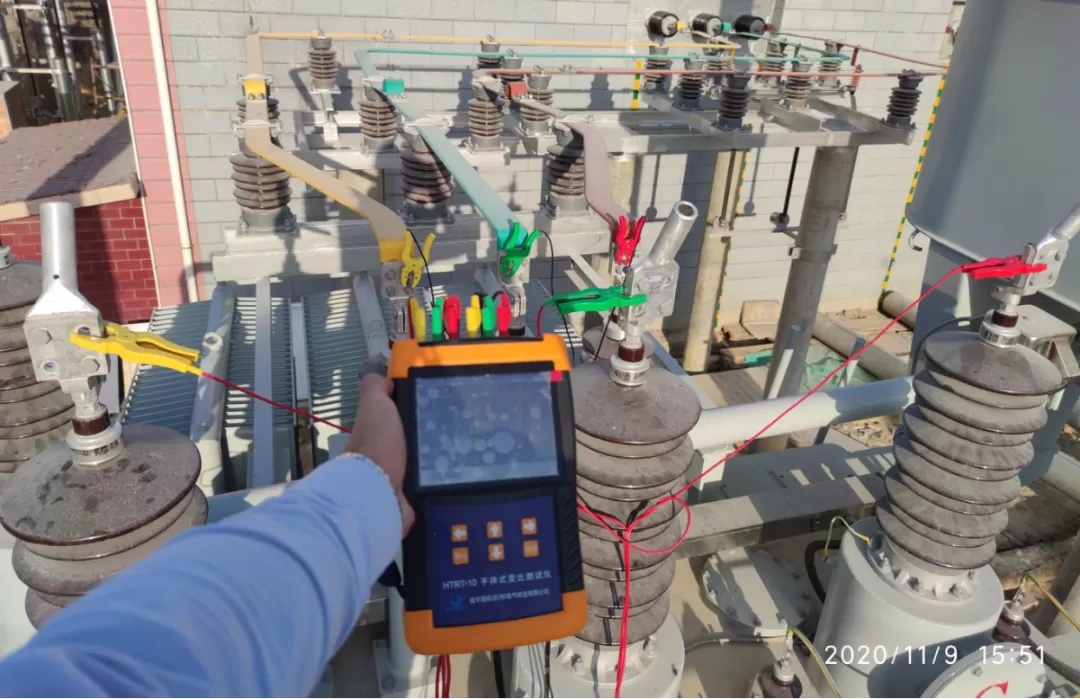
Introduction:
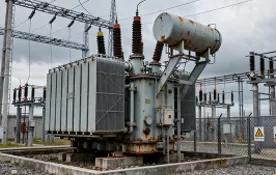
Transformers are one of the indispensable pieces of equipment in the power system, undertaking important tasks such as voltage transformation and power transmission. During the use of transformers, due to various reasons—such as manufacturing processes, material quality, and vibration during transportation—certain defects or faults may occur in the transformer. If these defects or faults are not discovered and addressed in a timely manner, they will bring huge risks to the safe operation of the power system. Therefore, transformer testing is conducted to inspect the performance and safety of the transformer, discover and eliminate potential defects or faults, and ensure the normal operation of the transformer.
Insulation Resistance
PART 1
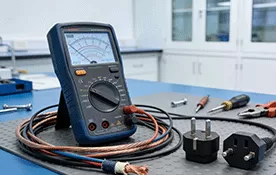
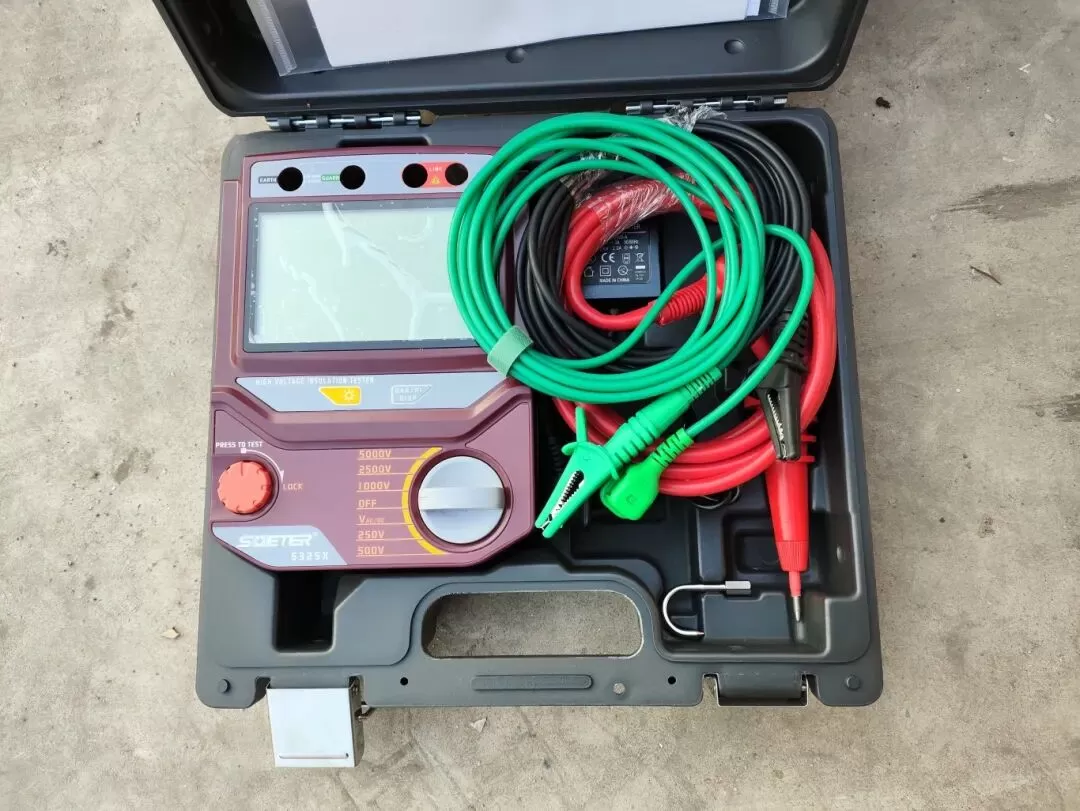
The insulation resistance test is one of the simplest and most commonly used test methods in the insulation testing of high-voltage electrical equipment. When the insulation of electrical equipment is damp, the surface is dirty, or there are traces of surface discharge or breakdown, its insulation resistance will drop significantly.
Depending on the insulation level and test requirements, the commonly used megohmmeter output voltages are: 100V, 250V, 500V, 1000V, 2500V, 5000V, 10000V, etc.
Because the voltage applied in the insulation resistance test is relatively low, for some concentrated defects, even if they may be very serious, the measured insulation resistance may still appear to be very large. Therefore, the insulation resistance test is only suitable for detecting penetrating defects and universal defects.
Dielectric Loss
PART 2
In an AC circuit, the magnitude and direction of the voltage change with time. The charged particles in the dielectric will make limited reciprocating displacements and rearrange along the direction of the alternating electric field. At the same time, friction also occurs between the particles, which causes energy loss. In addition, capacitors are not "ideal capacitors," and energy loss will also occur when charging a capacitive circuit, along with other losses such as partial discharge loss, etc. Therefore, no matter how good the insulation performance of the insulating medium is, energy loss will occur under the action of an electric field. That is to say, any insulating medium has losses, just of different sizes. Therefore, the magnitude of dielectric loss is an important indicator to measure the performance of dielectrics and is of great significance for judging the quality of insulation.
While measuring the dielectric loss, the capacitance of the test sample can also be obtained. If the insulation performance of the test sample declines, the capacitance will change significantly, so the capacitance is also an important parameter.
AC Withstand Voltage Test
PART 3
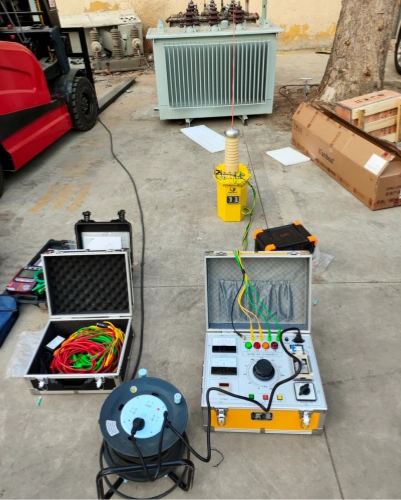
In various tests of the power system, although a series of non-destructive tests are performed on electrical equipment, which can detect many insulation defects, their test voltage is relatively low. Often, some defects, especially local defects, cannot be detected, which is not enough to ensure safe operation.
The voltage, waveform, frequency, and internal voltage distribution of the insulation of the test sample during the AC withstand voltage test are consistent with the actual conditions during operation under AC voltage. Therefore, it can truly and effectively detect insulation defects. To further expose the insulation defects of power equipment, check the insulation level of the equipment, and determine whether it can be put into operation, it is necessary to conduct a destructive test, that is, a withstand voltage test. The AC withstand voltage test is the strictest, most effective, and most direct test method for identifying the insulation strength of power equipment.
Induced Withstand Voltage and Partial Discharge Test
PART 4
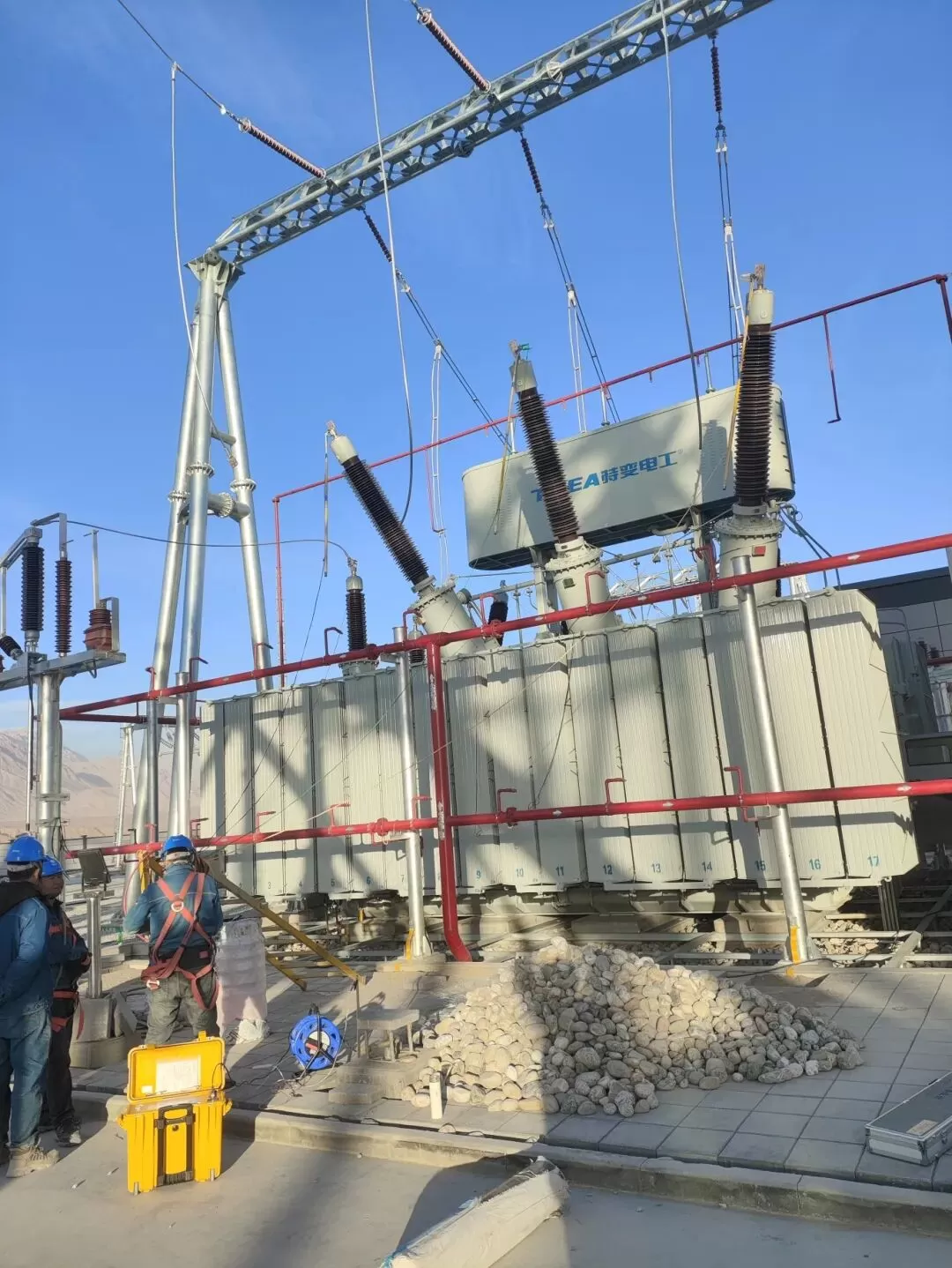
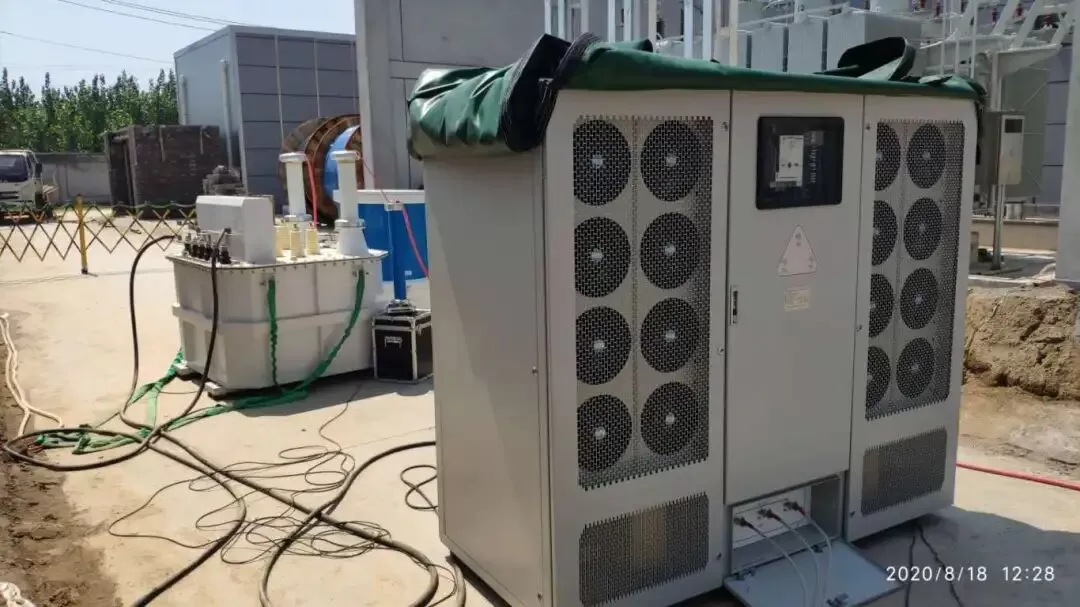
The main transformer induced withstand voltage and partial discharge test, as one of the most important quality control tests at the transformer handover site, is a highly difficult test item in electrical testing due to its large test capacity, high voltage, and complex wiring, coupled with the use of partial discharge detection methods for monitoring. It can predict latent faults inside the equipment, effectively prevent accidents from expanding, and is an important basis for whether the main transformer can be put into operation.
Because the test voltage of conventional tests is too low to reflect the true insulation level of the transformer. DC withstand voltage and applied AC withstand voltage cannot fully verify the insulation level of the transformer. Therefore, the double-frequency induced withstand voltage is currently the most effective means to detect internal insulation defects of transformers. It can detect parts of the main insulation of graded insulation transformers (insulation of windings to ground, between phases, and between windings of different voltage levels) and longitudinal insulation (between turns, layers, cakes, and sections of windings, etc.).
Transformer DC Resistance Test
PART 5
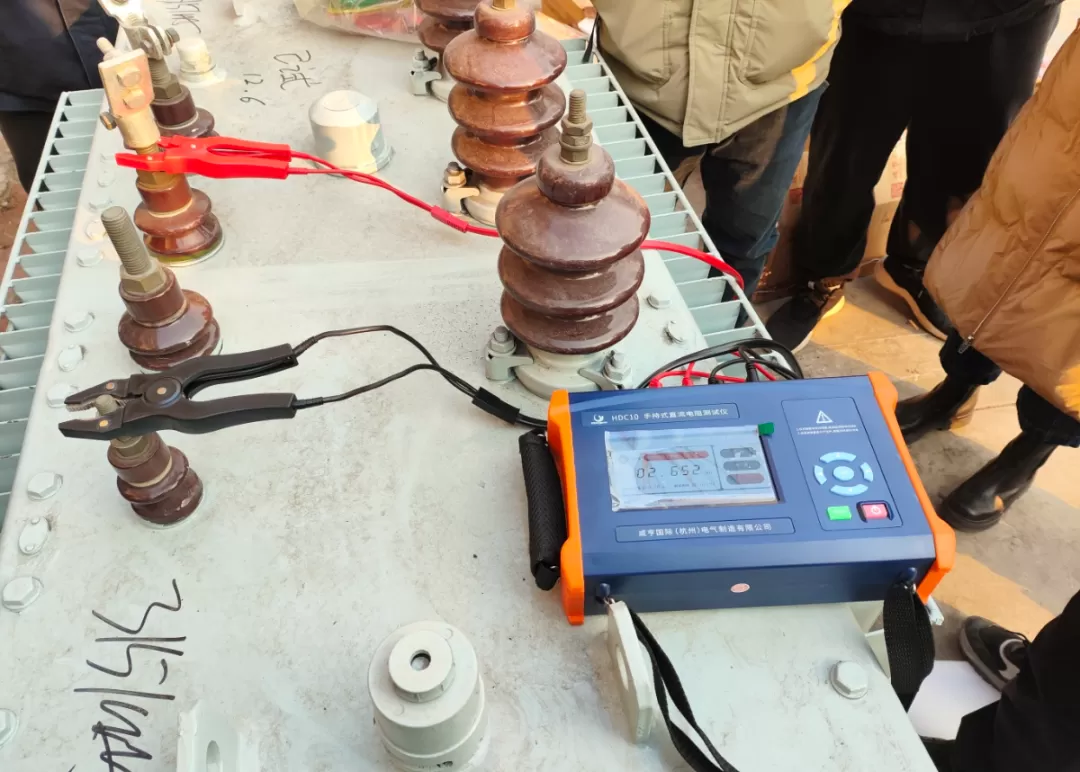
Test Purpose:
Check the welding quality of the windings;
Check whether the contacts at various positions of the tap changer are good;
Check whether there are any breaks in the windings or lead wires;
Check the correctness of parallel branches, and whether there are one or more broken wires in the windings wound by several parallel wires;
Check whether there is a short circuit between layers and turns;
Determine the average temperature rise of the winding.
Transformer Turns Ratio and Vector Group Test
PART 6
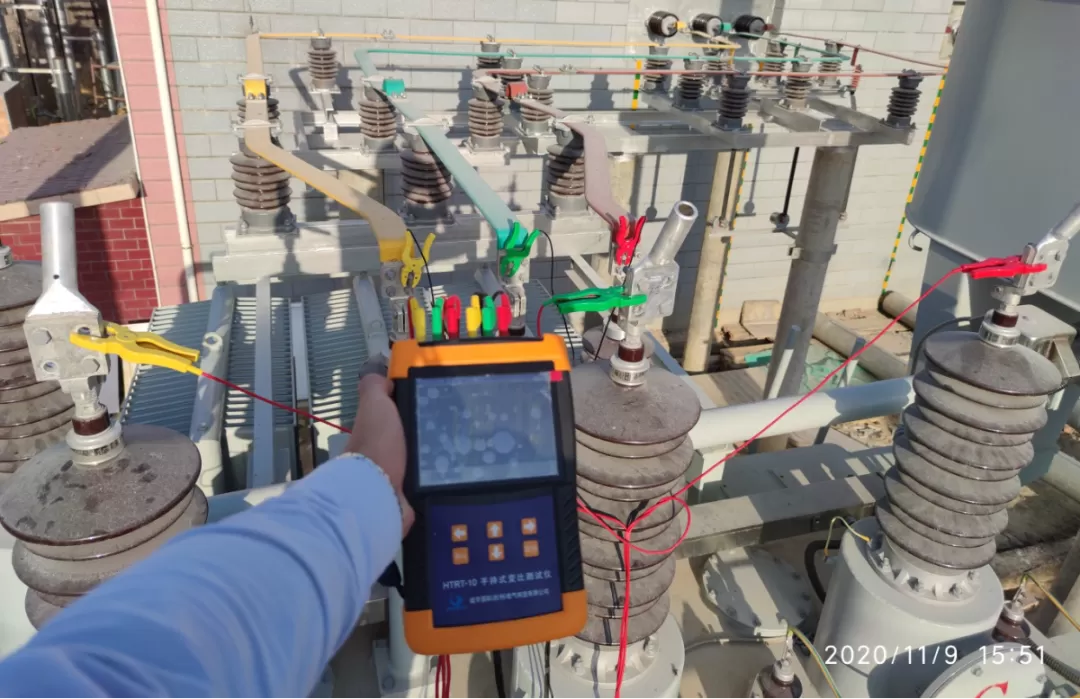
Test Purpose:By measuring the voltage ratio, turns ratio, and vector group of the transformer, it can reflect whether the number of coil turns of the transformer is correct, whether there is an inter-turn short circuit, and whether the connection of the transformer is correct, thereby judging the condition of the transformer winding.
Transformer Winding Deformation Test
PART 7
The axial or radial dimensional changes of power transformers under the action of mechanical or electrodynamic forces are usually manifested as local distortion, bulging, or displacement of the windings. When the interior of the winding cannot be observed, the internal condition of the transformer can be accurately judged through a winding deformation test. The commonly used testing methods are generally the frequency response method and the short-circuit impedance method.
Transformer Capacity and No-Load/Load Test
PART 8
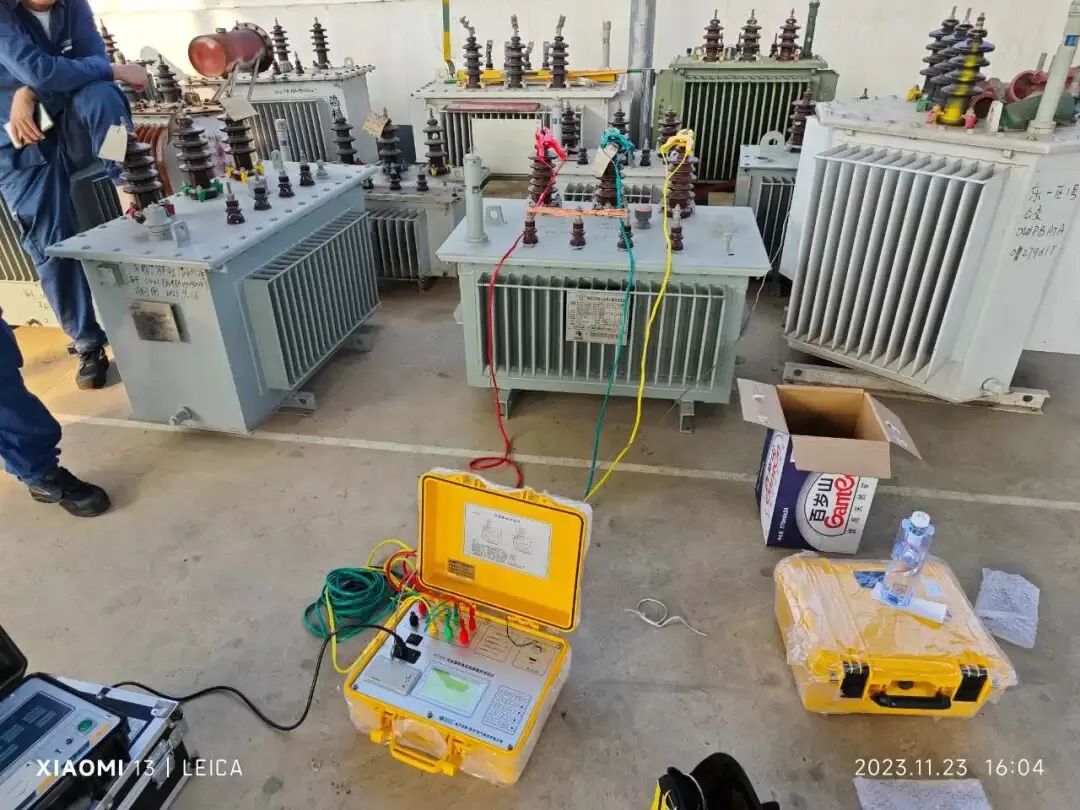
Transformer capacity testing is performed to detect the power capacity of the transformer. Due to energy shortages and rising electricity prices, some users are driven by profit to change the transformer nameplates, passing off large-capacity transformers as small-capacity ones to evade electricity surcharges. The transformer capacity tester is a dedicated instrument used to test the capacity of standard power distribution transformers under low voltage and small current conditions.
The purpose of conducting a no-load test is: to measure the no-load loss and no-load current of the transformer; to verify whether the design calculation and manufacturing process of the transformer core meet the requirements of technical conditions and standards, and to check whether there are defects in the transformer core, such as local overheating or poor local insulation.
The purpose of conducting a load test is: to calculate and determine whether the transformer can operate in parallel with other transformers, calculate and test the thermal and dynamic stability when the transformer is short-circuited, calculate the efficiency of the transformer, and calculate the variation of the secondary side voltage of the transformer due to load changes.
Transformer On-Load Tap-Changer Test
PART 9
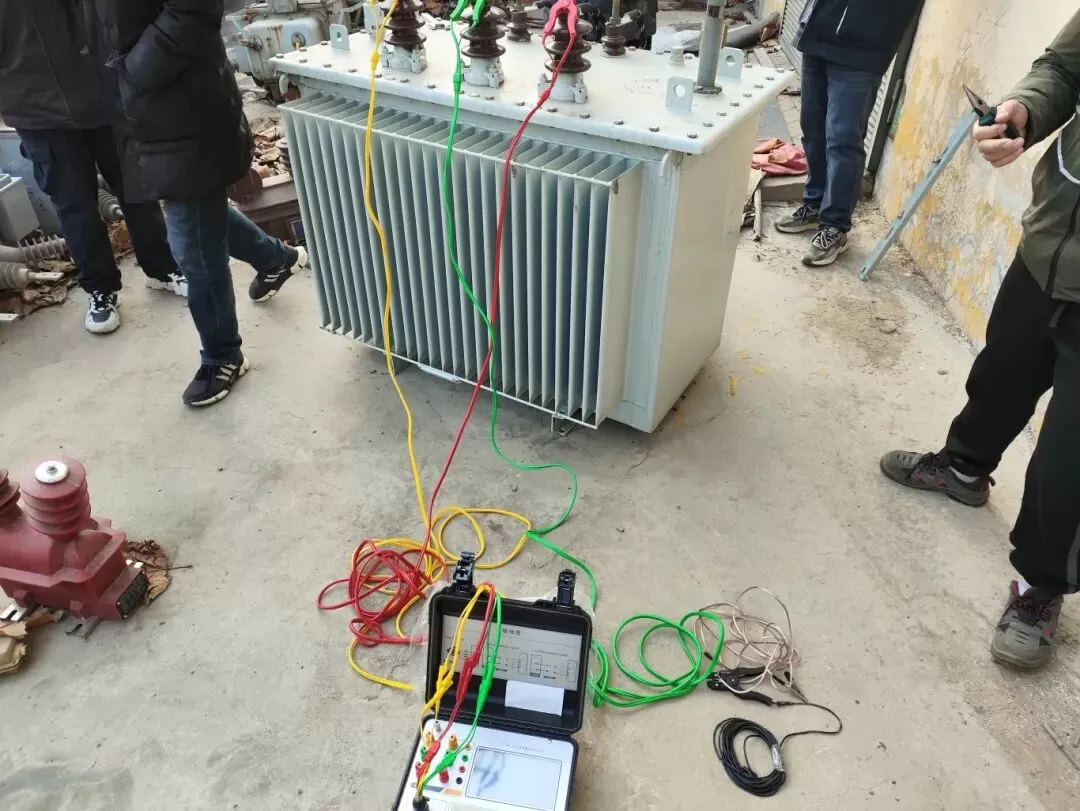
As one of the main equipments in the power system, the working status of power transformers is related to the safe operation of the entire power system. During the operation of a power transformer, due to different transmission capacities during peak and off-peak periods, the voltage amplitude fluctuates. To solve this problem, an on-load tap-changer is used to achieve variable ratio power supply of the transformer. The on-load tap-changer adjusts the secondary tap of the main transformer online according to the system conditions to adjust the voltage value, so as to ensure that the grid voltage amplitude will not be too high or too low during power usage peaks, valleys, and any other times. In the voltage regulation process, the on-load switch serves as a moving part in the transformer, and its working status will directly affect the operation of the transformer. Therefore, it is crucial to test the switching characteristics of the on-load tap-changer.
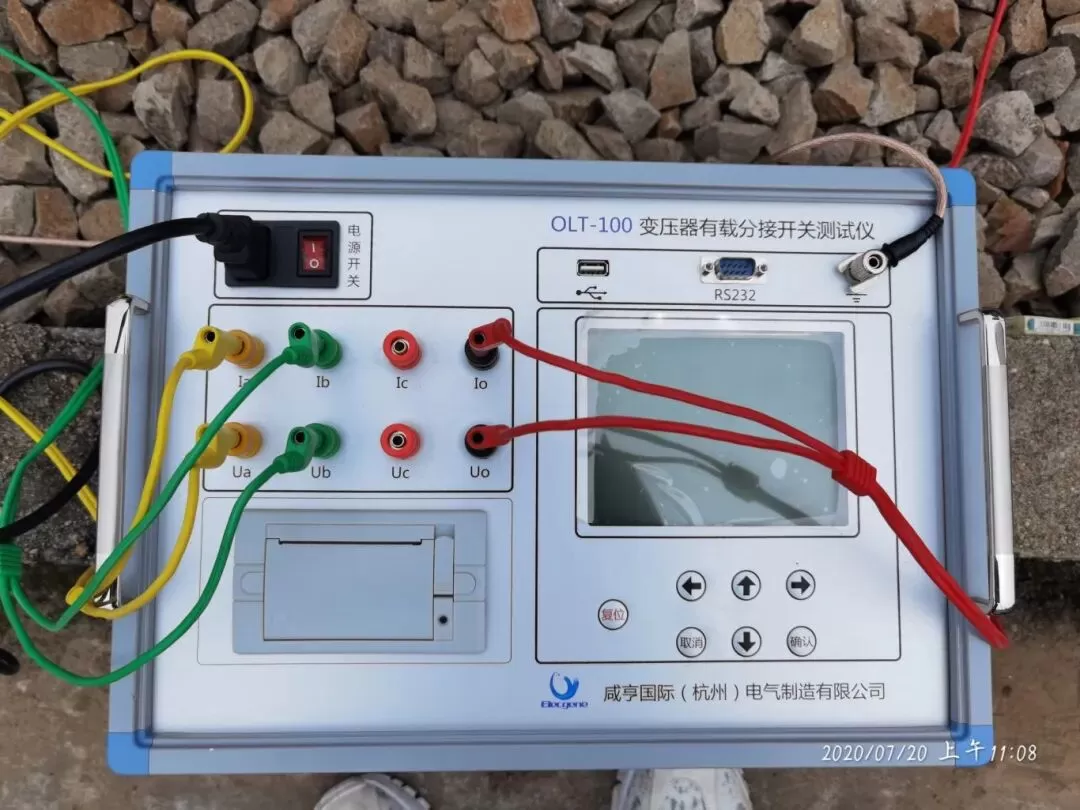
The purpose of testing with an on-load tap-changer tester is to measure various electrical parameters such as transition waveform, transition time, transition resistance, and three-phase synchronization when the on-load switch is operating, thereby judging its condition.

 English
  日本語
日本語  한국어
한국어  français
  Deutsch
  русский
  português
  العربية