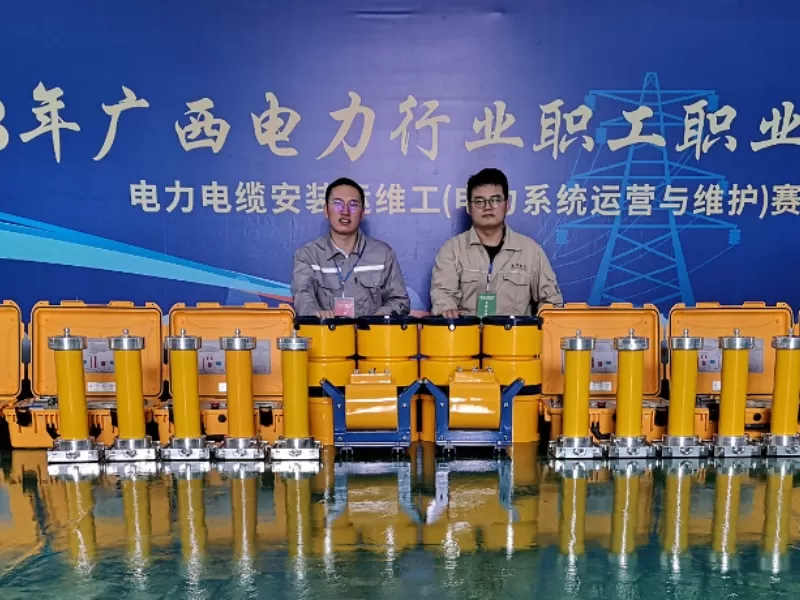
PART 1: Main Information of On-site Test
Table 1: Test Details & Basic Information
| Category | Details |
| Test Time | 2027-7-01 |
| On-site Tester | Li Deyao |
| Weather | Sunny |
| Test Location | Datong, Shanxi |
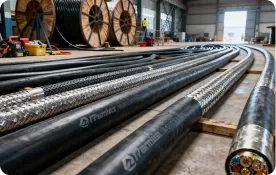
| Test Object Type | XLPE (Cross-linked Polyethylene) cable |
| Voltage Grade | 8.7/10kV |
| Test Item | AC withstand voltage test |
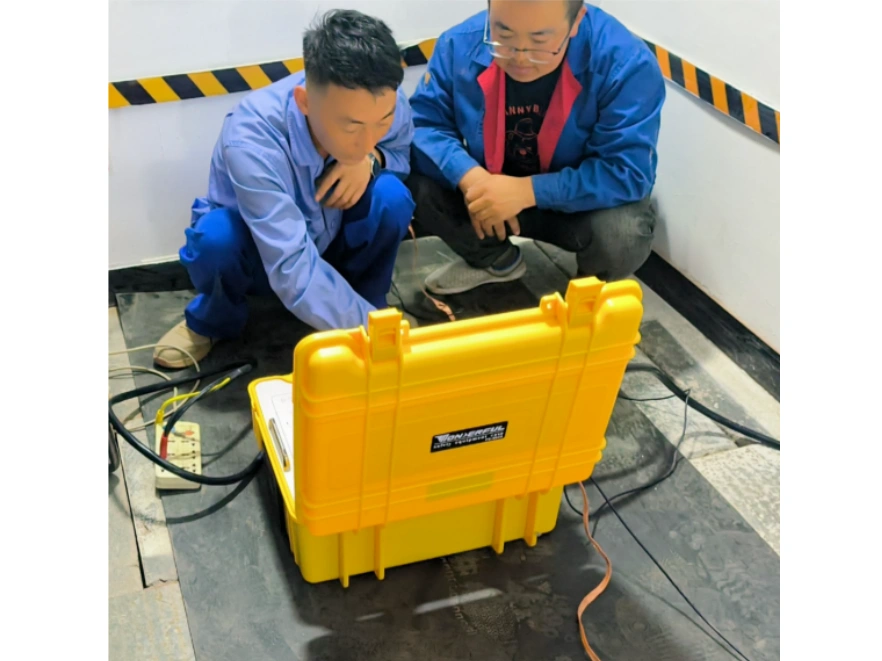
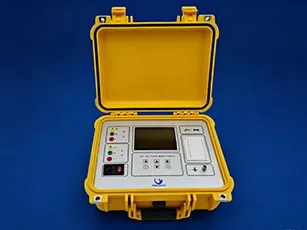
| Instrument Used | ESR-800 |
| Test Data | Passed the withstand voltage test |
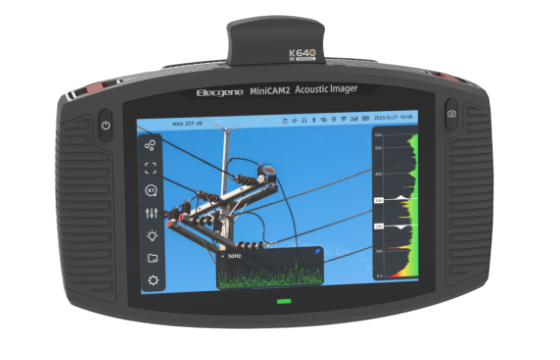
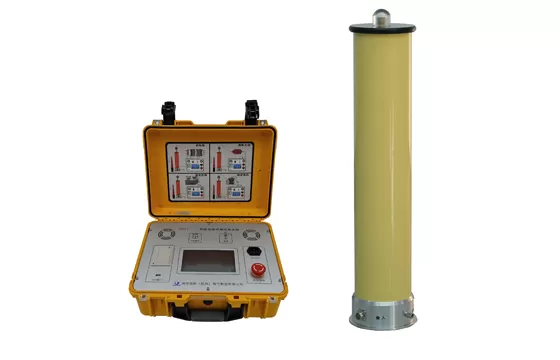
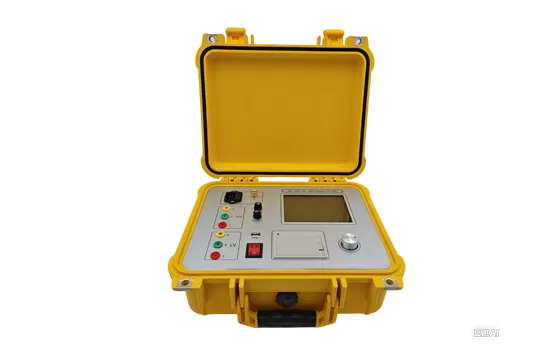
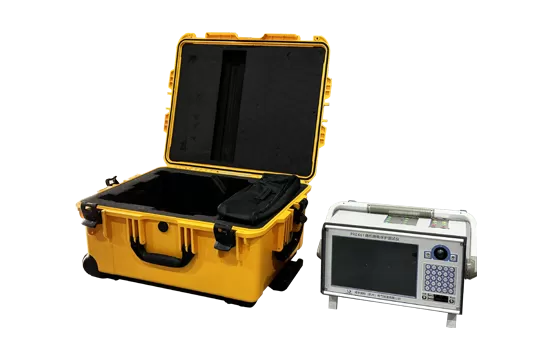
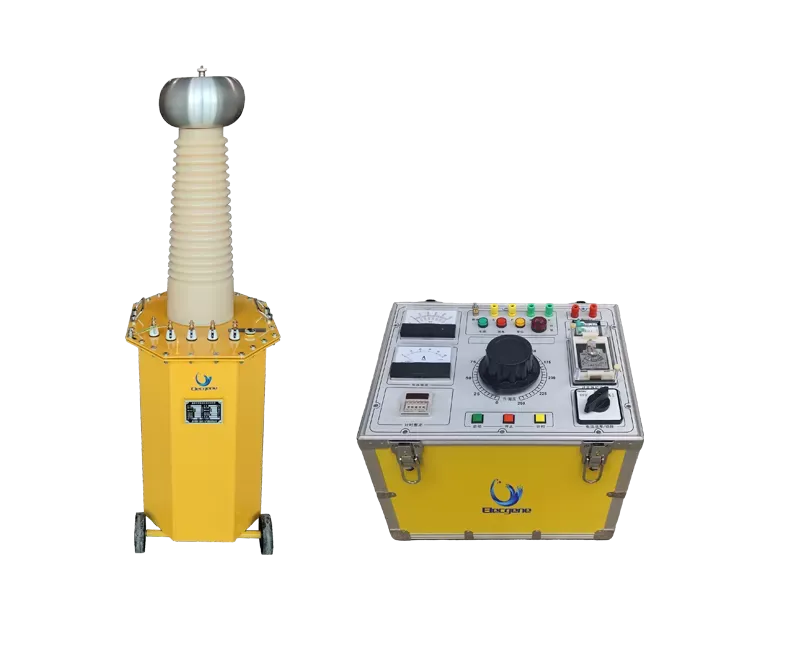
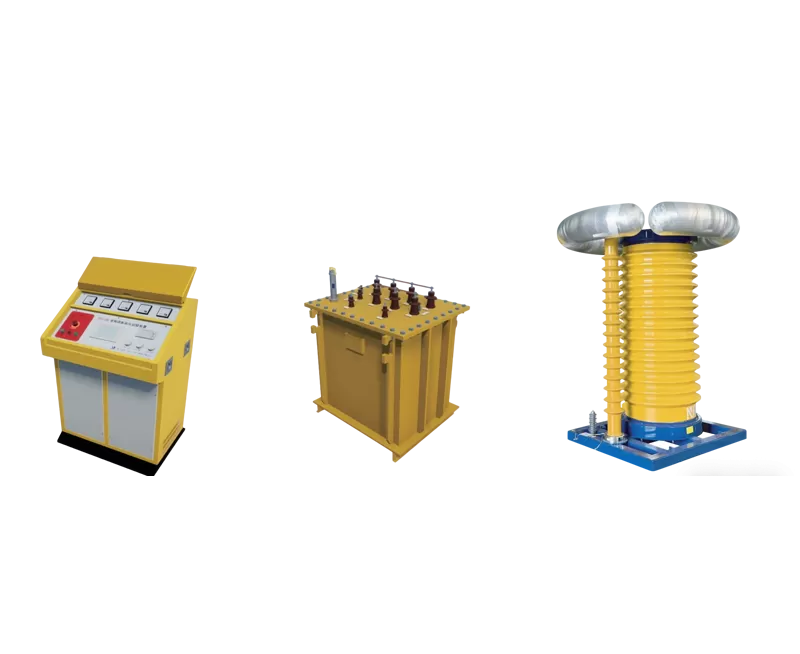
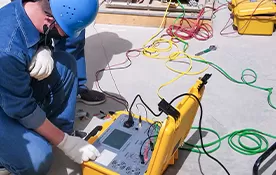
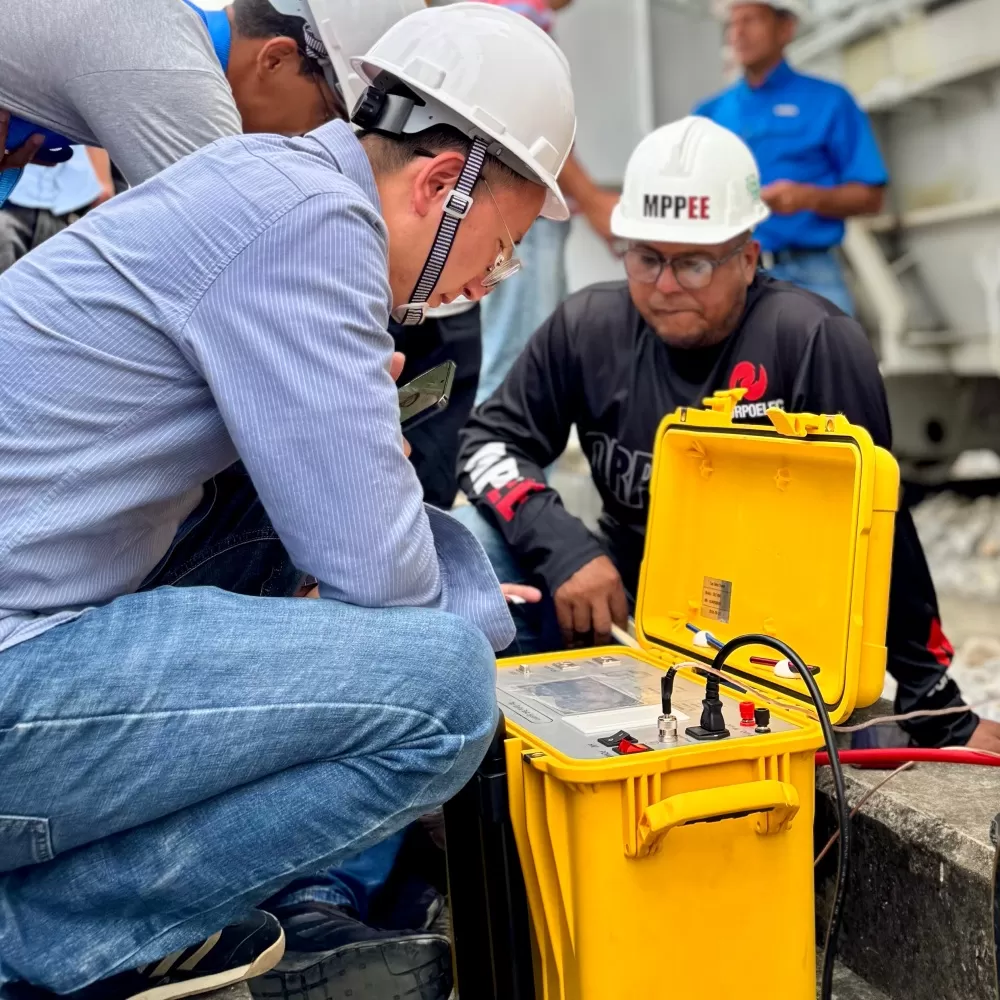
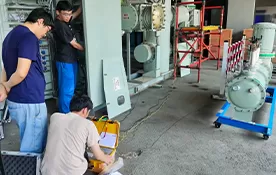
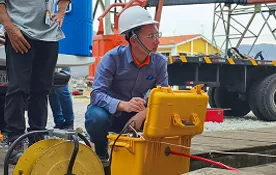
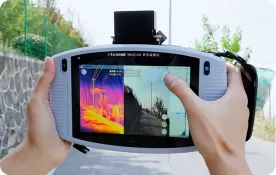
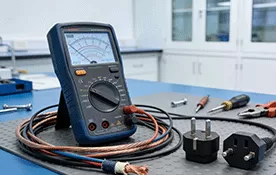
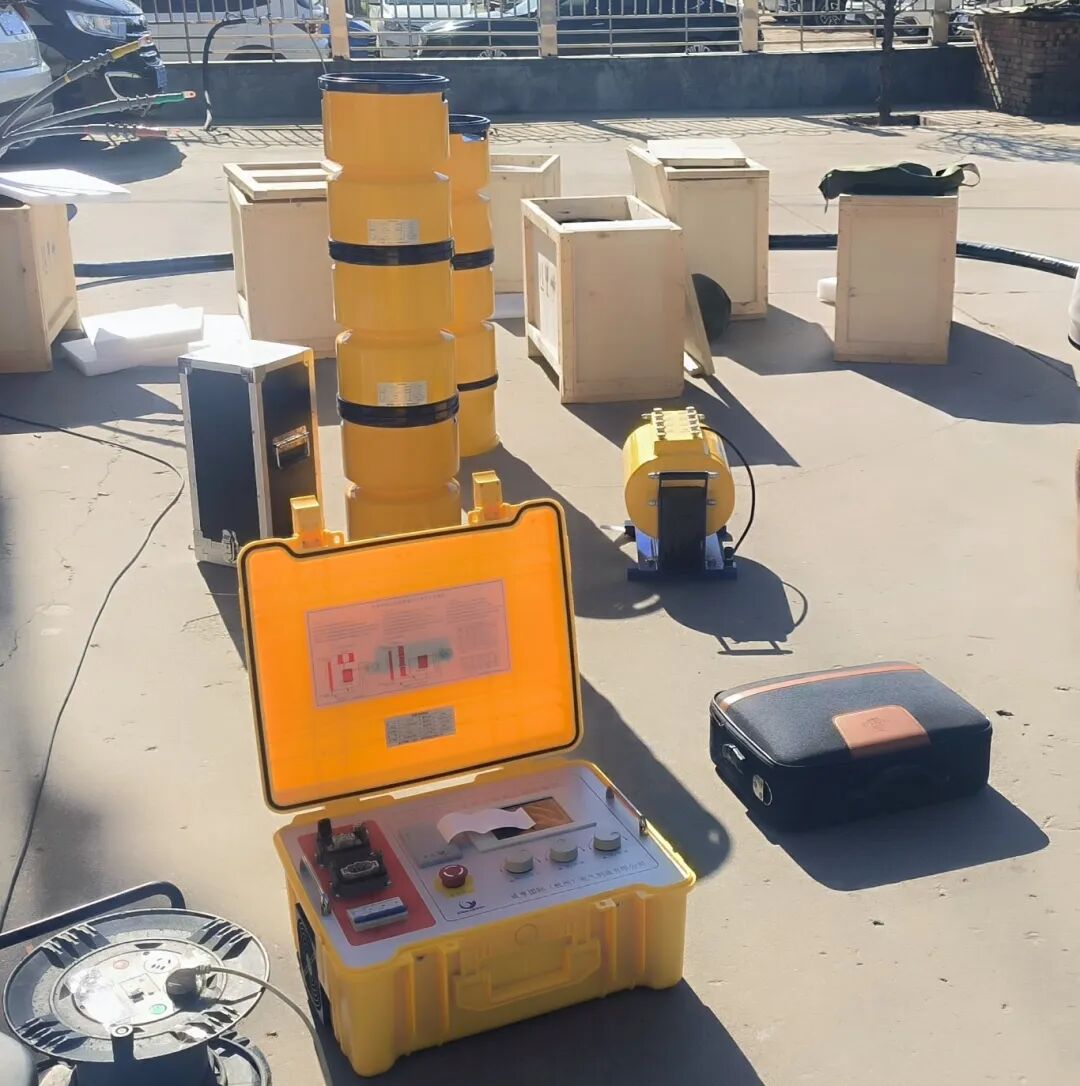
Pictures of On-site Test Instruments
PART 2: Test Process
Preparation at Switch Station: The test was conducted indoors at a 10kV switch station. Terminal heads were prepared at both ends of the cable. Voltage was applied to one phase at the test end, while the other two phases were short-circuited and grounded. The cable armor and shield were also grounded.
.jpg "Two reactors in parallel).jpg")
Equipment Setup: For the 10kV cable (300mm², 1.7km), two reactors were used in parallel.
Grounding and Power: Ground the instrument and the test object, and connect the main control box to the power supply.
Parameter Input: Input parameters such as reactor parameters, voltage divider ratio, excitation transformer ratio, test voltage, and withstand time on the host.
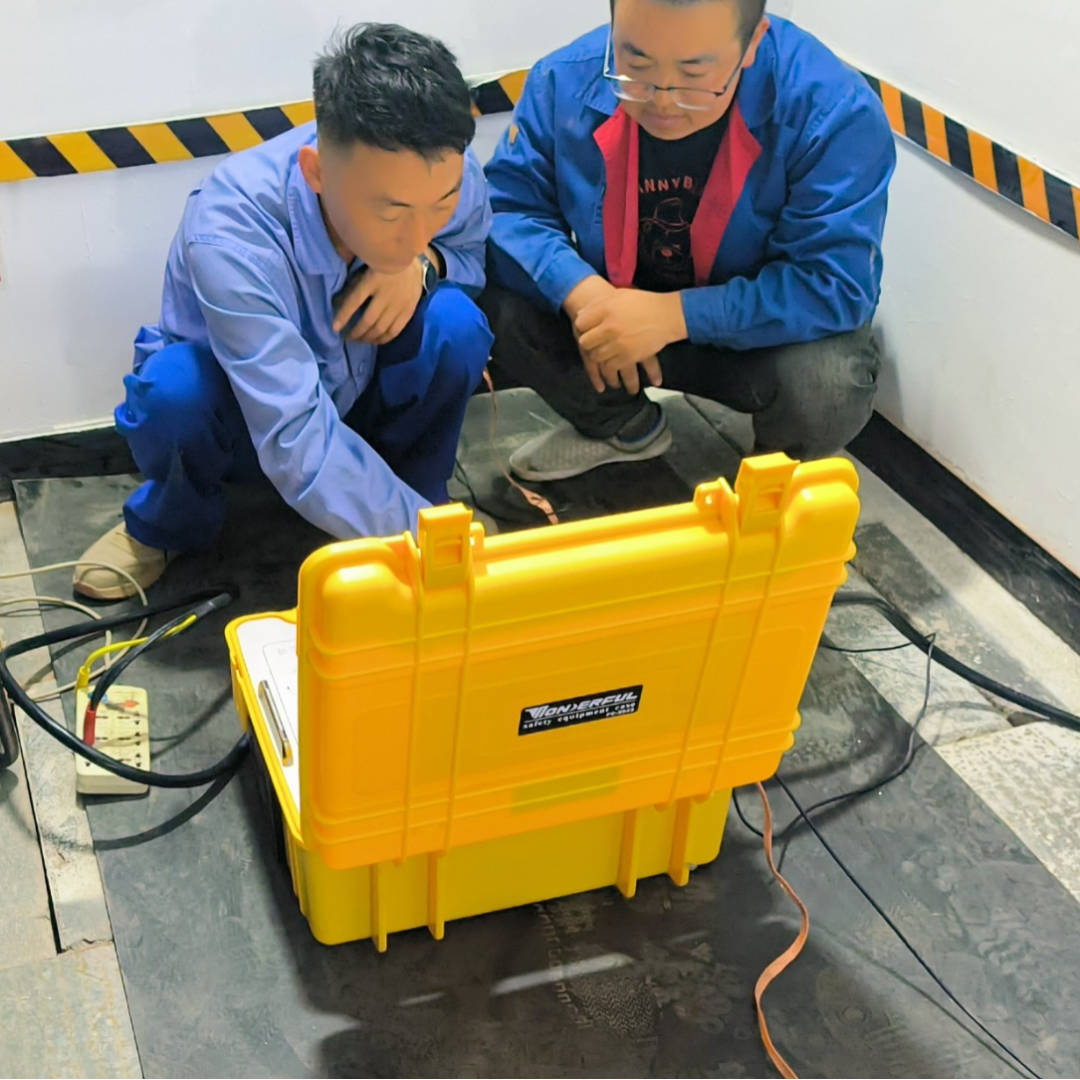
Finding Resonance and Testing: Around the calculated resonant frequency of 33Hz, find the actual resonant frequency (37Hz-39Hz), adjust the voltage to the test voltage of 17.4kV, and withstand the voltage for 15 minutes.
Result: All three phases passed the withstand voltage test.
PART 3: Test Summary
During the operation of electrical equipment, the insulation will gradually deteriorate under the long-term effects of the electric field, temperature, and mechanical vibration, including overall deterioration and partial deterioration, which forms defects. In addition, since the AC withstand voltage test voltage is generally higher than the operating voltage, the equipment has a larger safety margin after passing the test. Therefore, the AC withstand voltage test is an important means to ensure the safe operation of electrical equipment.

 English
  日本語
日本語  한국어
한국어  français
  Deutsch
  русский
  português
  العربية