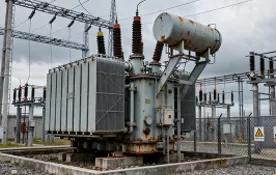
Transformer partial discharge is a localized electrical discharge that occurs within part of an insulation system without completely bridging the insulation between conductors. In power transformers, PD can appear in oil-paper insulation, bushings, winding insulation, pressboard, gas bubbles, voids, sharp edges, loose connections or areas with electric-field distortion.
For utilities, substations, transformer manufacturers and industrial maintenance teams, partial discharge is an early warning signal. It may not cause immediate failure, but long-term PD activity can degrade insulation, generate heat, produce gases and eventually lead to transformer breakdown. Elecgene provides Partial Discharge Testing & Gas Leak Equipment, Power Transformer Testing Equipment and Insulation Tester for transformer condition assessment.
What Is Transformer Partial Discharge?
Transformer partial discharge is a small, localized insulation breakdown caused by excessive electric stress in a limited area of the transformer insulation system. It is different from a full flashover or short circuit because the discharge does not completely bridge the insulation gap.
In transformer testing, PD activity is commonly measured by apparent charge, expressed in picocoulombs. One picocoulomb equals 10⁻¹² coulombs. However, PD diagnosis is not based only on one number. Engineers also evaluate discharge repetition rate, phase position, PRPD pattern, inception voltage, extinction voltage, acoustic location and trend over time.
IEC 60270 specifies conventional apparent-charge measurement methods for partial discharge testing in high-voltage electrical equipment under laboratory and field test conditions. It is primarily applied to AC testing and serves as the internationally recognized reference for conventional PD measurement. It defines the terms, quantities, measurement circuits and methods used in common PD testing applications.
Why Partial Discharge Matters in Power Transformers
Partial discharge matters in power transformers because it can indicate insulation defects before they develop into severe faults. A transformer may still operate normally while internal insulation damage is already progressing.
Common PD sources include voids in solid insulation, moisture contamination, floating metal particles, sharp conductor edges, oil gaps, bushing defects, loose shielding, poor winding support and aging insulation. In oil-filled transformers, PD may generate gases that can later appear in dissolved gas analysis. In dry-type transformers, PD may cause surface tracking, insulation erosion and carbonization.
A practical transformer maintenance program should not rely on one test alone. PD testing is often combined with insulation resistance, tan delta/power factor, transformer turns ratio, winding resistance, oil testing, dissolved gas analysis and SFRA. Elecgene transformer testing solutions help users evaluate both electrical integrity and insulation condition, improving the reliability of commissioning and preventive maintenance.
Transformer Partial Discharge Testing Methods Compared
Transformer partial discharge testing methods include conventional electrical measurement, UHF detection, acoustic detection, ultrasonic imaging and online monitoring. Each method has different strengths, limitations and suitable application scenarios.
| PD Testing Method | Main Signal | Typical Use | Strength | Limitation |
|---|
| IEC 60270 Electrical PD Test | Apparent charge in pC | Factory test, offline acceptance | Standardized and quantitative | Sensitive to noise and setup quality |
| UHF PD Detection | Electromagnetic signal | Online transformer monitoring | Good noise immunity in some sites | pC calibration can be difficult |
| Acoustic PD Detection | Ultrasonic sound | PD location inside tank or outside equipment | Helps locate discharge source | Signal can be weakened by structure |
| Acoustic Imager | Ultrasonic array + visual image | Live inspection of substations and assets | Fast visual localization | Best for external or accessible sources |
| DGA Support | Gas by-products | Oil-filled transformer condition review | Useful trend indicator | Does not directly locate PD source |
The IEEE C57.113-2023 transformer PD guide discusses wideband measurement of the apparent charge of PDs that may occur in liquid-filled power transformers and shunt reactors under AC test voltages from 40Hz to 400Hz. For unconventional methods, CIGRE TB 662 partial discharge detection guidelines provides recommendations for applying conventional IEC 60270 and unconventional PD methods to high-voltage equipment including power transformers.
How to Interpret Transformer Partial Discharge Test Values
Transformer partial discharge test values should be interpreted by comparing magnitude, pattern, voltage level, location, test conditions and historical trend. A fixed “good” or “bad” PD value cannot be applied to every transformer without considering design, voltage class, insulation system and test standard.
There is no universal acceptable PD magnitude for all transformers. Acceptance limits should follow the manufacturer's specifications, project requirements, applicable standards, and transformer voltage class. Trend analysis and repeatable discharge patterns are generally more valuable than a single PD magnitude.
| PD Observation | Practical Meaning | Recommended Action |
|---|
| No repeatable PD pattern | Usually low risk | Record baseline |
| Low and stable pC value | Often acceptable if within specification | Monitor trend |
| Increasing PD magnitude | Insulation stress may be developing | Re-test and compare |
| High pC with clear PRPD pattern | Possible defect source | Locate and investigate |
| PD starts at low voltage | Weak insulation area likely | Do not ignore before energization |
| Acoustic/UHF source detected | Localized discharge likely | Inspect related component |
PD inception voltage and extinction voltage are also important. If PD starts at a voltage close to normal operating voltage, the risk is higher than a discharge that appears only at an elevated factory test voltage. Trend is often more valuable than a single reading because increasing discharge activity may show progressive insulation deterioration.
How Elecgene Supports Transformer Partial Discharge Detection
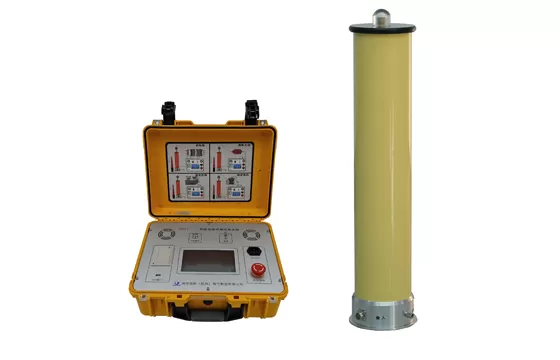
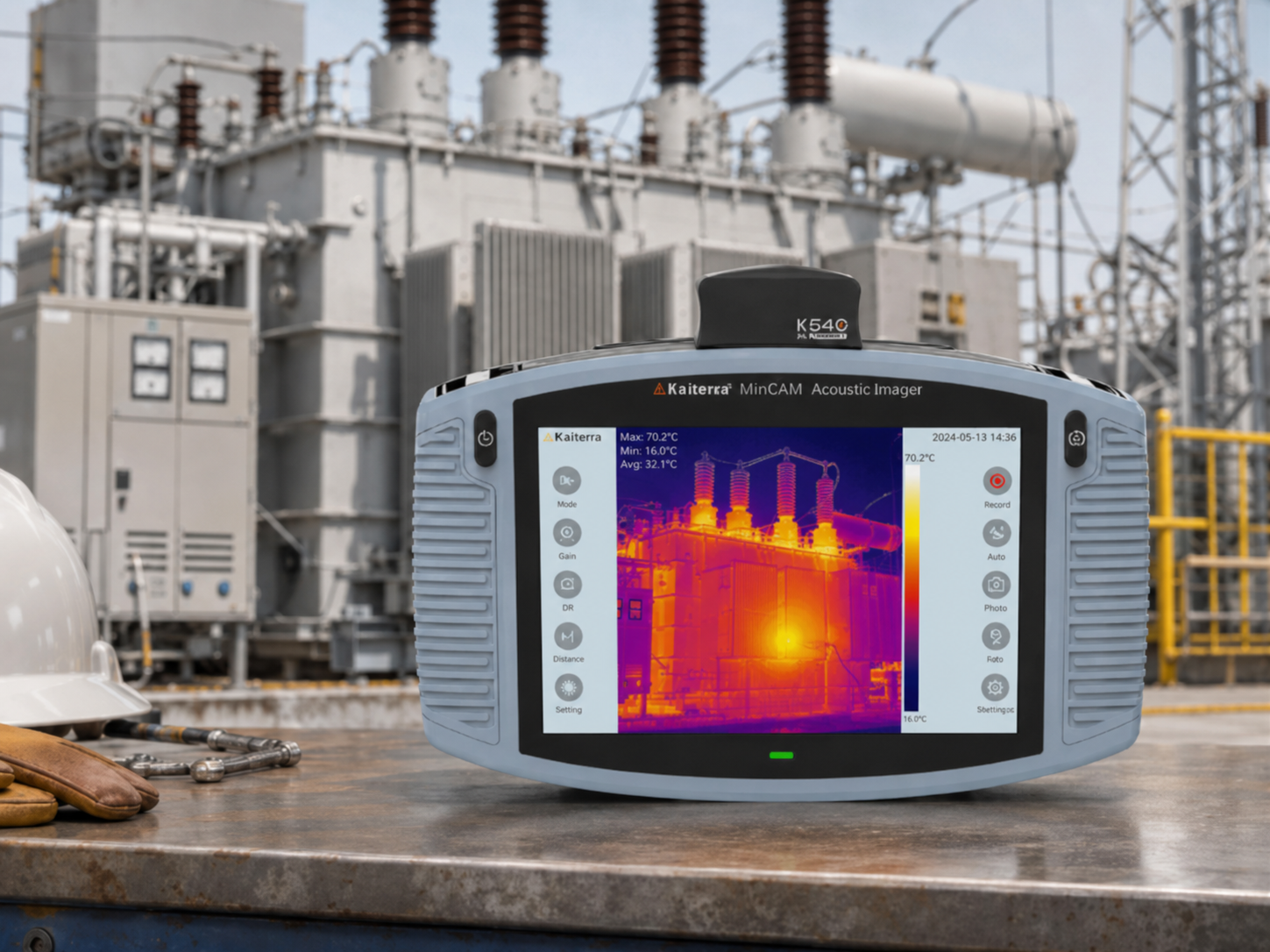
Elecgene supports transformer partial discharge detection by combining acoustic imaging, ultrasonic monitoring, insulation testing and transformer diagnostic tools for live inspection and maintenance programs. This helps teams identify abnormal discharge activity earlier and reduce unnecessary downtime.
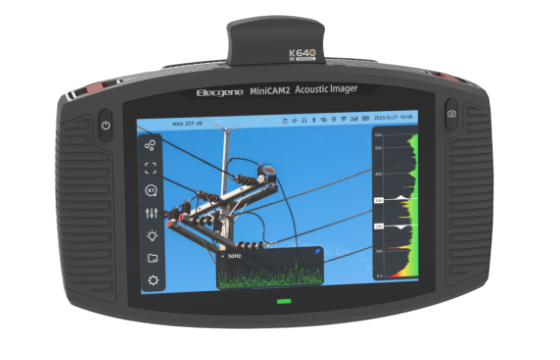
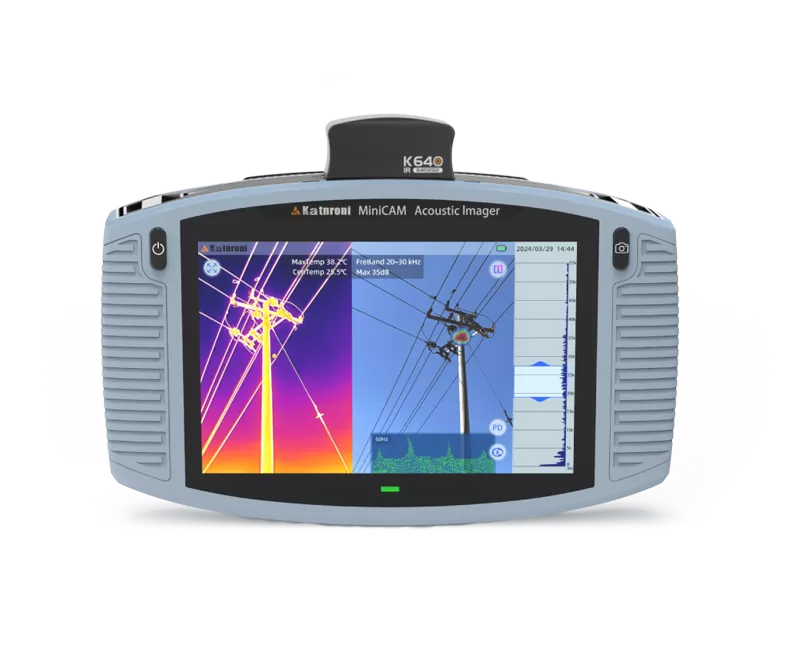
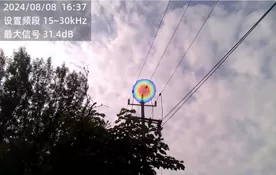
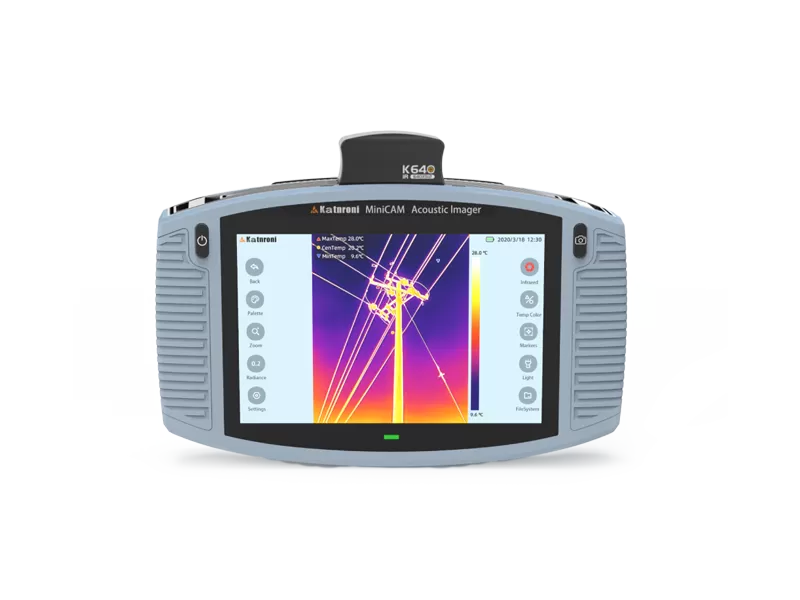
Elecgene's MiniCAM acoustic imagers use 128 digital microphones and ultrasonic monitoring to detect electric faults, gas leaks and hard-to-hear abnormal sounds.
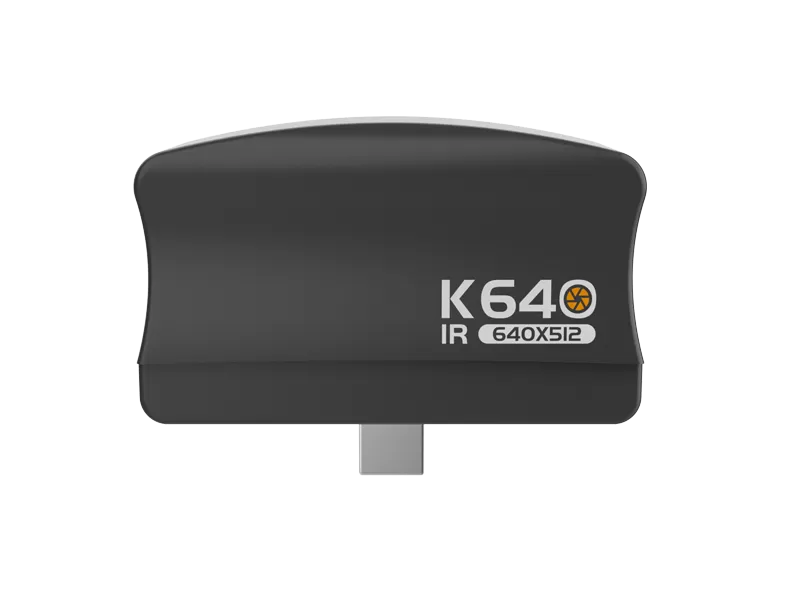
Note: With the optional infrared module, infrared detection and simultaneous on-screen infrared and acoustic testing can be performed, aiding in the assessment of the severity of anomalies in power equipment.
For transformer yards, substations and electrical rooms, acoustic imaging can help technicians quickly visualize where abnormal discharge-like sound is coming from.
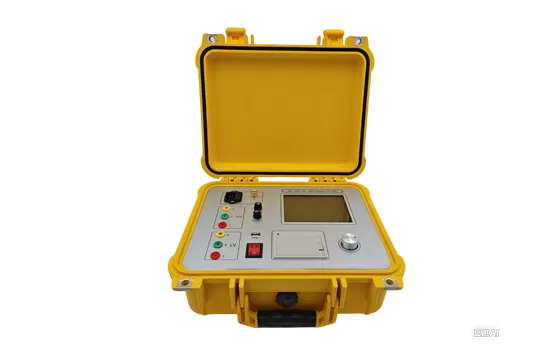
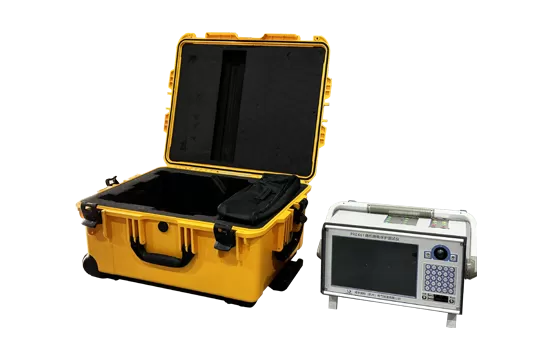
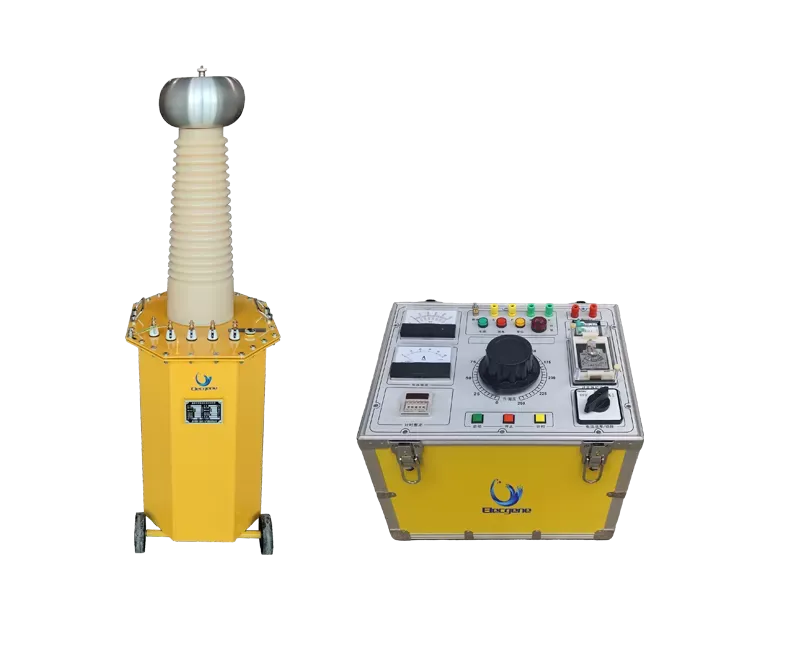
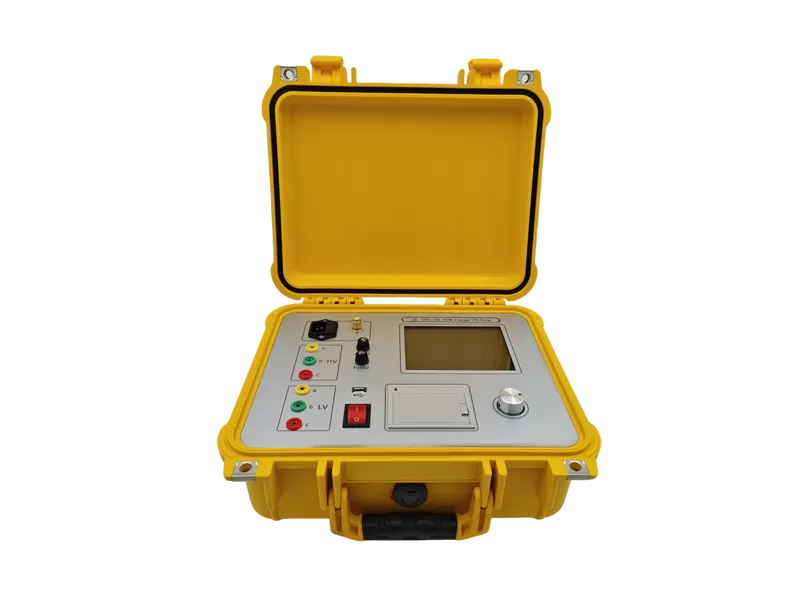
For deeper transformer diagnosis, Elecgene also provides transformer testing equipment for turns ratio, winding resistance, insulation condition and other electrical tests. A complete transformer PD workflow should include preliminary inspection, insulation screening, acoustic or electrical PD detection, pattern analysis, source location and follow-up maintenance decision.
Conclusion
Transformer partial discharge is an important early warning indicator of insulation defects. It can be caused by voids, moisture, contamination, sharp edges, loose parts, bushing issues or insulation aging. A good PD diagnosis should not rely only on a pC number; it should combine apparent charge, PRPD pattern, inception voltage, acoustic location, trend data and other transformer test results.
For utilities, substations, transformer manufacturers and industrial users, regular PD inspection can reduce unexpected failure risk and improve asset reliability. Elecgene supports transformer partial discharge detection with acoustic imaging equipment, partial discharge testing tools, insulation testing tools and transformer diagnostic instruments for commissioning, routine inspection and condition-based maintenance.
FAQ
1. What is partial discharge in a transformer?
Partial discharge in a transformer is a localized electrical discharge within part of the insulation system. It does not fully bridge the insulation but can damage insulation over time.
2. What causes transformer partial discharge?
Common causes include voids, moisture, contamination, sharp edges, floating metal particles, loose shielding, bushing defects, aging insulation and local electric-field distortion.
3. What unit is used for partial discharge measurement?
Conventional electrical PD measurement often uses apparent charge in picocoulombs. One picocoulomb equals 10⁻¹² coulombs.
4. What is a good transformer partial discharge value?
There is no universal good value for all transformers. Low and stable PD within the manufacturer’s specification is usually acceptable, while high, increasing or repeatable PD patterns require investigation.
5. Can partial discharge be detected online?
Yes. Online PD detection can use UHF, acoustic, ultrasonic or monitoring sensors. These methods are useful for in-service transformers where shutdown is difficult.
6. Why choose Elecgene for transformer partial discharge detection?
Elecgene provides partial discharge testing and gas leak equipment, acoustic imaging tools, insulation testing tools and transformer testing instruments to support live inspection, fault localization and condition-based maintenance.

 English
  日本語
日本語  한국어
한국어  français
  Deutsch
  русский
  português
  العربية