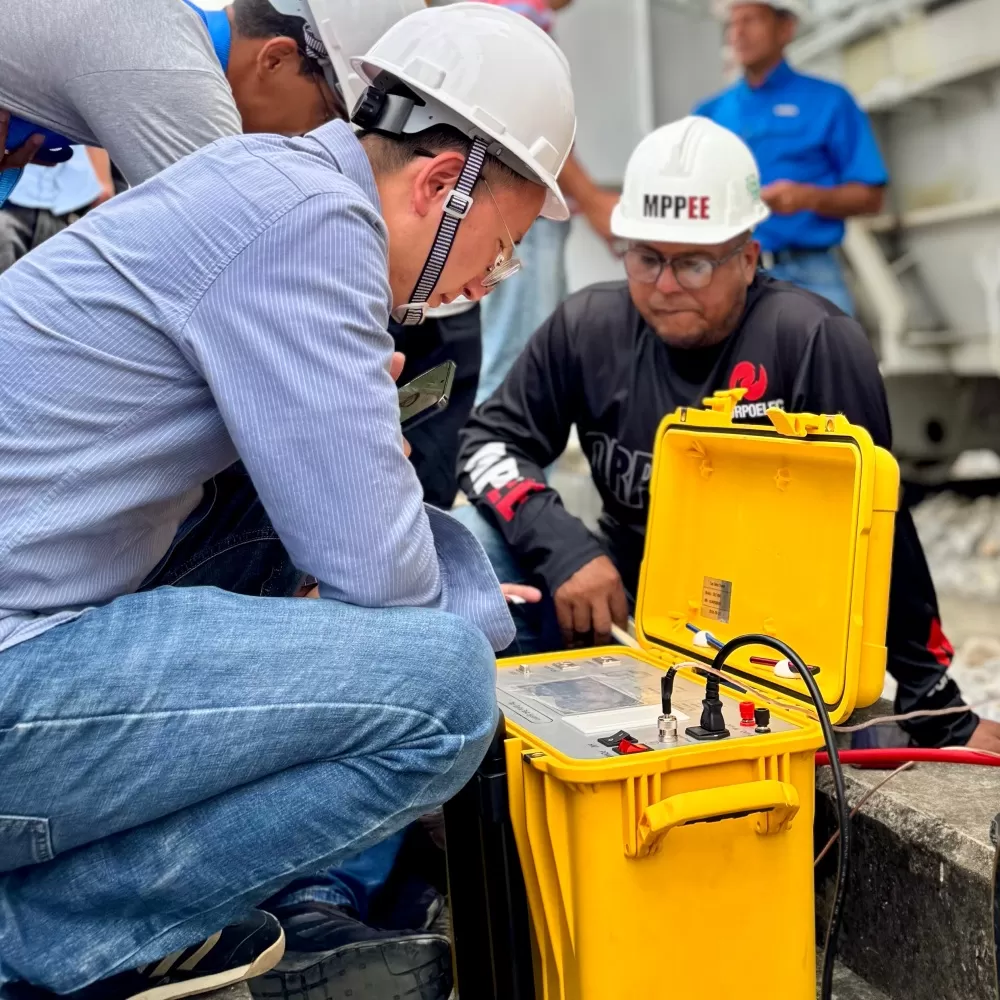
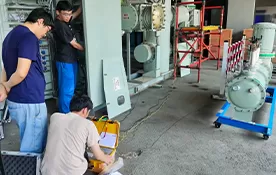
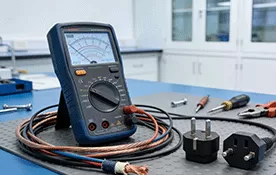
Circuit breaker inspection is the process of checking, testing and documenting a circuit breaker’s mechanical, electrical and insulation condition to ensure it can open, close and interrupt faults safely. In substations, industrial plants, rail transit, utilities and power distribution systems, a circuit breaker is a critical protection device, and inspection quality directly affects safety, uptime and equipment life.
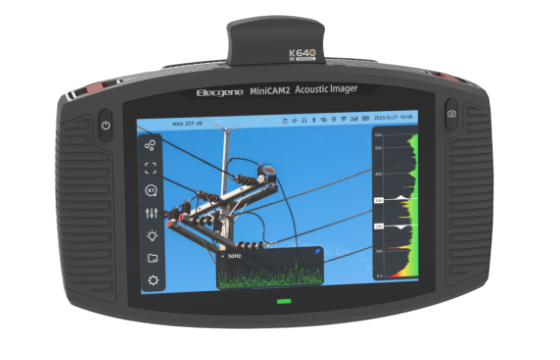
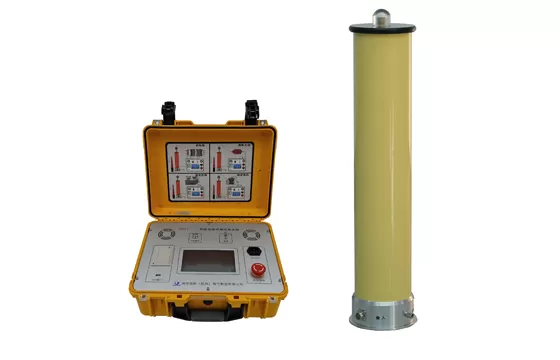
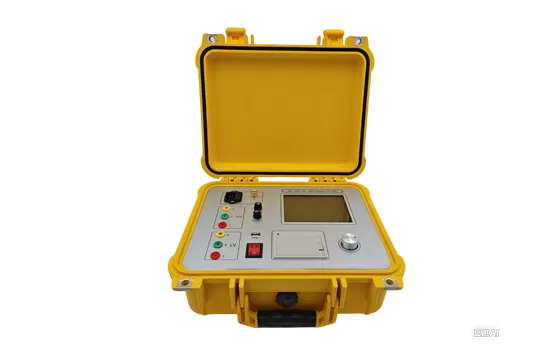
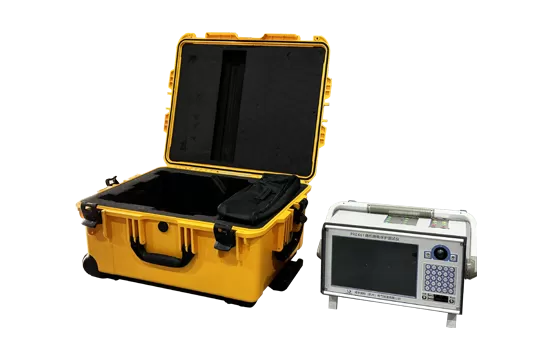
A complete inspection should not stop at visual checks. It should include mechanical operation, contact condition, timing and travel analysis, coil current measurement, insulation testing, control circuit verification and test record comparison. Elecgene provides Circuit Breaker Testing Equipment, power protection testing tools and diagnostic instruments for medium- and high-voltage electrical maintenance.
What Is Circuit Breaker Inspection?
Circuit breaker inspection is a preventive maintenance activity used to confirm that a breaker is clean, mechanically sound, electrically stable and ready to operate during normal switching or fault interruption. It helps detect wear, loose connections, insulation deterioration, delayed operation and mechanism problems before they cause failure.
In practice, inspection covers three levels: visual inspection, mechanical operation check and electrical diagnostic testing. Visual inspection identifies surface damage, contamination, overheating signs, corrosion, loose hardware and abnormal wear. Mechanical inspection checks opening and closing operation, spring or motor mechanism, linkages, latches, interlocks and auxiliary contacts. Electrical testing checks timing, contact resistance, coil current, insulation resistance and trip/close circuit performance.
For high-voltage breakers, the inspection framework should also consider standards. IEC 62271-100 high-voltage alternating-current circuit-breakers applies to three-phase AC circuit breakers for indoor or outdoor installation on systems above 1,000V and operating at 50Hz or 60Hz.
Key Items in a Circuit Breaker Inspection Checklist
A circuit breaker inspection checklist is a structured list of visual, mechanical, electrical and safety items that technicians verify before returning a breaker to service. A checklist helps reduce missed defects and improves repeatability across maintenance teams.
| Inspection Item | What to Check | Why It Matters |
|---|
| Nameplate and records | Type, rating, voltage, serial number, last test data | Confirms correct equipment and test baseline |
| Exterior condition | Dust, moisture, rust, cracks, missing parts | Detects environmental and mechanical damage |
| Contacts | Wear, burning, pitting, alignment, contact pressure | Affects resistance, heating and interruption ability |
| Mechanism | Springs, motor, latches, linkages, lubrication | Ensures reliable open/close operation |
| Trip and close coils | Coil current, pickup voltage, waveform | Detects weak coils or control circuit issues |
| Timing and travel | Opening time, closing time, speed, stroke, bounce | Identifies slow or inconsistent operation |
| Insulation condition | Phase-to-phase and phase-to-ground insulation | Finds moisture, dirt and insulation degradation |
| Interlocks and auxiliaries | Electrical and mechanical interlock function | Prevents unsafe switching or racking errors |
| Test documentation | Results, trends, corrective actions | Supports maintenance decisions and compliance |
A strong inspection process should always compare current results with previous records. A breaker may still pass a single test but show a trend toward slower operation, higher contact resistance or weaker coil performance.
Circuit Breaker Testing Methods Used During Inspection
Circuit breaker testing methods are diagnostic procedures used to measure the mechanical and electrical performance of a breaker under controlled conditions. These tests help maintenance teams move from “looks normal” to measurable equipment condition.
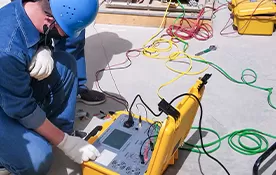
Timing tests measure opening time, closing time, contact synchronization and bounce. Travel tests measure stroke, speed, overtravel and rebound. Coil current analysis shows how trip and close coils behave during operation, helping identify friction, weak voltage supply or mechanical drag. Contact resistance testing checks whether main contacts are carrying current efficiently. Insulation resistance testing checks the insulation condition between phases and ground.
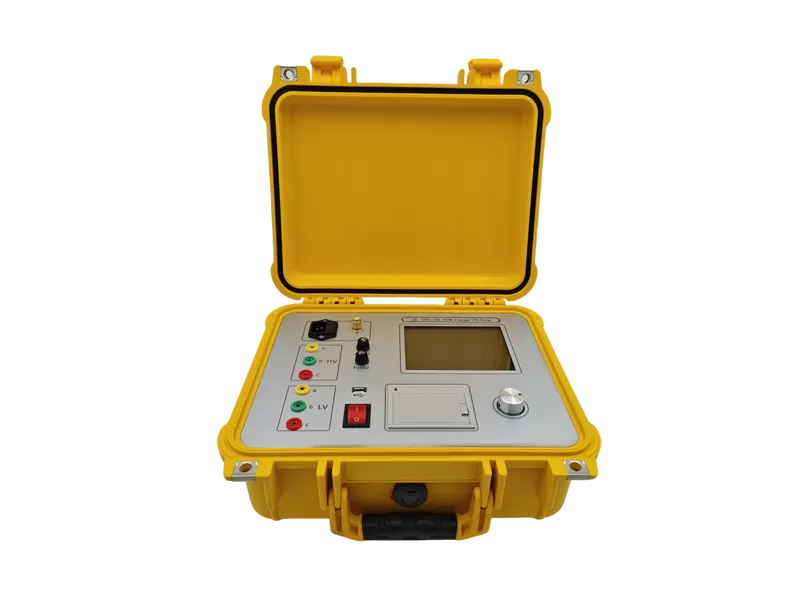
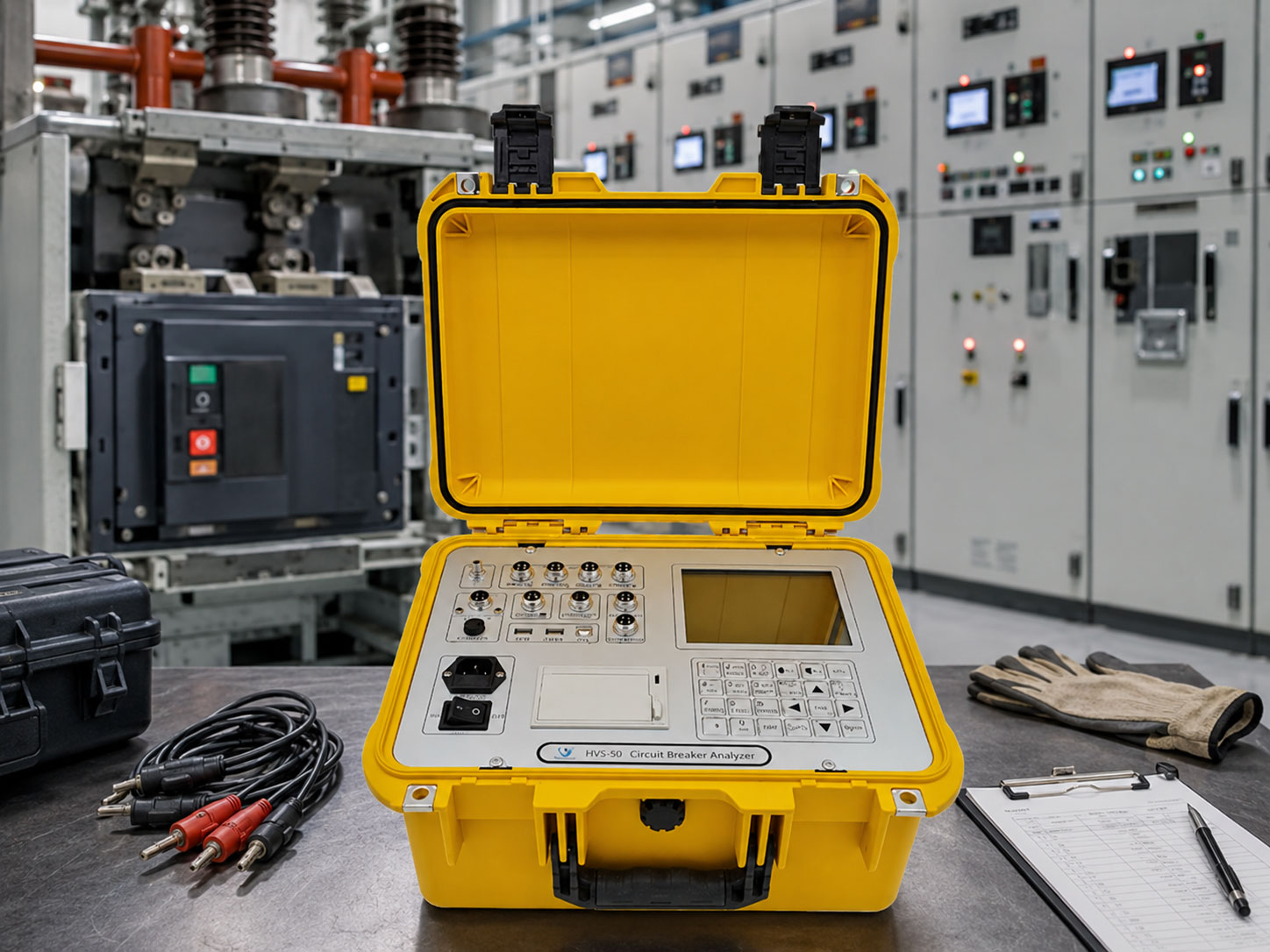
Elecgene's HVS-50 Circuit Breaker Analyzer supports timing measurements, motion and travel measurements, vibration measurements, coil current analysis and minimum pickup voltage testing for close and open operations. The HVS-50 series is designed for medium- and high-voltage circuit breakers.
For acceptance projects, ANSI/NETA ATS acceptance testing specifications are useful because they are designed to verify that electrical systems and apparatus are operational, within applicable standards and manufacturer tolerances, and installed according to design specifications.
Safety Requirements Before Circuit Breaker Inspection
Circuit breaker inspection safety requirements are the procedures used to protect workers from electric shock, arc flash, stored energy and unexpected operation during maintenance. Because circuit breakers are connected to power systems and spring mechanisms, safety preparation must be completed before inspection or testing.
Before inspection, technicians should isolate the breaker, verify zero voltage, apply grounding where required, discharge stored energy, release or secure spring mechanisms and use approved PPE. Control circuits, CT circuits, auxiliary power and remote operation commands should also be considered. Unexpected energization is one of the most serious risks during breaker maintenance.
The OSHA standard for control of hazardous energy lockout/tagout establishes minimum requirements for controlling hazardous energy during servicing and maintenance. For breaker work, this means isolation, locking, tagging, verification and controlled release of stored energy must be treated as essential steps.
How to Build a Reliable Circuit Breaker Inspection Program
A reliable circuit breaker inspection program combines periodic inspection, condition-based testing, trend analysis and corrective maintenance. The goal is not only to find faults, but to predict performance decline before the breaker fails in service.
Inspection frequency should be based on voltage class, breaker type, switching duty, fault history, environment, criticality and manufacturer recommendations. A breaker in a clean indoor switchroom with low operation count may need a different maintenance interval from a breaker in a dusty industrial plant, outdoor substation or high-duty switching application.
Elecgene’s Power Protection Testing solutions support early issue identification and improved system reliability. For substations and industrial power systems, combining circuit breaker analysis with relay testing, insulation testing and thermal inspection gives a more complete view of protection system health.
Elecgene also provides the HVS-50T circuit breaker analyzer, which adds PIR pre-insertion resistor function support for suitable breaker applications. For utilities, testing companies and industrial maintenance teams, using accurate breaker analyzers helps standardize records, compare trend data and improve maintenance decisions.
Conclusion
Circuit breaker inspection is essential for power system safety because breakers must operate correctly when a fault occurs. A proper inspection program should include visual checks, mechanical operation, timing and travel testing, coil current analysis, insulation testing, contact resistance testing and clear documentation.
For buyers and maintenance teams, the best inspection approach is measurable, repeatable and safety-focused. Elecgene supports circuit breaker inspection with circuit breaker testing equipment, HVS-50 and HVS-50T analyzers, power protection testing tools and electrical diagnostic instruments for substations, utilities, industrial plants and testing service providers.
FAQ
1. What is circuit breaker inspection?
Circuit breaker inspection is the process of checking a breaker’s visual condition, mechanical operation, electrical performance, insulation condition and test history to confirm safe and reliable operation.
2. How often should circuit breakers be inspected?
Inspection frequency depends on breaker type, voltage class, operation count, environment, fault duty and manufacturer recommendations. Critical breakers should be inspected and tested more regularly than low-duty equipment.
3. What tests are included in circuit breaker inspection?
Common tests include timing test, travel test, contact resistance test, insulation resistance test, coil current analysis, minimum pickup voltage test, trip/close circuit check and interlock verification.
4. What causes a circuit breaker to fail inspection?
Common causes include worn contacts, slow operating mechanism, weak trip or close coil, high contact resistance, poor insulation, loose wiring, corrosion, contamination, failed interlocks or abnormal timing results.
5. Why is timing testing important for circuit breakers?
Timing testing confirms whether breaker contacts open and close within expected time and synchronism. Abnormal timing can indicate mechanical wear, friction, weak coils or control circuit issues.
6. Why choose Elecgene for circuit breaker inspection equipment?
Elecgene provides circuit breaker analyzers, power protection testing tools, insulation testing tools and electrical diagnostic instruments for medium- and high-voltage maintenance, helping users improve inspection accuracy and equipment reliability.

 English
  日本語
日本語  한국어
한국어  français
  Deutsch
  русский
  português
  العربية