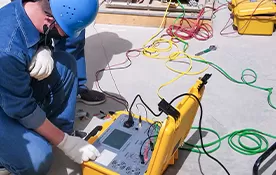
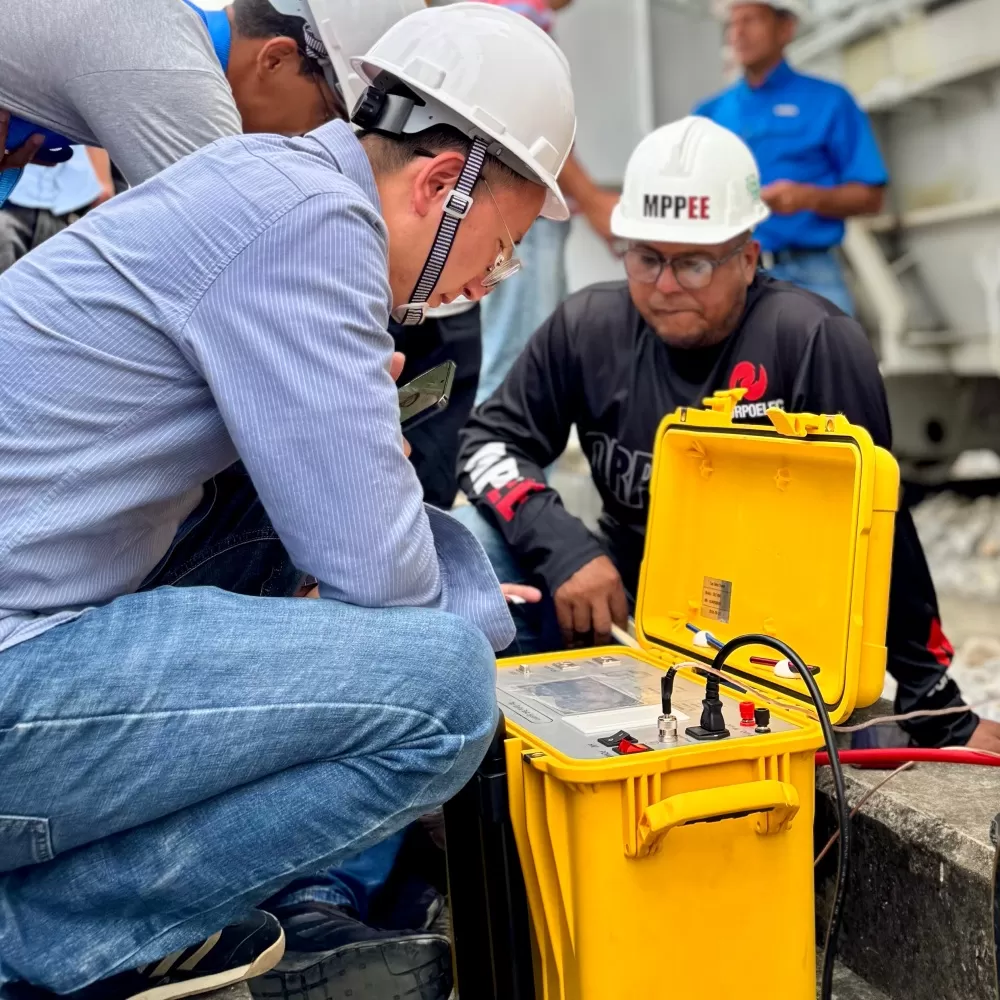
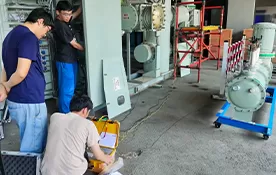
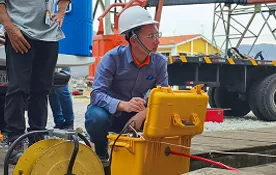
Hipot cable testing, also called high potential cable testing or dielectric withstand testing, is a high-voltage test used to verify whether cable insulation can withstand electrical stress without breakdown. It is widely used for power cables, newly installed cable joints, repaired circuits, substation cables, industrial feeders and medium-voltage distribution systems.
For utilities, substations, factories and electrical contractors, hipot testing helps detect weak insulation, installation defects, moisture ingress, cable accessory problems and potential failure risks before energization. Elecgene provides Insulation Testing Tool, DC High Voltage or Withstand Tool and portable high-voltage test systems for cable commissioning and maintenance.
What Is Hipot Cable Testing?
Hipot cable testing is a controlled high-voltage withstand test that applies voltage above normal operating level to confirm insulation strength. If the cable insulation, termination or joint has a serious weakness, the test may trigger breakdown, excessive leakage current or protective shutdown.
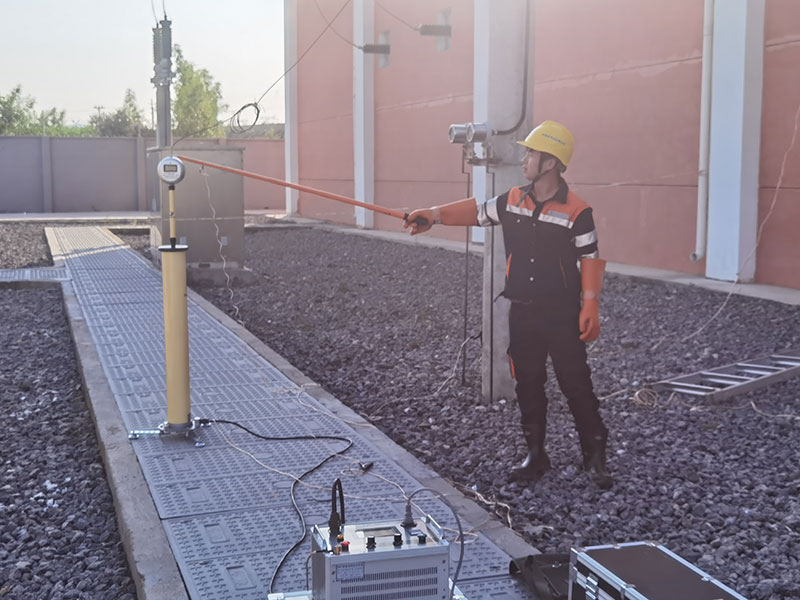
The test principle is simple: isolate the cable, apply a specified AC, DC or VLF high voltage between conductor and shield/ground, hold the voltage for a defined time, monitor leakage current and observe whether the cable passes without failure. Unlike a low-voltage continuity test, a hipot test stresses the insulation closer to real fault conditions.
Hipot cable testing is commonly performed after new installation, cable repair, joint replacement, long shutdown, water intrusion, suspected insulation degradation or before energizing critical circuits. The IEEE 400.2 VLF cable testing guide describes field testing of shielded power cable systems using very low frequency voltage below 1Hz, making it a key reference for medium-voltage cable testing.
AC, DC and VLF Hipot Cable Testing Compared
AC, DC and VLF hipot cable testing are different high-voltage methods used to evaluate cable insulation under different electrical stress conditions. The best method depends on cable type, insulation material, cable length, test objective and field standard.
| Test Method | Main Feature | Typical Use | Buyer Consideration |
|---|
| AC Hipot Test | Applies power-frequency AC voltage | Short cables, equipment insulation, factory or site test | High charging current for long cables |
| DC Hipot Test | Applies controlled DC high voltage | DC withstand and leakage current testing | Common for some legacy cable and equipment tests |
| VLF Hipot Test | Applies AC voltage below 1Hz | Shielded medium-voltage cable field testing | Lower power demand than 50/60Hz AC |
| Insulation Resistance Test | Measures resistance under DC voltage | Pre-test screening and condition check | Does not replace withstand testing |
| Tan Delta / Diagnostic Test | Measures insulation loss behavior | Condition assessment and aging diagnosis | More diagnostic than pass/fail |
For long medium-voltage cables, VLF testing is often preferred because it can produce AC stress with much lower charging power demand than standard 50/60Hz AC. DC high-potential testing is still used for certain applications, but the cable insulation type and project standard should be reviewed carefully before choosing the method.
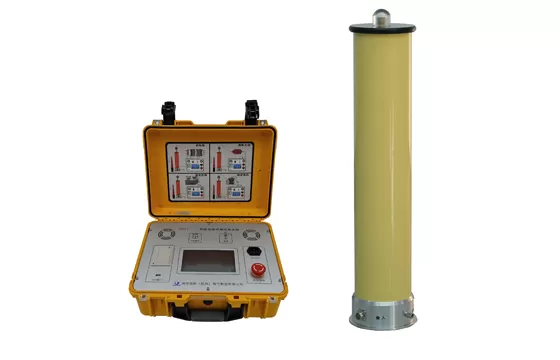
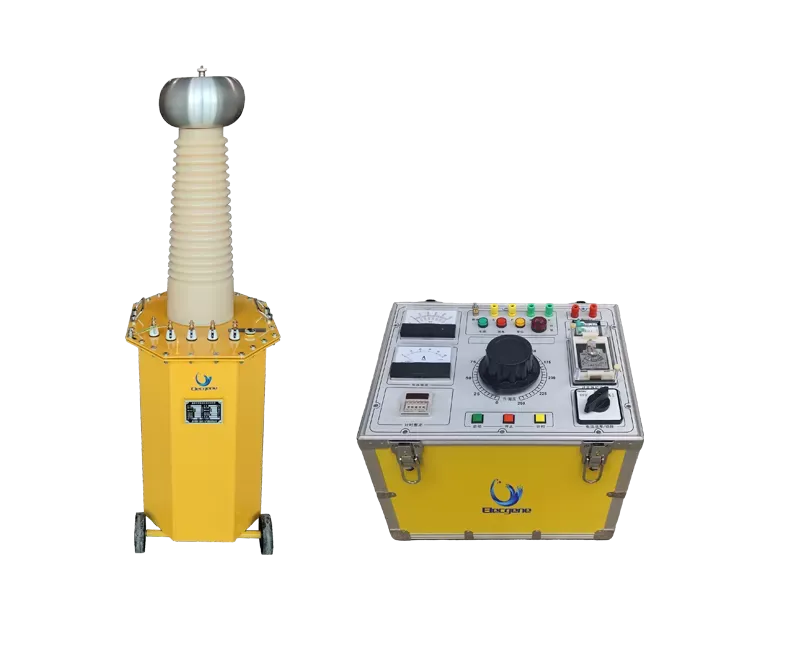
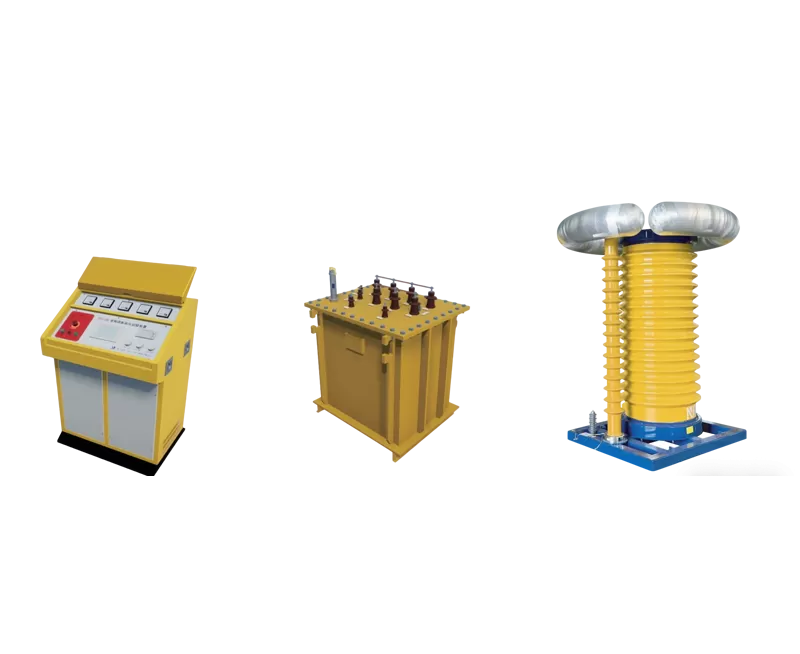
Elecgene’s DHVT Series includes 60kV, 120kV and 200kV portable DC high pot options for DC withstand voltage and leakage current tests on power cables, arresters, generators, transformers and circuit breakers. For AC withstand applications, Elecgene also offers high-voltage test systems suitable for electrical products, insulated materials and field equipment.
How to Perform Hipot Cable Testing Safely
Hipot cable testing should be performed by trained personnel using an approved test procedure, proper grounding and controlled high-voltage safety zones. Because the test intentionally applies dangerous voltage, safety preparation is as important as the measurement itself.
Before testing, identify the cable, disconnect both ends, verify absence of voltage, isolate connected equipment, clean terminations, inspect joints, connect the cable shield or metallic sheath to ground and confirm the test method. A pre-test insulation resistance measurement is recommended to screen for severe moisture or direct insulation failure before applying higher voltage.
During the test, increase voltage gradually, monitor leakage current, maintain the specified test duration and watch for abnormal current rise, flashover, noise, smoke or trip events. After the test, discharge the cable fully and keep it grounded long enough to remove stored charge. Long cables can retain dangerous electrical energy even after the test voltage is removed.
For acceptance programs, the ANSI/NETA ATS acceptance testing specifications are useful because they are designed to verify that electrical equipment and systems are operational, within applicable standards and manufacturer tolerances, and installed according to design specifications.
What Is a Good Hipot Cable Test Result?
A good hipot cable test result means the cable withstands the specified voltage for the required time without breakdown, flashover, abnormal leakage current or visible distress. In many field tests, the most important result is pass/fail, supported by leakage current trend and post-test insulation resistance.
A stable leakage current is usually a positive sign. A rapidly rising current, repeated tripping, surface discharge, unusual sound or sudden collapse of voltage suggests insulation weakness or accessory failure. For diagnostic testing, comparison with previous records is valuable because the same cable tested under similar conditions should show reasonably consistent behavior.
For medium-voltage cable accessories, standards also matter. IEC 60502-4:2023 specifies test requirements for accessories for power cables with rated voltages from 3.6/6kV up to 18/30kV, which is relevant when testing cable joints and terminations in distribution networks.
How to Choose Hipot Cable Testing Equipment
Choosing hipot cable testing equipment means matching output voltage, test method, cable length, capacitance, leakage current measurement, safety protection and field portability to the real cable system. A small insulation tester, a DC hipot tester and a VLF AC test system are not interchangeable.
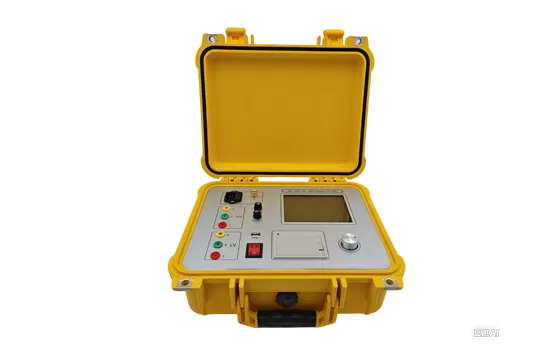
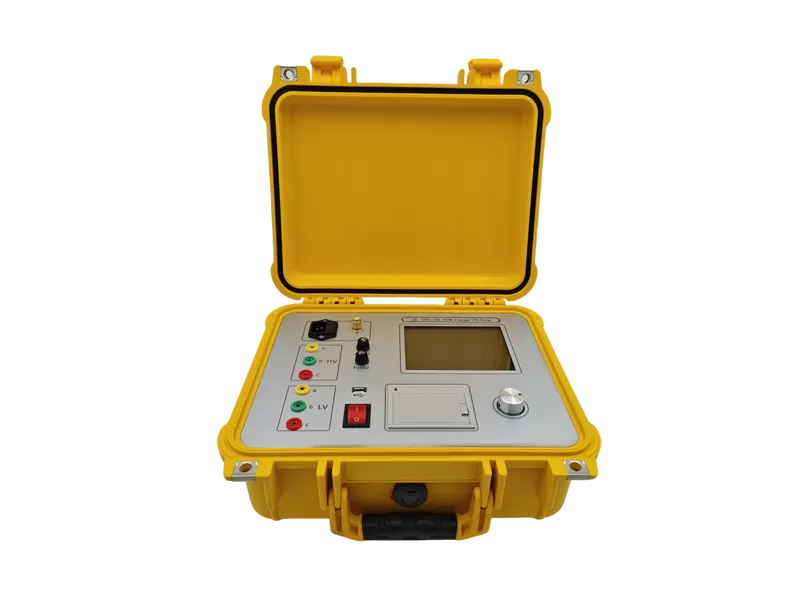
For basic insulation screening, Elecgene’s D1110 High-Voltage Insulation Tester offers output voltage up to 12kV, IR, DAR, PI, ramp test, real-time voltage/current/resistance display and a resistance range up to 35TΩ. For withstand testing, Elecgene's DC hipot tester is suitable for DC withstand voltage and DC leakage current testing on power cables and other high-voltage equipment.
Buyers should confirm maximum output voltage, AC/DC/VLF capability, current capacity, test accuracy, discharge function, overcurrent protection, data recording, portability, power supply, cable accessories and after-sales calibration support. For utilities and service companies, data export and repeatable test records are especially important for maintenance history and asset management.
Conclusion
Hipot cable testing is one of the most important methods for confirming cable insulation strength before energization or after repair. A good result means the cable can withstand the required test voltage without breakdown or abnormal leakage behavior, but the correct method must be selected according to cable type, insulation system, voltage class and applicable standards.
Elecgene supports cable testing with insulation resistance testers, DC high-voltage withstand tools and portable high-pot systems for power utilities, substations, industrial plants and electrical maintenance teams. For safer and more reliable cable operation, hipot testing should be combined with proper visual inspection, insulation resistance testing, diagnostic records and professional test procedures.
FAQ About Hipot Cable Testing
1. What is hipot cable testing?
Hipot cable testing is a high-voltage withstand test used to verify whether cable insulation can withstand electrical stress without breakdown, flashover or abnormal leakage current.
2. What is the difference between IR testing and hipot testing?
Insulation resistance testing measures resistance at a lower DC test voltage, while hipot testing applies higher voltage to stress the insulation and confirm dielectric withstand capability.
3. Is VLF testing better than DC hipot testing for cables?
For many shielded medium-voltage AC cable systems, VLF testing is widely used because it applies AC stress below 1Hz with lower power demand than power-frequency AC testing. The best method depends on cable type and standard requirements.
4. What does a failed hipot cable test mean?
A failed test may indicate insulation breakdown, moisture ingress, damaged cable, defective termination, poor joint installation, contamination or surface tracking.
5. Why must cables be discharged after hipot testing?
Cables store electrical charge during high-voltage testing. Discharging and grounding after the test prevents electric shock and protects personnel and equipment.
6. Why choose Elecgene for hipot cable testing equipment?
Elecgene provides insulation testing tools, DC high-voltage withstand tools, portable DC high-pot testers and high-voltage test systems for cable, transformer, switchgear and substation testing applications.

 English
  日本語
日本語  한국어
한국어  français
  Deutsch
  русский
  português
  العربية