Transformers are among the most critical assets in power generation, transmission, and industrial electrical systems. Their long-term reliability depends heavily on the condition of the insulation system, which consists primarily of transformer oil and cellulose-based solid insulation.
An insulation resistance test for transformer equipment is one of the most widely used diagnostic methods for evaluating insulation condition. By measuring resistance between windings and ground or between windings, maintenance engineers can identify moisture contamination, insulation aging, and potential deterioration before they develop into costly failures.
According to the CIGRÉ Transformer Reliability Survey, reliability analysis covering 1,703 generator step-up transformers and 17,387 transformer-years of operation recorded 165 major failures, highlighting the importance of condition-based maintenance and regular diagnostic testing.
What Is an Insulation Resistance Test for Transformer?
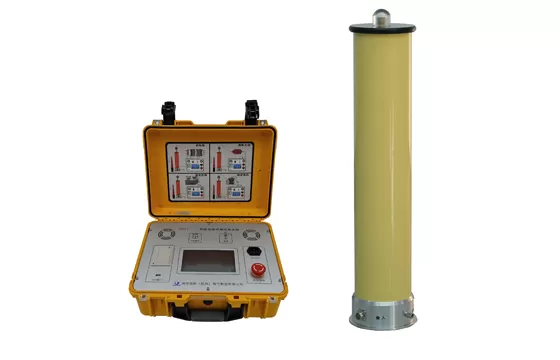
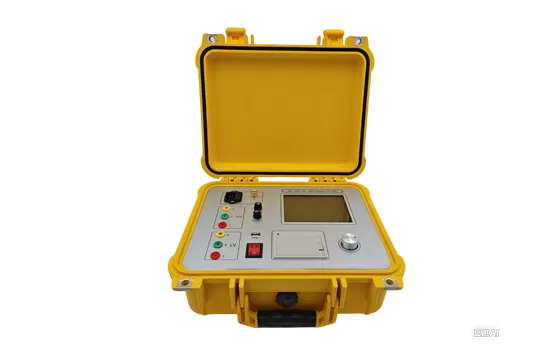
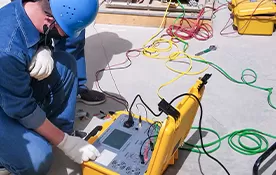
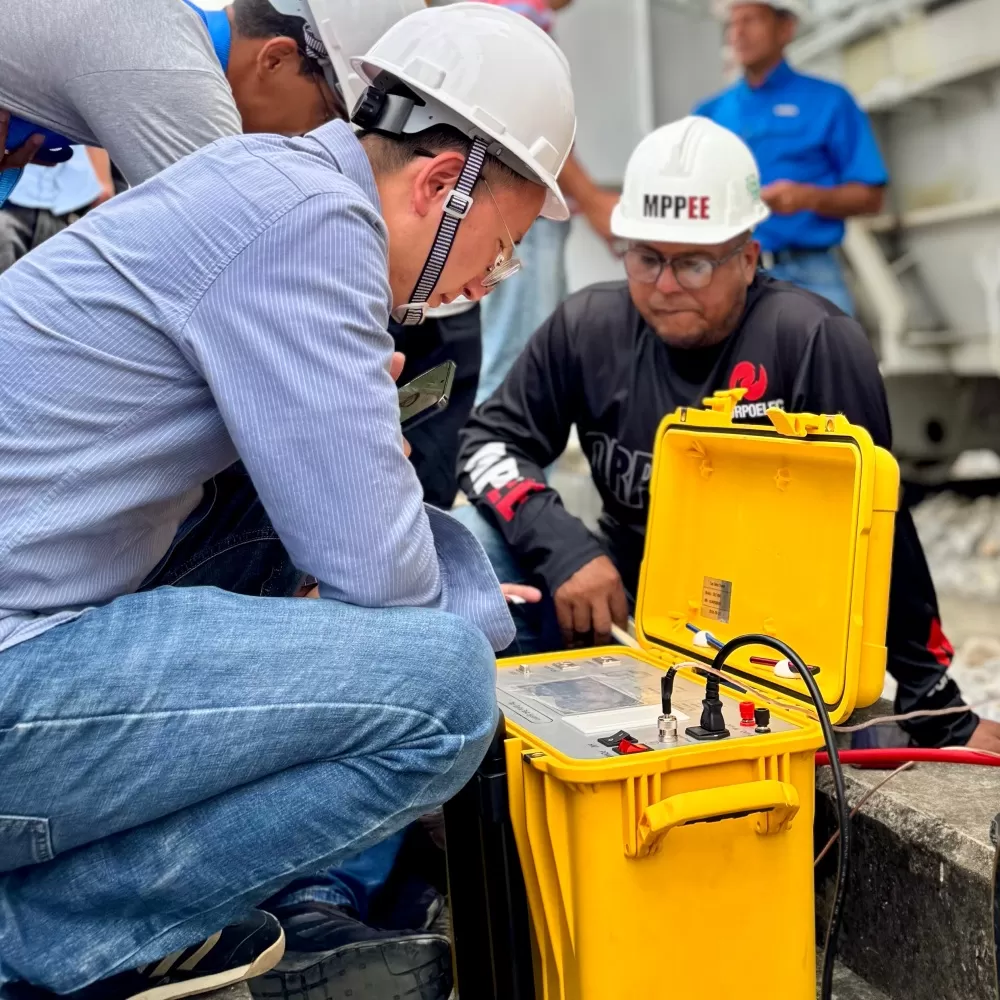
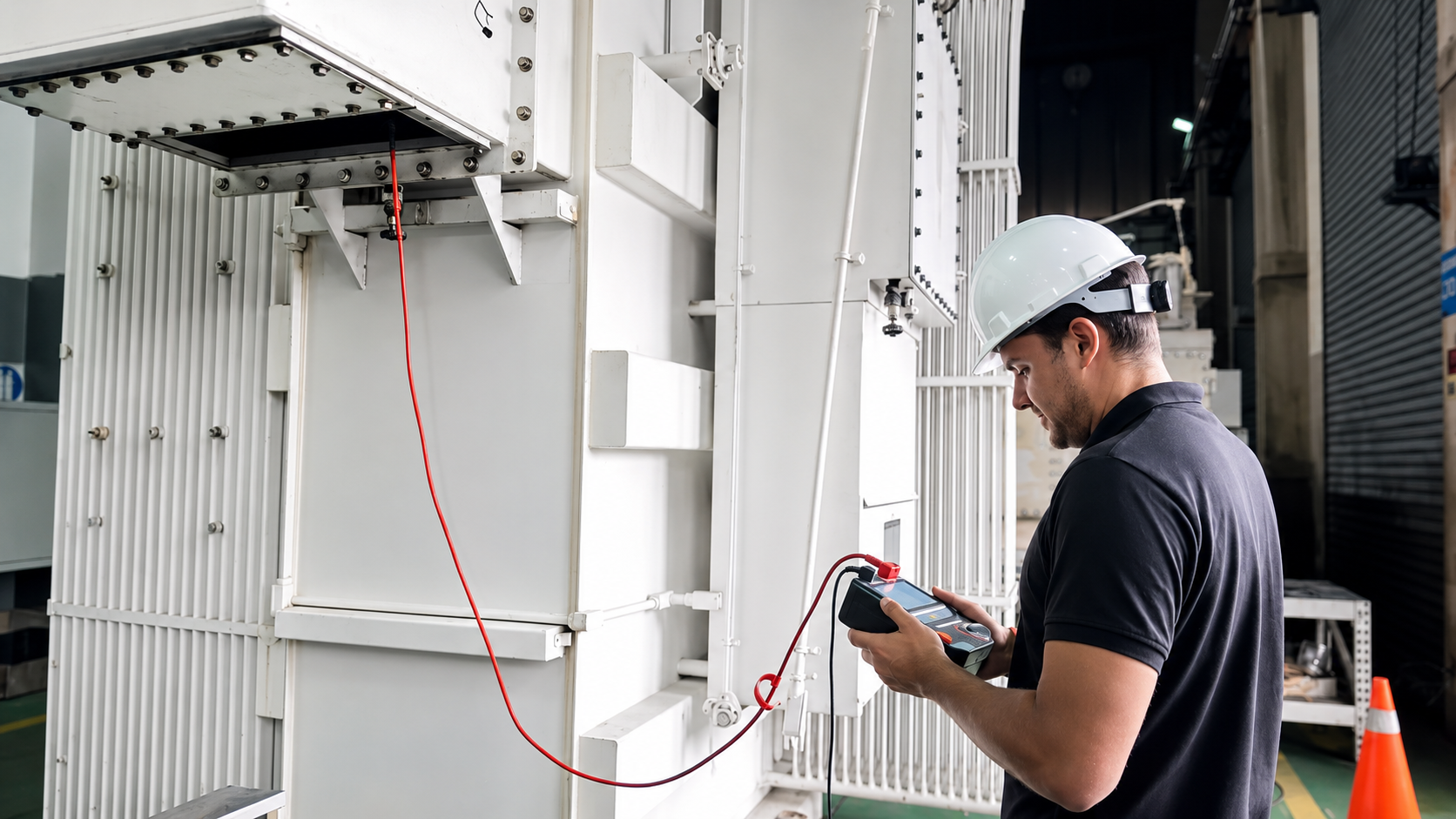
An insulation resistance test for transformer is a diagnostic electrical test that applies a DC voltage to transformer insulation and measures leakage current to determine insulation integrity. The test is commonly performed using an insulation resistance tester (Megger) and helps determine whether insulation remains capable of safely withstanding operating voltages.
Typical measurements include:
| Test Configuration | Purpose |
| HV to Ground | Evaluate high-voltage winding insulation |
| LV to Ground | Evaluate low-voltage winding insulation |
| HV to LV | Assess insulation between windings |
| Core to Ground | Detect unintended grounding paths |
| Tertiary to Ground | Evaluate tertiary winding insulation |
The measured resistance is typically expressed in:
Megaohms (MΩ)
Gigaohms (GΩ)
Teraohms (TΩ)
Higher resistance values generally indicate healthier insulation conditions.
Why Is Transformer Insulation Resistance Testing Important?
Transformer insulation resistance testing is a preventive maintenance procedure used to identify insulation deterioration before it leads to equipment failure. Transformer insulation is continuously exposed to:
Thermal stress
Electrical stress
Moisture ingress
Oxidation
Contamination
Mechanical vibration
According to Megger's transformer life management research, the two primary insulation materials inside a transformer are:
Among these factors, moisture is considered one of the most damaging contaminants because it significantly reduces dielectric strength and accelerates insulation aging.
Regular insulation resistance testing helps organizations:
| Benefit | Operational Impact |
| Detect moisture contamination | Prevent insulation breakdown |
| Identify aging insulation | Support maintenance planning |
| Improve equipment reliability | Reduce unexpected outages |
| Support condition-based maintenance | Lower lifecycle costs |
| Verify transformer condition after repairs | Improve commissioning safety |
For utilities and industrial facilities, periodic insulation testing is often one of the lowest-cost methods for monitoring transformer health.
How to Perform an Insulation Resistance Test for Transformer
Performing an insulation resistance test involves applying a specified DC voltage to transformer insulation and measuring resistance over a defined time interval.
Before testing:
De-energize the transformer.
Disconnect external circuits.
Ground all windings.
Verify zero voltage.
Record ambient temperature.
Basic Testing Procedure
Connect the insulation tester.
Apply the selected DC voltage.
Record the 30-second value.
Record the 1-minute value.
Continue to 10 minutes when PI calculation is required.
Discharge the transformer after testing.
Modern digital insulation testers can automatically calculate:
Testing should always follow manufacturer recommendations and applicable standards such as IEEE and NETA.
How to Interpret Transformer Insulation Resistance Test Results
Insulation resistance interpretation involves comparing measured values, temperature-corrected readings, and diagnostic ratios against industry benchmarks and historical trends. Absolute resistance values are useful, but trend analysis is often more valuable than a single measurement.
Typical Resistance Guidelines
| Insulation Resistance | Condition |
| Above 1000 MΩ | Excellent |
| 500–1000 MΩ | Good |
| 100–500 MΩ | Acceptable |
| 50–100 MΩ | Requires Investigation |
| Below 50 MΩ | Poor |
| Below 10 MΩ | Critical |
Polarization Index (PI)
According to IEEE Std 43:
PI = 10-Minute Resistance ÷ 1-Minute Resistance
| PI Value | Assessment |
| >4.0 | Excellent |
| 2.0–4.0 | Good |
| 1.5–2.0 | Questionable |
| <1.5 | Poor |
A low PI value may indicate:
Moisture contamination
Dirt accumulation
Aging insulation
Internal deterioration
IEEE also recommends considering insulation temperature when interpreting results because resistance decreases significantly as temperature rises.
Insulation Resistance Test vs Other Transformer Diagnostic Tests
Definition: Insulation resistance testing evaluates leakage characteristics of transformer insulation, while other diagnostic tests assess different aspects of transformer condition.
For critical transformers, industry best practice is to combine multiple diagnostic methods rather than relying on a single test.
Conclusion
An insulation resistance test for transformer equipment remains one of the most effective and economical methods for evaluating insulation health. By detecting moisture contamination, insulation aging, and leakage current issues early, organizations can improve transformer reliability, reduce unexpected downtime, and extend asset service life.
At Elecgene, we provide advanced transformer testing solutions and professional electrical diagnostic instruments designed to support utilities, industrial facilities, testing laboratories, and maintenance professionals. Whether for commissioning, preventive maintenance, or condition-based asset management, accurate insulation resistance testing is a critical step toward safer and more reliable transformer operation.
FAQ
What is the minimum acceptable insulation resistance for a transformer?
There is no universal value because acceptable readings depend on transformer rating, design, temperature, and manufacturer specifications. Trending results over time is generally more important than relying on a single threshold.
What causes low insulation resistance in transformers?
The most common causes are moisture contamination, insulation aging, dirt accumulation, oil degradation, and mechanical damage.
How often should insulation resistance testing be performed?
Most utilities and industrial facilities perform testing annually or during major maintenance outages.
What is a good PI value for a transformer?
According to IEEE guidance, a PI value above 2.0 generally indicates acceptable insulation condition.
Can transformer oil affect insulation resistance results?
Yes. Deteriorated or moisture-contaminated oil can significantly reduce overall insulation performance.
Is insulation resistance testing sufficient for transformer diagnostics?
No. Comprehensive transformer assessment typically combines insulation resistance testing, dissolved gas analysis (DGA), power factor testing, and winding resistance testing.

 English
  日本語
日本語  한국어
한국어  français
  Deutsch
  русский
  português
  العربية