English
  日本語
日本語  한국어
한국어  français
  Deutsch
  русский
  português
  العربية







What are you looking for?

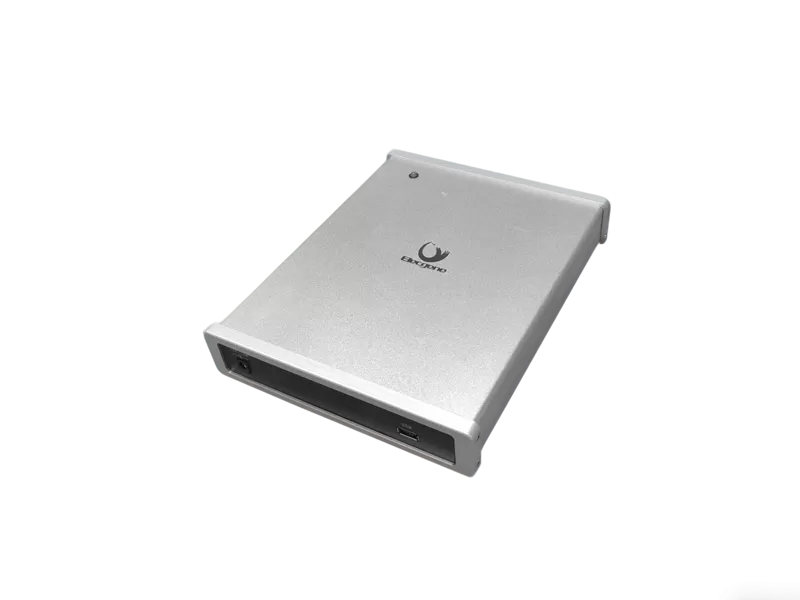
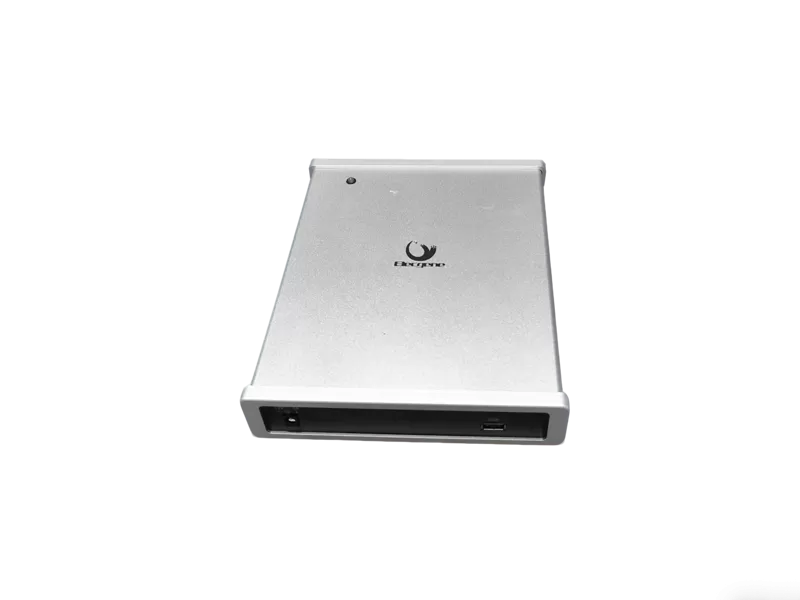
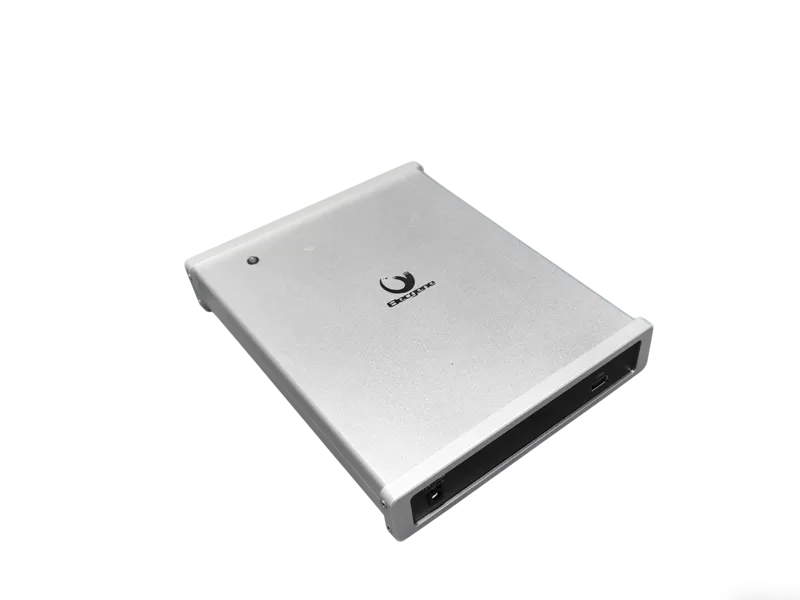
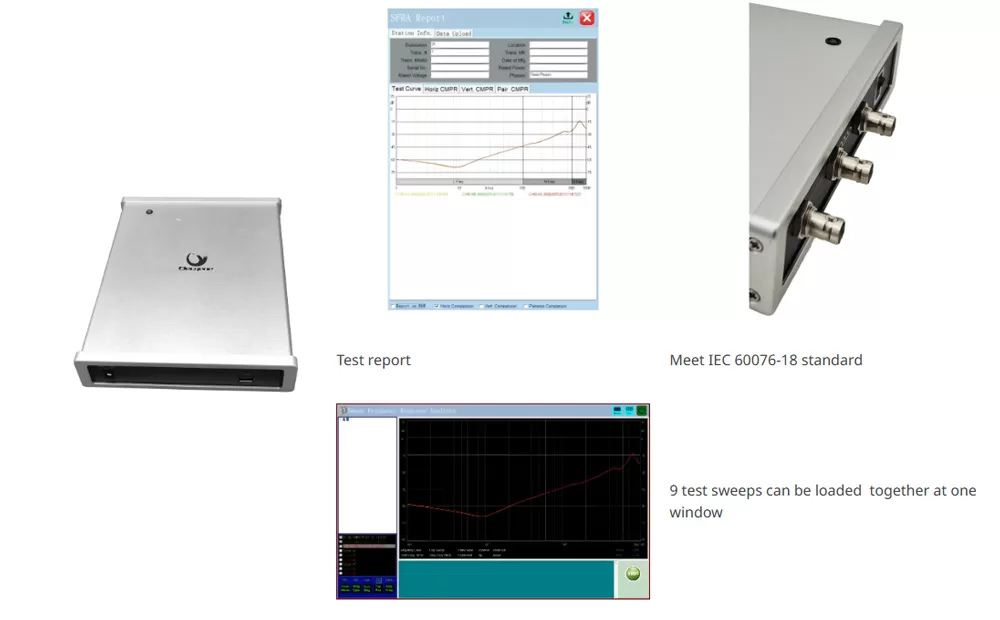
Meet IEC 60076-18 standard
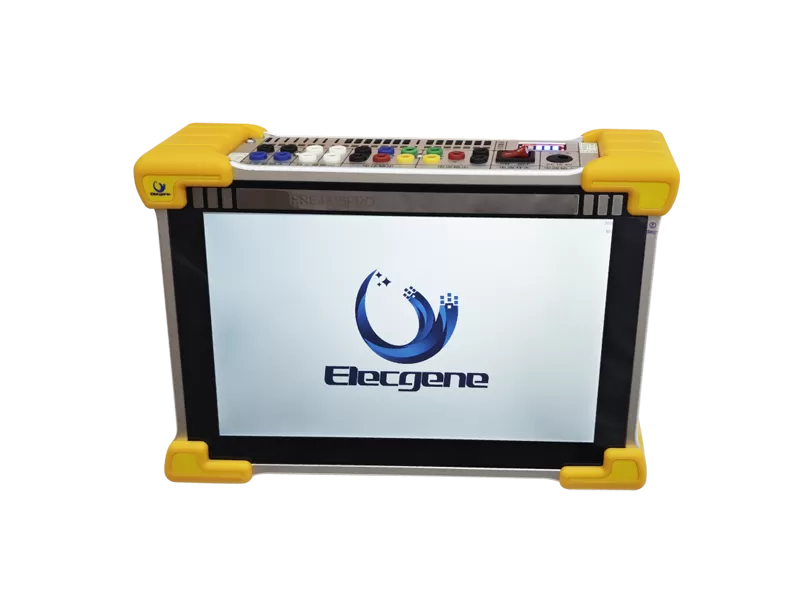
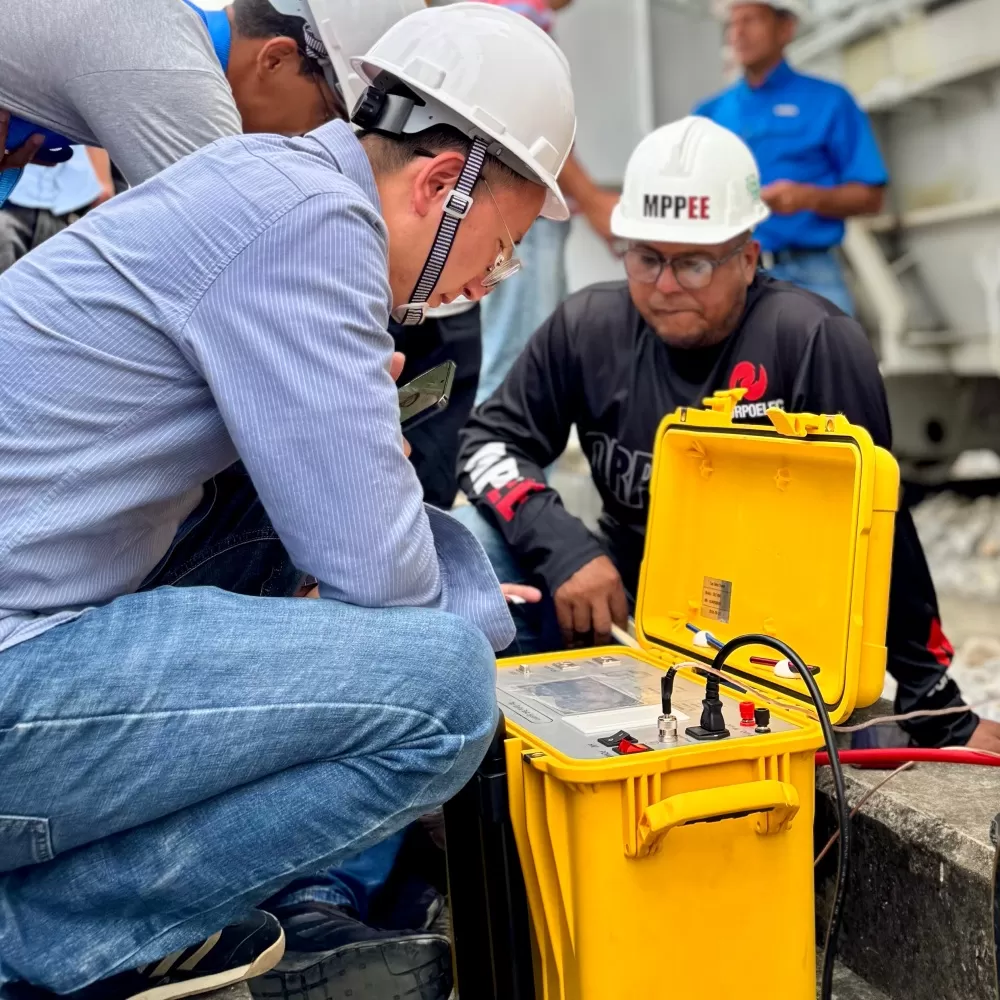
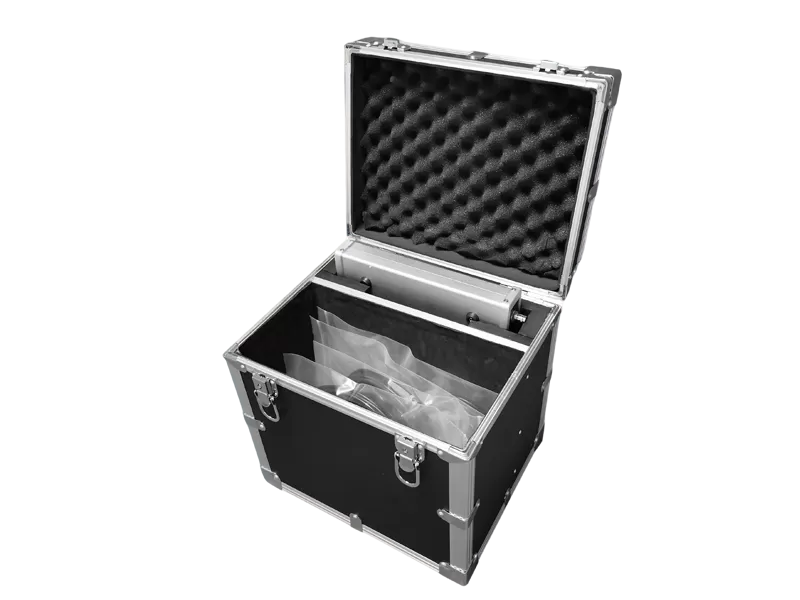
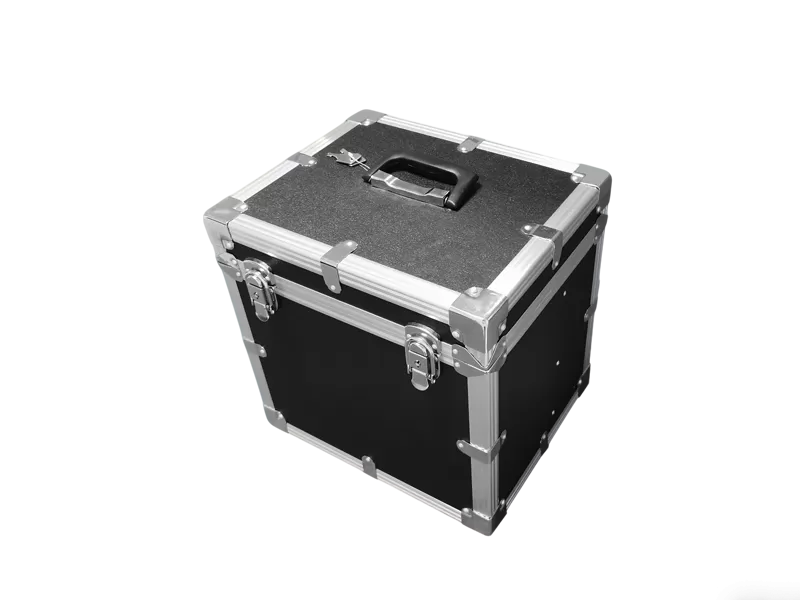
Portable and light-weight for easy use
Analysis software allows further diagnostics
Reproducible results thanks to innovative connection technique
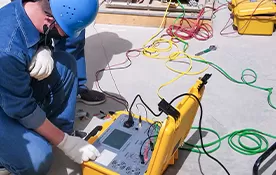
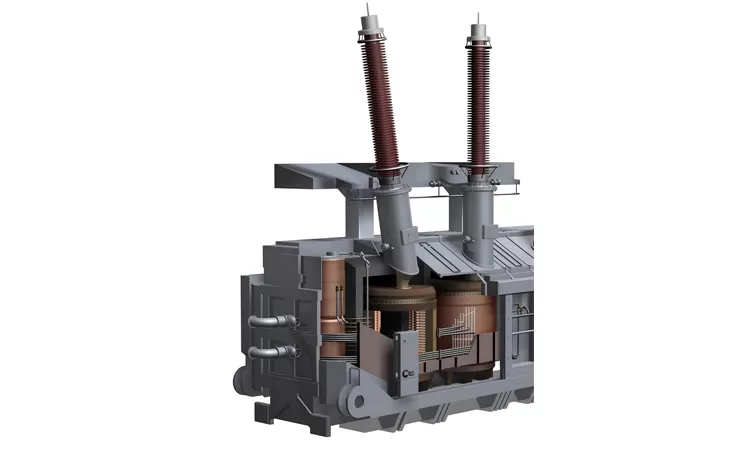
Deformation of transformer windings is measured with frequency response analysis method according to national standard DL/T911-2016/IEC60076-18 for electric power industry, i.e. detect amplitude-frequency response characteristic of each transformer winding and make vertical or horizontal comparison of the detection result to judge possible deformation of the transformer winding based on change of amplitude-frequency response characteristics. Mini-WDT uses SFRA method to assess whether or not a transformer has been subject to mechanical damage. It’s a very portable analyzer, making it very convenient to connect to external PC.
Mini-WDT detects transformer problems such as:
Winding deformations and displacements
Shorted turns and open windings
Broken clamping structures
Core connection problems
Partial winding collapse
Faulty core grounds
Core movements
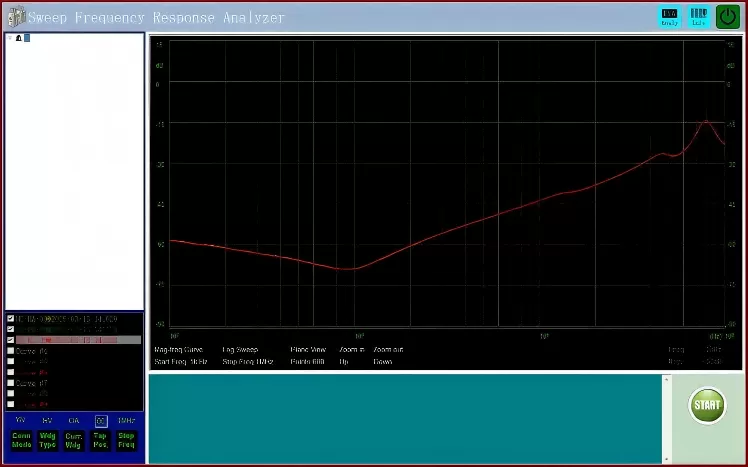
Mini-WDT injects a sinusoidal excitation voltage with a continuously increasing frequency into one end of the transformer winding and measures the signal returning from the other end. Due to a direct measurement in the frequency domain, no additional data processing is required. The comparison of input and output signals generates a unique frequency response, which can be compared with reference data. Thereby, deviations can indicate changes of internal components. These deviations can be directly related to different sections of the frequency range and they can be discerned from each other.
| Output Voltage | Vpp-25V automatic adjustment during test |
| Input Impedance | 1MΩ (Built-in 50Ω matching resistance in the test channel) |
| Frequency Sweep Range | 10Hz-2MHz (Customizable up to 30MHz) |
| Output Impedance | 50Ω |
| Measuring Dynamic Range | -100dB~20dB |
| Frequency Accuracy | 0.00001 |
| Input Power | 100-240V AC, 50/60 Hz |
| Environmental Conditions | Operating temperature : -10℃~50℃ Humidity :≤90% |
| Net Size | 238×184×40mm |
| Net Weight | 2.45kg |