PART 1: Main Information of the On-Site Test
Test Date | 2025.10.17 |
On-site Tester | Gao Wenhao |
Weather Conditions | Sunny |
Test Location | A certain power company |
Basic On-site Information | Test Sample Type | Transformer |
Voltage Level | 10kV |
Test Item | Transformer capacity characteristics test |
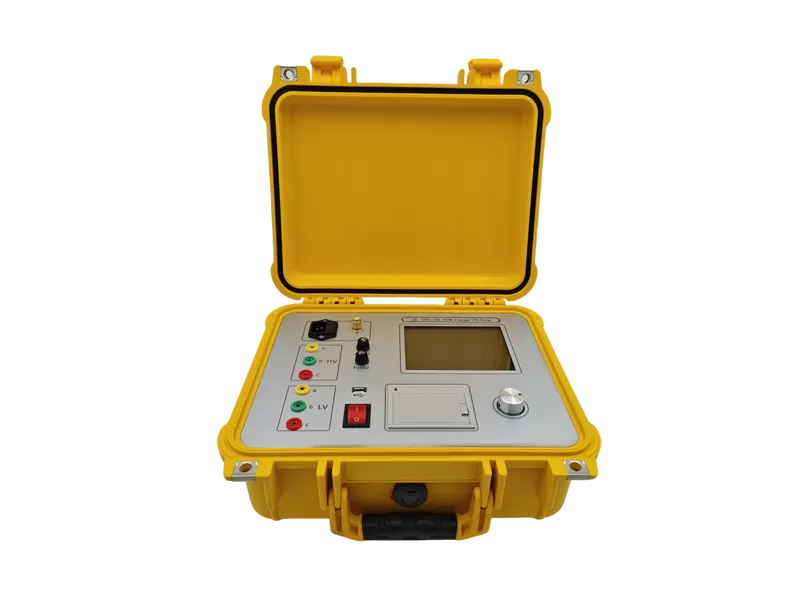
Instrument Used | TC-1000Pro |
Test Data | Yes |
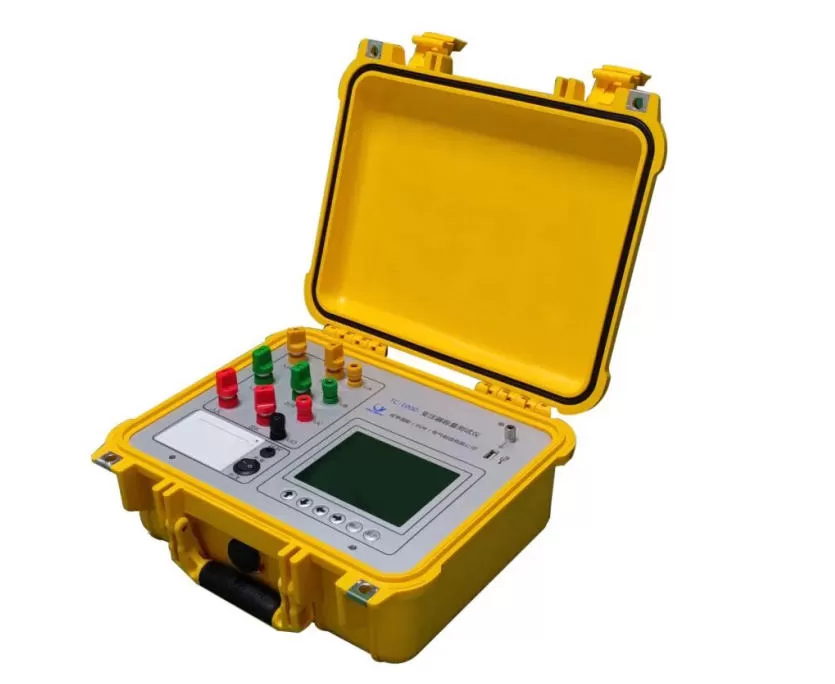
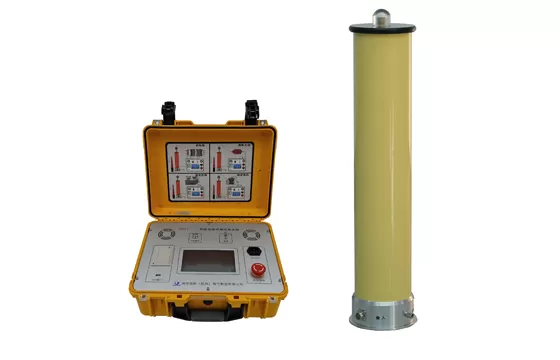
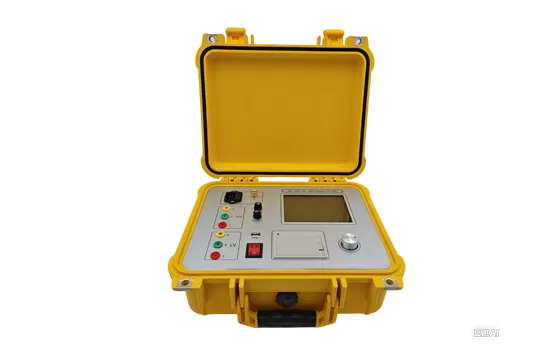
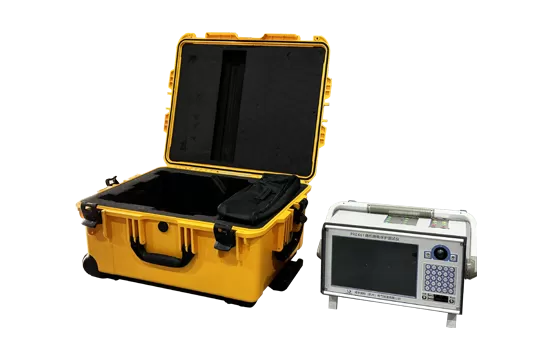
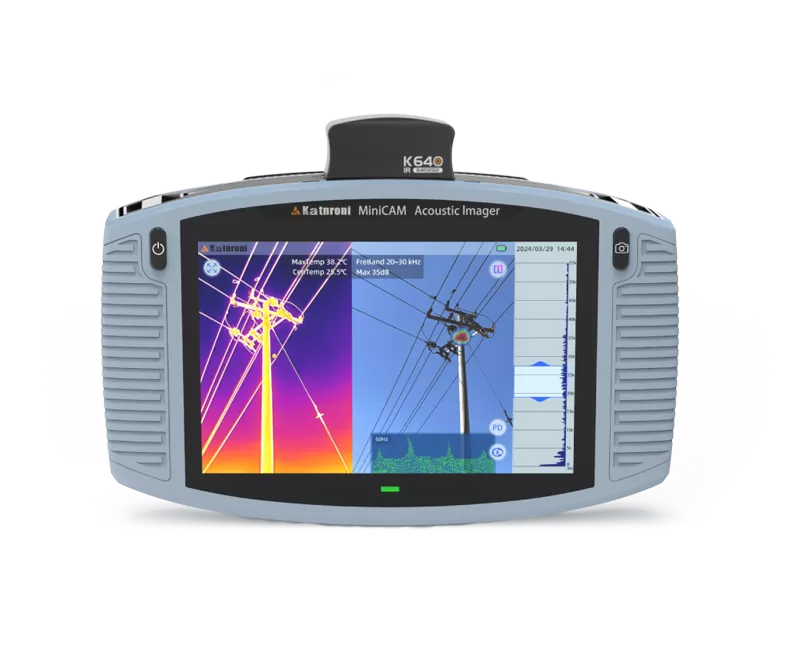
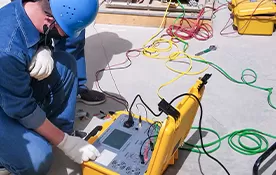
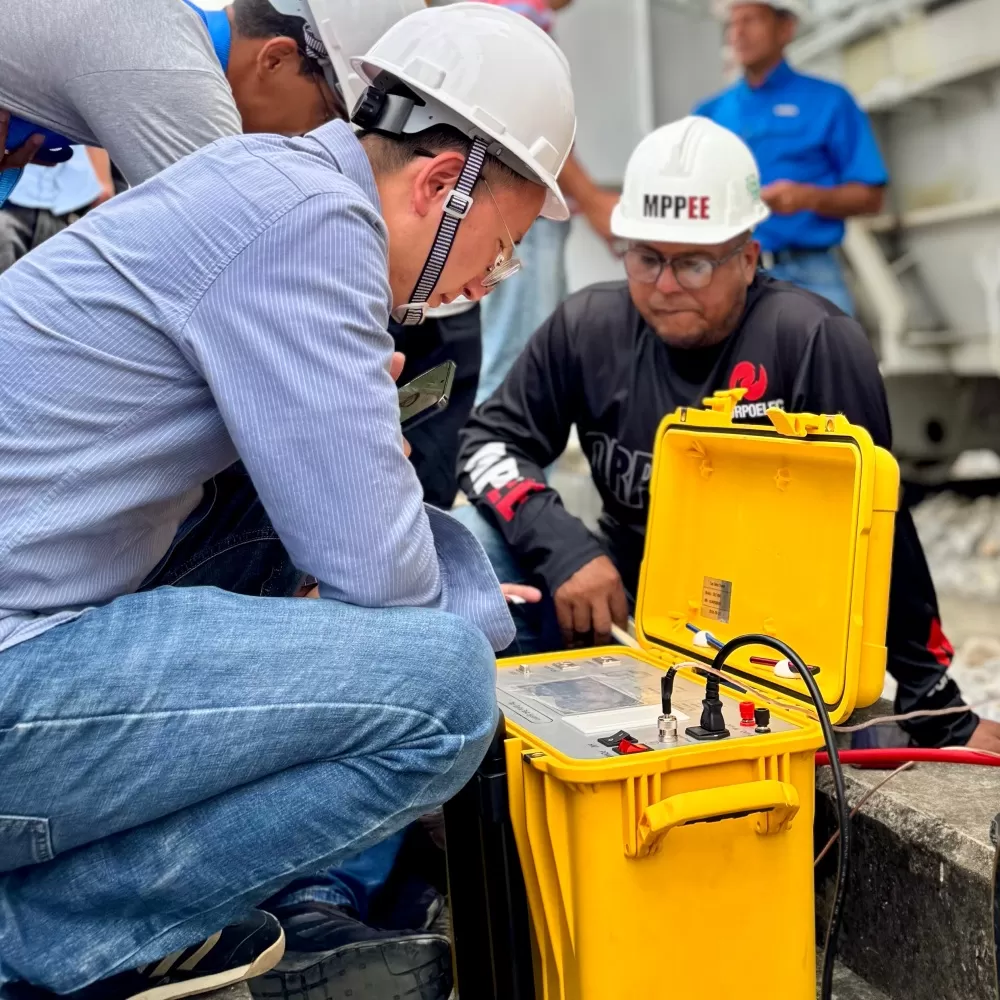
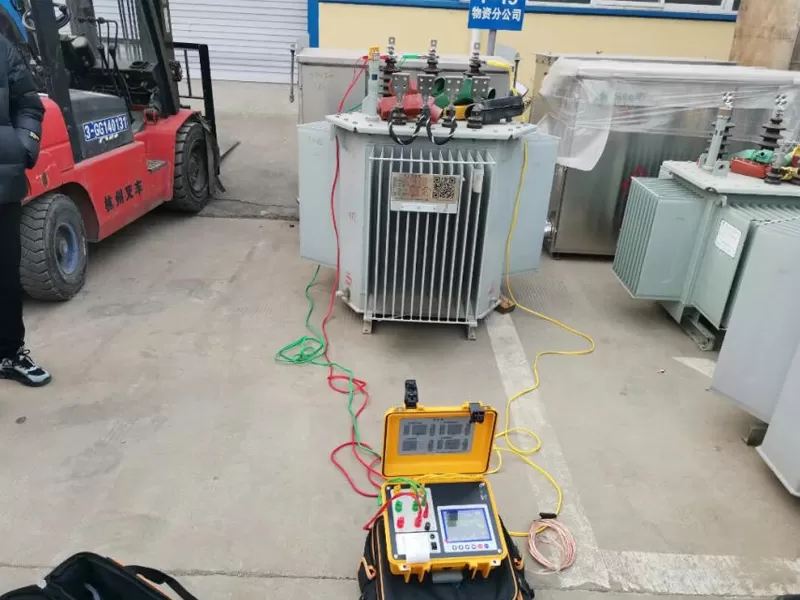
(Picture of on-site testing instrument, Figure 1)
PART 2: Test Process
· Step 1: Test Purpose
Transformer capacity testing is performed to detect the power capacity of the transformer.
Due to energy shortages and rising electricity prices, some users are driven by profit to change the transformer nameplates, passing off large-capacity transformers as small-capacity ones to evade electricity surcharges.
The transformer capacity tester is a dedicated instrument used to test the capacity of standard power distribution transformers under low voltage and small current conditions.
· Step 2: Test Procedure
1. First, use a dedicated short-circuit wire to short-circuit terminals a, b, and c on the low-voltage side of the transformer, ensuring a reliable and solid short-circuit connection.
2. Connect the yellow, green, and red output clips of the device to the corresponding A, B, and C terminals on the high-voltage side of the transformer. At the instrument end, connect the thicker wires to the current ports and the thinner wires to the voltage ports.
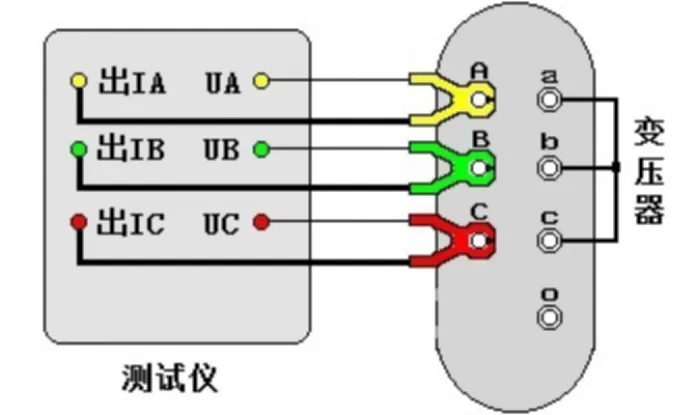
(Figure 2: Test Wiring)
3. After correctly connecting the test wires, turn on the device to proceed with parameter setting.
4. In the capacity test settings, configure the corresponding test parameters according to the transformer's nameplate information, including voltage level, connection method, short-circuit impedance, etc.
5. Once the parameter settings are complete, begin the test. After the test is finished, compare the result with the nameplate capacity to check if they are consistent.
PART 3: Test Summary (On-site Issues, Precautions, etc.)
1. The short-circuit wire on the low-voltage side must have a sufficient wire diameter and maintain good contact; otherwise, the test will be affected.
2. For the capacity test, be absolutely sure to set the correct impedance voltage when configuring parameters, as this value will be involved in the instrument's calculations.
PART 4: On-site Materials
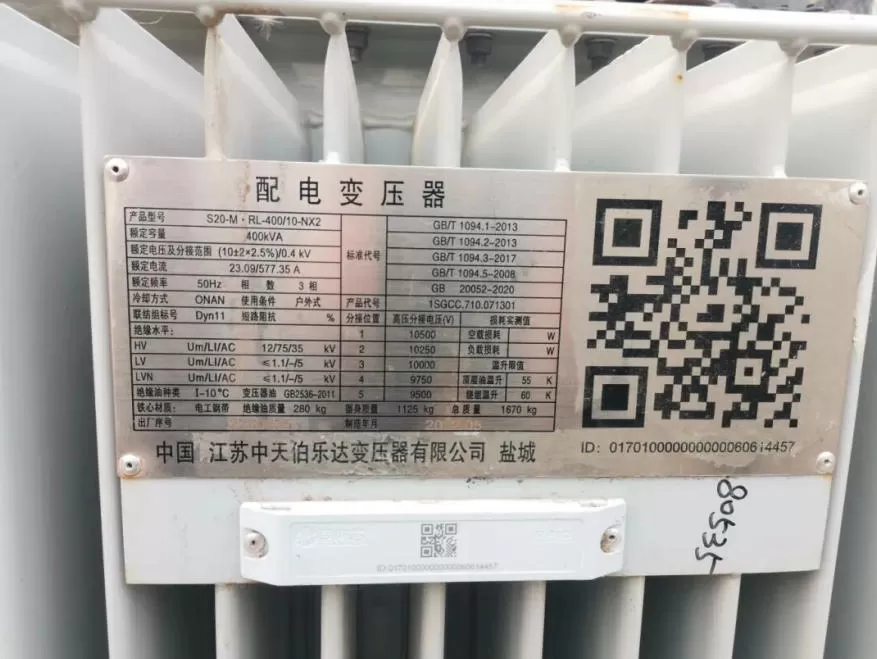
(Figure 3: Transformer Nameplate)
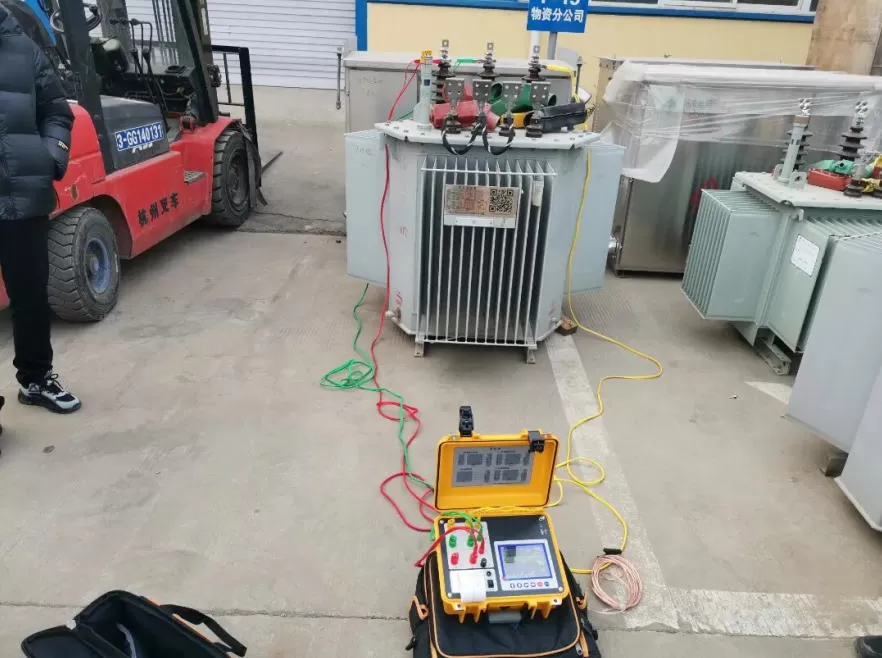
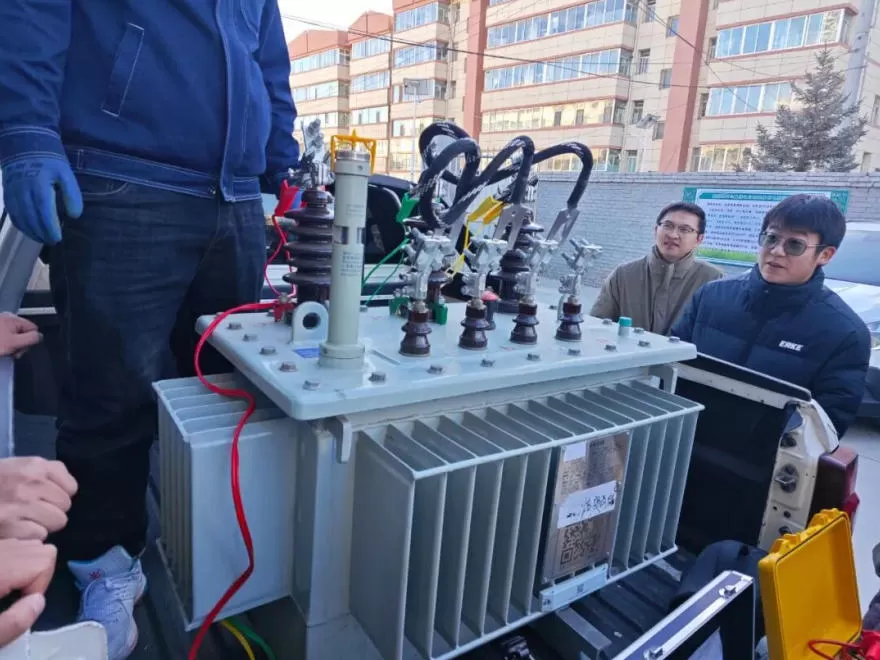
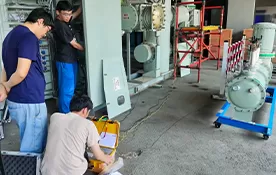
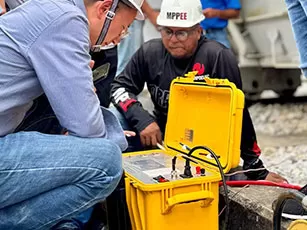
(Figure 4: On-site Test)
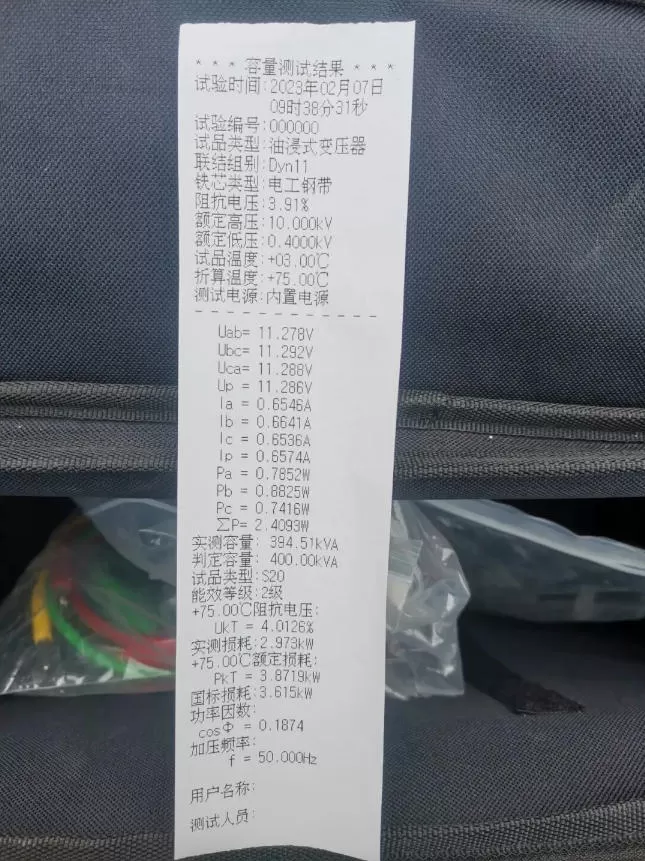
(Figure 5: Test Results)

 English
  日本語
日本語  한국어
한국어  français
  Deutsch
  русский
  português
  العربية