PART 1: Main Information of On-site Test
| Category | Details |
| Test Time | 2025/03/25 |
| On-site Tester | Huo Qi |
| Weather | Sunny |
| Test Location | A certain substation |
| On-site Situation | 10kV Circuit Breaker |
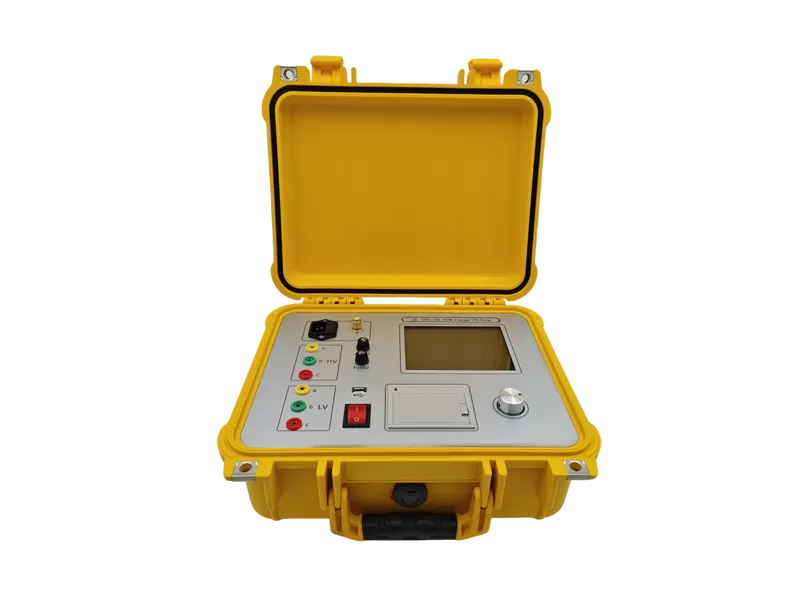
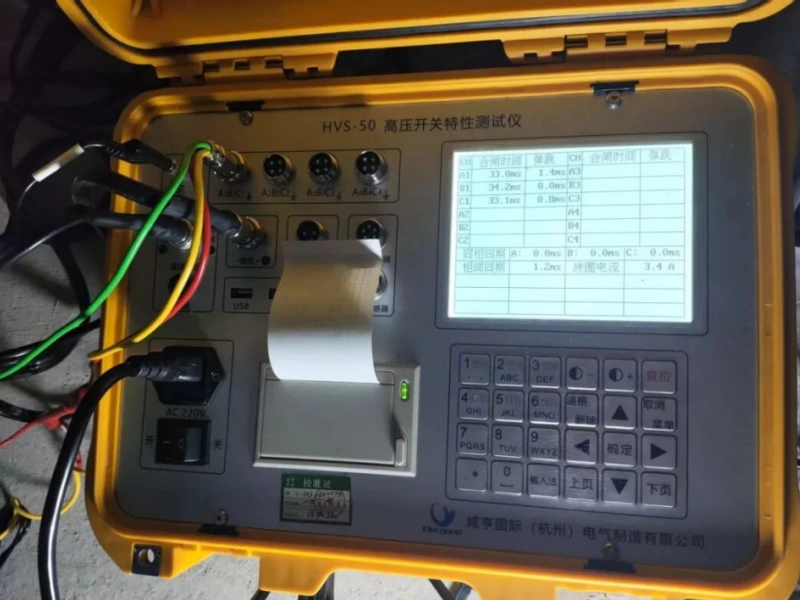
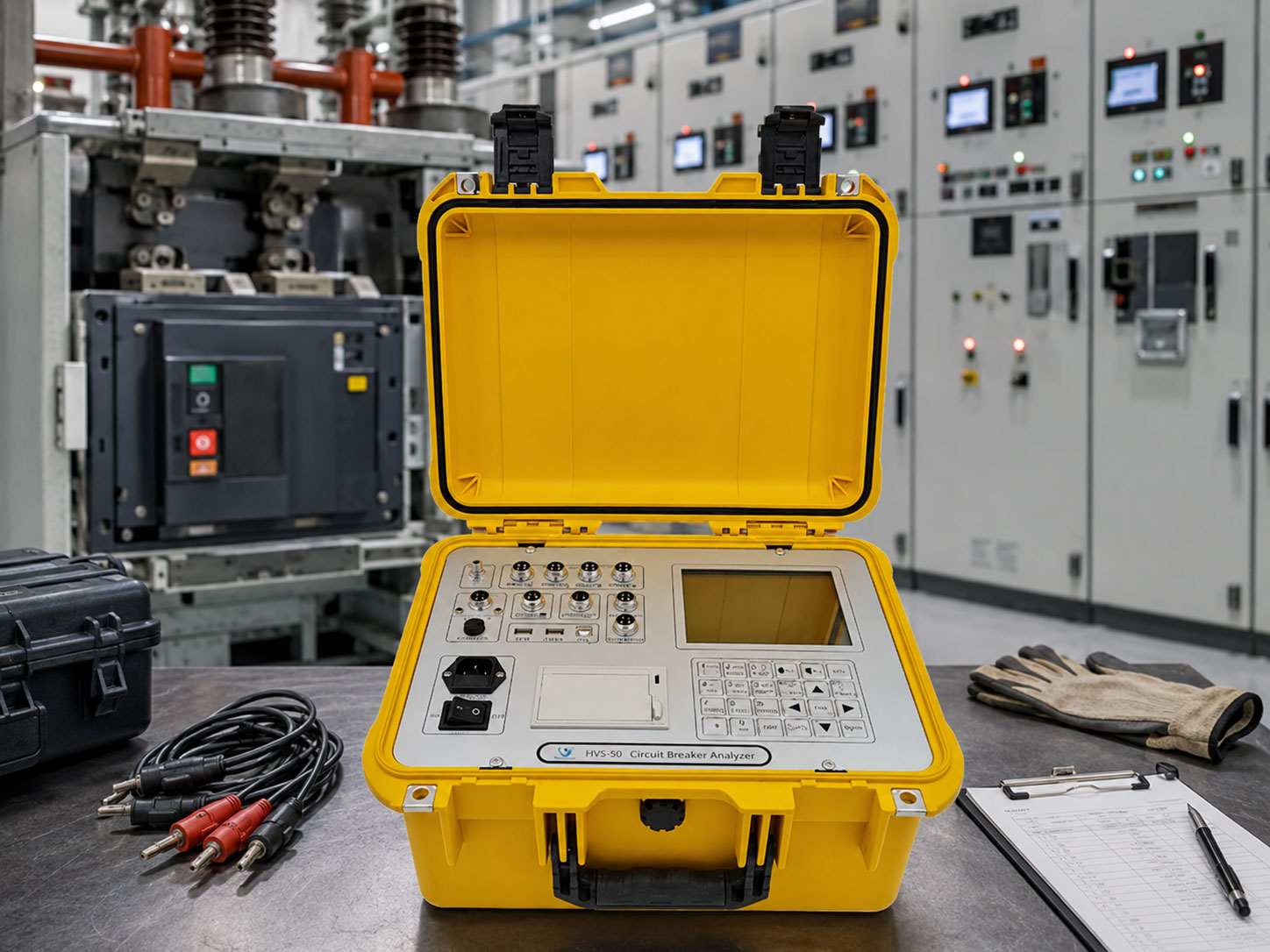
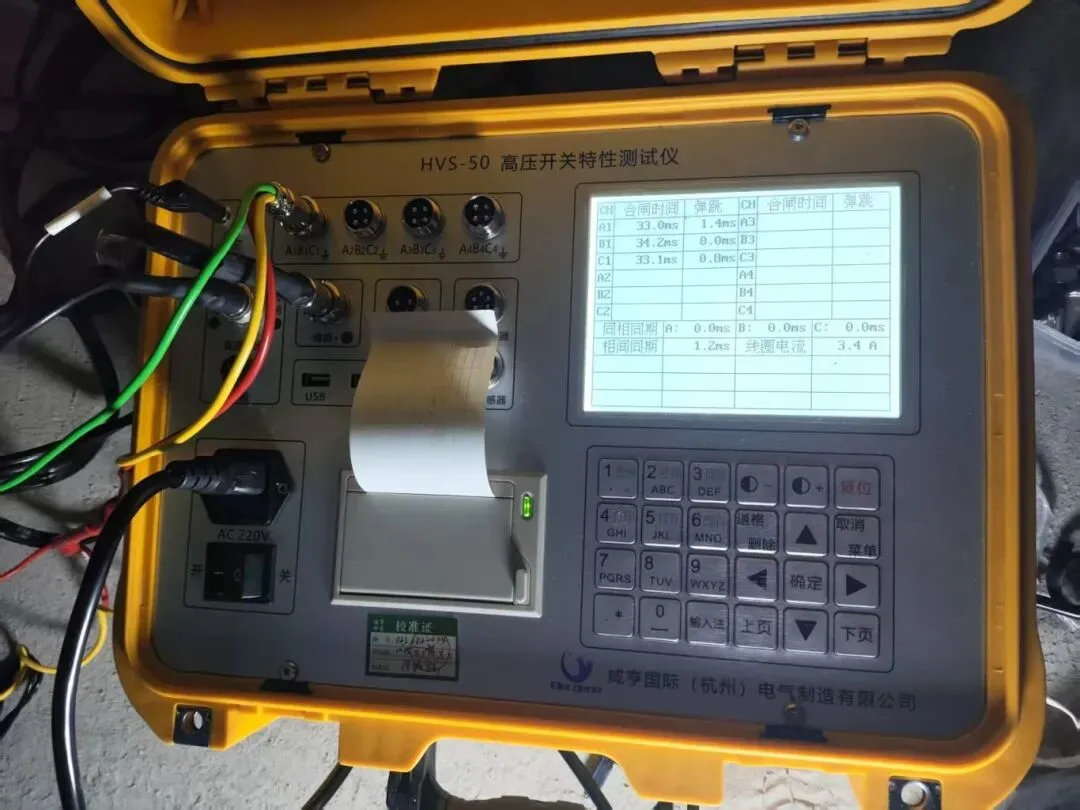
| Instrument Used | Xianheng International HVS-50 |
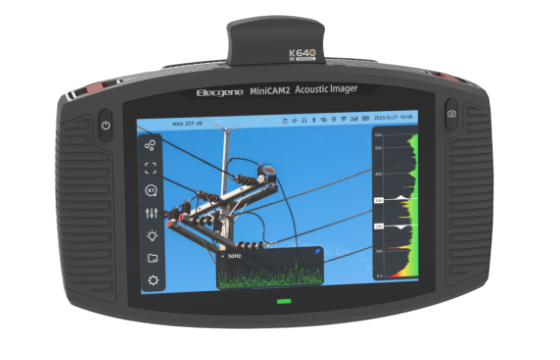
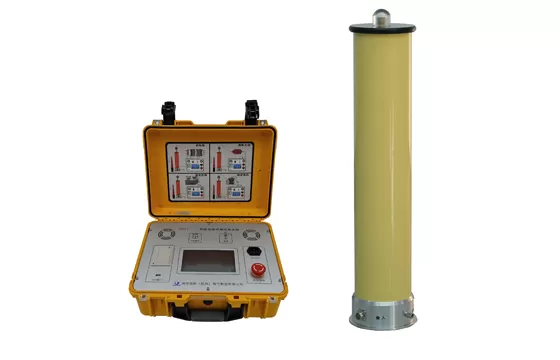
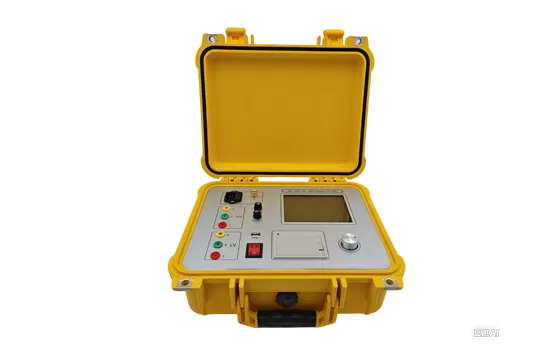
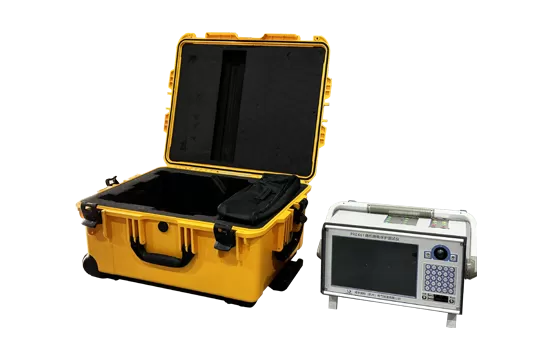
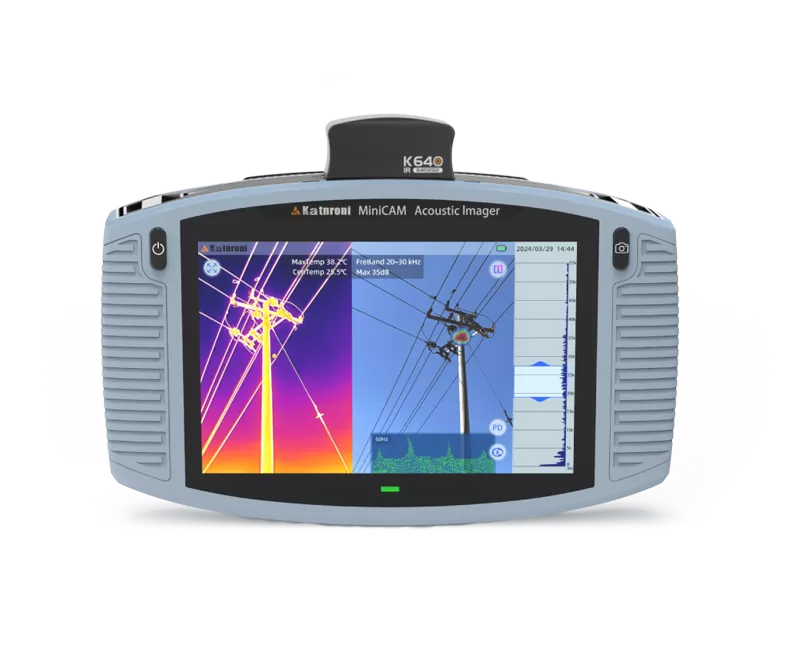
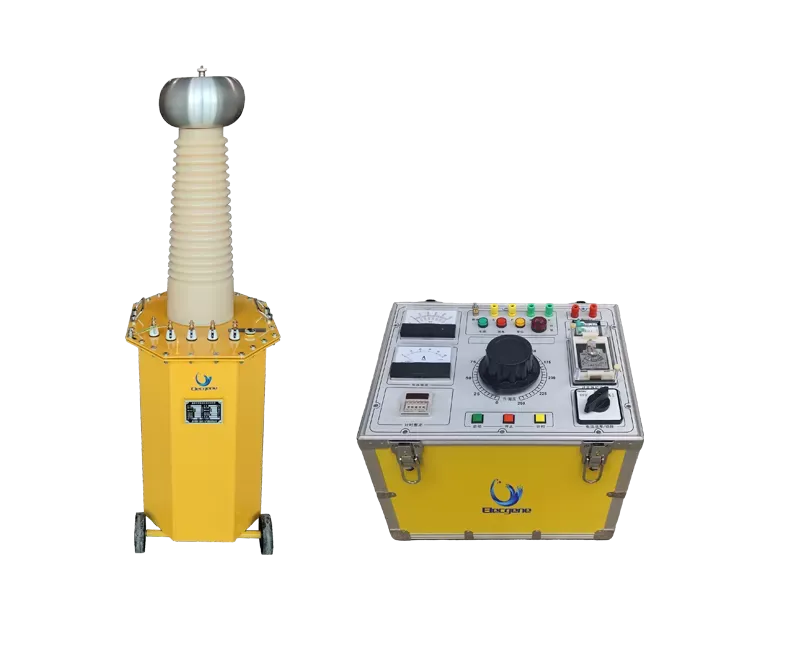
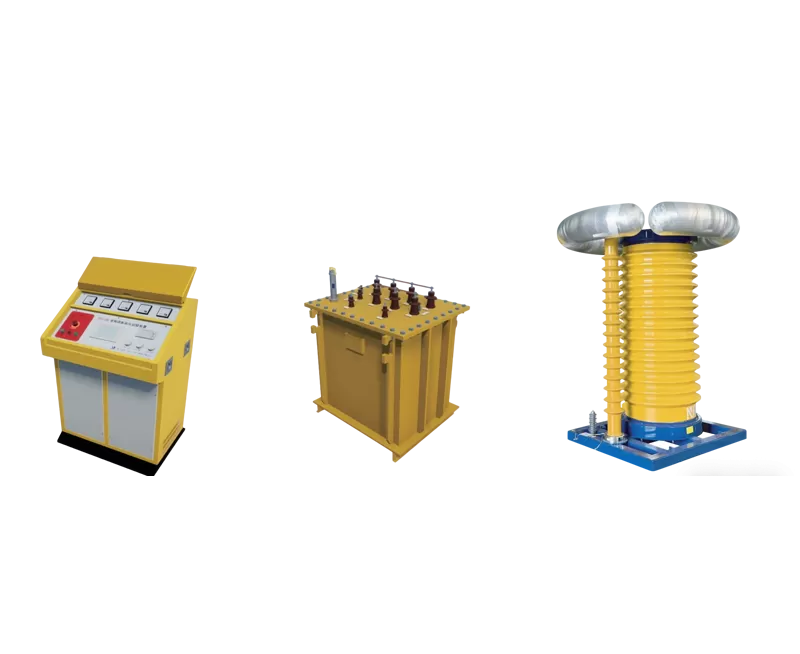
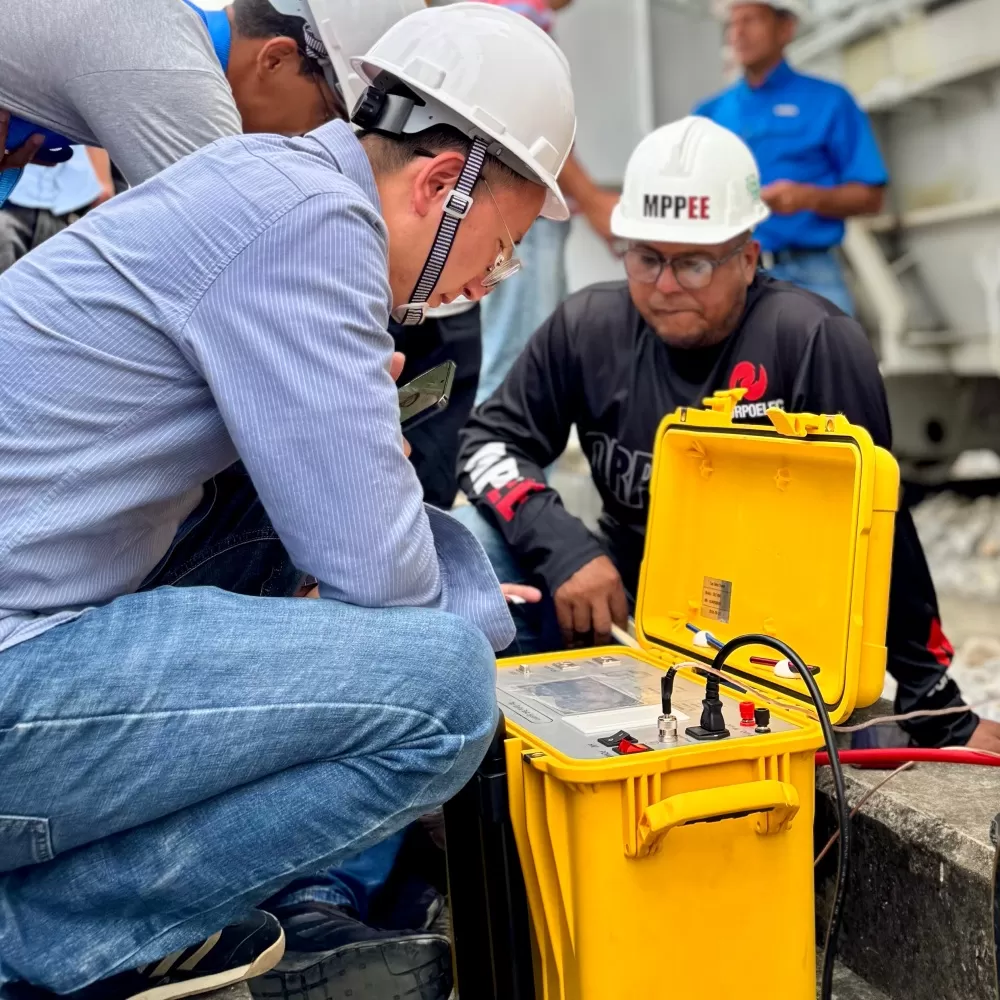
On-site Test Instrument Picture
PART 2: Test Items
11.0.1 The test items for vacuum circuit breakers should include the following:
Measure insulation resistance;
Measure the resistance of each conductive circuit;
AC withstand voltage test;
Measure the opening and closing time of the circuit breaker, measure the synchronism of opening and closing, and measure the bounce time of the contacts during closing;
Measure the insulation resistance and DC resistance of the opening/closing coils and the closing contactor coil;
Test of the circuit breaker operating mechanism.
PART 3: Test Purpose
The opening and closing time, the degree of non-synchronism of opening and closing, the opening and closing speed, and the coil operating voltage of the circuit breaker directly affect the switching performance of the circuit breaker, and have a great impact on relay protection, automatic reclosing devices, and system stability.
For high-voltage circuit breakers, a decrease in the speed at the moment of separation will prolong the arcing time of the contacts. Especially when breaking a short-circuit fault, it may cause the contacts to burn or even explode. Conversely, if the speed at the moment of contact is reduced, when closing on a short-circuit fault, the contacts will vibrate or stall due to the resistance of the electrodynamic force of contact closure, which is also prone to causing an explosion, especially if the automatic reclosing is unsuccessful. On the contrary, if the speed is too high, the moving machinery will be subjected to excessive mechanical stress, resulting in the damage of individual components or a shortened service life, which is not allowed.
Severe non-synchronism of circuit breaker opening and closing will cause open-phase connection or disconnection of lines or transformers, thereby potentially causing overvoltage that endangers insulation.
PART 4: Test Process
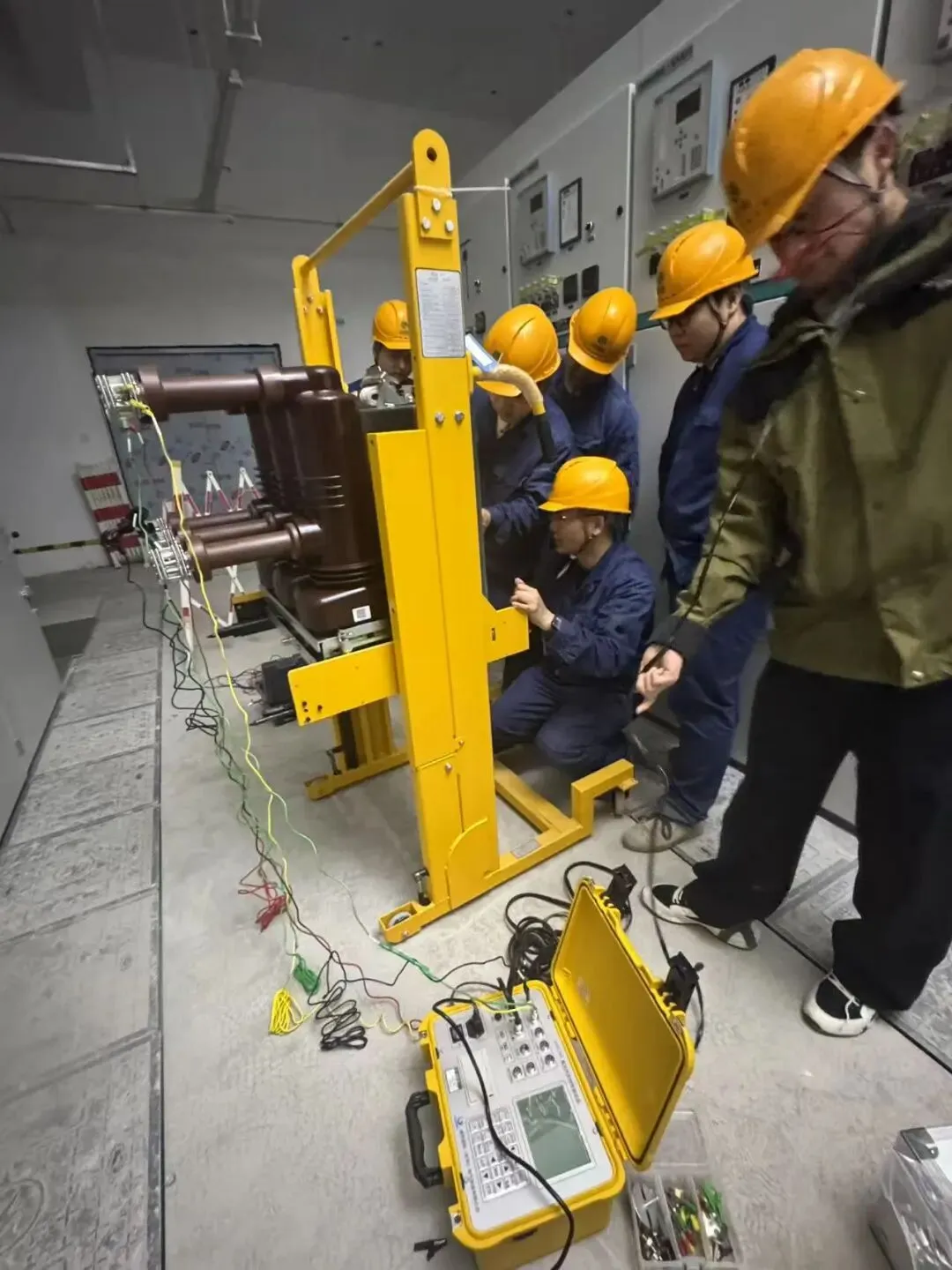
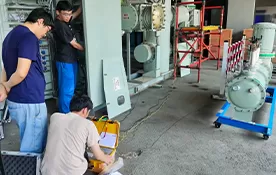
Connect the instrument to the control circuit, fracture, and rotating shaft of the circuit breaker according to Figure 2, Figure 3, and Figure 4 above. After the settings are completed according to the circuit breaker parameters, proceed with the test.
PART 5: Operating Procedures
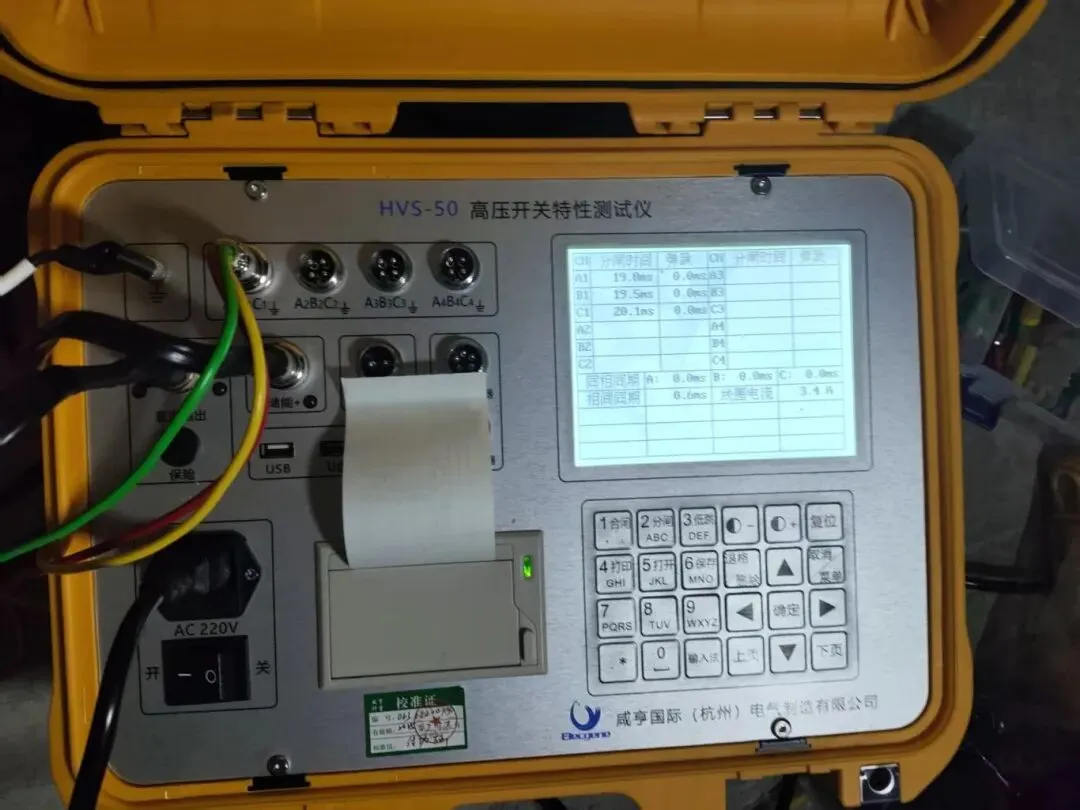
11.0.5 Measuring the opening and closing time of the main contacts of the circuit breaker, measuring the synchronism of opening and closing, and measuring the bounce time after the contacts touch during the closing process shall comply with the following regulations:
The bounce time after contact touching during the closing process: for circuit breakers below 40.5kV, it shall not be greater than 2ms; for circuit breakers 40.5kV and above, it shall not be greater than 3ms; for 10kV vacuum circuit breakers with a current of 3kA and above, if the bounce time does not meet the requirement of less than 2ms, it shall comply with the provisions of the product technical conditions;
The measurement should be carried out under the rated operating voltage condition of the circuit breaker;
The measured values should comply with the provisions of the product technical conditions.
PART 6: Test Summary
The main purpose of the circuit breaker mechanical characteristics test is to evaluate the performance and state of the circuit breaker to ensure its safe and reliable operation. These tests involve the detailed measurement and analysis of the mechanical characteristics of the circuit breaker, including key parameters such as opening and closing time, speed, and stroke, aiming to find potential problems, extend the service life of the equipment, and improve the stability and safety of the power system.
By comparing the test results with the circuit breaker parameters, it can be concluded that all results of the circuit breaker are qualified.

 English
  日本語
日本語  한국어
한국어  français
  Deutsch
  русский
  português
  العربية