PART 1: Main Information of On-site Test
| Category | Details |
| Test Time | 2024.09.04 |
| On-site Tester | Dou Weidong |
| Weather | Sunny |
| Test Location | Near a transmission line in Anhui |
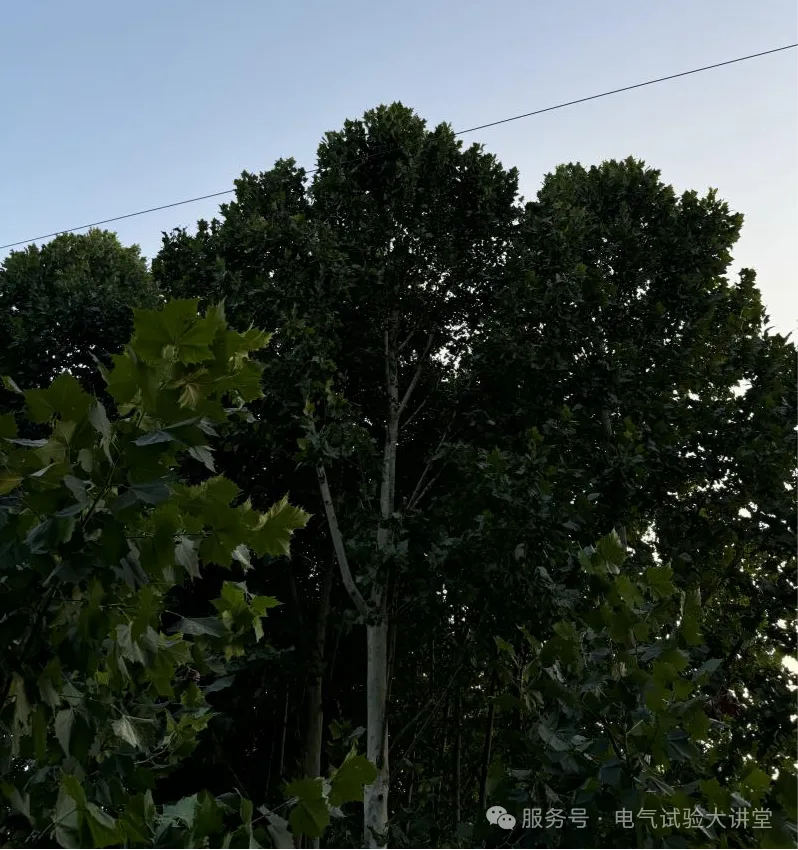
| Test Item | Cutting branches near high-voltage lines |
| Instruments Used | TW-301, TW-1000 |
| Test Data | Yes |
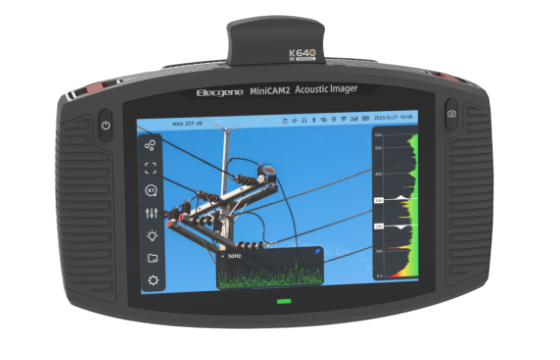
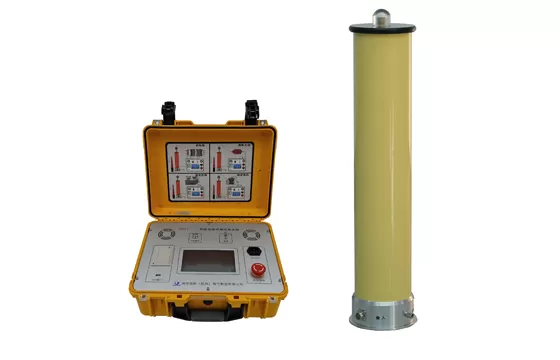
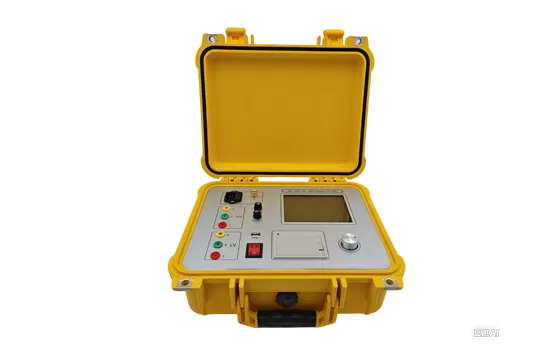
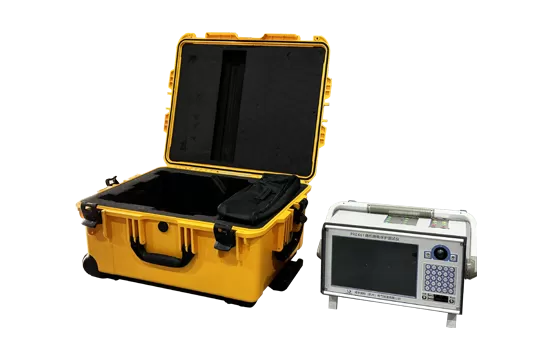
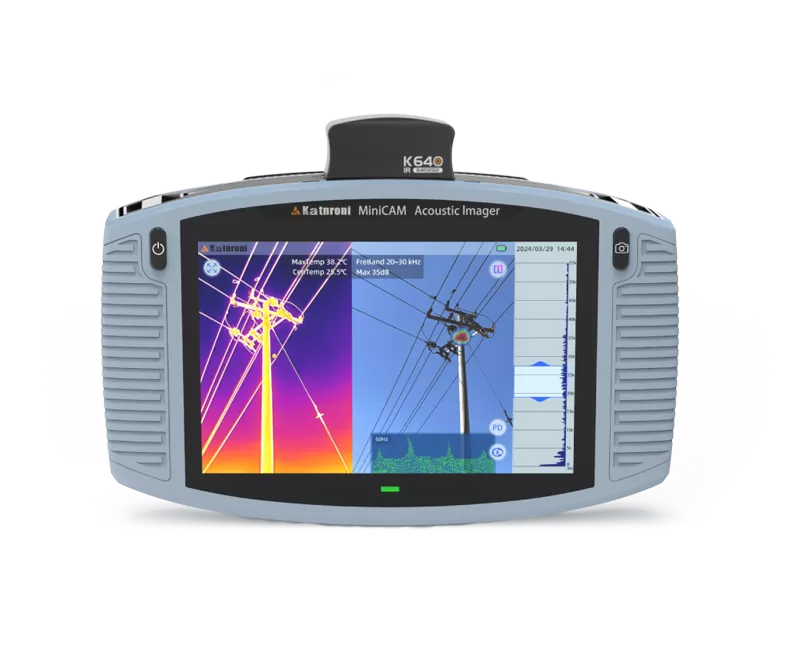
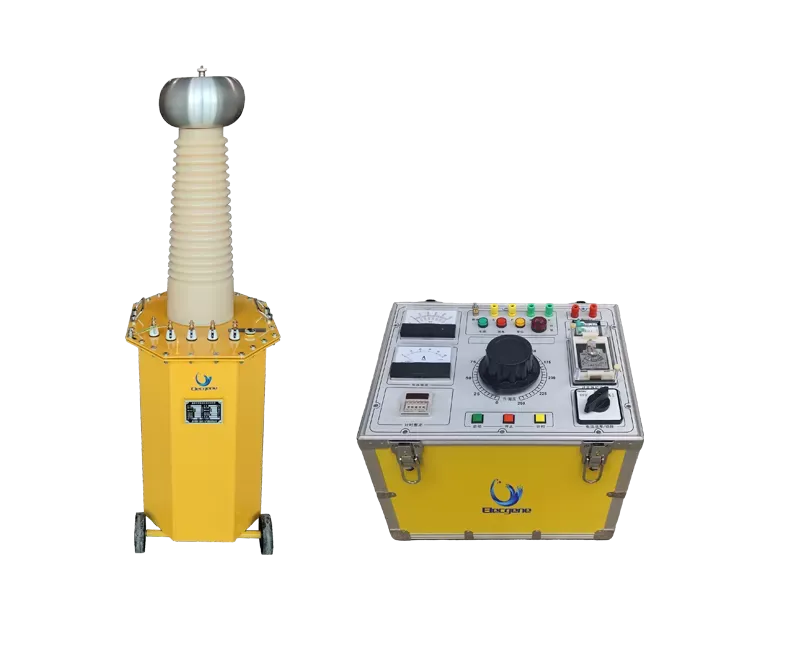
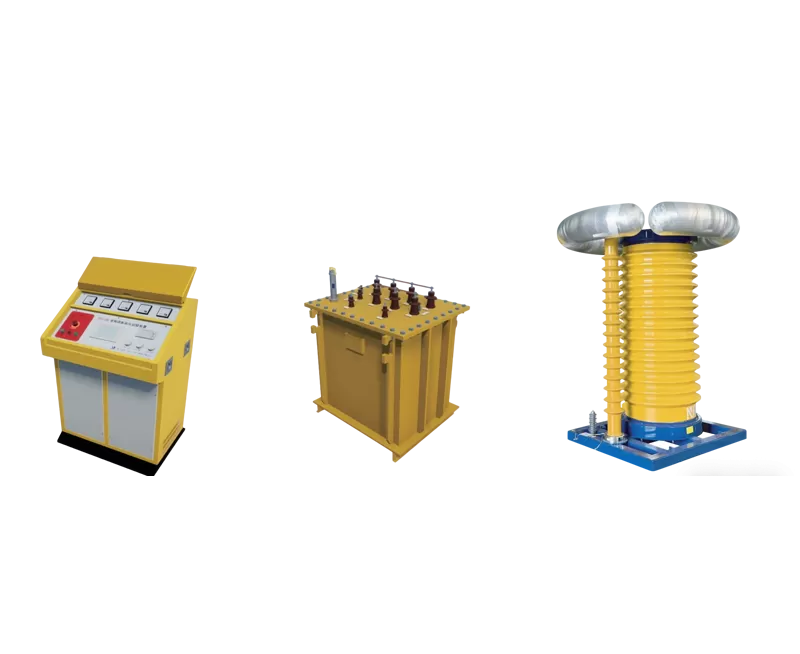
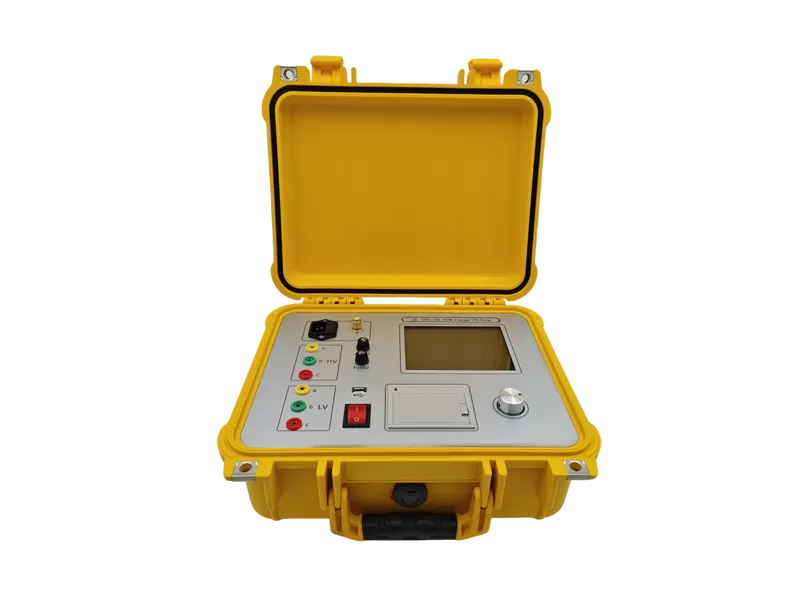
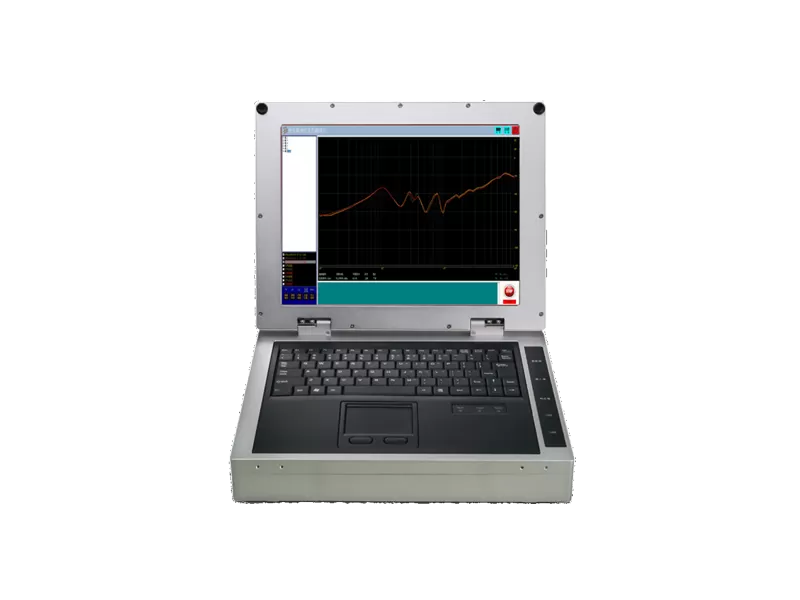
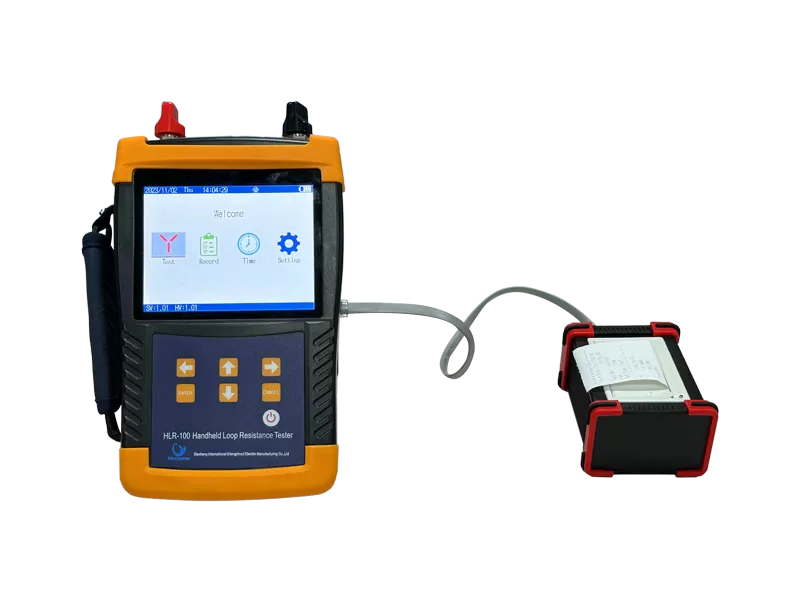
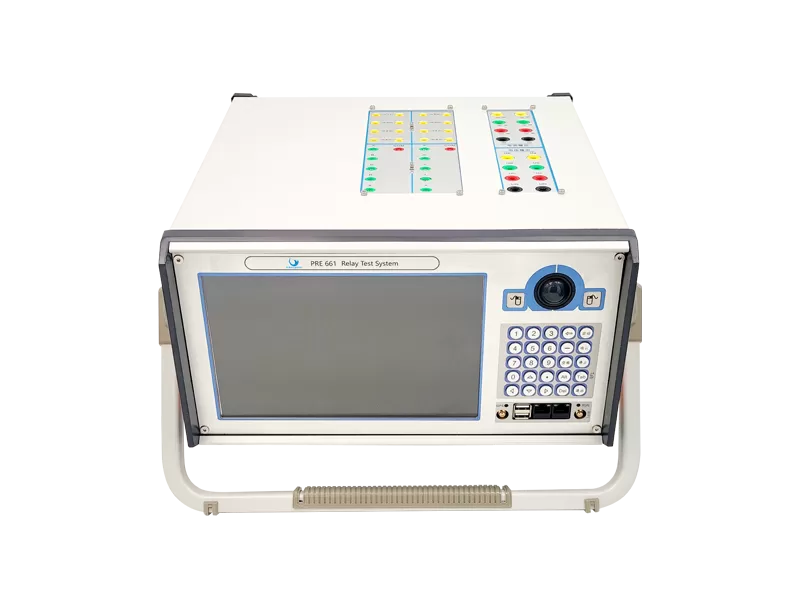
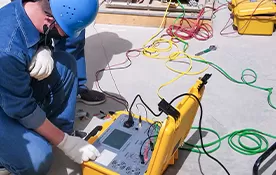
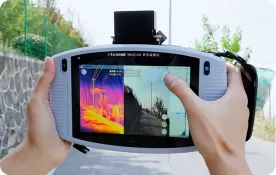
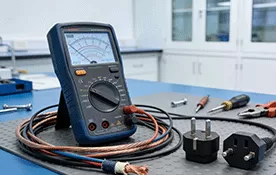
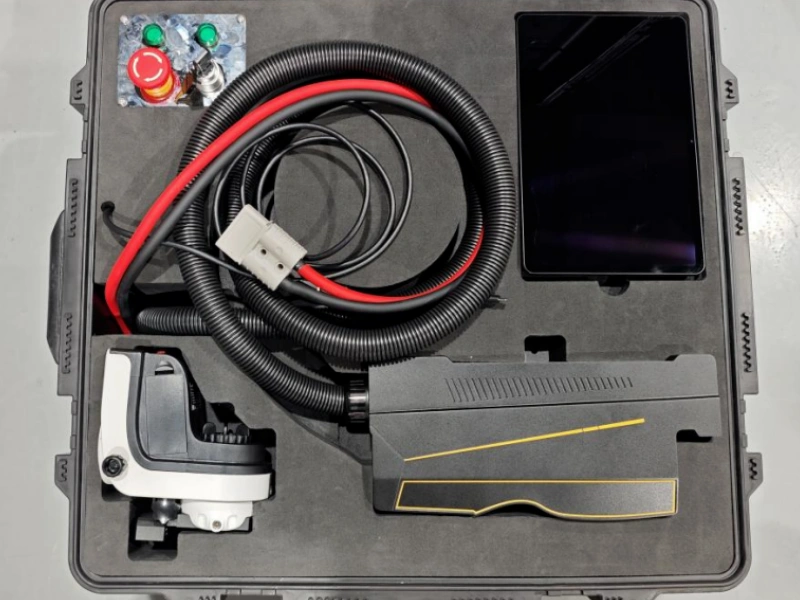
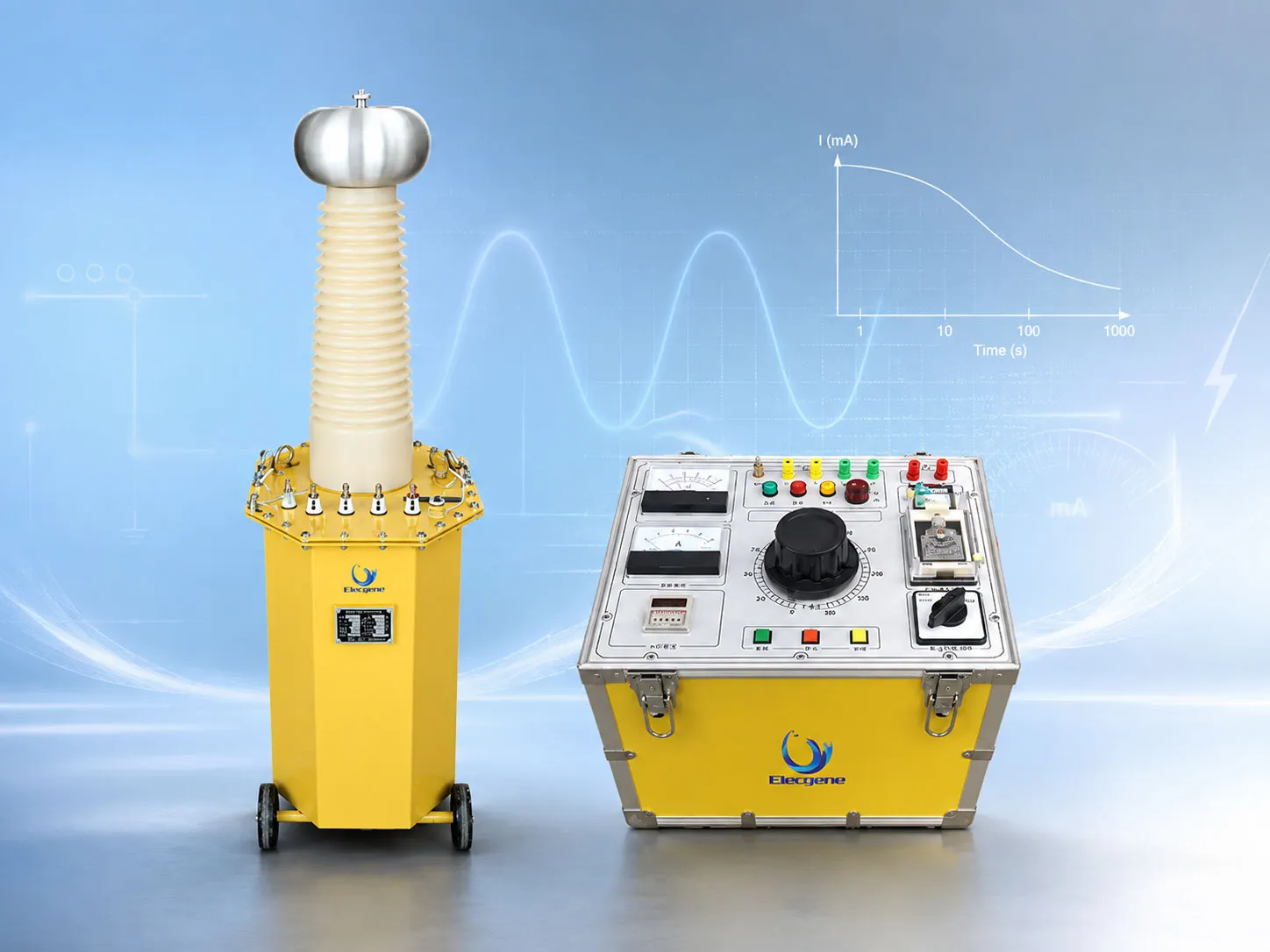
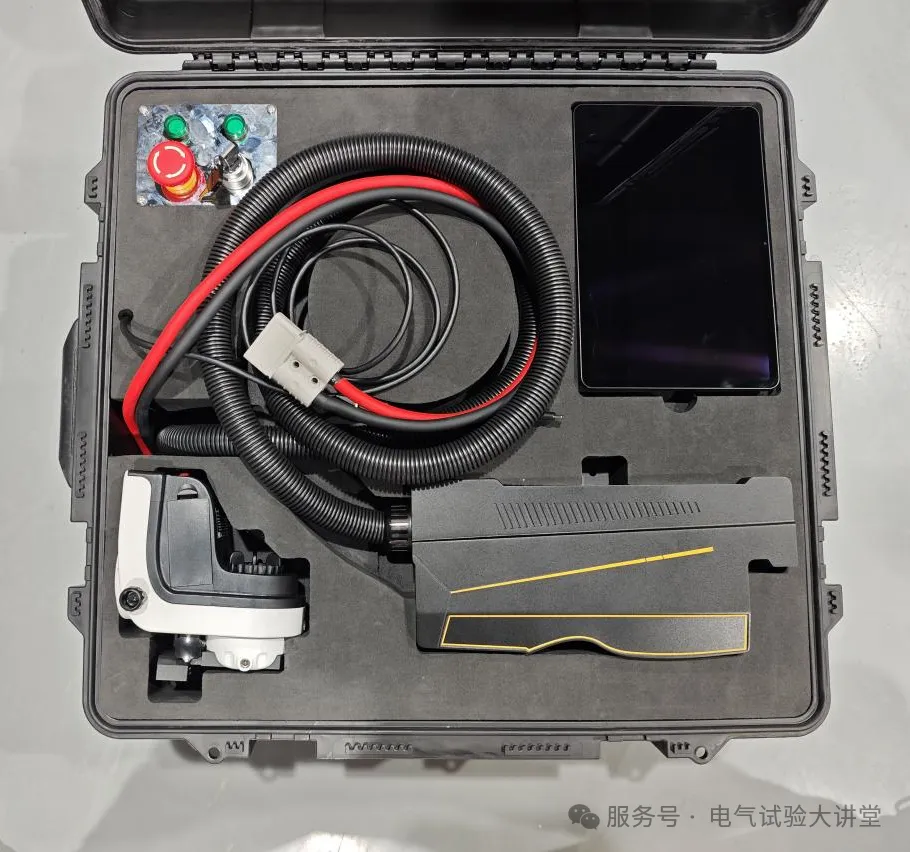
Pictures of On-site Test Instruments
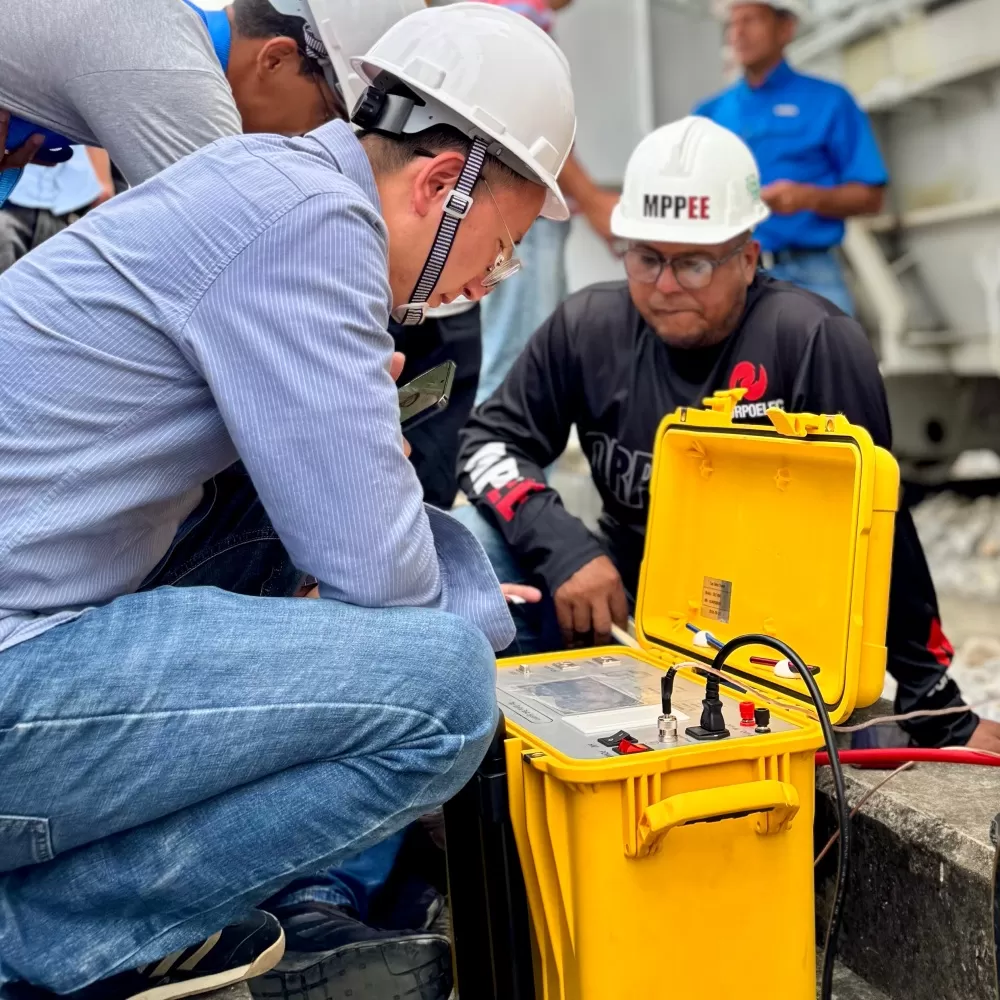
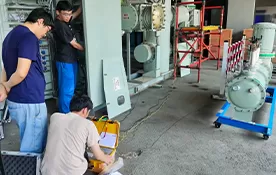
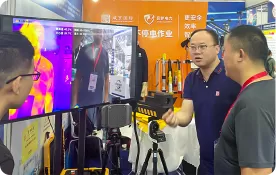
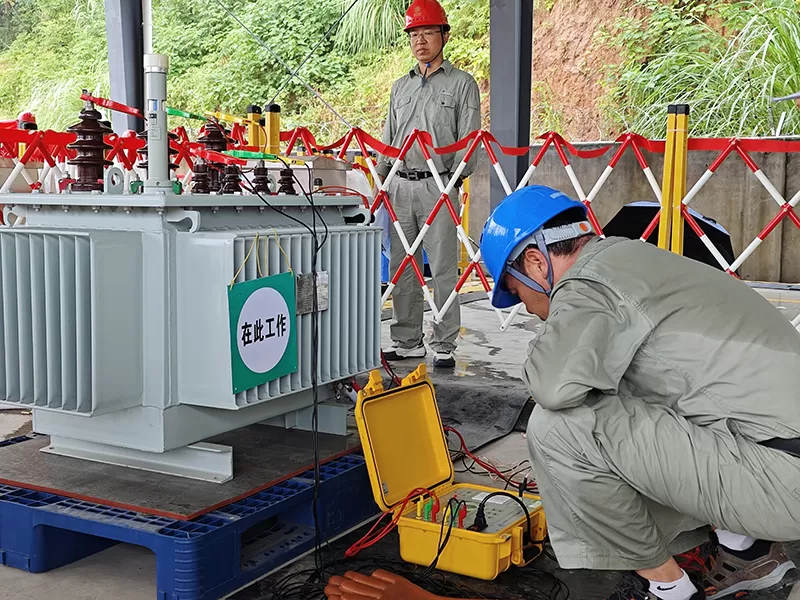
On-site Test Situation
PART 2: Main Purpose and Applicable Scope
The instrument uses laser technology to remotely, quickly, and accurately remove foreign objects without causing damage to the equipment. It has the characteristics of being safe, fast, and capable of live-line work. It is suitable for removing most non-metallic foreign objects, tree branches, wasp nests, etc., on overhead lines. This thoroughly solves the shortcomings of traditional live-line work or manual work during power outages, such as long operation times and high safety risks, thereby improving clearance efficiency.
PART 3: Test Process
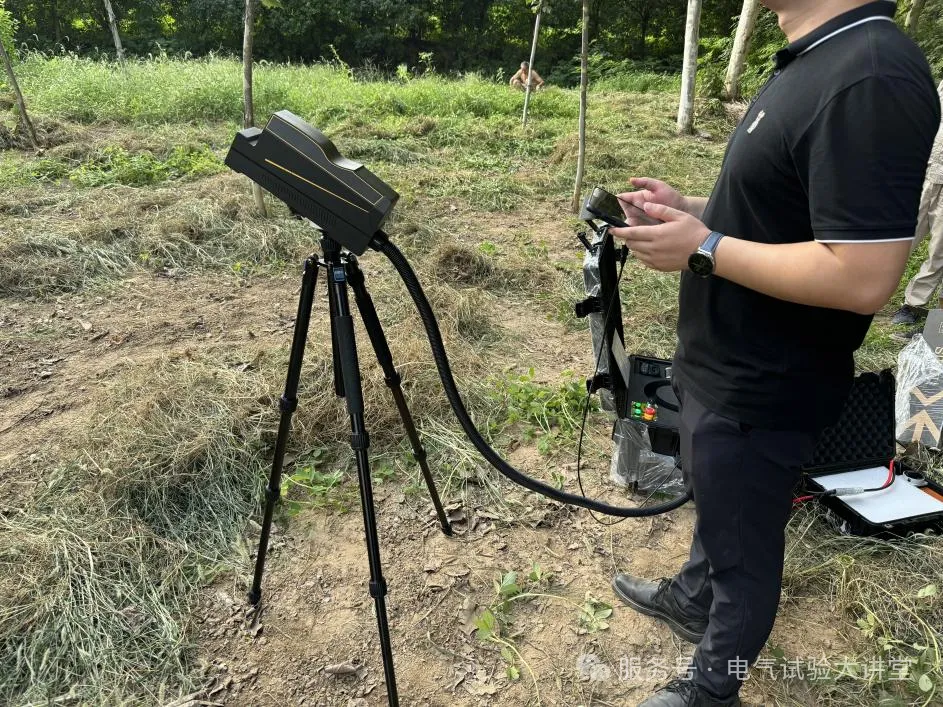
1) Instrument Installation
Open the tripod on flat ground, rotate it clockwise and extend the legs to keep the tripod level, then rotate counterclockwise to lock the legs. Place the pan-tilt smoothly on the tripod, align the hole at the bottom of the pan-tilt with the protruding screw on the tripod, insert the laser transmitter vertically and smoothly into the pan-tilt connector, and tighten it with the plum blossom plastic head adjusting screw. Connect the tablet computer to the Type-C cable on the packing box Hub.
2) Point Calibration
Turn on the laser in an open and unmanned area, observe the deviation between the actual laser position and the position displayed on the software, and drag the crosshairs on the interface to the actual position to complete the calibration.
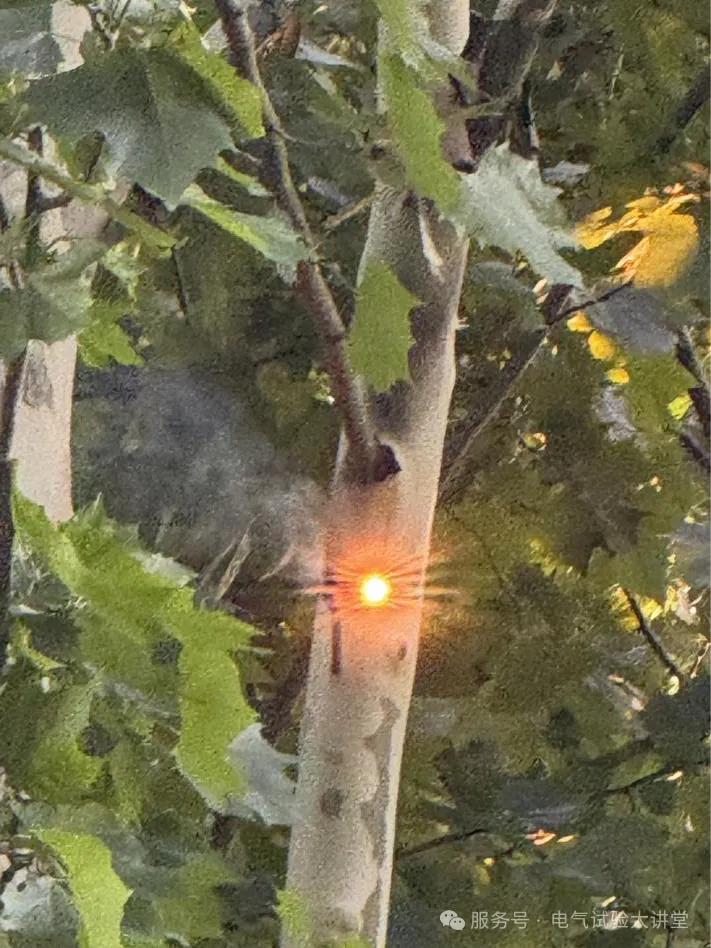
3) Set power, distance, and turn on the laser
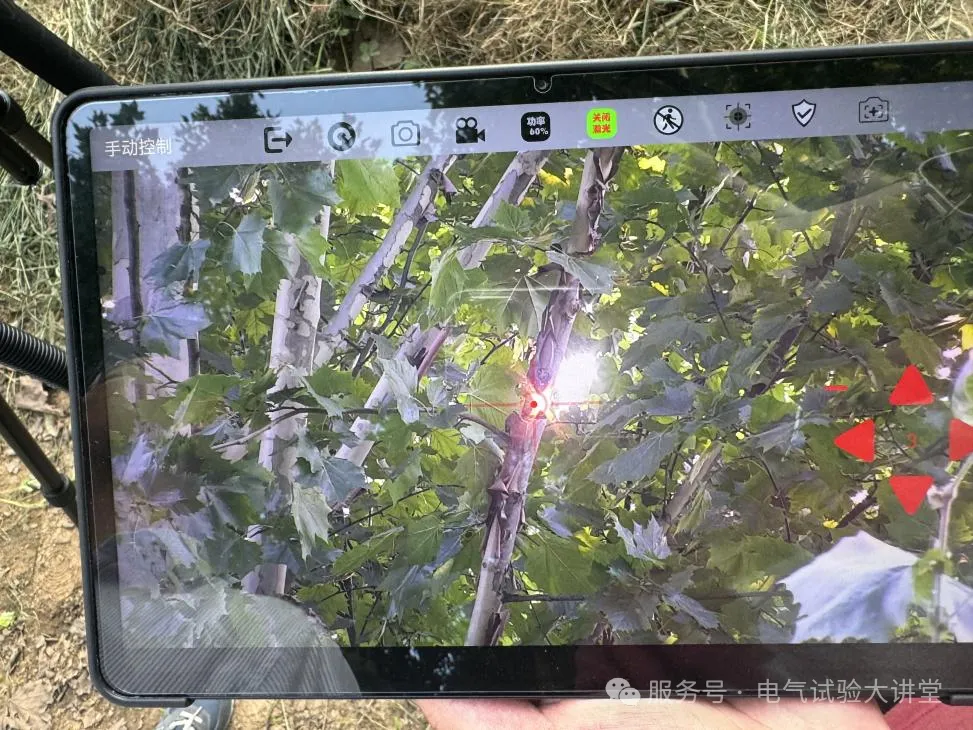
Use a laser rangefinder to measure the distance between the instrument and the branch. After setting the distance on the main interface, enter the manual control interface, set the power to 90%, and click to turn on the laser.
PART 4: Test Summary
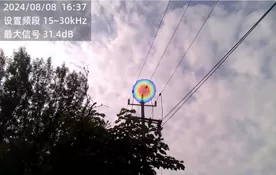
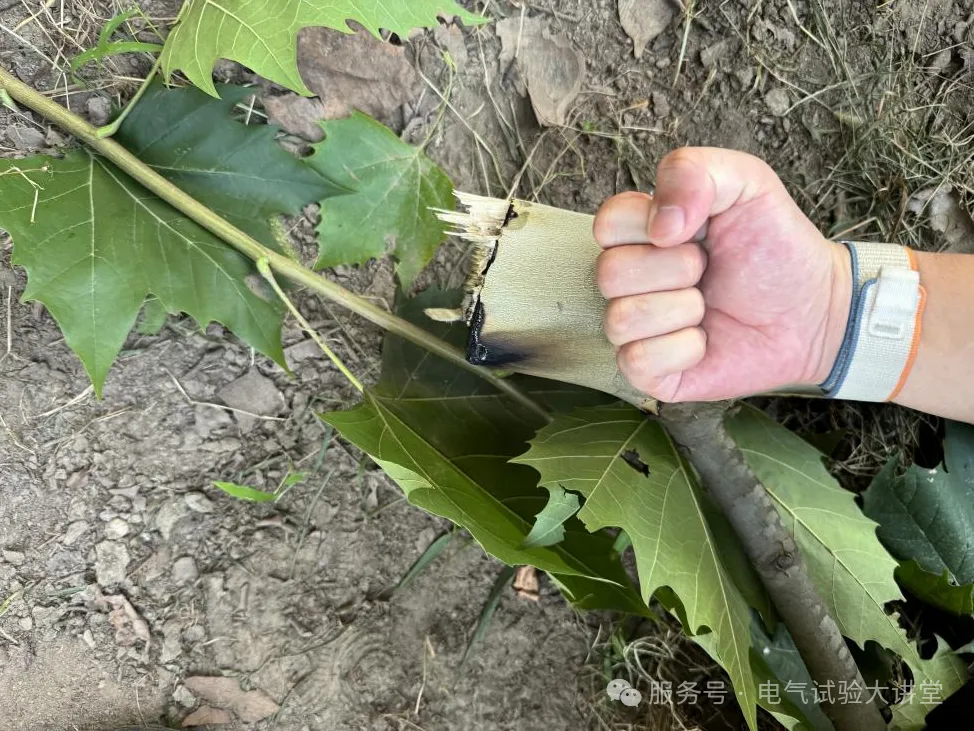
After the TW-1000 was debugged, it operated at 60% power. The time was from 17:35 to 17:52, taking 17 minutes to cut through.
PART 5: Test Comparison
PART 6: Daily Maintenance and Care Precautions
Operators should carefully read the instrument operation instructions, be familiar with the instrument's performance, and master the correct method of use. Turn the instrument on and off strictly in accordance with the operating procedures to keep it in good working condition at all times. Pay attention to the use, maintenance, and inspection of supporting equipment and facilities to avoid shaking, overturning, and sudden power outages while the instrument is in operation.
Precision instruments have high environmental requirements. If the instrument or the surrounding environment is full of dust, once the dust enters the instrument's optical path system, it will inevitably affect the use of the instrument. Dust can also cause issues with the electrical circuits.
Environmental temperature and humidity have a great impact on the instrument. First, avoid using it outdoors on rainy days, and keep the instrument in a compliant environment at all times. Sufficient attention must also be paid to the instrument's environmental humidity requirements. A humid environment can easily cause components to rust and become damaged, leading to failures; it can also easily degrade the insulation performance of the instrument and the light output condition of the output head, creating unsafe factors.
The instrument generally does not require daily maintenance; it only needs to be turned on regularly, paying attention to waterproofing and dustproofing. In case of failure, you can directly contact the dealer or our company for adjustments and repairs under the guidance of professional technicians.

 English
  日本語
日本語  한국어
한국어  français
  Deutsch
  русский
  português
  العربية