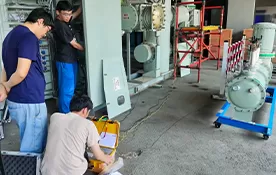
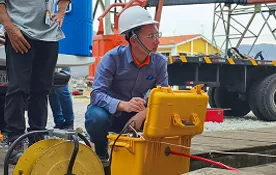
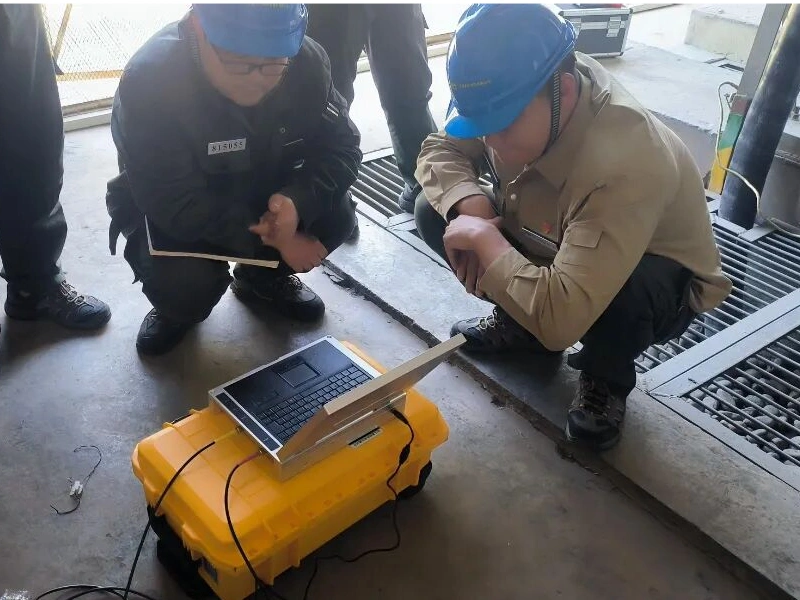
Main Information of On-site Test
Basic On-site Information
Test Object Type: Transformer
Voltage Level: 35kV
Test Item: Winding Deformation Detection - Frequency Response Analysis Method
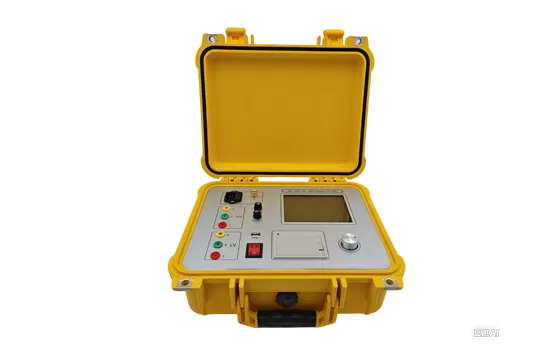
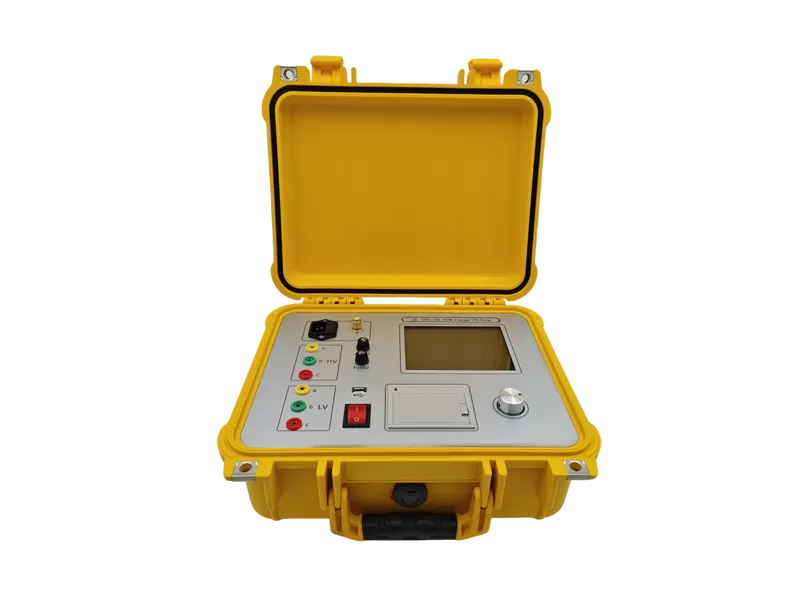
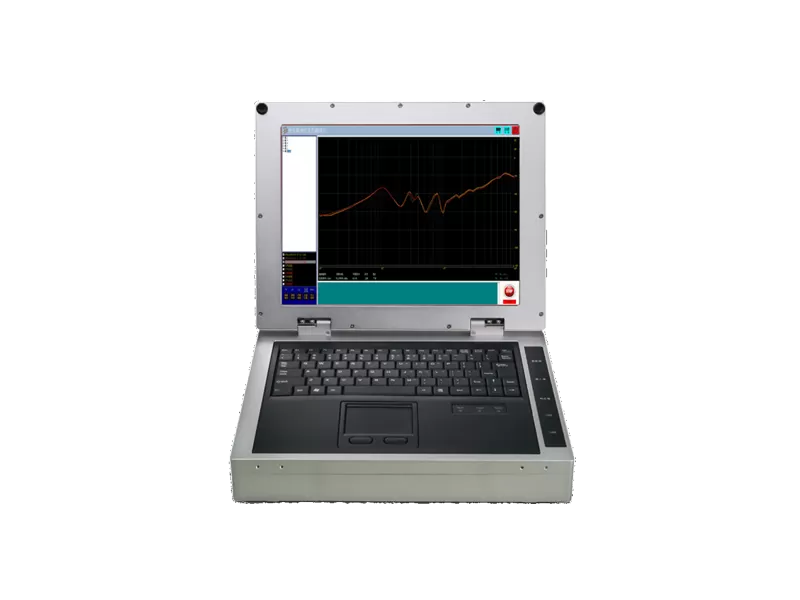
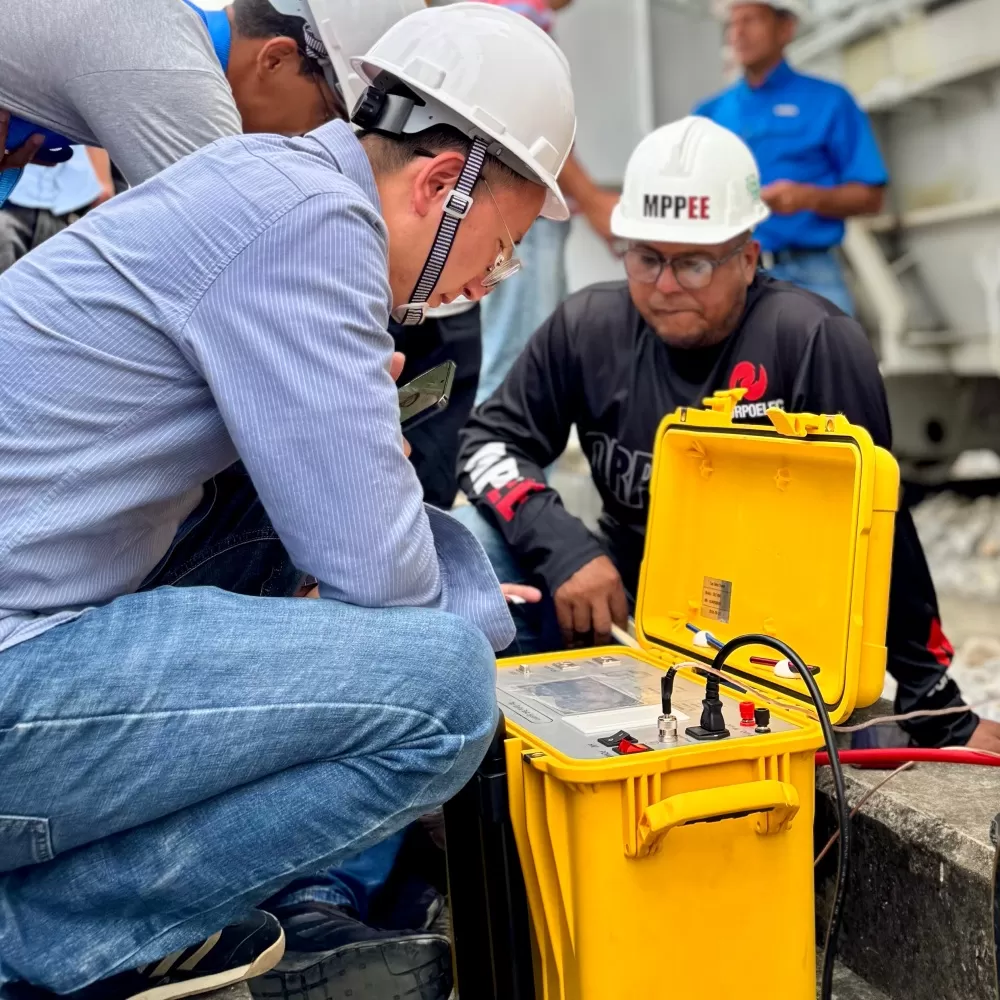
Instrument Used: WDT-200 Transformer Winding Deformation Tester
Test Data: Yes
PART 1: Overview
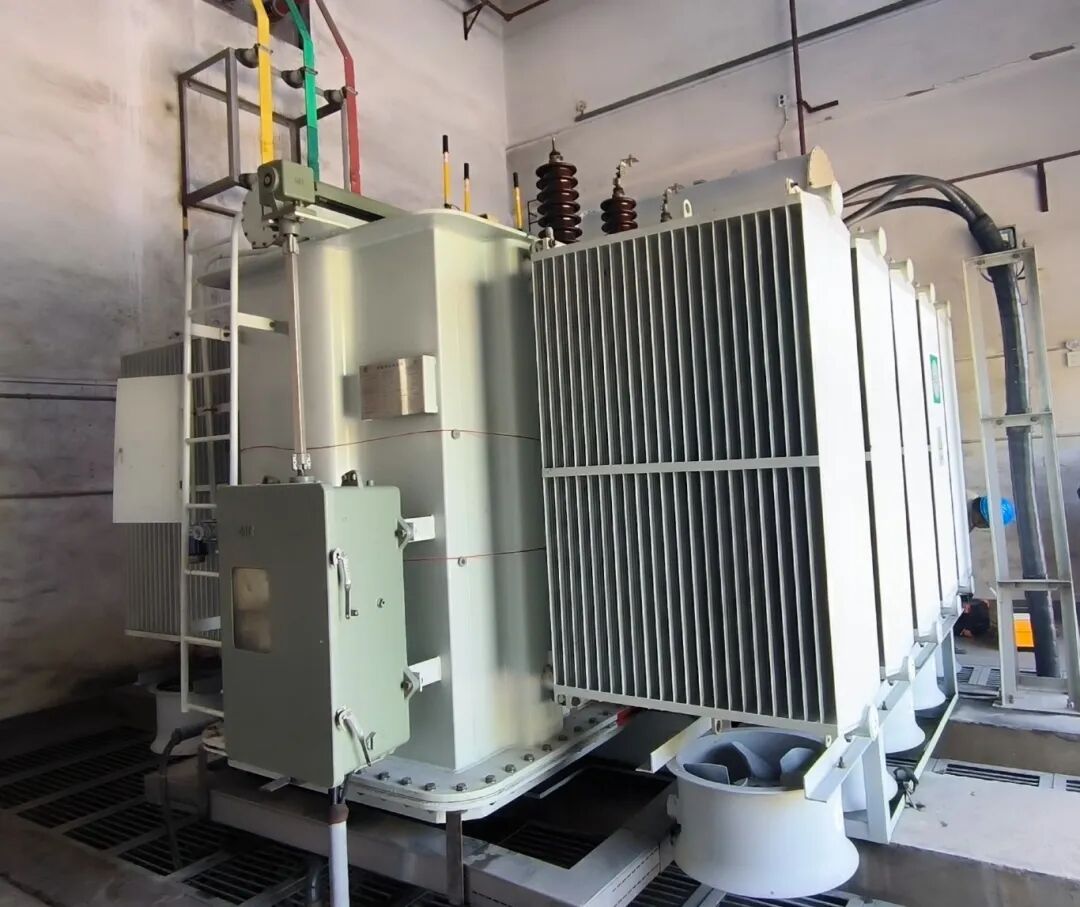
When the winding of a power transformer is subjected to the impact of a short-circuit current or collision during transportation, the axial or radial dimensional changes that occur under the action of electrodynamic or mechanical forces usually manifest as local distortion, bulging, or displacement of the winding. This will directly affect the safe operation of the transformer. Poor dynamic and thermal stability of the winding, insufficient short-circuit withstand capability, and short-circuit currents exceeding the design level are the main causes of transformer winding deformation.
PART 2: Reference Standards
PART 3: Test Purpose
After winding deformation occurs, it is difficult to find the problem using conventional detection methods such as DC resistance, turns ratio, and insulating oil testing, and the hidden danger continues to exist.
After winding deformation occurs, the insulation strength and mechanical strength of the transformer are reduced.
PART 4: Equipment Used
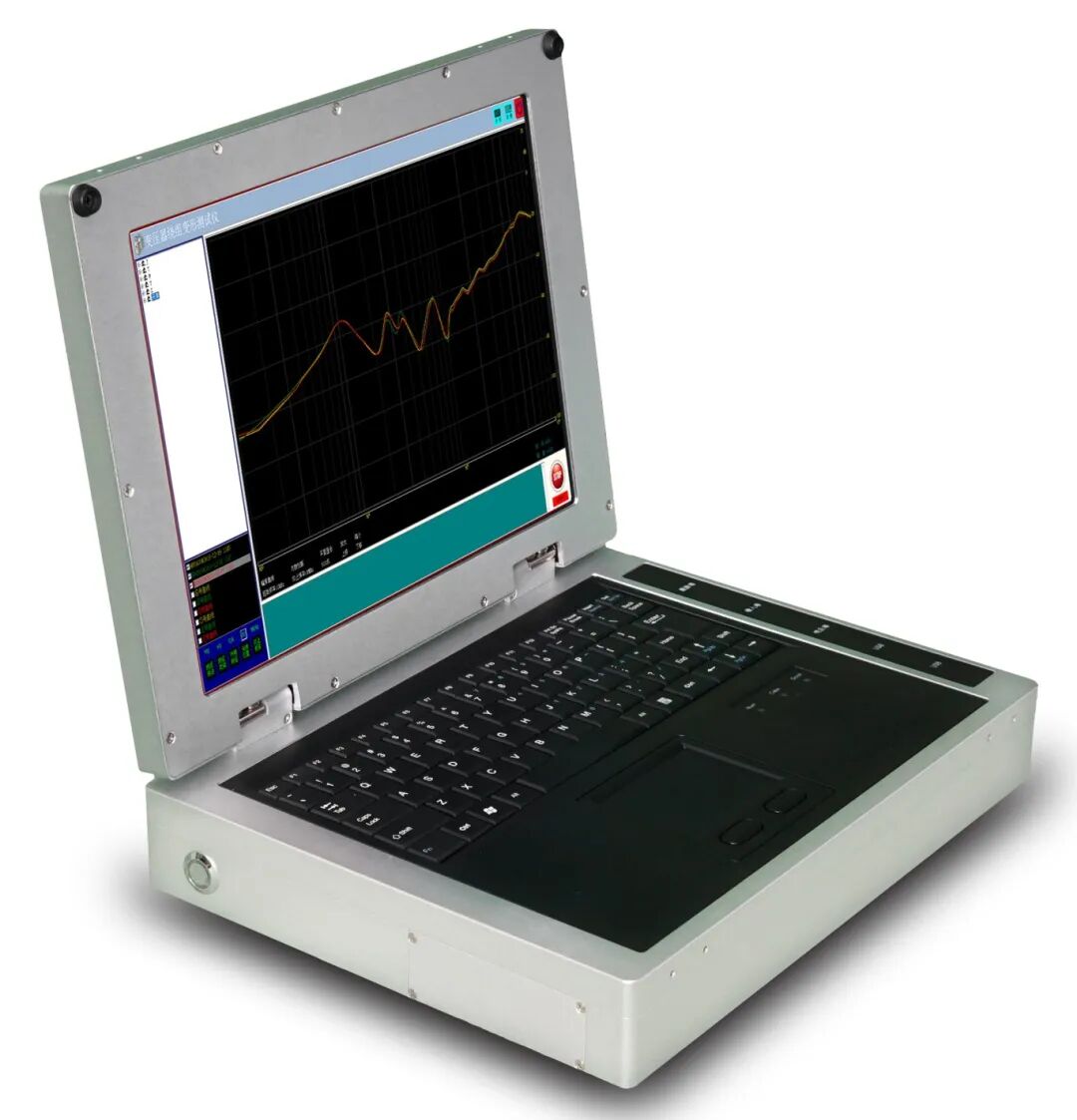
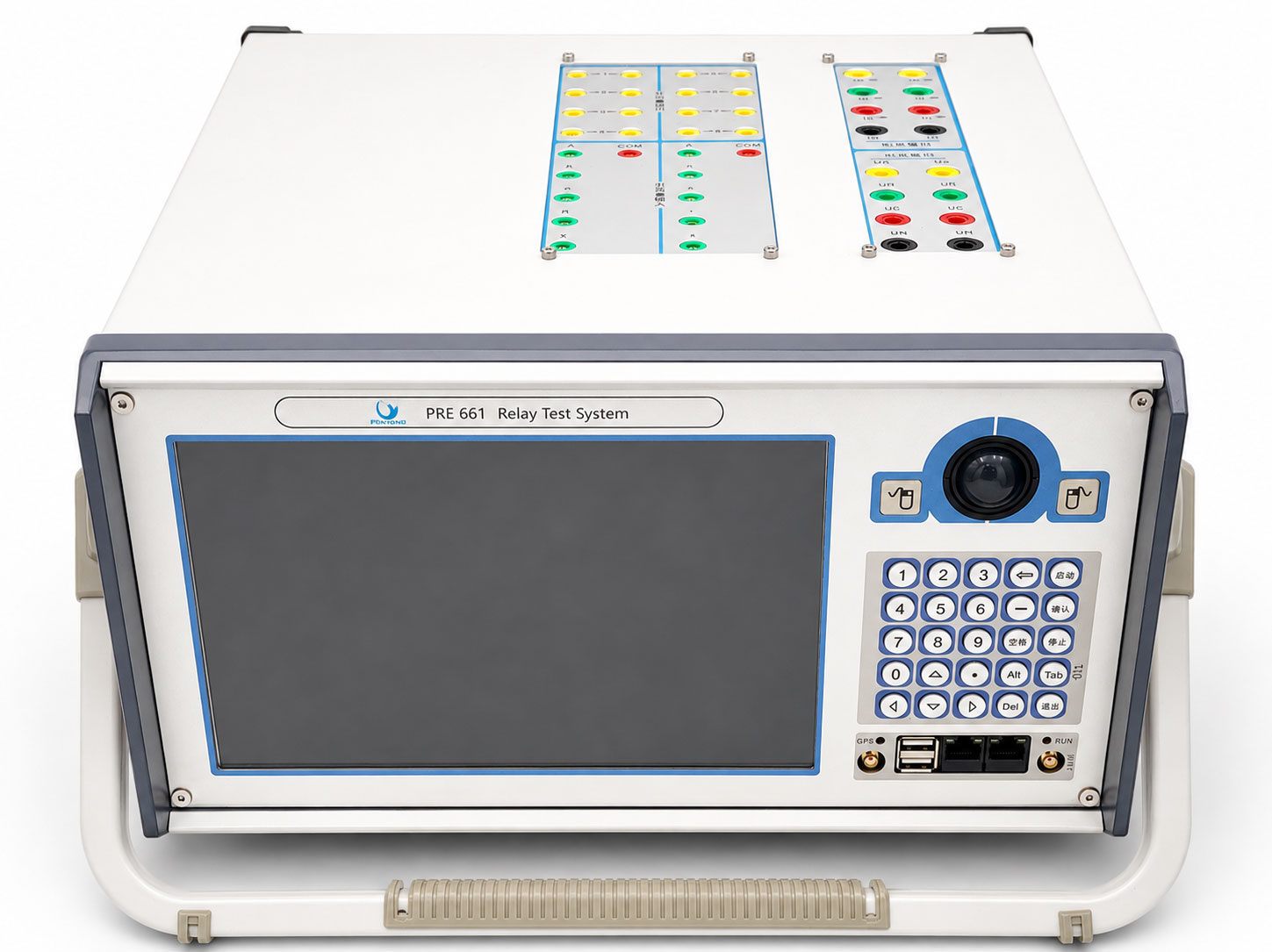
The WDT-200 Transformer Winding Deformation Tester integrates a military-grade industrial computer all-in-one machine. Testing can be performed without an external computer, making the test simpler and faster. The sweep frequency range is up to 15MHz, providing higher test accuracy and stronger anti-interference capability.
PART 5: Test Process
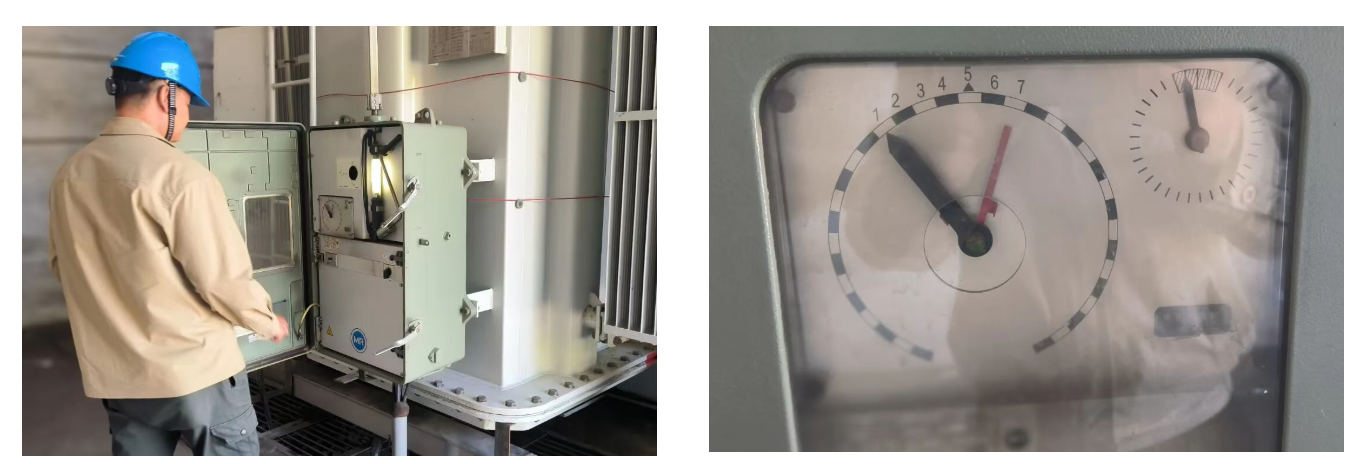
Adjust the transformer tap changer to position 1 so that all winding coils are connected to the detection circuit.
The high-voltage winding of the transformer uses a YN connection. The excitation signal is input from the end of the tested winding, and the detection is at the beginning of the winding.
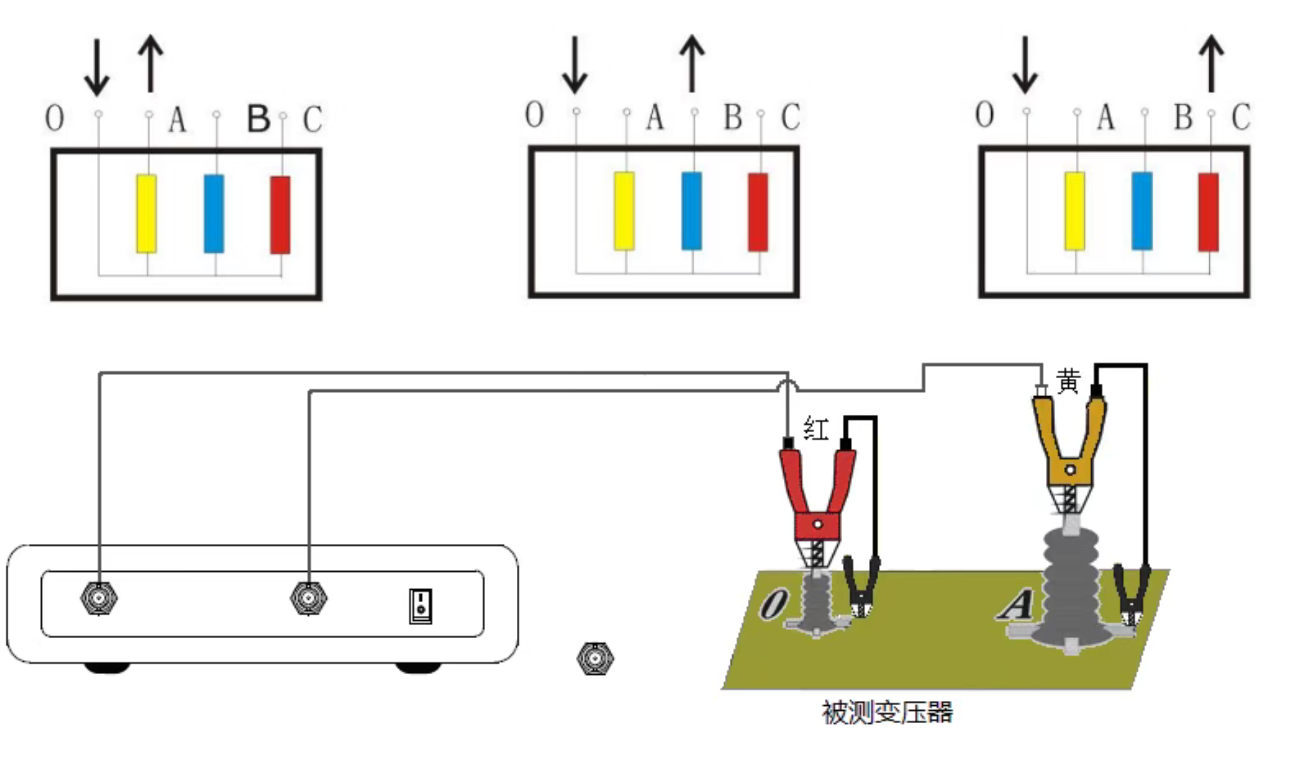
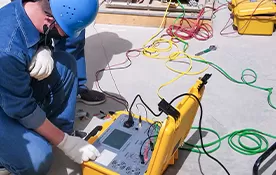
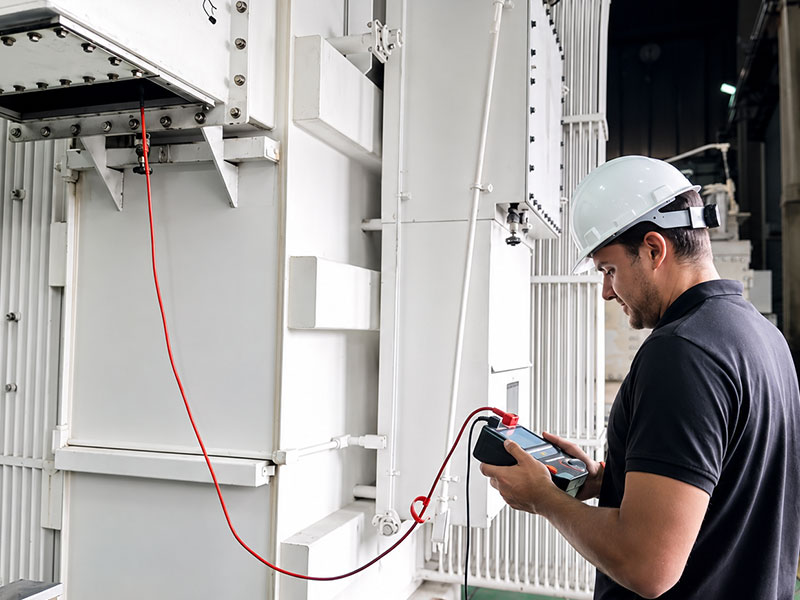
The low-voltage winding of the transformer uses a D connection, and the wiring method is shown below.
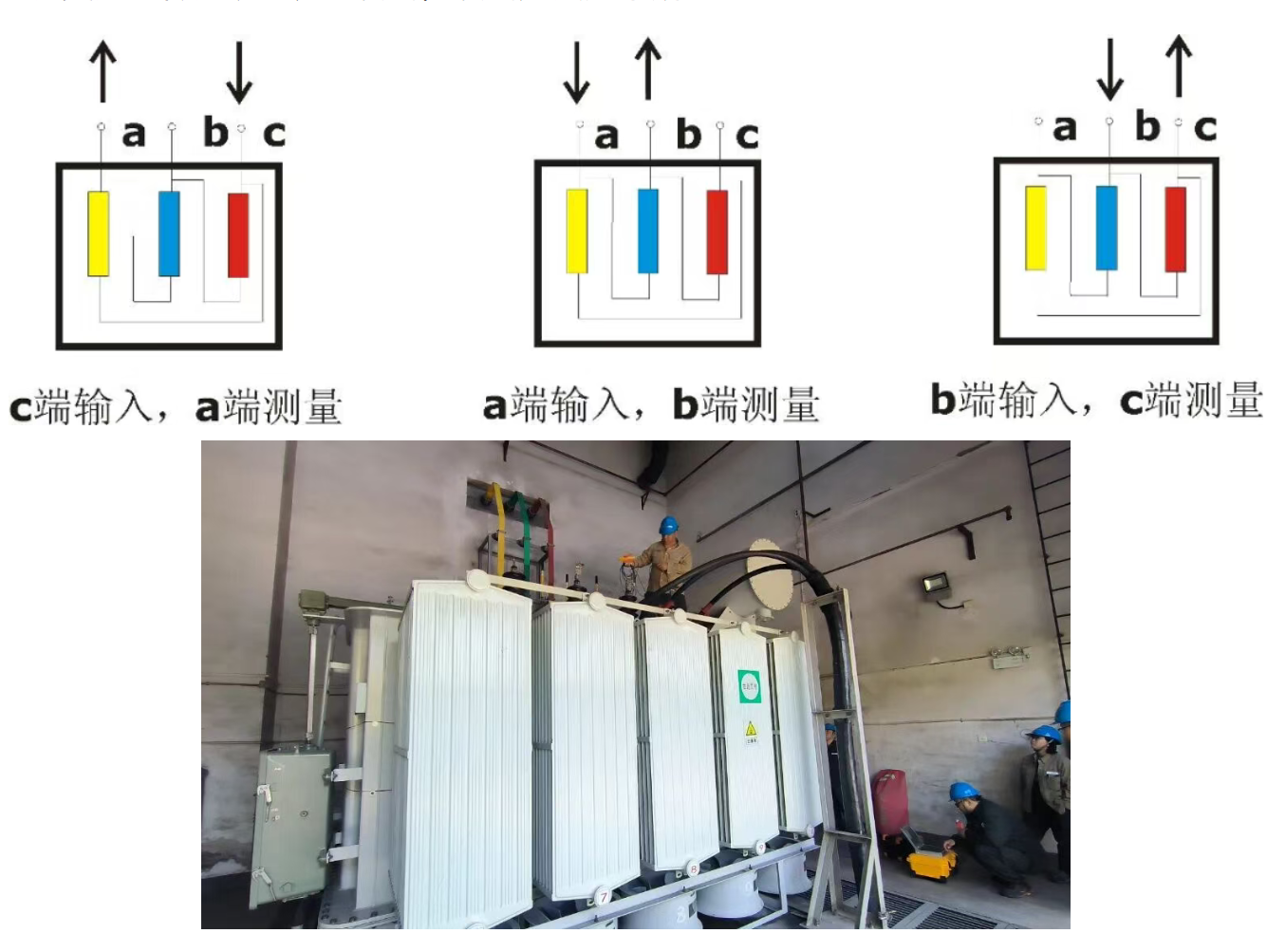
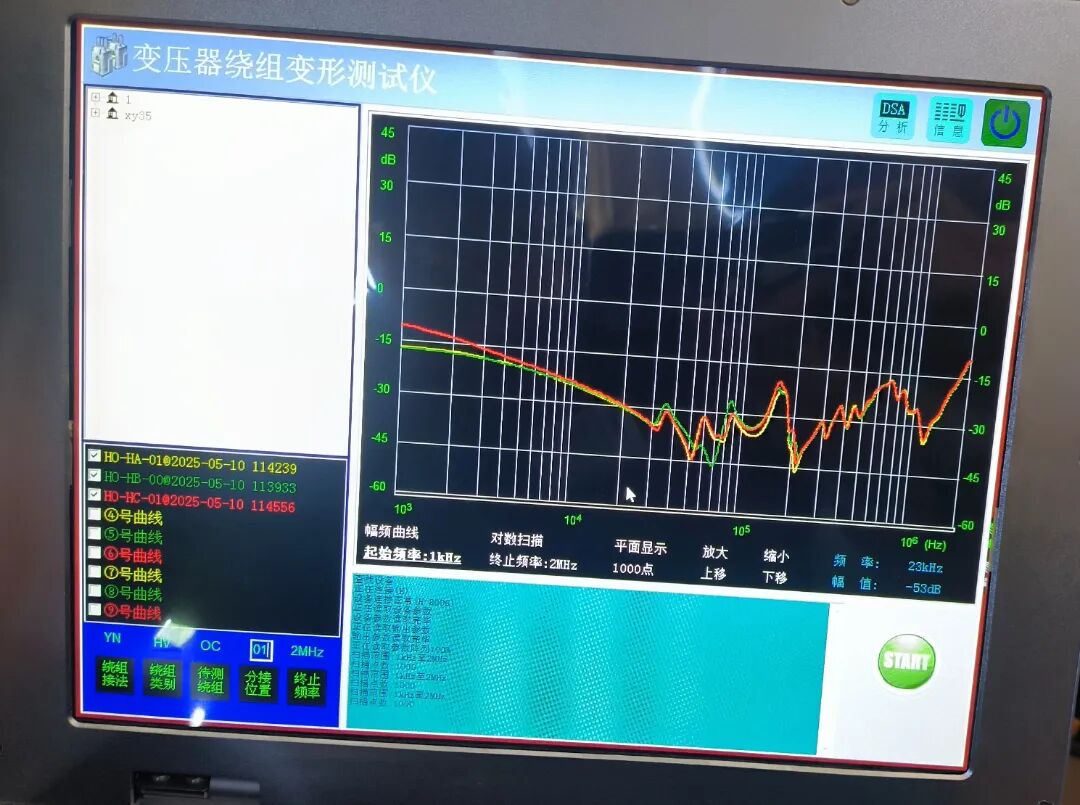
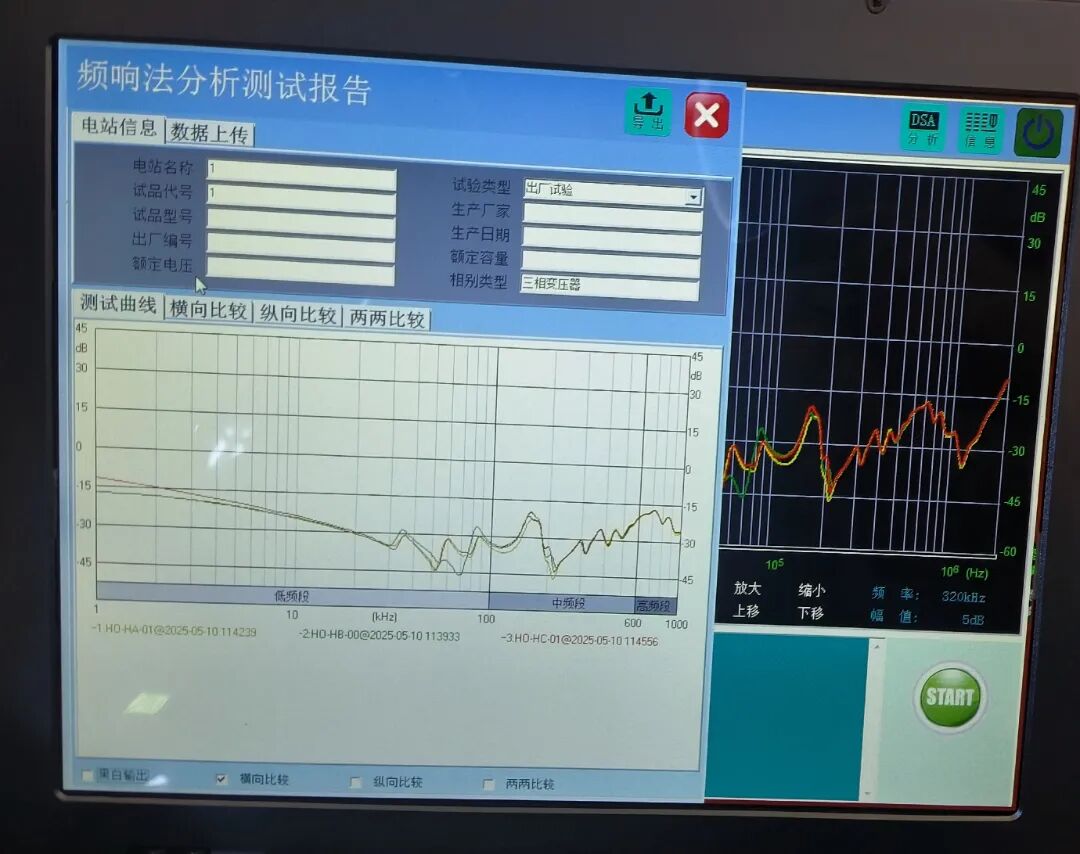
After the wiring is completed, set the basic information of the transformer, the tested winding, and the sweep frequency range, then start the test. After the test is finished, the three-phase winding test curves are displayed on the screen simultaneously, allowing for visual confirmation of whether the three curves overlap.
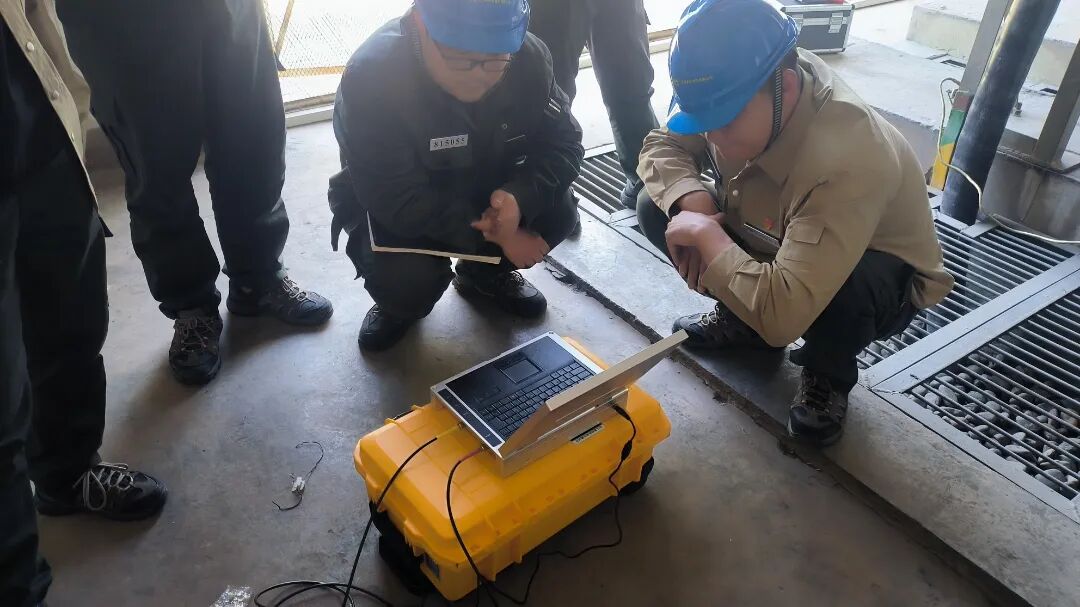
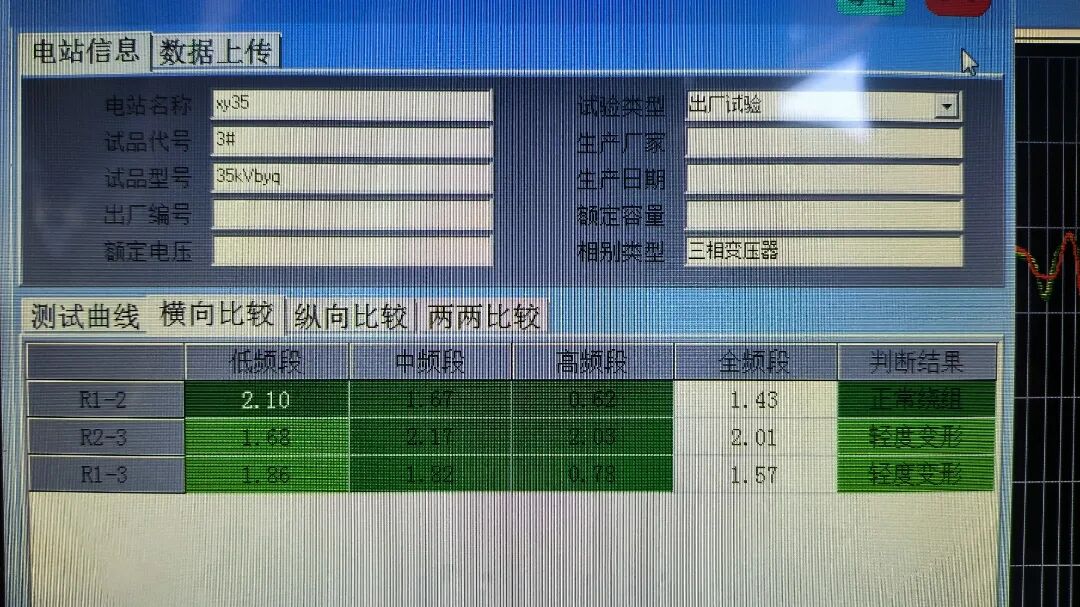
After the three-phase test is completed, click "Analyze." The instrument automatically judges the degree of winding deformation based on the relevant parameters of the DLT 911 standard.
PART 6: Winding Deformation Analysis
When conducting transformer winding deformation testing on-site, the normally measured frequency response data curve should be continuous and smooth. However, in a relatively complex on-site environment, the measured frequency response characteristic data may sometimes be subject to interference. The interference should be eliminated first, and the test should be performed again.
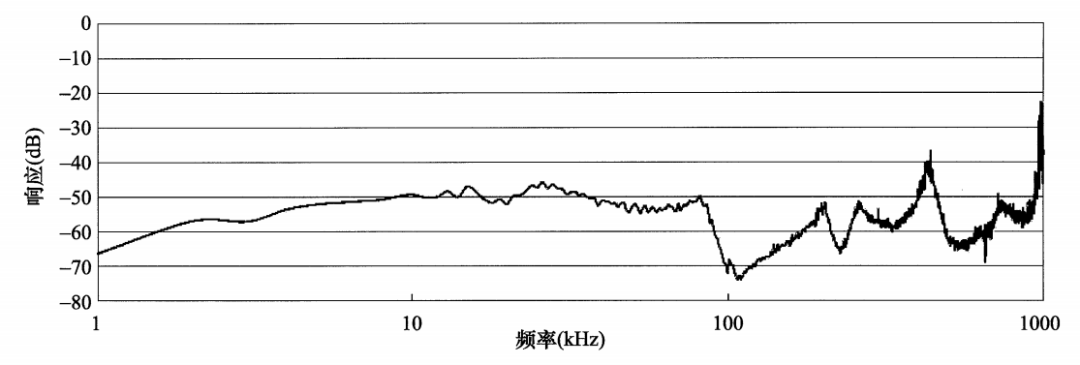
The correlation coefficient can quantitatively describe the degree of similarity between two waveform curves. It can usually be used as an auxiliary means to analyze the winding deformation of the transformer. The specific results should also be judged comprehensively based on the operation of the transformer and other information.
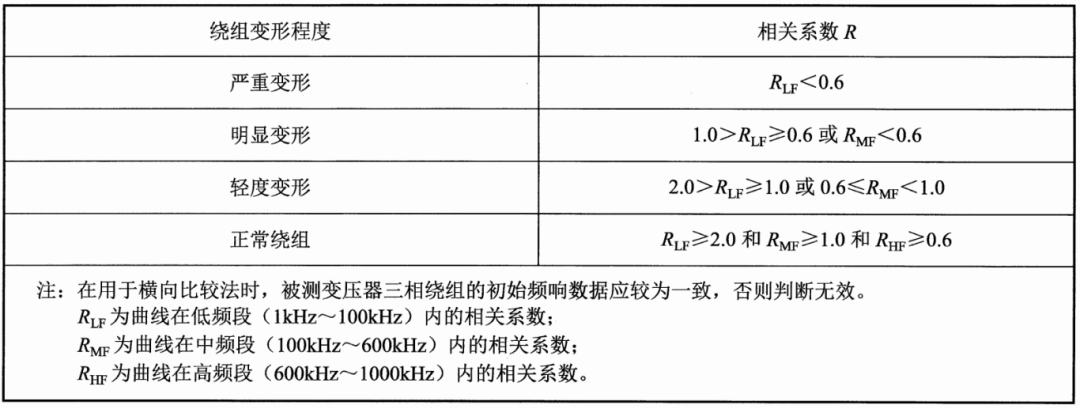
A significant change in the peak or valley position of the amplitude-frequency response characteristic curve in the low-frequency band (1kHz~100kHz) usually indicates a change in the winding's inductance, which may mean there is an inter-turn or inter-disc short circuit. For the vast majority of transformers, the amplitude-frequency response characteristic curves of the three-phase windings in the low-frequency band should be very similar. If there are differences, the cause should be identified promptly.
A significant change in the peak or valley position of the amplitude-frequency response characteristic curve in the mid-frequency band (100kHz~600kHz) usually indicates local deformation phenomena such as twisting and bulging of the winding.
A significant change in the peak or valley position of the amplitude-frequency response characteristic curve in the high-frequency band (>600kHz) usually indicates a change in the winding's capacitance to ground, which may mean there is an overall displacement of the winding or lead displacement. However, because this frequency band is easily affected by test leads, and this type of deformation usually has obvious responses in the mid-frequency band as well, the high-frequency band test data is generally not used as the primary information for winding deformation analysis.

 English
  日本語
日本語  한국어
한국어  français
  Deutsch
  русский
  português
  العربية