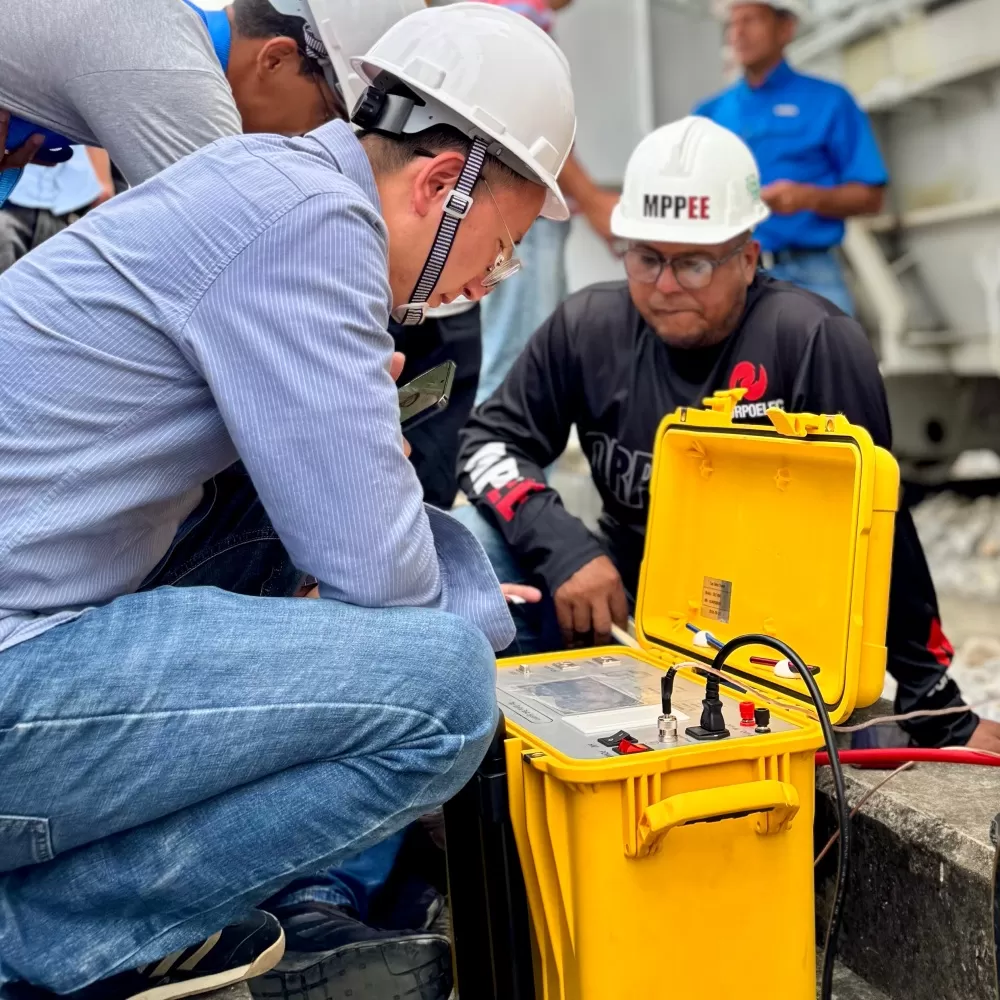
SFRA, or Sweep Frequency Response Analysis, is a transformer diagnostic method used to detect mechanical and electrical changes in the active part of a transformer by comparing frequency response curves. It is especially valuable after transportation, short-circuit events, seismic shock, fault trips, commissioning, major repair or unexplained protection operation.
Unlike routine electrical tests that measure one parameter, SFRA views the transformer as a distributed RLC network. A change in winding geometry, core grounding, clamping pressure, lead position or tap connection can shift resonances and anti-resonances in the response curve. Elecgene supports this work with the Sweep Frequency Response Analyser, while its wider power transformer testing equipment covers complementary tests such as turns ratio, winding resistance, excitation current and insulation condition assessment.
What Does SFRA Actually Tell You?
SFRA tells you whether the transformer’s internal electrical network has changed, which may indicate winding displacement, winding deformation, axial/radial movement, core movement, clamping looseness, shorted turns, open circuits, lead movement or tap-related connection changes. It is strongest as a comparative diagnostic test, not as a standalone pass/fail measurement.
The principle is standardized. IEC 60076-18 covers the measurement technique and equipment used for frequency response measurements on power transformers, reactors, phase-shifting transformers and similar equipment, both in factory and on-site conditions.
In practical interpretation, engineers compare the present trace with a factory fingerprint, previous field record, sister transformer or phase-to-phase response. The frequency band gives clues: low frequency is more core-influenced, middle frequency is more winding-influenced, and high frequency is more sensitive to leads, tap windings, bushings and test setup.
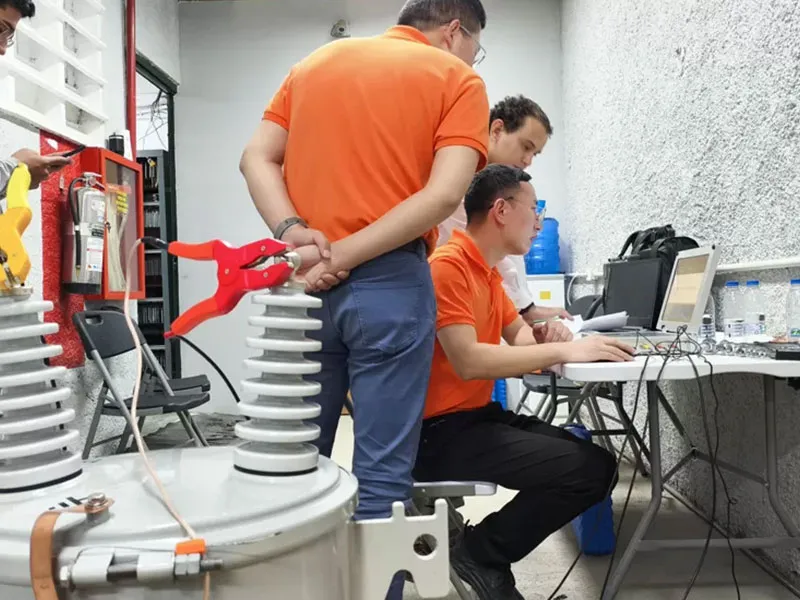
SFRA vs Routine Electrical Tests: Different Failure Clues
SFRA and routine transformer tests answer different diagnostic questions. SFRA is sensitive to geometry and mechanical integrity, while winding resistance, turns ratio, insulation resistance, tan delta and impedance tests quantify specific electrical or dielectric properties.
For example, a transformer turns ratio test is excellent for verifying ratio error, vector group, tap position and possible shorted turns. Elecgene’s STRT-100 True 3-Phase Turns Ratio Meter is more suitable when the main question is “Does the transformer ratio match the nameplate?” rather than “Has the winding geometry shifted?”
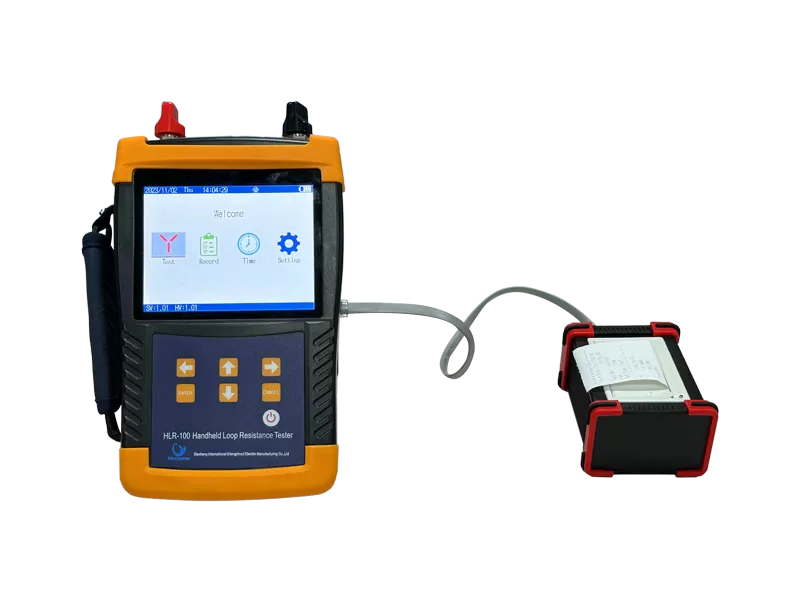
Winding resistance testing is different again. It is used to evaluate winding continuity, current-carrying path condition, tap changer contact resistance and loose joints. For this purpose, Elecgene’s DRT3XXL Series Transformer Ohmmeter is a more direct tool than SFRA when the expected problem is a high-resistance joint, contact problem or DC resistance imbalance.
IEEE C57.12.90 lists transformer test categories including resistance measurements, polarity and phase-relation tests, ratio tests, no-load loss and excitation current, impedance and load loss, dielectric tests, temperature tests and short-circuit tests. This shows why no single transformer test can replace a complete diagnostic program.
SFRA vs DGA, Insulation and Dielectric Tests
SFRA diagnoses mechanical and network changes, while DGA, insulation resistance and dielectric tests diagnose insulation aging, moisture, thermal faults, arcing and dielectric weakness. These methods are complementary because they look at different physics inside the transformer.
DGA is powerful for oil-filled transformers because gases dissolved in oil can indicate overheating, partial discharge or arcing. IEC 60599:2022 describes how dissolved and free gas concentrations can be interpreted to diagnose the condition of mineral-oil-filled electrical equipment in service and suggest future action.
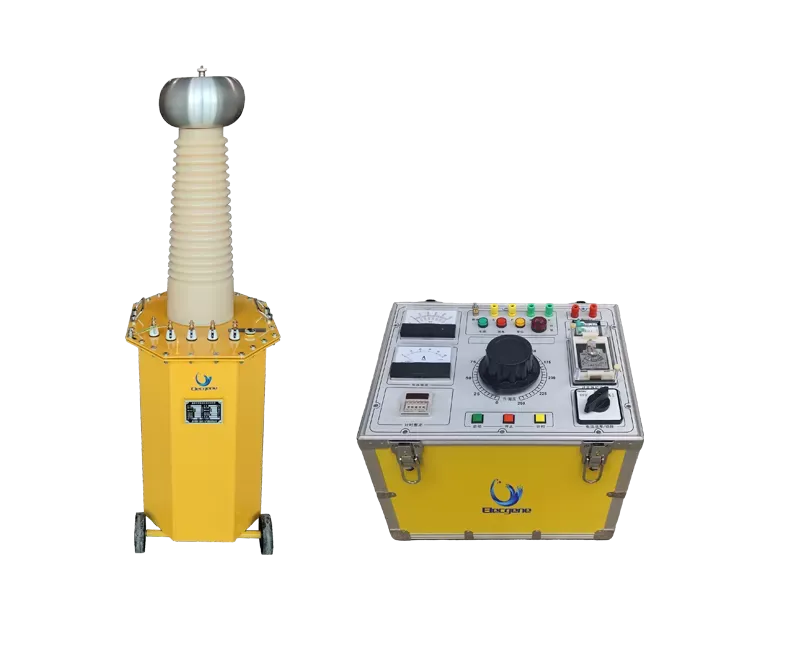
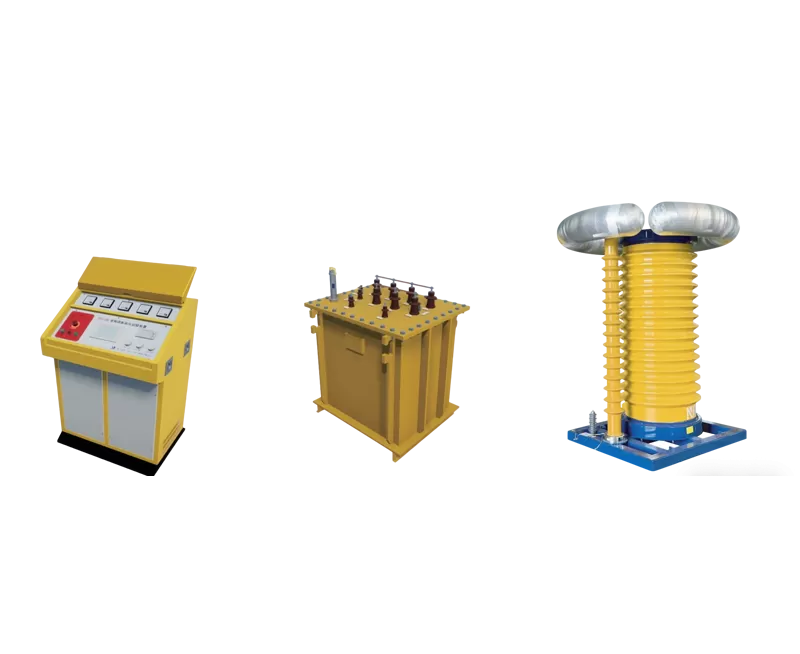
Insulation resistance, polarization index and dielectric tests focus on insulation condition. Elecgene’s Transformer Insulation Testing Tool is more relevant when the concern is insulation resistance, leakage current, polarization, moisture or dielectric deterioration rather than winding displacement.
The key professional point is this: SFRA may detect winding movement after a through-fault even when insulation resistance looks normal. Conversely, DGA may detect overheating or arcing when the SFRA trace remains close to the baseline. A mature diagnostic strategy uses the tests together and interprets contradictions carefully.
Comparison Table: What Each Transformer Test Reveals
Transformer diagnostic tests should be selected according to the suspected failure mode, not simply performed as a fixed checklist. The table below compares what SFRA and other common tests can reveal.
| Diagnostic Test | Primary Diagnostic Target | Strong At Detecting | Limited For |
|---|
| SFRA | Mechanical/electromagnetic network change | Winding displacement, deformation, core/lead movement, clamping change | Direct thermal aging or oil chemistry |
| DGA | Oil/gas fault chemistry | Overheating, arcing, partial discharge, thermal faults | Dry-type transformers and exact mechanical location |
| Winding Resistance | DC current path | Loose joints, tap contacts, open circuits, resistance imbalance | Subtle mechanical movement without resistance change |
| Turns Ratio / TTR | Ratio and phase relationship | Wrong tap, shorted turns, vector error, connection problems | Core looseness or mechanical displacement |
| Insulation Resistance / PI | Insulation leakage and polarization | Moisture, contamination, degraded insulation | Winding geometry or lead displacement |
| Tan Delta / Power Factor | Dielectric loss | Insulation aging, moisture, dielectric contamination | Locating winding movement |
| Short-Circuit Impedance | Global winding geometry and leakage path | Major deformation or winding displacement | Localized defects and detailed frequency behavior |
A more advanced workflow is to use SFRA after any event that may apply mechanical force to the windings, then use winding resistance and TTR to verify electrical continuity and ratio integrity, and use DGA or dielectric tests to check whether the same event also created thermal or insulation stress.
When Should Engineers Choose SFRA First?
Engineers should choose SFRA first when the suspected risk is mechanical deformation, winding displacement or internal movement rather than only insulation deterioration. It is particularly suitable after transportation impact, crane handling, short-circuit fault, seismic event, factory acceptance, site commissioning or major maintenance.
IEEE C57.149-2024 is specifically a guide for the application and interpretation of frequency response analysis for oil-immersed transformers, which reflects SFRA’s role as a specialized diagnostic method rather than a generic electrical test.
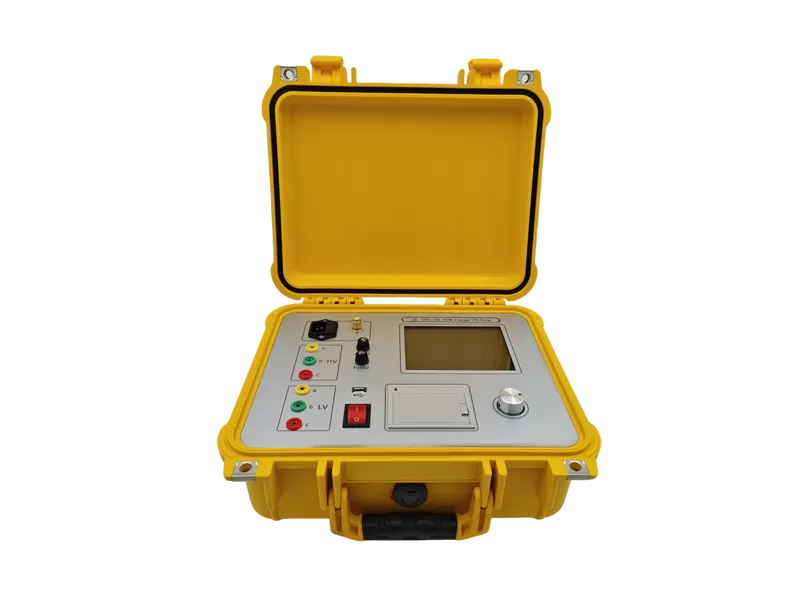
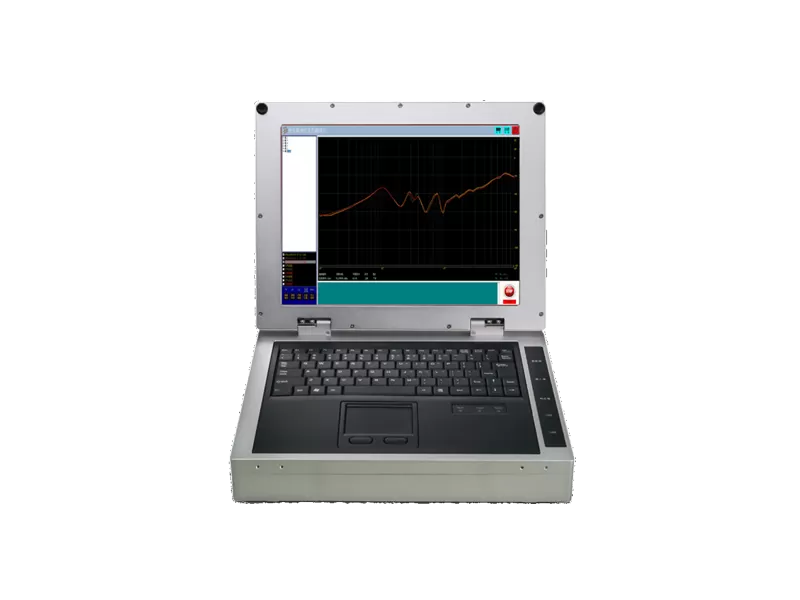
Elecgene’s WDT-200 uses a sinusoidal excitation voltage with continuously increasing frequency and compares input/output response to identify deviations from reference data. It supports a 10 Hz–16 MHz sweep range, with 30 MHz optional, a -120 dB to 20 dB measurement dynamic range, and a field-friendly design with onboard computer, large screen, hard-drive storage and USB data export.
For utilities and service teams, SFRA should be performed before and after transportation, after heavy short-circuit events, after winding repair, during factory acceptance testing and whenever mechanical integrity is questioned. Keeping the first baseline record is important because future interpretation is much stronger when a reliable fingerprint exists.
How to Build a Professional Transformer Diagnostic Test Plan
A professional transformer diagnostic plan combines SFRA with electrical, dielectric and oil-based tests so engineers can separate mechanical faults from thermal, insulation and connection problems. The goal is not to perform more tests, but to answer the right failure question with the right evidence.
For a suspected transportation impact, prioritize SFRA, visual inspection, winding resistance and ratio testing. For a short-circuit fault, add impedance, winding resistance, TTR and DGA. For moisture or insulation concerns, prioritize insulation resistance, PI, tan delta and oil tests. For tap changer concerns, combine winding resistance across tap positions with TTR and mechanical inspection.
CIGRE notes that FRA interpretation has historically relied on comparison and expert judgment, while newer work focuses on improving objective interpretation methods. This is why consistent test connection, tap position, grounding, cable routing and baseline management are just as important as instrument accuracy.
Elecgene helps testing teams build more complete transformer diagnostic workflows by combining the WDT-200 SFRA analyser with transformer ohmmeters, turns ratio meters, insulation testers, CT/PT analyzers and broader electrical test equipment. This allows engineers to move from “one abnormal result” toward a defensible diagnosis supported by multiple independent measurements.
Conclusion
SFRA tells you whether the transformer’s internal frequency response has changed, which may indicate winding deformation, movement, core change, lead displacement or tap-related connection issues. It does not replace DGA, TTR, winding resistance, insulation resistance, tan delta or impedance testing because those methods reveal different physical conditions.
For high-value power transformers, SFRA is most useful when paired with baseline comparison and complementary electrical and insulation tests. Elecgene’s WDT-200 SFRA analyser and wider transformer testing portfolio help utilities, substations, transformer factories and service teams perform more reliable condition assessment, especially after transportation, short-circuit events, commissioning and major maintenance.
FAQ
1. What does SFRA detect better than other transformer tests?
SFRA is especially strong at detecting winding movement, deformation, clamping change, core movement, lead displacement and other mechanical or network changes inside the transformer.
2. Can SFRA replace DGA?
No. SFRA and DGA diagnose different conditions. SFRA focuses on mechanical/electromagnetic response changes, while DGA focuses on gas evidence from thermal faults, arcing or partial discharge in oil-filled equipment.
3. Can SFRA detect shorted turns?
SFRA may show response changes caused by shorted turns, but TTR, excitation current and other electrical tests are usually needed to confirm the diagnosis.
4. Why is a baseline important in SFRA testing?
A baseline gives engineers a reference fingerprint. Without it, interpretation must rely on sister units, phase comparison or expert judgment, which is less certain.
5. Which tests should be combined with SFRA after a short circuit?
After a short circuit, engineers commonly combine SFRA with winding resistance, TTR, short-circuit impedance, DGA and insulation testing to evaluate both mechanical and electrical damage.
6. Why choose Elecgene for transformer diagnostic testing?
Elecgene provides the WDT-200 SFRA analyser, transformer turns ratio meters, transformer ohmmeters, insulation testing tools and power transformer testing equipment for field, factory and substation diagnostic workflows.

 English
  日本語
日本語  한국어
한국어  français
  Deutsch
  русский
  português
  العربية