PART 1: Main Information of the On-Site Test
Test Date | 2025.9.23 |
On-site Tester | Gao Wenhao |
Weather Conditions | Sunny |
Test Location | A certain work area |
Basic On-site Information | Test Sample Type | Circuit Breaker |
Voltage Level | 12KV |
Test Item | Circuit breaker mechanical characteristics test |
Instrument Used | HVS-50 |
Test Data | Yes |
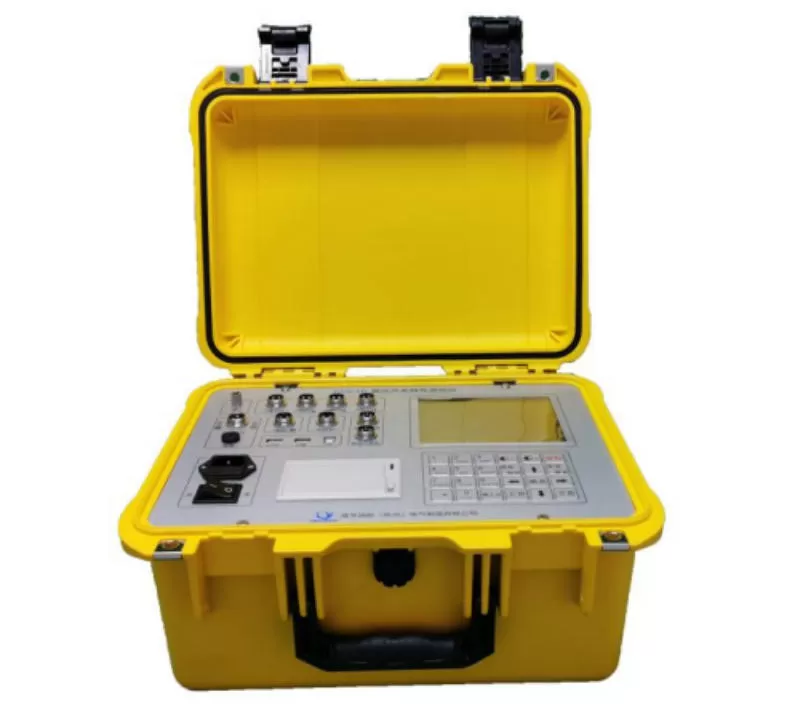
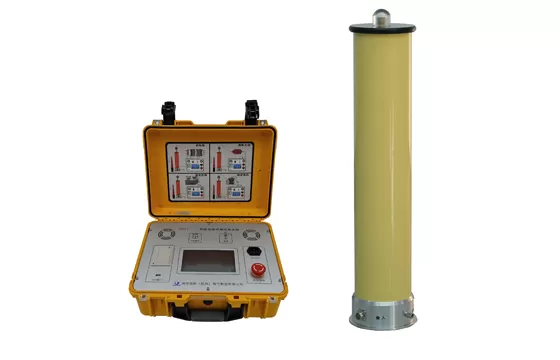
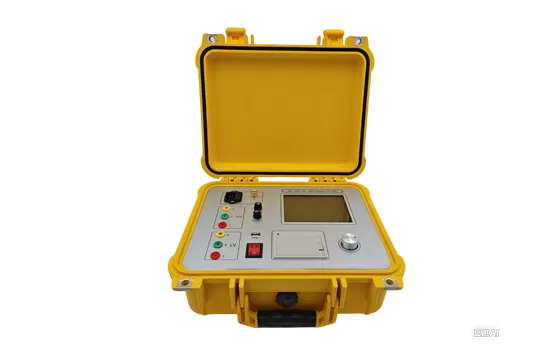
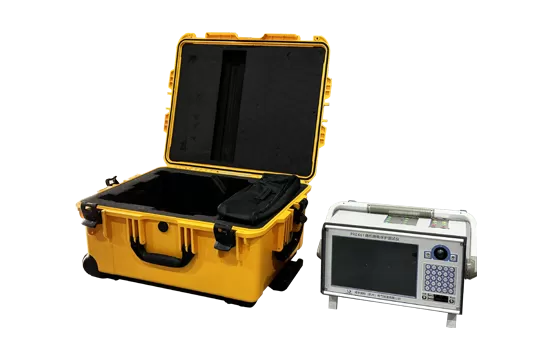
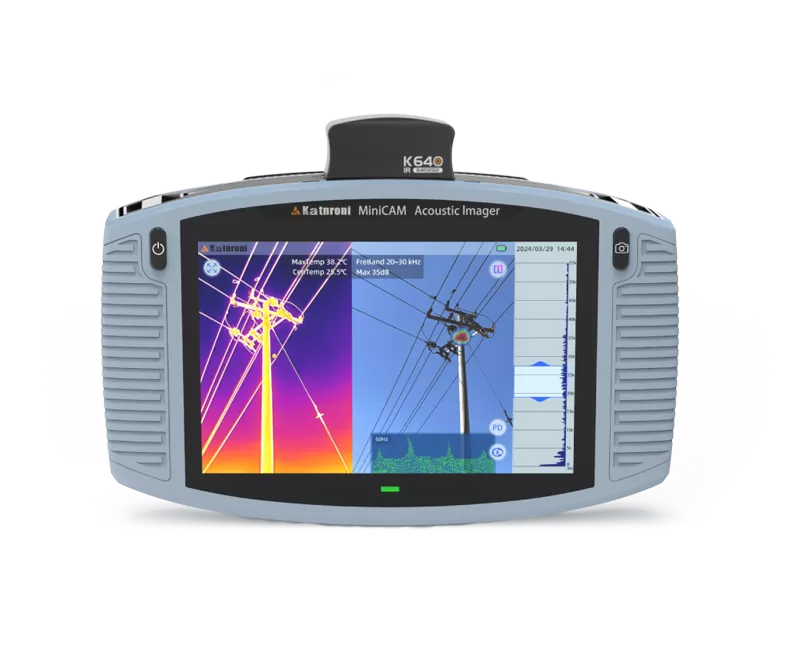
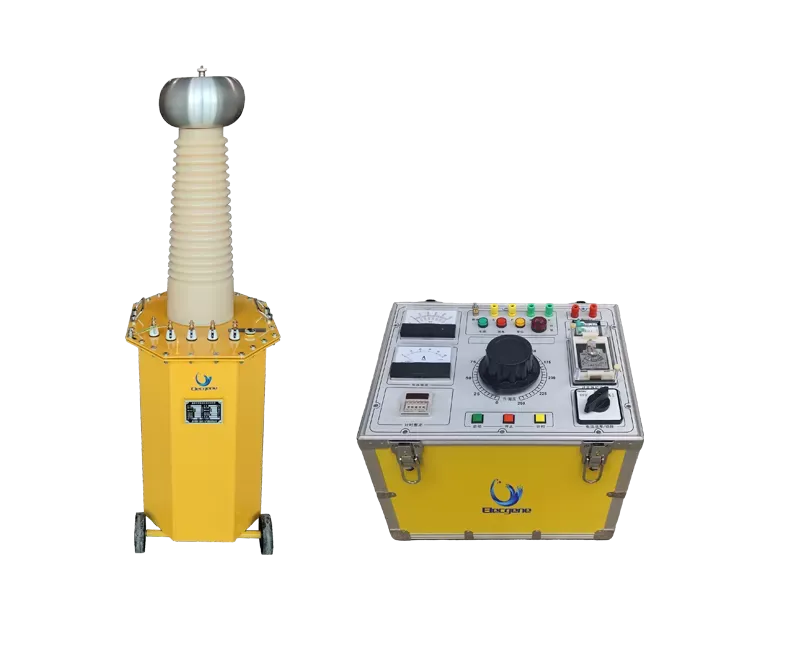
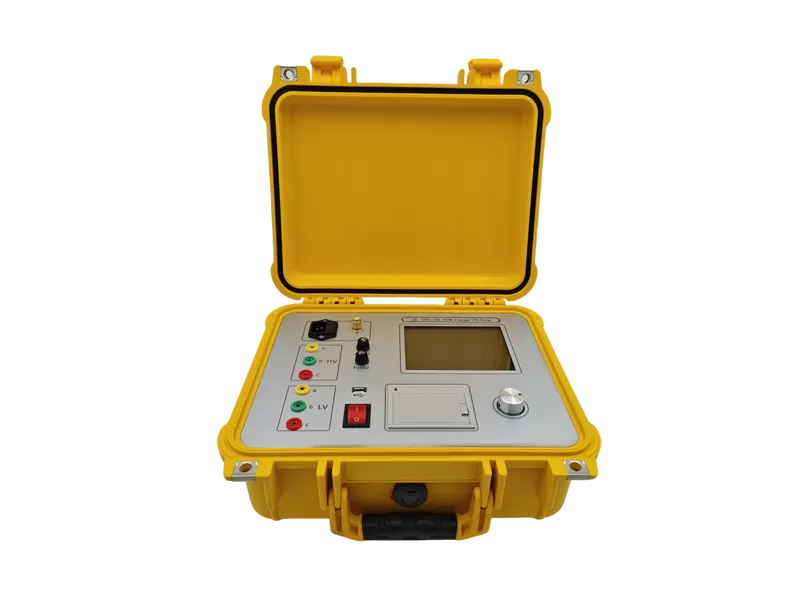
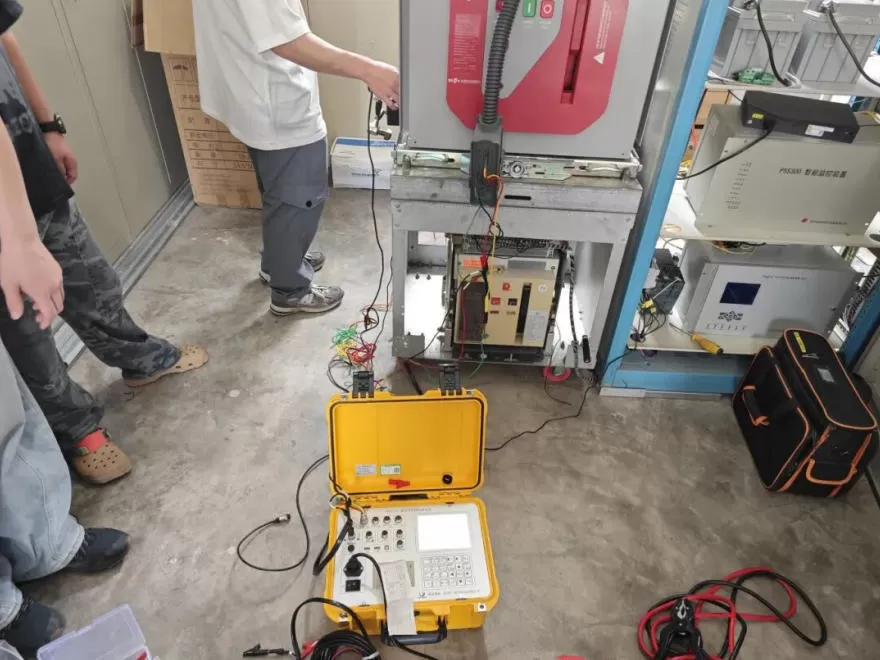
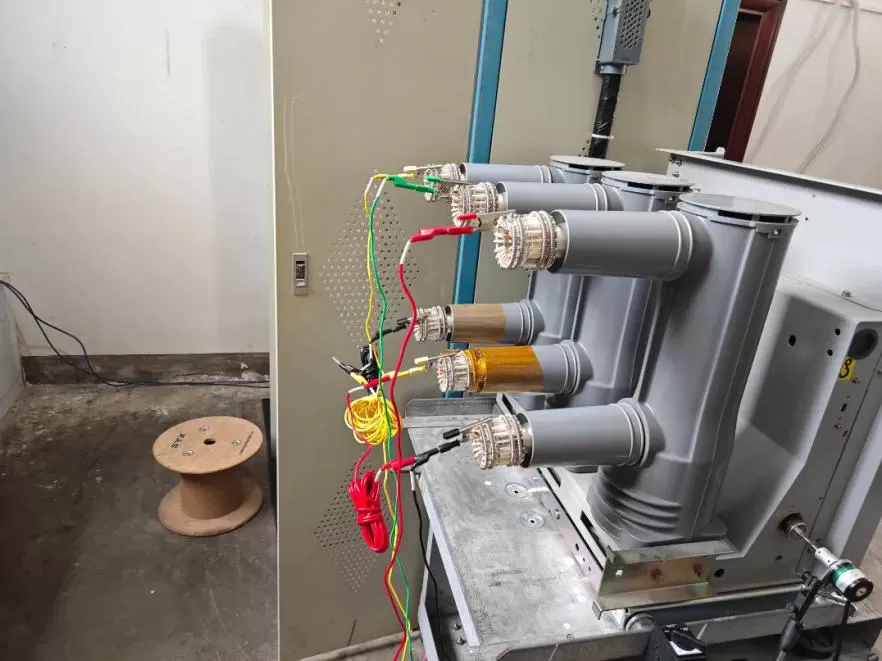
Picture of on-site testing instrument , Figure 1
PART 2: Test Process
Step 1: Test Purpose
The circuit breaker mechanical characteristics test is a means to comprehensively judge its operating condition through parameters such as the opening and closing time, synchronization difference, opening and closing speed, and the action voltage of the coil.
The mechanical characteristics test is an important test for preventing circuit breaker operation accidents, and its various parameters are essential indicators for assessing whether the circuit breaker is in good condition.
1. Ground the instrument and the circuit breaker casing, then connect the time test wires to the upper contacts of the three phases of the circuit breaker in the sequence of yellow, green, and red, and short-circuit the lower contacts to ground.
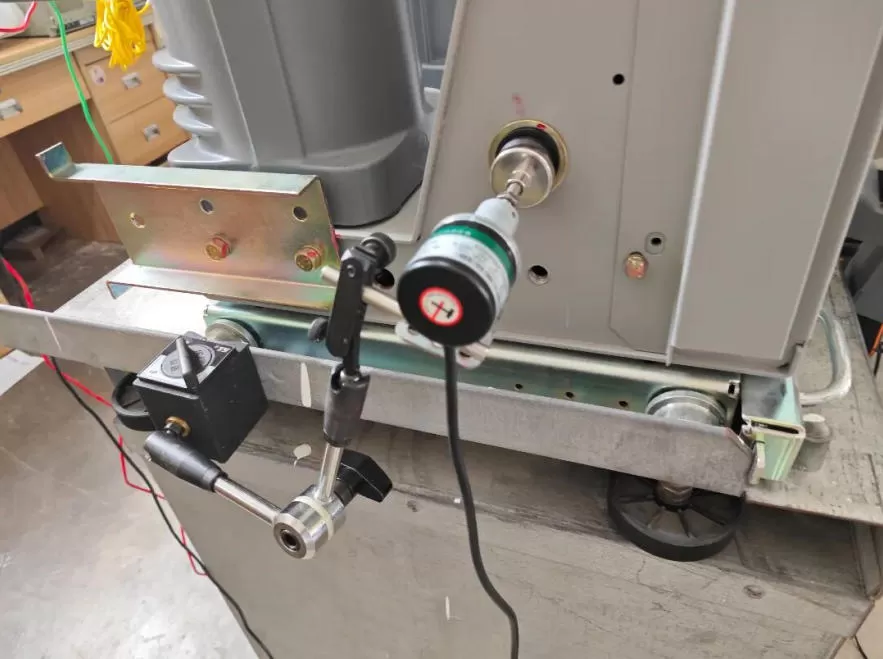
2. Connect the opening/closing and energy storage output wires of the instrument to the terminals of the opening/closing coil and energy storage coil of the circuit breaker. The corresponding terminals on the aviation plug are (closing 4+, 14-) and (opening 31+, 30-), with 14 and 30 short-circuited, and energy storage (35+, 25-). Install the speed sensor onto the transmission mechanism of the circuit breaker, ensuring it is installed securely.
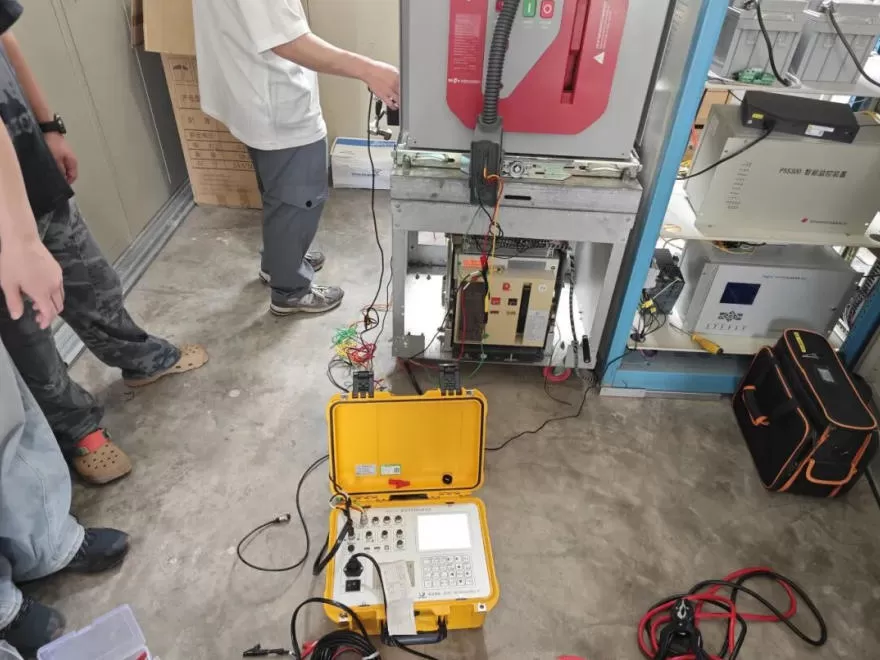
(Figure 2: Test Wiring)
3. Turn on the instrument switch and configure the settings. Generally, setting parameters such as test duration, test voltage, and circuit breaker travel distance is sufficient.
4. Select automatic test and click test.
5. Perform the low-voltage action test. Set the starting voltage (30% of the coil's rated working voltage), ending voltage, boost method, step size, and interval, then turn on the DC power supply and click test.
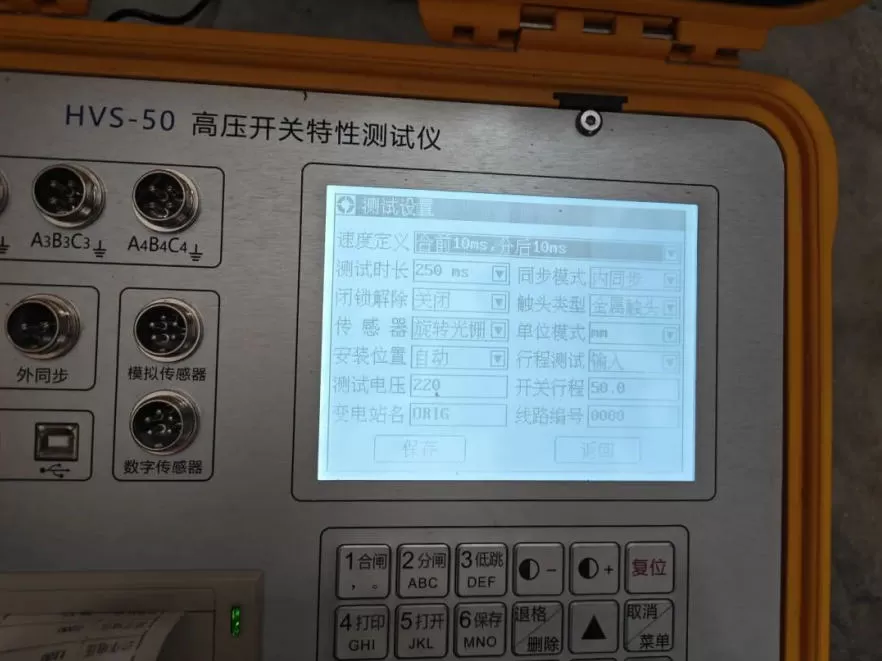
(Figure 3: Test Settings)
Step 3: Result Judgment
The data that needs to be analyzed for the mechanical characteristics closing test includes: closing time, three-phase synchronization, and bounce time.
The data that needs to be analyzed for the opening test includes: opening time and three-phase synchronization.
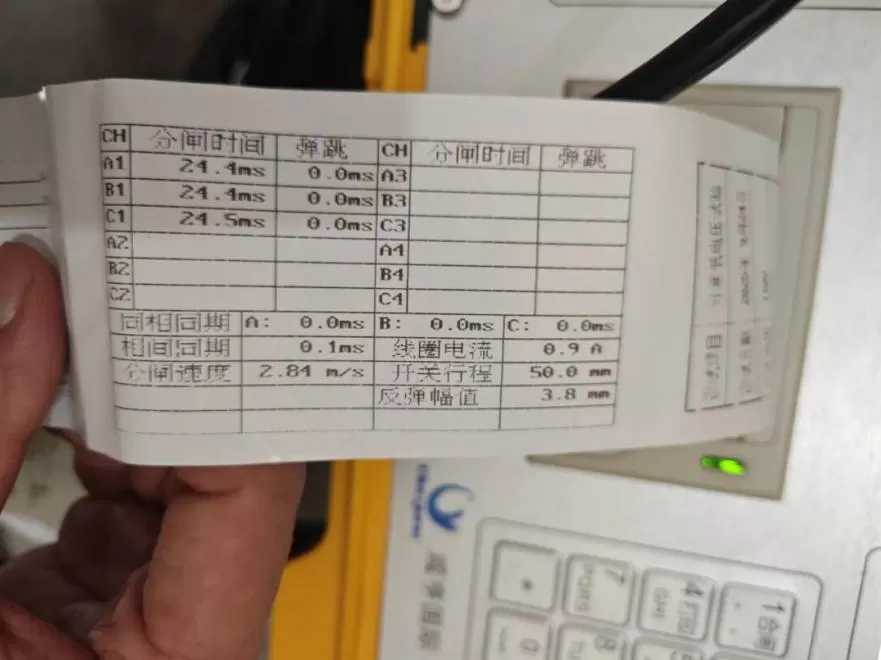
(Figure 4: Test Results)
PART 3: Test Summary (On-site Issues, Precautions, etc.)
Regulations require that the circuit breaker closing synchronization difference should not be greater than 5ms, the opening synchronization difference should not be greater than 3ms, and the closing bounce of circuit breakers below 40.5kV should not be greater than 2ms. The tested circuit breaker passed these requirements. The opening and closing action voltages are both within the required ranges, indicating the circuit breaker is qualified.

 English
  日本語
日本語  한국어
한국어  français
  Deutsch
  русский
  português
  العربية