PART 1: Main Information of the On-Site Test
Test Date: 2025.9.24
On-site Tester: Gao Wenhao
Weather Conditions: Sunny
Basic On-site Information:
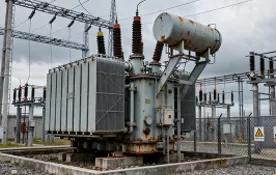
Test Sample Type: Surge Arrester
Voltage Level: 10kV
Test Item: Surge arrester DC reference voltage and leakage current test
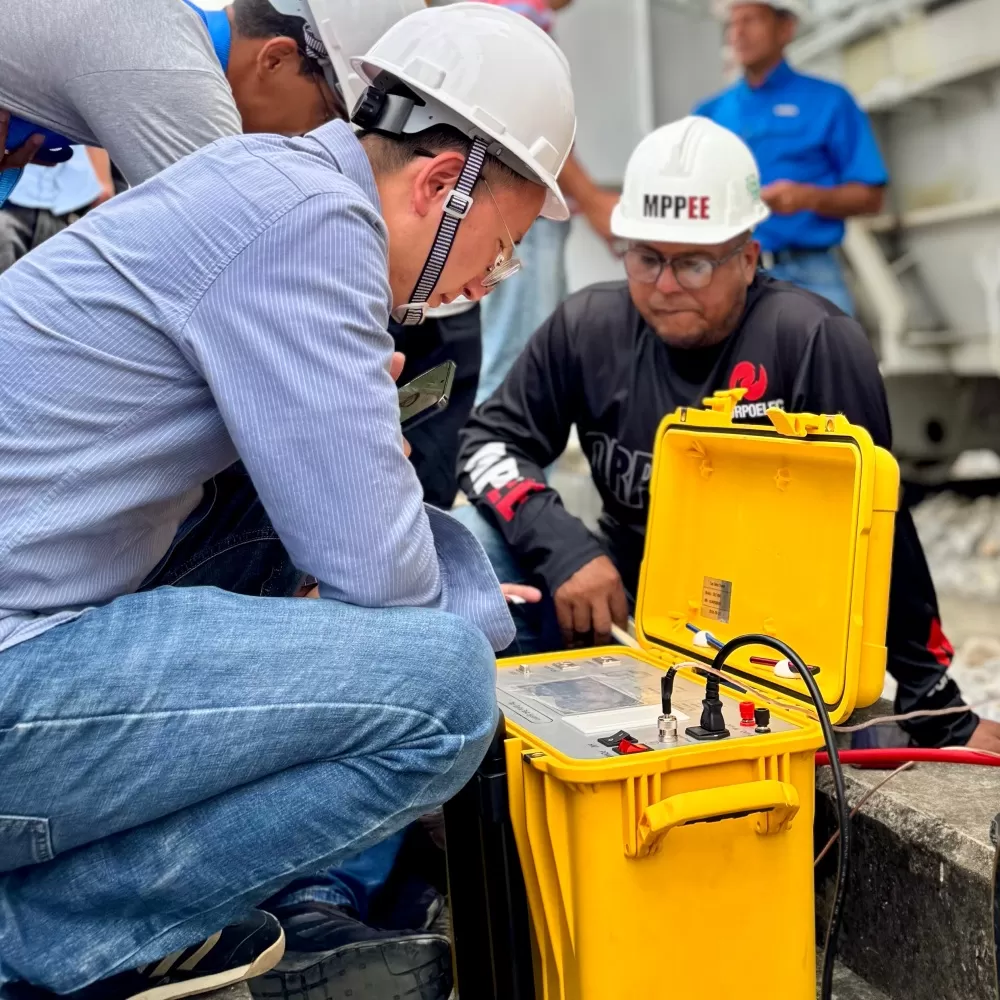
Instrument Used: DHVT 120-2
Test Data: Qualified
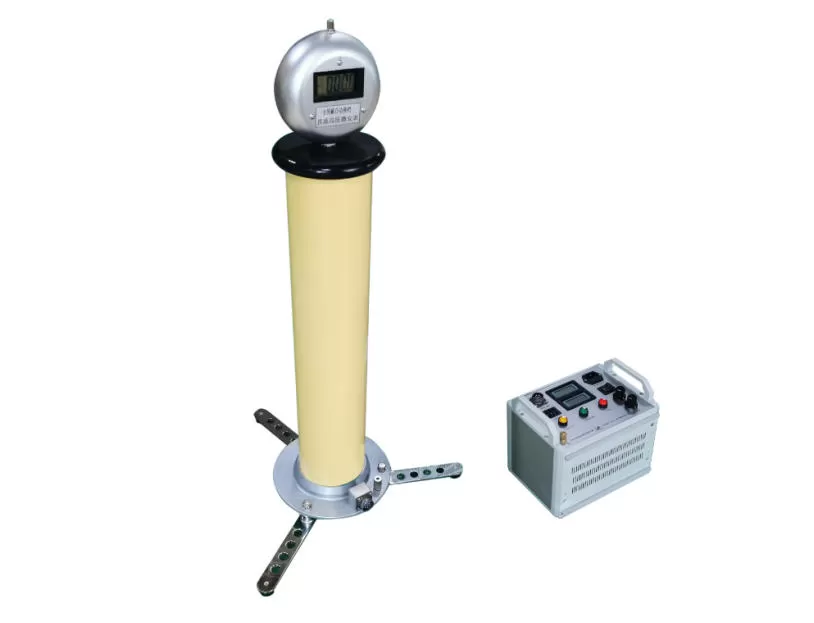
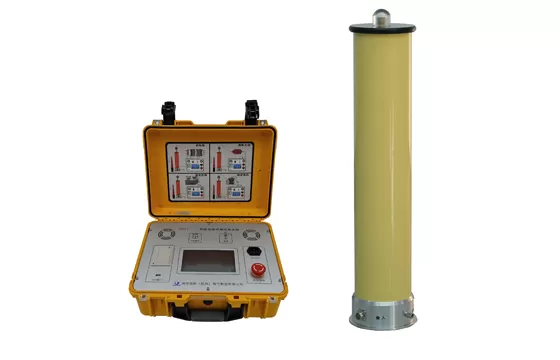
(Figure 1: Picture of on-site testing instrument)
PART 2: Test Process
Step 1: Test Purpose
The surge arrester is a critical piece of equipment in the power system and is widely used in power transmission and distribution systems. The purpose of its DC leakage current test is to evaluate its insulation performance and operational reliability, ensure that it can work properly under normal conditions, and reduce faults and accidents caused by insulation breakdown.
Step 2: Test Procedure
1. First, connect the group grounding wire of the instrument. Connect one end to the grounding pile, and clamp the other three ends to the grounding terminals of the main unit and the voltage multiplier cylinder, as well as to the lower end of the surge arrester.
2. Connect the intermediate frequency output cable from the main unit to the voltage multiplier cylinder. On top of the voltage multiplier cylinder, sequentially connect the current-limiting resistor and the high-voltage microammeter. Plug one end of the microammeter wire into the top of the microammeter, and connect the other end to the top of the surge arrester.
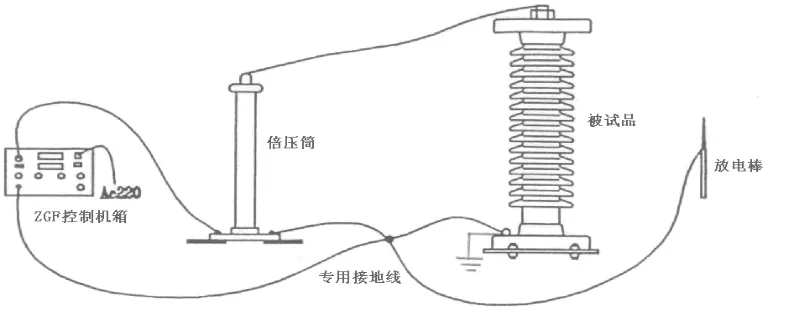
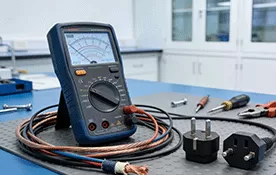
(Figure 2: Test Wiring)
3. Connect the power supply and start the instrument to boost the voltage at a uniform speed. Use the coarse adjustment knob to increase the voltage slowly and steadily. When the current of the microammeter reaches 1mA, the voltage reached at this point is our DC reference voltage. Then, reduce the voltage to 0.75 times U1mA and measure the magnitude of the leakage current to verify if the current is less than 50μA.
Step 3: Result Judgment
The "GB50150-2016 Standard for Hand-over Test of Electrical Equipment in Electrical Installation Engineering" stipulates the following:
Measuring the DC 1mA reference voltage of the zinc oxide surge arrester and the leakage current at 0.75 times the reference voltage should comply with the following provisions:
The difference between the 1mA reference voltage value and the factory measured value shall not be greater than ±5%.
The leakage current value under 0.75 times the DC reference voltage should not be greater than 50μA.
For zinc oxide surge arresters with a voltage level of 750KV, the DC reference voltage values at 1mA and 3mA should be tested, and the test values should comply with the provisions of the product technical conditions; the leakage current value under 0.75 times the DC reference voltage should not be greater than 65μA.
PART 3: Test Summary (On-site Issues, Precautions, etc.)
4. When rotating the coarse adjustment knob, the leakage current will increase slowly in the initial stage. When the voltage reaches a certain value, the leakage current will rise rapidly. Since this is caused by the non-linear characteristics of the surge arrester, it is necessary to use the fine adjustment knob to boost the voltage at this time.
Pay attention that the high-voltage microammeter wire cannot be dragged on the ground. Keep it straight and suspended, maintaining a safe and reliable distance from surrounding objects and the ground.
PART 4: On-site Materials
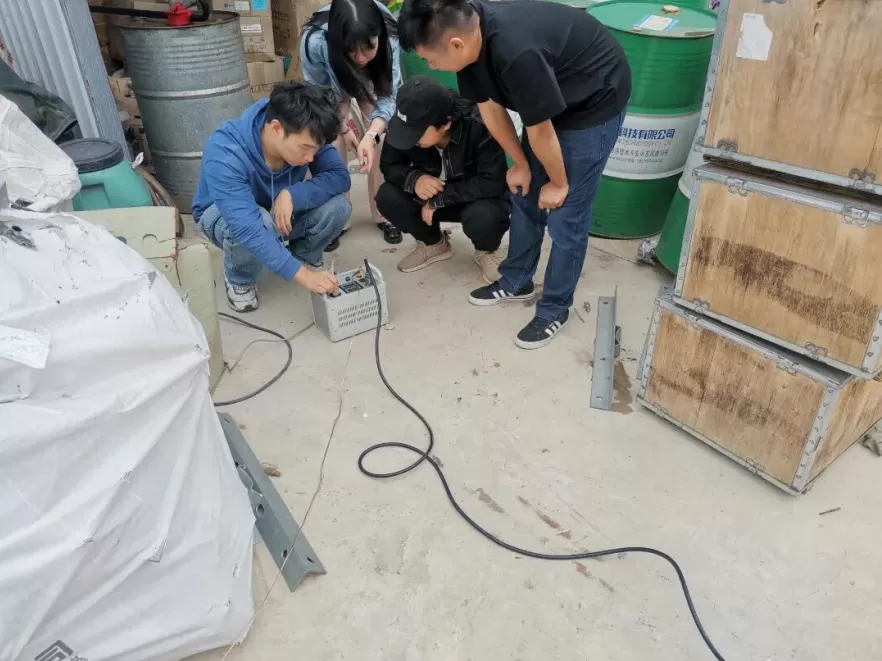
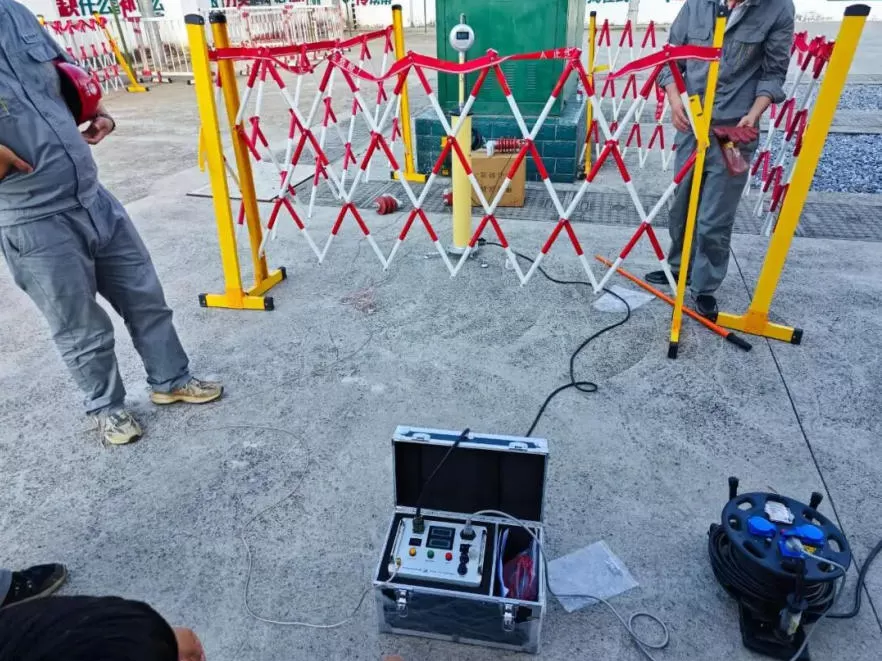
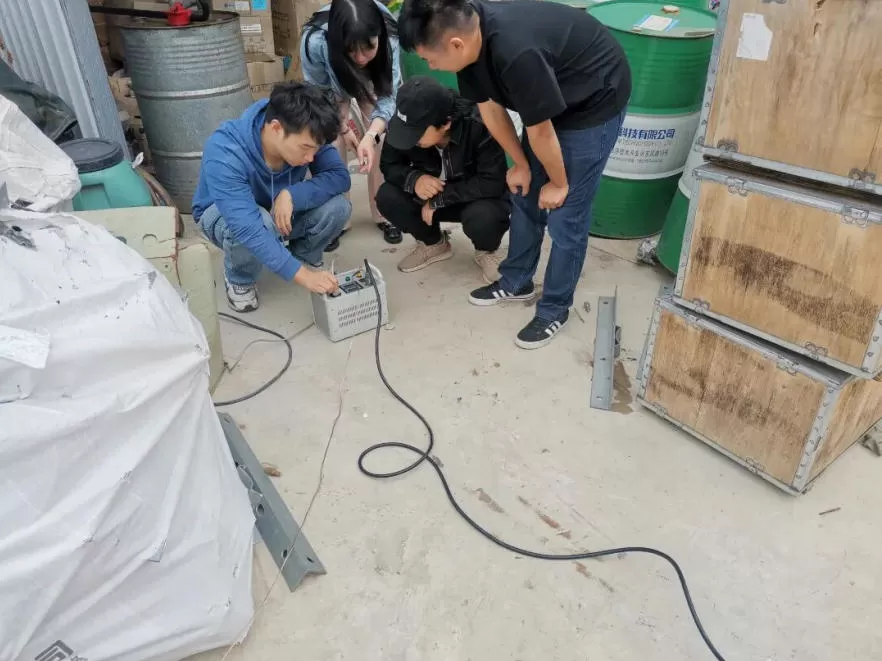
(Figure3:On-siteTest)
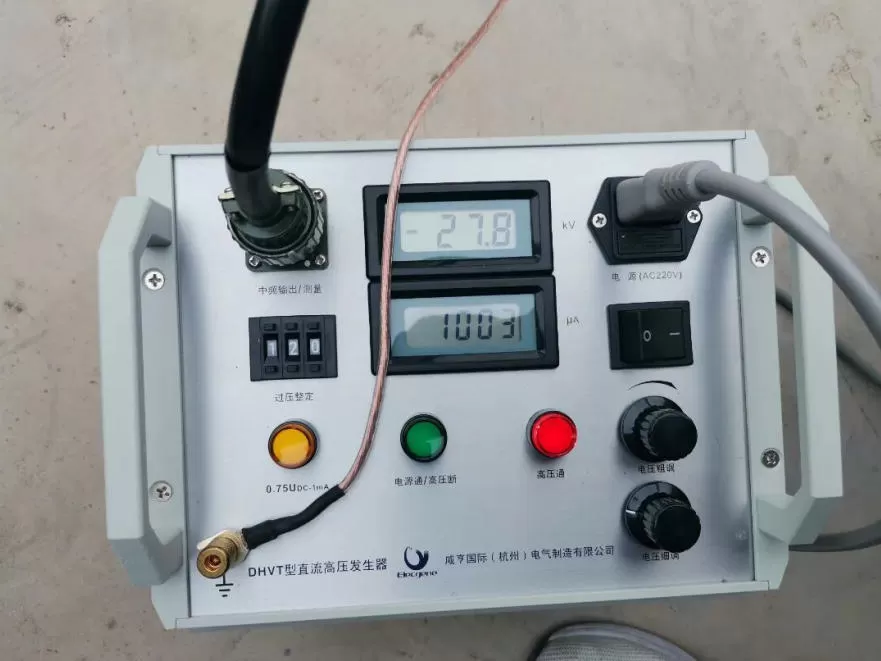
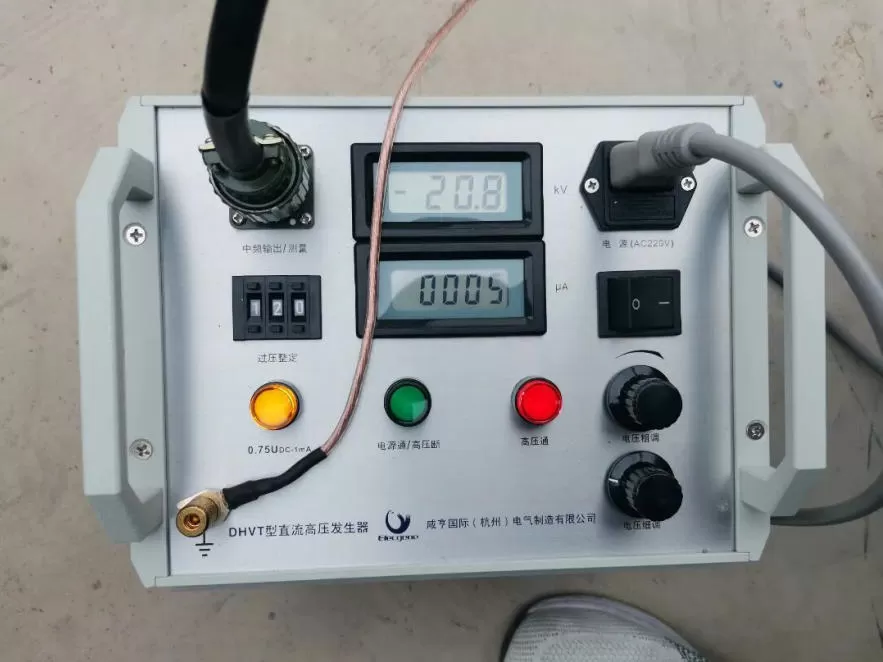
(Figure 4: Test Results)

 English
  日本語
日本語  한국어
한국어  français
  Deutsch
  русский
  português
  العربية