I. On-site Test Main Information
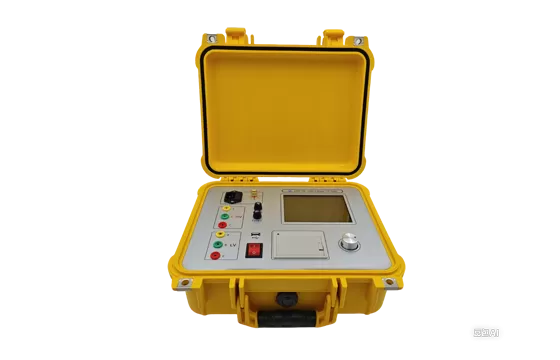
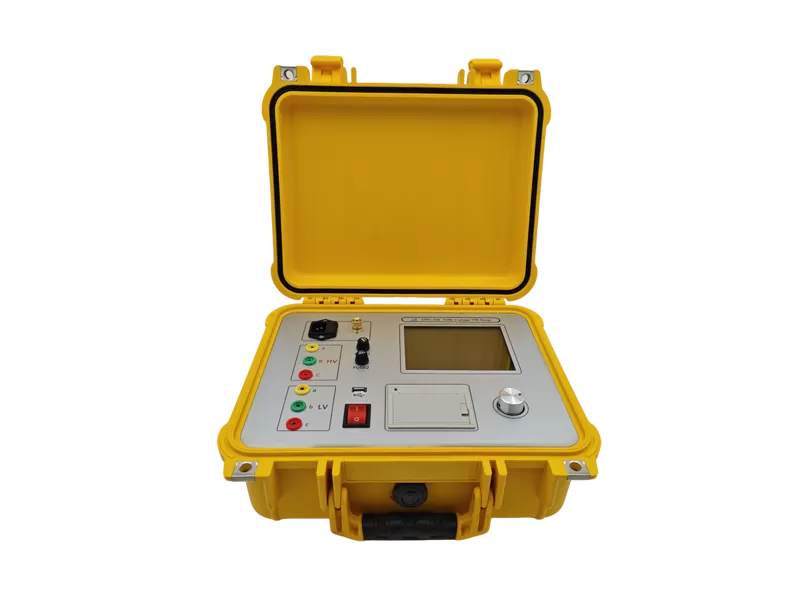
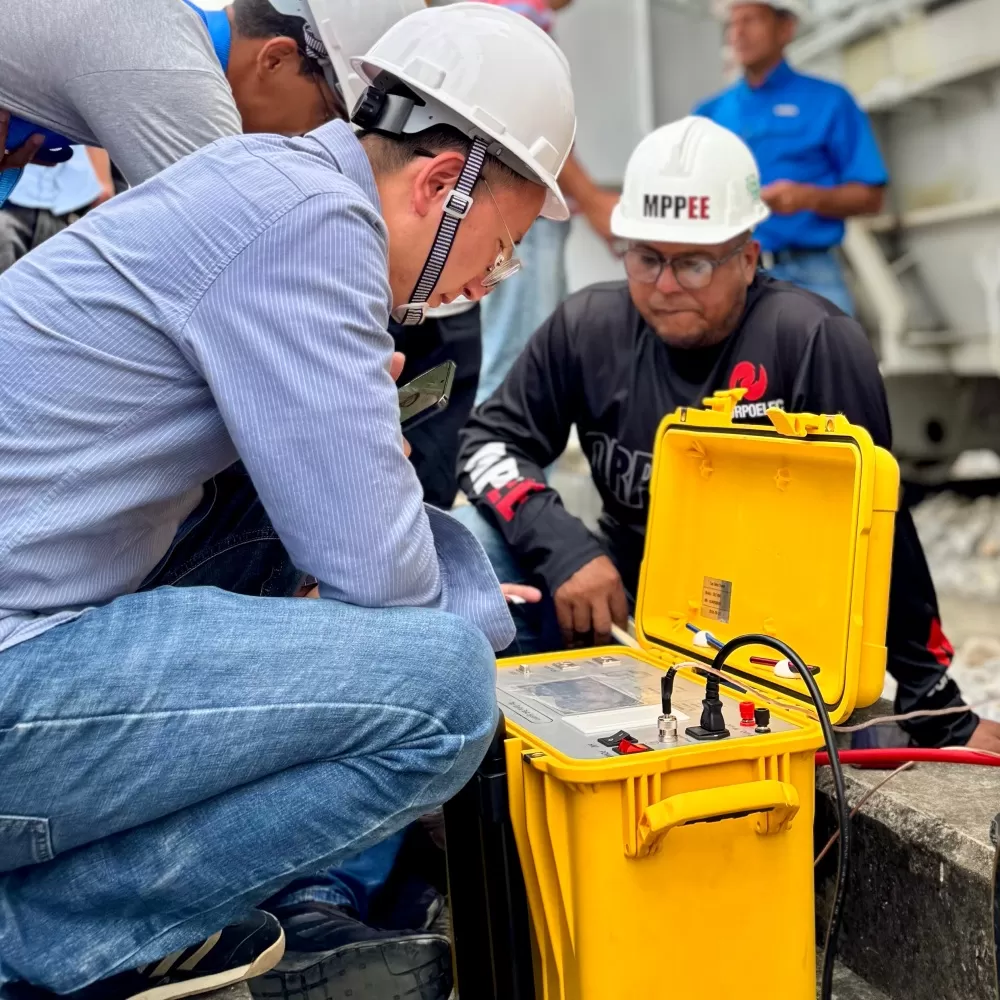
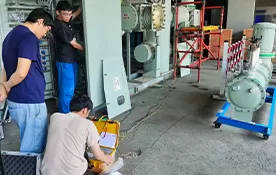
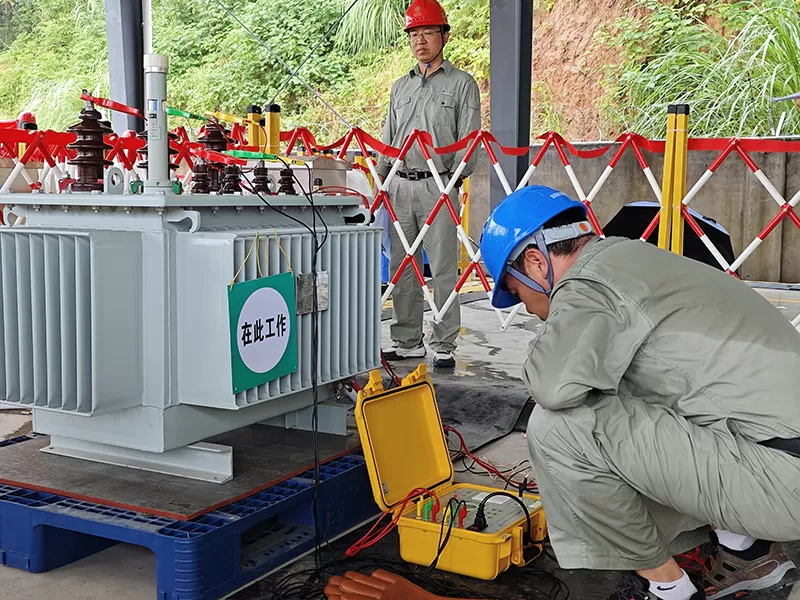
This report records a 10kV circuit breaker mechanical characteristics test performed at a 10kV power supply station using the HVS-50 circuit breaker analyzer.
1. Basic Information
Test date | 2024.08.15 | Tester | Gao Wenhao |
Weather | Sunny | Location | A 10kV power supply station |
Test sample type | Circuit breaker | Voltage level | 12kV |
Test item | Circuit breaker mechanical characteristics test | Instrument used | HVS-50 |

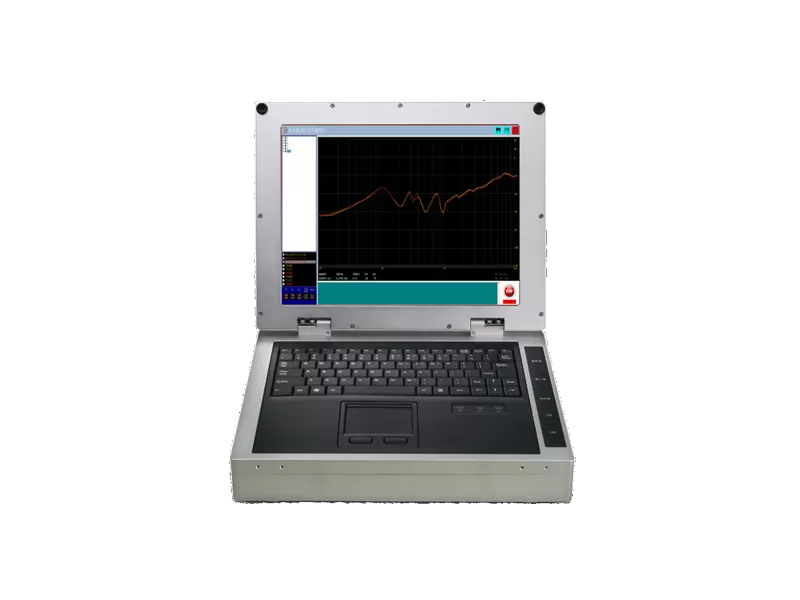
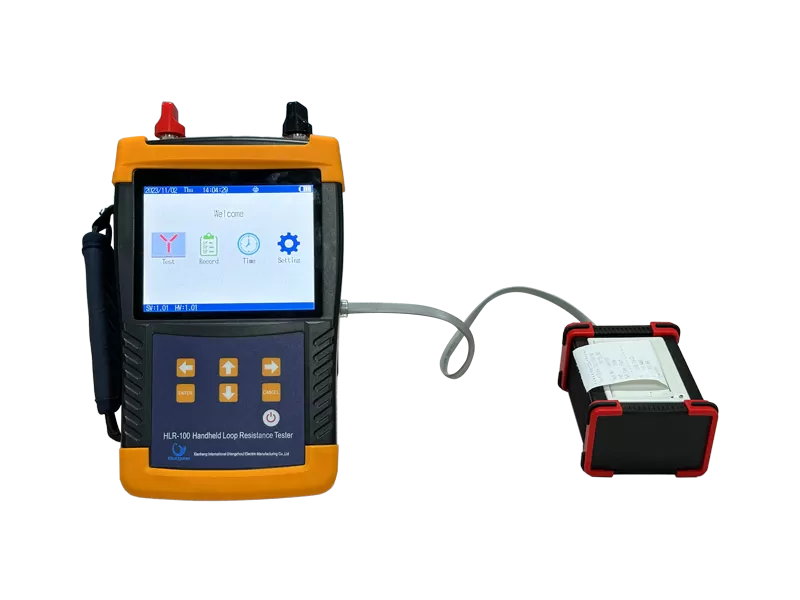
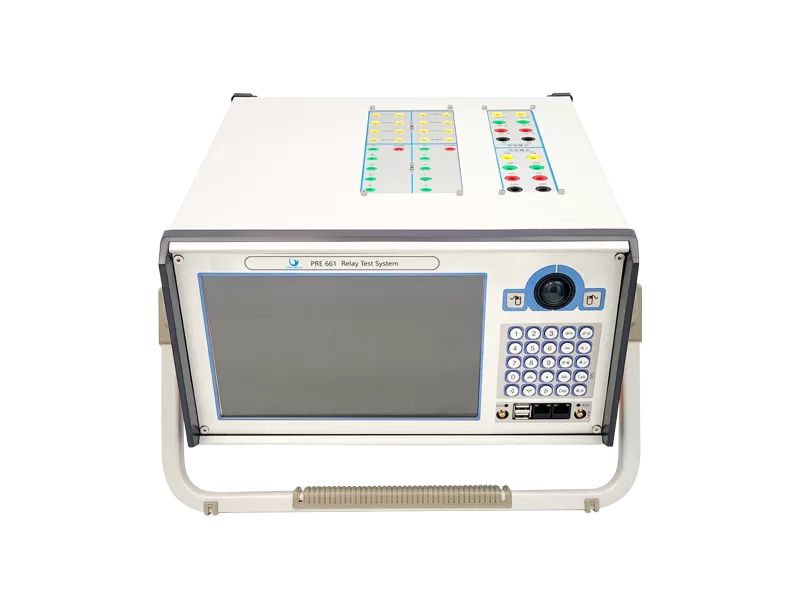
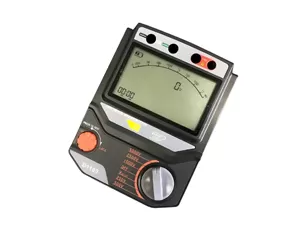
Figure: HVS-50 circuit breaker analyzer
II. Test Procedure
Step 1: Test Preparation
The breaker tested in this case was not yet installed. First, locate the tripping and closing terminals on the breaker.
Step 2: Test Process
1. Ground the instrument and the breaker enclosure, then connect the time test lines in yellow-green-red sequence to the three-phase upper contacts of the breaker, with the lower contacts shorted and grounded.

Figure: Breaker contact wiring
2. Connect the instrument's close/trip and energy-storage output lines to the breaker close/trip coil and energy-storage coil terminals. On the aviation plug, the corresponding terminals are: close (4+, 14-), trip (31+, 30-); 14 and 30 are shorted; energy storage (35+, 25-).

Figure: Terminal wiring
3. Turn on the instrument and set the test duration and test voltage.
4. Select automatic test and click Test.
5. Perform the low-voltage action test: set the starting voltage (30% of the coil rated operating voltage), ending voltage, voltage rise mode, step size, and interval; turn on the DC power supply and click Test.
Step 3: Result Evaluation
The mechanical characteristics test analyzes closing time, three-phase synchronization, and bounce time for the closing test; opening time and three-phase synchronization for the opening test.

Figure: Opening test data

Figure: Closing test data
III. Test Summary
Regulations require that circuit breaker closing synchronization shall not exceed 5ms, opening synchronization shall not exceed 3ms, and closing bounce for breakers below 40.5kV shall not exceed 2ms. The breaker in this test was qualified. The opening/closing operating voltages were within requirements, so the breaker is qualified.

 English
 日本語
 한국어
 français
 Deutsch
 русский
 português
 العربية